Endometriosis can affect fertility in several ways, including inflammation, scar tissue, ovarian endometriomas, changes in pelvic anatomy, and possible effects on ovarian reserve. For patients who want to become pregnant now or in the future, understanding these risks early can make a meaningful difference in treatment planning.
Fertility preservation is not a single decision or one-size-fits-all process. Options may include monitoring ovarian reserve, coordinating care with a reproductive endocrinologist, considering egg or embryo freezing, or planning surgery in a way that protects healthy ovarian tissue whenever possible. The right approach depends on age, symptoms, ovarian reserve, disease severity, prior surgeries, and reproductive goals.
This article explains how endometriosis may affect fertility, when to consider fertility evaluation, what preservation options may be available, and how surgery or assisted reproductive technology may fit into an individualized care plan. Early, coordinated care can help patients make informed decisions while balancing pain management, fertility goals, and long-term reproductive health.
How Endometriosis Can Affect Fertility
Endometriosis can affect fertility through several overlapping mechanisms. In some patients, inflammation in the pelvis may interfere with ovulation, egg quality, fertilization, embryo development, or implantation. In others, scar tissue and adhesions may distort the normal position of the ovaries, fallopian tubes, or uterus, making it harder for the egg and sperm to meet.
The effect of endometriosis on fertility varies from patient to patient. Some people with endometriosis conceive without difficulty, while others may need medical treatment, surgery, assisted reproductive technology, or a combination of approaches. Fertility risk often depends on age, ovarian reserve, disease severity, whether the fallopian tubes are affected, whether ovarian endometriomas are present, and whether the patient has had prior ovarian surgery.
Understanding these factors early can help patients make informed decisions about whether to try to conceive, pursue fertility preservation, consider surgery, or meet with a reproductive endocrinologist.
Inflammation, Scar Tissue, And Pelvic Anatomy
Endometriosis is associated with chronic inflammation in the pelvis. This inflammatory environment may affect reproductive function by influencing ovulation, egg quality, sperm function, fertilization, and implantation. Inflammation may also contribute to pain, swelling, and tissue irritation that can worsen over time.
Scar tissue, also called adhesions, can create additional fertility challenges. Adhesions may cause the ovaries, fallopian tubes, uterus, bowel, or pelvic sidewall to stick together. When this happens, pelvic anatomy may become distorted, and the fallopian tubes may not be able to pick up an egg normally after ovulation.
For some patients, restoring pelvic anatomy through carefully planned surgery may improve the chance of natural conception. For others, assisted reproductive technology such as IVF may be a more appropriate option. The best approach depends on the patient’s symptoms, anatomy, ovarian reserve, fertility timeline, and overall treatment goals.
Endometriomas And Ovarian Reserve
An endometrioma is an ovarian cyst associated with endometriosis. Endometriomas can affect fertility by changing ovarian function, contributing to inflammation, and sometimes making access to eggs more difficult during fertility treatment. They may also be associated with reduced ovarian reserve, which refers to the number of eggs remaining in the ovaries.
Treatment decisions around endometriomas require careful planning. Removing an endometrioma may help with pain, improve access to the ovary, or address concern for disease progression. However, surgery on the ovary can also reduce ovarian reserve if healthy ovarian tissue is affected during cyst removal. This is especially important for patients with large endometriomas, bilateral endometriomas, low ovarian reserve, prior ovarian surgery, or future fertility goals.
For this reason, patients with endometriomas should consider fertility-focused counseling before surgery whenever possible. A clinician may recommend ovarian reserve testing, imaging review, referral to a reproductive endocrinologist, or discussion of egg or embryo freezing before surgical treatment. The goal is to balance symptom relief, disease management, and protection of future reproductive options.
When To Consider Fertility Evaluation
Patients with known or suspected endometriosis should consider fertility evaluation early if they want to become pregnant now or may want pregnancy in the future. Evaluation does not mean that immediate treatment or fertility preservation is always required. It helps clarify current reproductive health, identify risk factors, and guide decisions before ovarian reserve declines, symptoms worsen, or surgery becomes necessary.
Fertility evaluation may be especially important for patients who have ovarian endometriomas, severe pelvic pain, suspected deep infiltrating endometriosis, irregular cycles, prior pelvic or ovarian surgery, difficulty conceiving, or a family-building timeline that is uncertain. It may also be useful before planned endometriosis surgery, particularly when the ovaries may be involved.
Early evaluation gives patients time to compare options. Some may choose to try to conceive naturally, some may consider egg or embryo freezing, and others may benefit from coordinated care between an endometriosis specialist and a reproductive endocrinologist.
Key Tests To Discuss With Your Clinician
A fertility-focused evaluation may include several components, depending on the patient’s symptoms, age, history, and goals.
Common tests and assessments include:
- Medical and reproductive history: prior pregnancies, time trying to conceive, menstrual cycle patterns, pain symptoms, previous surgeries, and prior fertility treatment.
- Pelvic ultrasound: used to evaluate the ovaries, uterus, endometriomas, fibroids, ovarian cysts, and other visible pelvic findings.
- Ovarian reserve testing: often includes anti-Müllerian hormone, or AMH, and antral follicle count, which can help estimate how the ovaries may respond to fertility treatment.
- Semen analysis: recommended when a sperm-producing partner is part of the fertility plan.
- Tubal evaluation: may be considered to assess whether the fallopian tubes are open, especially if natural conception is the goal.
- MRI: may be used when deep infiltrating endometriosis, bowel involvement, bladder involvement, or complex pelvic disease is suspected.
These tests do not predict fertility with certainty, but they provide useful information for planning. The results can help guide whether a patient should try to conceive now, pursue fertility preservation, consider assisted reproductive technology, or plan surgery with fertility protection in mind.
Fertility Preservation Options For Endometriosis
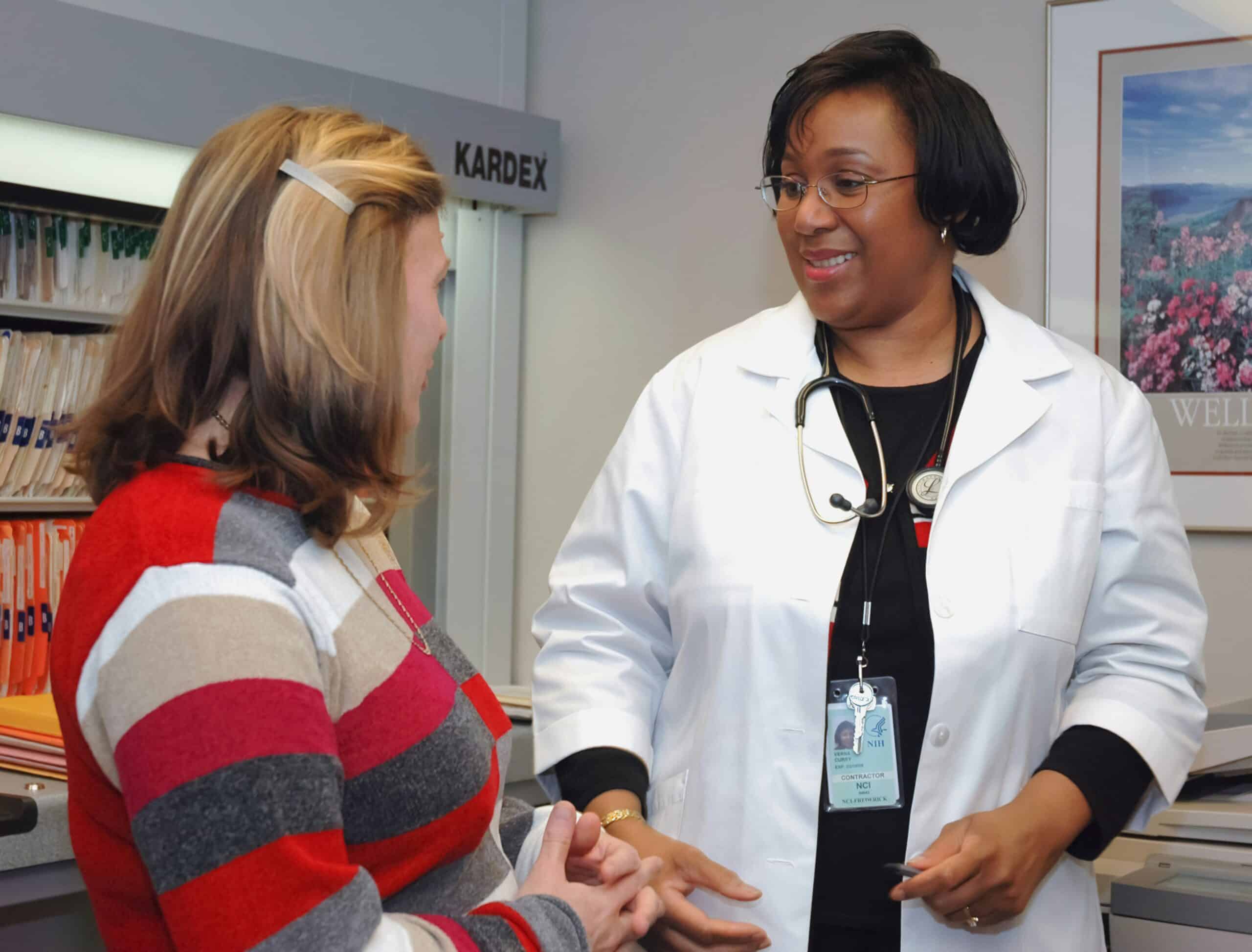
Fertility preservation may be considered when a patient with endometriosis wants the option of pregnancy in the future but is not ready to conceive now. It may also be discussed before surgery if there is concern that ovarian reserve could be affected, especially in patients with ovarian endometriomas, bilateral ovarian disease, prior ovarian surgery, or already low ovarian reserve.
The most appropriate option depends on age, ovarian reserve, relationship status, sperm availability, disease severity, surgical plans, and the patient’s reproductive timeline. Fertility preservation should be discussed with a reproductive endocrinologist, ideally in coordination with the endometriosis specialist managing pelvic pain, imaging, and surgical planning.
Egg Freezing
Egg freezing, also called oocyte cryopreservation, allows unfertilized eggs to be collected and frozen for possible future use. This may be an option for patients who want to preserve reproductive potential but are not ready to create embryos or do not have sperm available.
The process usually involves ovarian stimulation medications, ultrasound monitoring, bloodwork, and an egg retrieval procedure. The number and quality of eggs retrieved can be affected by age, ovarian reserve, endometriomas, prior ovarian surgery, and response to stimulation.
Egg freezing does not guarantee a future pregnancy, but it may provide additional reproductive options. It is often most useful when discussed early, before ovarian reserve declines or before ovarian surgery that may affect healthy ovarian tissue.
Embryo Freezing
Embryo freezing involves fertilizing retrieved eggs with sperm and freezing the resulting embryos for future transfer. This option is commonly used by patients or couples pursuing IVF-based fertility preservation.
Embryo freezing may provide more information than egg freezing because clinicians can see how many eggs fertilize and develop into embryos. However, it requires sperm and may involve additional legal, ethical, and personal considerations, especially around future use of embryos.
For patients with endometriosis, embryo freezing may be discussed before surgery, after surgery, or as part of a broader assisted reproductive plan. The timing depends on symptoms, ovarian reserve, disease severity, age, and whether delaying surgery or pregnancy attempts is medically appropriate.
Ovarian Tissue Freezing
Ovarian tissue freezing is a specialized fertility preservation option in which ovarian tissue is surgically removed and frozen for possible future use. It is not typically the first-line option for most patients with endometriosis, but it may be considered in selected cases when egg or embryo freezing is not feasible or when there is a significant risk to ovarian function.
This option requires careful counseling with a fertility specialist. Patients should understand the procedure, expected outcomes, risks, and whether it is appropriate for their situation. For most endometriosis patients, egg freezing, embryo freezing, or coordinated fertility treatment planning are more commonly discussed.
Surgery And Fertility: Benefits And Risks

Surgery may play an important role in endometriosis care, but it should be planned carefully when fertility is a current or future goal. The goal is not only to treat disease, but also to protect reproductive structures whenever possible. This is especially important when endometriosis affects the ovaries, fallopian tubes, bowel, bladder, or deep pelvic tissues. We cover this further in Role of Diet and Exercise in Endometriosis Fertility.
For some patients, surgery may improve fertility by restoring pelvic anatomy, removing endometriosis lesions, treating endometriomas, or releasing scar tissue that affects the ovaries and fallopian tubes. For others, proceeding directly to assisted reproductive technology may be more appropriate, particularly when ovarian reserve is low, age is a major factor, or surgery could risk further reducing ovarian function.
Surgical decisions should be individualized. The patient’s age, symptoms, ovarian reserve, imaging findings, prior surgeries, fertility timeline, and goals should all be considered before recommending surgery.
When Surgery May Help
Surgery may be considered when endometriosis causes severe pain, distorted pelvic anatomy, ovarian endometriomas, suspected deep infiltrating disease, bowel or bladder symptoms, or infertility associated with adhesions or blocked pelvic structures. In these cases, minimally invasive surgery may help remove visible disease and improve the relationship between the ovaries, fallopian tubes, and uterus.
Surgery may also be appropriate when an endometrioma is painful, growing, concerning on imaging, or interfering with access to eggs during IVF. However, endometrioma surgery requires careful counseling because operating on the ovary can affect ovarian reserve.
For patients trying to conceive, surgery may improve the chance of spontaneous pregnancy in selected cases. However, it is not always the best first step. Some patients may benefit more from IVF or fertility preservation before surgery, depending on ovarian reserve, age, tubal function, and disease severity.
Protecting Ovarian Reserve
Protecting ovarian reserve is a major priority when surgery involves the ovaries. Ovarian reserve can be affected by endometriosis itself, by endometriomas, and by surgical treatment of ovarian cysts. This risk may be higher in patients with bilateral endometriomas, repeat ovarian surgery, large cysts, or already low ovarian reserve.
Fertility-conscious surgical planning may include ovarian reserve testing before surgery, review of imaging, discussion with a reproductive endocrinologist, and consideration of egg or embryo freezing before the procedure. During surgery, the surgeon may use techniques designed to preserve healthy ovarian tissue, limit thermal injury, and reduce unnecessary trauma to the ovary.
Patients should ask how surgery may affect fertility, whether fertility preservation should be considered first, and what recovery timeline may mean for trying to conceive or starting IVF. A careful risk-benefit discussion helps ensure that surgery supports both symptom relief and long-term reproductive goals.
IVF And Assisted Reproductive Technology
Assisted reproductive technology, or ART, may be part of fertility planning for some patients with endometriosis. The most common ART option is in vitro fertilization, or IVF, which involves stimulating the ovaries, retrieving eggs, fertilizing them with sperm in a laboratory, and transferring an embryo into the uterus.
IVF may be recommended when endometriosis affects fertility through tubal disease, scar tissue, reduced ovarian reserve, ovarian endometriomas, distorted pelvic anatomy, or persistent infertility despite other treatment. It may also be considered when age, male-factor infertility, prior surgery, or a shorter reproductive timeline makes waiting less appropriate.
For some patients, IVF may be recommended before surgery. For others, surgery may be recommended first to treat pain, improve anatomy, remove an endometrioma, or address suspected deep infiltrating disease. The best sequence depends on the patient’s symptoms, ovarian reserve, imaging findings, fertility goals, and whether surgery could improve or compromise reproductive outcomes. We cover this further in Endometriosis and Fertility: The Complete Authority Guide.
When ART May Be Recommended
ART may be considered when natural conception is unlikely or when time is an important factor. This may include patients with blocked or damaged fallopian tubes, significant pelvic adhesions, low ovarian reserve, bilateral endometriomas, advanced reproductive age, or infertility that has continued despite prior treatment.
IVF may also be useful when the goal is to preserve fertility before endometriosis progresses or before surgery that could affect ovarian reserve. In these situations, a reproductive endocrinologist may recommend egg or embryo freezing before surgical treatment. Read more in Understanding Endometriosis and Fertility: The Truth Unveiled.
Patients should also understand that ART does not treat endometriosis itself. IVF may help with conception, but pelvic pain, painful periods, pain with sex, bowel symptoms, bladder symptoms, or inflammation may still require separate endometriosis care.
Setting Realistic Expectations
IVF outcomes vary from patient to patient. Age, ovarian reserve, egg quality, sperm quality, disease severity, endometrioma status, prior ovarian surgery, and uterine factors can all influence success. Patients with mild disease may have a different prognosis than those with advanced endometriosis, deep infiltrating disease, ovarian involvement, or reduced ovarian reserve.
It is important to avoid thinking of IVF as a guaranteed solution. Some patients may need more than one cycle. Others may need surgery, fertility preservation, or additional medical evaluation before starting treatment. A fertility specialist can help explain expected response to ovarian stimulation, the likely number of eggs or embryos, and whether embryo transfer should happen immediately or later.
A patient may ask:
“Based on my ovarian reserve, age, endometriosis history, and imaging, what are my realistic chances with IVF, and should I consider surgery or fertility preservation before starting?”
Setting expectations early helps patients make informed decisions about timing, cost, emotional readiness, and whether to combine IVF with specialized endometriosis care.
Building A Personalized Fertility Plan
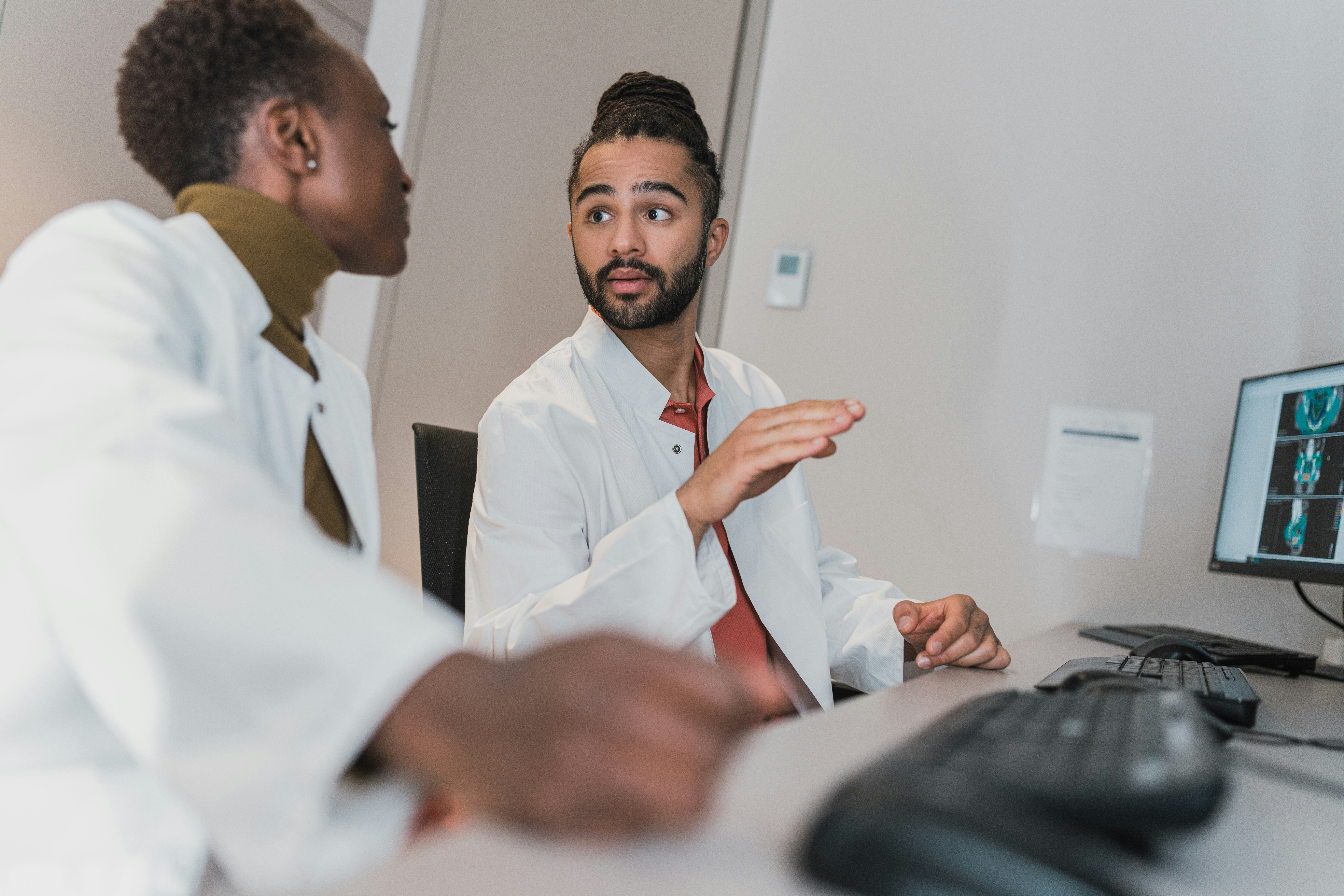
A fertility plan for endometriosis should be individualized. The right approach depends on the patient’s age, symptoms, ovarian reserve, disease location, prior surgeries, pregnancy timeline, pain level, and personal goals. Some patients may be advised to try to conceive naturally for a defined period. Others may benefit from egg freezing, embryo freezing, surgery, IVF, or coordinated care between multiple specialists.
A personalized plan should balance two priorities: managing endometriosis symptoms and protecting reproductive options. For example, hormonal therapy may help control pain but is not used while actively trying to conceive. Surgery may improve pain or pelvic anatomy in selected cases, but ovarian surgery can affect ovarian reserve. IVF may help patients conceive, but it may not address pain or deep disease symptoms.
This is why fertility planning should not be delayed until symptoms become severe or pregnancy attempts have already been unsuccessful for a long time. Early evaluation gives patients more options and allows care teams to plan treatment around both current symptoms and future reproductive goals.
Why Multidisciplinary Care Matters
Endometriosis-related fertility concerns often require more than one type of specialist. A multidisciplinary care team may include an endometriosis surgeon, reproductive endocrinologist, pelvic floor physical therapist, radiologist, pain specialist, and mental health or fertility counselor when needed.
Coordinated care helps prevent fragmented decision-making. For example, if surgery is being considered, a reproductive endocrinologist can assess ovarian reserve and discuss whether egg or embryo freezing should happen first. If IVF is planned, an endometriosis specialist can help determine whether untreated endometriosis, endometriomas, or pelvic pain symptoms need attention before or during fertility treatment.
This type of planning is especially important for patients with ovarian endometriomas, low AMH, prior ovarian surgery, suspected deep infiltrating endometriosis, bowel or bladder symptoms, or a limited fertility timeline.
Questions To Ask At Consultation
Patients can prepare for a fertility-focused endometriosis consultation by asking clear, practical questions:
- Is endometriosis likely affecting my fertility?
- What does my ovarian reserve testing show?
- Do I have an endometrioma or other findings that could affect fertility treatment?
- Should I try to conceive now, consider fertility preservation, or proceed to IVF?
- Should I see a reproductive endocrinologist before surgery?
- Could surgery improve my fertility, or could it reduce ovarian reserve?
- Should I consider egg or embryo freezing before surgery?
- How long should I try to conceive naturally before moving to ART?
- How will we manage pelvic pain while protecting fertility goals?
- What symptoms or test results would change the treatment plan?
A strong fertility plan should help the patient understand not only what options are available, but also the timing, risks, benefits, and trade-offs of each option. For patients with endometriosis, early and coordinated planning can help preserve reproductive choices while also addressing pain, quality of life, and long-term pelvic health.
When To See An Endometriosis Fertility Specialist

Patients with known or suspected endometriosis should consider seeing an endometriosis fertility specialist when symptoms, imaging findings, or reproductive goals suggest that fertility may be affected. Early consultation can be especially helpful because fertility planning often depends on timing. Waiting until symptoms worsen, ovarian reserve declines, or multiple surgeries have already occurred may limit available options.
Specialized evaluation may be appropriate for patients who have pelvic pain and want to become pregnant now or in the future. It is also important for patients with ovarian endometriomas, suspected deep infiltrating endometriosis, prior ovarian surgery, difficulty conceiving, low ovarian reserve, or symptoms involving the bowel, bladder, or pain with intercourse.
A fertility-focused endometriosis specialist can help evaluate how the condition may be affecting reproductive health and whether additional testing, fertility preservation, surgery, or assisted reproductive technology should be considered. The goal is not to push every patient toward the same treatment, but to create a plan that fits the patient’s symptoms, ovarian reserve, fertility timeline, and long-term goals.
Patients may benefit from specialized care if they have:
- Known or suspected endometriosis with current or future fertility concerns
- Ovarian endometriomas
- Prior ovarian or endometriosis surgery
- Difficulty conceiving
- Low AMH or concern for reduced ovarian reserve
- Severe pelvic pain with pregnancy goals
- Pain during sex, bowel symptoms, or bladder symptoms
- Suspected deep infiltrating endometriosis
- A planned surgery and concern about protecting fertility
- Uncertainty about whether to try naturally, freeze eggs or embryos, have surgery, or begin IVF
A patient may ask during consultation:
“How is endometriosis affecting my fertility risk, and what steps can we take now to protect my reproductive options?”
This type of question helps focus the visit on individualized planning rather than a single treatment pathway.
How Specialized Care Supports Fertility-Conscious Treatment
Specialized endometriosis care can help patients make decisions that account for both symptom relief and reproductive goals. This may include reviewing prior imaging, evaluating ovarian reserve, coordinating with a reproductive endocrinologist, planning fertility-sparing surgery, or discussing whether egg freezing, embryo freezing, or IVF should occur before surgery.
This coordination is especially important when the ovaries are involved. For example, an ovarian endometrioma may cause pain or interfere with fertility treatment, but surgery to remove it may also affect ovarian reserve. A specialist can help patients understand the trade-offs and decide whether surgery, fertility preservation, IVF, or continued monitoring is the most appropriate next step.
At Endo Excellence Center, fertility-conscious endometriosis care should be framed around individualized evaluation, advanced surgical planning when needed, and coordination with reproductive specialists. Patients should leave with a clearer understanding of their disease, fertility risks, treatment options, and next steps.
Frequently Asked Questions
Can Endometriosis Affect Fertility?
Yes. Endometriosis can affect fertility through inflammation, scar tissue, ovarian endometriomas, altered pelvic anatomy, and possible effects on ovarian reserve. However, not every patient with endometriosis will experience infertility. Some patients conceive naturally, while others may need surgery, fertility preservation, IVF, or coordinated specialist care.
Should I Freeze My Eggs If I Have Endometriosis?
Egg freezing may be worth discussing if you have endometriosis and want the option of future pregnancy but are not ready to conceive now. It may be especially relevant for patients with ovarian endometriomas, low ovarian reserve, prior ovarian surgery, bilateral ovarian disease, or planned surgery involving the ovaries.
The decision depends on age, ovarian reserve, symptoms, disease severity, fertility timeline, and personal goals. A reproductive endocrinologist can help estimate whether egg freezing is appropriate and what outcomes may be realistic.
Can Surgery Improve Fertility?
Surgery may improve fertility in selected patients, especially when endometriosis has distorted pelvic anatomy, caused adhesions, affected the fallopian tubes, or created endometriomas that interfere with ovarian function or fertility treatment. However, surgery is not always the best first step.
When surgery involves the ovaries, especially endometrioma surgery, there is a risk of reducing ovarian reserve. Patients with fertility goals should discuss ovarian reserve testing and possible fertility preservation before surgery.
Is IVF Always Needed For Endometriosis-Related Infertility?
No. IVF is not always required. Some patients with endometriosis conceive naturally, and others may benefit from surgery or a defined period of trying to conceive before moving to assisted reproductive technology.
IVF may be recommended when there is tubal disease, significant pelvic adhesions, low ovarian reserve, advanced reproductive age, male-factor infertility, prior unsuccessful attempts, or persistent infertility after other treatment. The best approach depends on the patient’s full fertility evaluation.
Should I See A Fertility Specialist Before Endometriosis Surgery?
Often, yes, especially if you have an ovarian endometrioma, low AMH, prior ovarian surgery, bilateral ovarian disease, or future fertility goals. A fertility specialist can help assess ovarian reserve and discuss whether egg freezing, embryo freezing, or IVF should be considered before surgery.
This does not mean every patient needs fertility preservation before surgery. It means patients should have enough information to make a decision that protects both symptom management and future reproductive options.
Can Lifestyle Changes Preserve Fertility With Endometriosis?
Lifestyle changes cannot cure endometriosis or replace medical treatment, surgery, or fertility care. However, healthy habits may support overall reproductive health and improve resilience during treatment. Balanced nutrition, regular movement, adequate sleep, stress management, and avoiding smoking may be helpful as part of a broader care plan.
Lifestyle strategies should be presented as supportive measures, not as a substitute for fertility evaluation or specialized endometriosis care. You may also find Strategies to Cope With Endometriosis and Boost Fertility helpful.
Conclusion
Endometriosis can affect fertility through several pathways, including inflammation, scar tissue, ovarian endometriomas, changes in pelvic anatomy, and possible effects on ovarian reserve. However, fertility risk is not the same for every patient. Some people with endometriosis conceive naturally, while others may benefit from fertility preservation, surgery, IVF, or coordinated specialist care.
The most important step is early, individualized evaluation. Understanding ovarian reserve, disease location, prior surgical history, symptoms, and reproductive goals can help patients make informed decisions before options become more limited. This is especially important for patients with endometriomas, prior ovarian surgery, low AMH, suspected deep infiltrating endometriosis, or future pregnancy goals.
Fertility preservation is not a guarantee of pregnancy, but it can provide additional reproductive options. Egg freezing, embryo freezing, IVF, and fertility-sparing surgical planning may each play a role depending on the patient’s age, ovarian reserve, symptoms, and timeline. For many patients, the best approach involves collaboration between an endometriosis specialist and a reproductive endocrinologist.
Patients should not have to choose between pain management and fertility planning without clear guidance. With timely evaluation, careful counseling, and a personalized treatment plan, patients with endometriosis can better understand their risks, protect reproductive options when appropriate, and make decisions aligned with their long-term goals.