Endometriosis excision surgery can be an important treatment option for patients living with pelvic pain, painful periods, pain with sex, bowel or bladder symptoms, infertility concerns, or reduced quality of life related to endometriosis. Unlike treatments that only suppress symptoms, excision surgery aims to identify and remove visible endometriosis lesions from the surrounding tissue.
However, there is no single “success rate” that applies to every patient. Outcomes depend on the type and severity of endometriosis, whether the ovaries or deep pelvic structures are involved, the patient’s prior surgeries, fertility goals, other pain conditions, and the surgeon’s experience with complex excision.
For some patients, success means less pain and better daily function. For others, it may mean improved fertility planning, fewer symptom flares, better bowel or bladder comfort, or a clearer diagnosis through surgical and pathology findings. At the Endometriosis Center of Excellence, Dr. Rachael Haverland evaluates each patient’s symptoms, imaging, medical history, and goals to create a surgical plan tailored to their condition.
This guide explains what patients may expect after endometriosis excision surgery, including pain relief, fertility considerations, recovery time, recurrence risk, and the factors that can influence long-term outcomes.
What Does “Success” Mean After Endometriosis Excision Surgery?
Success after endometriosis excision surgery is not the same for every patient. Because endometriosis can affect pain, fertility, digestion, bladder function, sexual health, energy, and emotional well-being, the outcome should be measured by the patient’s individual goals and symptoms before surgery.
For one patient, a successful outcome may mean being able to work, exercise, or attend school with less pain. For another, it may mean having less pain with sex, fewer bowel symptoms, improved menstrual pain, or a better chance of pursuing pregnancy. Some patients may also value having a clearer understanding of the extent and location of their disease.
Pain Relief and Symptom Improvement
Many patients seek excision surgery because endometriosis pain has not improved enough with medication, lifestyle changes, or prior procedures. Excision surgery may help reduce symptoms when pain is caused by visible endometriosis lesions, inflammation, adhesions, or deep infiltrating disease.
Symptoms that may improve after surgery include:
- Pelvic pain
- Painful periods
- Pain with sex
- Bowel movement pain
- Bladder pain or urinary discomfort
- Lower back, hip, or leg pain related to pelvic disease
- Pain flares that interfere with daily activity
Pain outcomes vary. Some patients notice significant improvement, while others may need additional care for pelvic floor dysfunction, adenomyosis, bladder pain syndrome, irritable bowel syndrome, nerve sensitivity, or other overlapping pain conditions.
Quality of Life and Return to Activity
A successful outcome is often about more than pain scores. Patients may experience improvement in sleep, energy, work performance, exercise tolerance, relationships, mood, and the ability to participate in daily life.
Recovery takes time, especially after complex excision involving the ovaries, bowel, bladder, ureters, pelvic sidewall, or deep infiltrating disease. The goal is gradual progress, not an immediate return to full activity. Follow-up care, pelvic floor physical therapy, pain management, and hormonal therapy may be recommended depending on the patient’s recovery and long-term goals.
Fertility and Reproductive Goals
For patients hoping to conceive, success may include improving pelvic anatomy, reducing adhesions, addressing endometriomas, or creating a clearer fertility plan. Excision surgery may support fertility goals in selected patients, but fertility outcomes are highly individualized.
Age, ovarian reserve, fallopian tube health, sperm factors, prior surgeries, disease severity, and whether assisted reproduction is needed all affect the likelihood of pregnancy. Surgery involving the ovaries should be planned carefully to protect ovarian reserve whenever possible. Fertility goals should be discussed before surgery so the treatment plan can balance symptom relief, recurrence risk, and reproductive priorities.
What Outcomes Do Patients Report After Excision Surgery?

Patient outcomes after endometriosis excision surgery can vary, but many patients report improvement in pain, daily function, and quality of life. The extent of improvement depends on several factors, including the type of endometriosis treated, how long symptoms have been present, whether deep disease or endometriomas were involved, and whether other pain conditions are also present.
It is important to set realistic expectations. Excision surgery can remove visible endometriosis, but it may not immediately resolve every symptom, especially when pain has involved the pelvic floor, nerves, bladder, bowel, or central pain pathways.
Pain Relief Outcomes
Pain relief is one of the main goals of endometriosis excision surgery. Patients may notice improvement in pelvic pain, painful periods, pain with sex, bowel movement pain, bladder discomfort, or pain that radiates into the back, hips, or legs when these symptoms are related to endometriosis.
Some patients experience significant relief after surgery, while others improve gradually over time. Ongoing pain does not always mean the surgery was unsuccessful or that endometriosis has returned. It may mean that additional treatment is needed for pelvic floor dysfunction, inflammation, adhesions, nerve sensitivity, adenomyosis, irritable bowel syndrome, bladder pain syndrome, or other overlapping conditions.
Bowel, Bladder, and Sexual Pain Outcomes
When endometriosis affects the bowel, bladder, pelvic sidewall, uterosacral ligaments, or nearby nerves, patients may experience pain with bowel movements, urinary discomfort, pelvic pressure, or pain with sex. Excision surgery may help when these symptoms are caused by visible endometriosis lesions, scarring, or inflammation.
Complex cases may require additional planning or coordination with other specialists. For example, bowel or bladder involvement may need a multidisciplinary approach to reduce risk and support better recovery.
Emotional Health and Quality of Life Outcomes
Endometriosis can affect more than physical symptoms. Chronic pain may interfere with sleep, work, relationships, exercise, intimacy, and emotional well-being. When surgery reduces pain and improves function, patients may also experience better energy, mood, confidence, and participation in daily life.
Quality-of-life improvement may also come from having a clearer diagnosis and a long-term treatment plan. For many patients, successful care includes surgery, follow-up, pelvic floor physical therapy, hormonal therapy when appropriate, fertility planning, and support for persistent or overlapping pain conditions.
How Does Excision Surgery Affect Fertility?
Endometriosis excision surgery may support fertility goals for selected patients, especially when endometriosis has affected pelvic anatomy, the ovaries, fallopian tubes, or surrounding structures. By removing visible lesions and adhesions, surgery may help improve the pelvic environment and make fertility planning more informed.
However, fertility outcomes are different for every patient. Age, ovarian reserve, fallopian tube health, sperm factors, prior surgeries, endometrioma history, and whether assisted reproduction is needed all play a role. Patients who want to become pregnant should discuss fertility goals before surgery so the surgical plan can account for both symptom relief and reproductive priorities.
When Surgery May Support Fertility Goals
Surgery may be considered when endometriosis is contributing to distorted pelvic anatomy, adhesions, ovarian endometriomas, blocked or affected fallopian tubes, or pain that interferes with intercourse or quality of life.
For some patients, excision may help by:
- Removing visible endometriosis lesions
- Releasing adhesions that affect pelvic anatomy
- Treating endometriomas when appropriate
- Improving access to the ovaries or fallopian tubes
- Clarifying the extent of disease for future fertility planning
Surgery is not the best fertility strategy for everyone. Some patients may benefit more from assisted reproduction, medical management, or a combined approach.
Protecting Ovarian Reserve During Surgery
Ovarian reserve refers to the number and quality of eggs remaining in the ovaries. This is especially important when endometriosis involves the ovaries or when an ovarian endometrioma is present.
Surgery for endometriomas should be planned carefully because removing cyst tissue can sometimes affect healthy ovarian tissue. The goal is to treat disease while preserving as much ovarian function as possible. This is particularly important for patients with low ovarian reserve, bilateral endometriomas, prior ovarian surgery, or plans for future pregnancy.
When Assisted Reproduction May Be Recommended
Some patients may need evaluation by a fertility specialist before or after endometriosis surgery. Assisted reproduction may be considered when there are additional fertility factors, such as low ovarian reserve, tubal disease, sperm factors, older reproductive age, prior unsuccessful conception attempts, or recurrent endometriomas.
Options may include ovarian reserve testing, timed conception planning, intrauterine insemination, in vitro fertilization, egg freezing, or embryo freezing. The right approach depends on the patient’s diagnosis, timeline, fertility goals, and surgical findings.
What Factors Influence Excision Surgery Outcomes?
Outcomes after endometriosis excision surgery depend on more than the surgery itself. Results can be influenced by the type of endometriosis, how advanced the disease is, whether other organs are involved, the patient’s prior treatments, and whether overlapping pain conditions are present.
A personalized evaluation helps the care team set realistic expectations and create a surgical plan that matches the patient’s symptoms, anatomy, fertility goals, and long-term health needs.
Disease Type and Severity
Endometriosis can appear in different forms, including superficial peritoneal disease, ovarian endometriomas, adhesions, and deep infiltrating endometriosis. Each type may affect symptoms, surgical complexity, and recovery differently.
Patients with deep infiltrating endometriosis, ovarian endometriomas, bowel or bladder involvement, ureteral disease, or dense adhesions may need more advanced surgical planning. These cases can still be treated, but they may involve a longer recovery and closer follow-up.
Surgeon Experience and Complete Evaluation
Surgeon experience is an important factor in endometriosis excision outcomes. Endometriosis can be subtle, hidden, or located near delicate structures such as the bowel, bladder, ureters, ovaries, blood vessels, or pelvic nerves.
A complete preoperative evaluation may include symptom review, pelvic exam, imaging, prior surgical records, fertility goals, and discussion of other possible pain contributors. This helps the surgeon plan the safest and most effective approach.
Prior Surgeries and Scar Tissue
Patients who have had previous pelvic surgery may have adhesions or scar tissue that can make surgery more complex. Prior ablation, incomplete excision, ovarian surgery, hysterectomy, C-section, appendectomy, or bowel surgery may all affect pelvic anatomy.
This does not mean surgery cannot help, but it may change the level of planning required. In some cases, additional specialists may be involved to support safe treatment.
Other Pain Contributors
Not all pelvic pain is caused by active endometriosis lesions. Some patients have overlapping conditions that continue to cause symptoms even after endometriosis is removed.
These may include:
- Pelvic floor dysfunction
- Adenomyosis
- Bladder pain syndrome
- Irritable bowel syndrome
- Nerve irritation or sensitization
- Hip, back, or musculoskeletal pain
- Central sensitization from long-term chronic pain
Identifying these contributors can improve care because treatment may include pelvic floor physical therapy, pain management, gastrointestinal care, urology, hormonal therapy, or other targeted support in addition to surgery.
What Is the Typical Recovery After Endometriosis Excision Surgery?
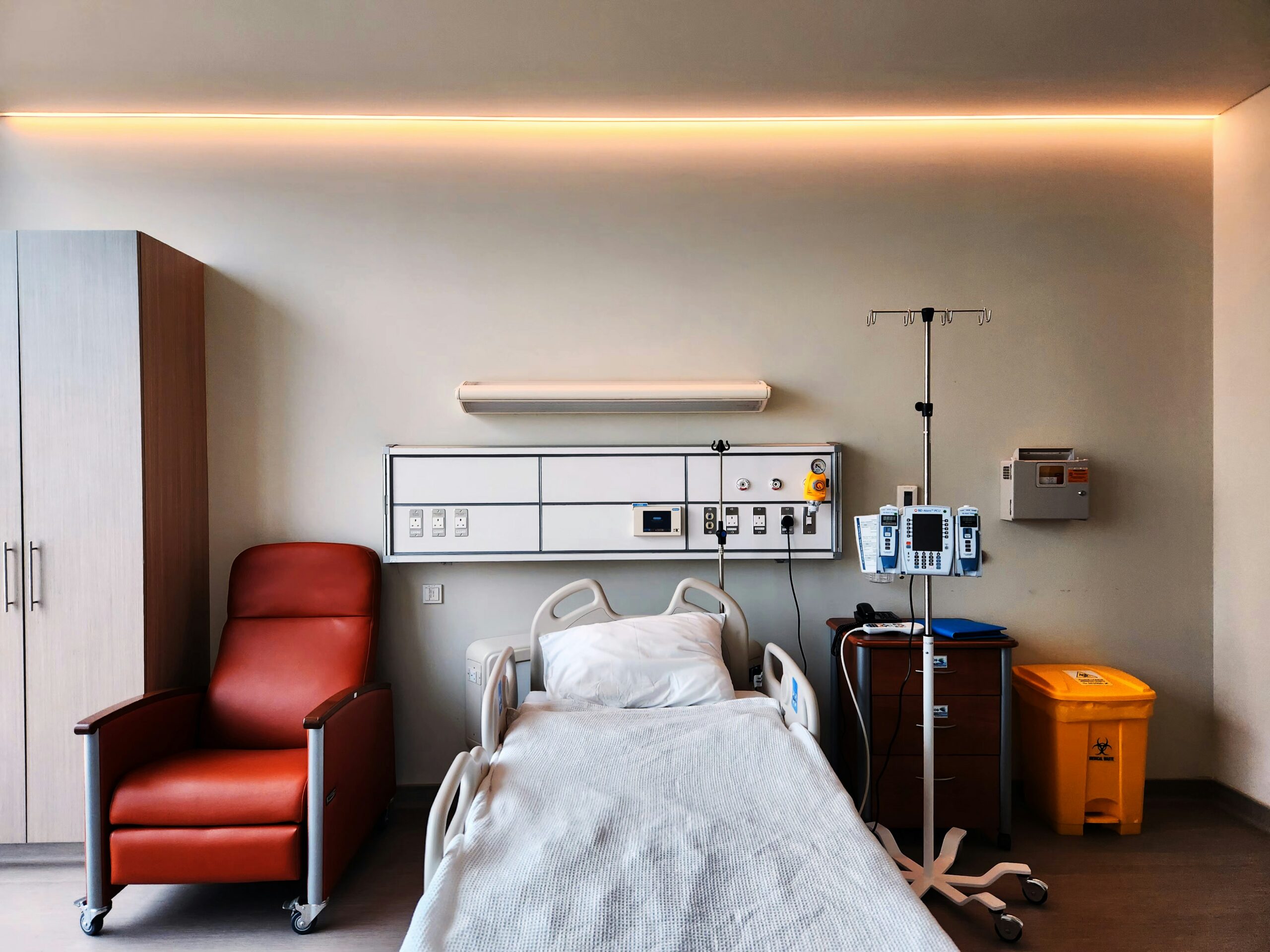
Recovery after endometriosis excision surgery varies from patient to patient. The timeline depends on the extent of disease, the organs involved, the type of procedure performed, prior surgeries, overall health, and whether complex areas such as the bowel, bladder, ureters, ovaries, pelvic sidewall, or nerves were treated.
Because excision surgery removes disease from tissue rather than only treating the surface, healing may take time. Patients should follow their surgeon’s postoperative instructions and avoid comparing their recovery too closely with someone else’s experience.
First Few Days After Surgery
During the first few days, patients may experience fatigue, bloating, incision soreness, pelvic cramping, shoulder discomfort from laparoscopic gas, light vaginal bleeding, or changes in bowel habits. These symptoms are common after minimally invasive pelvic surgery and usually improve gradually. Early recovery often focuses on:
- Pain control
- Hydration and nutrition
- Gentle walking
- Incision care
- Preventing constipation
- Rest and gradual movement
Patients should contact their care team if pain worsens, bleeding is heavy, fever develops, or they have trouble urinating, persistent vomiting, or concerning incision changes.
Returning to Light Activity
Many patients can return to light daily activities within 1–2 weeks, depending on the complexity of surgery and how they feel. Light activity may include walking around the house, preparing simple meals, working remotely for short periods, or doing basic self-care. Activity should increase gradually. Fatigue is common, and overdoing activity too soon can trigger pain flares or slow recovery.
Returning to Exercise, Intercourse, and Work
More strenuous activity usually requires more time. Patients may need several weeks before returning to heavy lifting, intense exercise, intercourse, or physically demanding work. Many patients are given a general 4–6 week recovery window, but clearance should come from the surgeon. Return to work depends on the type of job. Desk work may be possible sooner, while jobs involving lifting, prolonged standing, travel, or physical labor may require a longer recovery plan.
Longer Recovery After Complex Excision
Recovery may take longer when surgery involves deep infiltrating endometriosis, ovarian endometriomas, bowel or bladder disease, ureteral involvement, extensive adhesions, or nerve-related symptoms. In these cases, healing may include not only incision recovery but also bowel function, bladder comfort, pelvic floor function, mobility, and pain regulation.
Some patients benefit from pelvic floor physical therapy, pain management, hormonal therapy when appropriate, or closer follow-up after complex excision. The goal is steady healing, safe return to activity, and a long-term plan for symptom control.
What Are the Risks and Limitations of Excision Surgery?
Endometriosis excision surgery can be highly beneficial for selected patients, but it is still a surgical procedure and should be approached with realistic expectations. The goal is to remove visible endometriosis as thoroughly and safely as possible, but surgery cannot guarantee a cure, permanent pain relief, or improved fertility for every patient.
Risks and outcomes depend on the extent of disease, prior surgeries, overall health, surgical complexity, and whether endometriosis involves the bowel, bladder, ureters, ovaries, pelvic nerves, or other sensitive structures.
Possible Surgical Risks
Possible risks of endometriosis excision surgery may include:
- Bleeding
- Infection
- Anesthesia-related complications
- Blood clots
- Adhesion or scar tissue formation
- Temporary or persistent pain after surgery
- Injury to nearby organs, such as the bowel, bladder, ureters, blood vessels, ovaries, uterus, or fallopian tubes
- Need for additional procedures or specialist involvement in complex cases
These risks should be reviewed before surgery so patients understand the benefits, limitations, and possible complications of their individual treatment plan.
Why Surgery Does Not Guarantee a Cure
Endometriosis is a chronic condition. Even after careful excision, symptoms may persist or return over time. This can happen because of microscopic disease, new lesion development, ovarian endometrioma recurrence, adhesions, hormonal activity, inflammation, or overlapping pain conditions.
Some patients continue to have pain after surgery because the pain is not caused only by visible endometriosis. Pelvic floor dysfunction, adenomyosis, bladder pain syndrome, irritable bowel syndrome, nerve sensitivity, and musculoskeletal pain can also contribute to symptoms.
When Repeat Surgery May or May Not Be Appropriate
If symptoms return after excision surgery, repeat surgery is not always the first or best option. A careful evaluation can help determine whether symptoms are likely related to recurrent endometriosis, scar tissue, pelvic floor dysfunction, another pelvic pain condition, or a combination of factors.
Depending on the findings, treatment may include hormonal therapy, pelvic floor physical therapy, pain management, imaging, fertility evaluation, or multidisciplinary care. Repeat surgery may be considered in selected cases, especially when imaging or symptoms suggest recurrent deep disease, endometriomas, organ involvement, or symptoms that do not improve with other treatments.
What Are the Long-Term Outcomes and Recurrence Risks?
Long-term outcomes after endometriosis excision surgery vary from patient to patient. Many patients report meaningful improvement in pain, daily function, and quality of life, but endometriosis can recur, and some symptoms may persist because of other pelvic pain conditions.
A long-term care plan can help patients monitor symptoms, reduce recurrence risk when possible, and address pain early if it returns.
Why Endometriosis Can Return
Endometriosis may return after surgery for several reasons. In some cases, microscopic disease may remain even after visible lesions are removed. In others, new lesions may develop over time, or ovarian endometriomas may recur.
Recurrence risk may also be influenced by disease severity, hormone activity, prior surgeries, age, fertility plans, and whether postoperative medical therapy is appropriate. Deep infiltrating endometriosis or multi-organ disease may require closer long-term monitoring.
Postoperative Hormonal Therapy and Recurrence Risk
Hormonal therapy may be recommended after surgery for some patients to help reduce cyclic symptoms and lower the risk of symptom recurrence. Options may include combined hormonal contraceptives, progestin-only therapy, hormonal IUDs, or GnRH medications, depending on the patient’s symptoms, medical history, and goals.
Hormonal therapy is not right for everyone. Patients who are actively trying to conceive may choose to avoid suppression so they can pursue pregnancy. Others may not tolerate certain medications or may have medical reasons to avoid them. The decision should be individualized.
Follow-Up Monitoring After Surgery
Follow-up care helps track healing, symptoms, treatment response, and any signs that symptoms may be returning. Patients should contact their care team if they notice pelvic pain, painful periods, pain with sex, bowel or bladder symptoms, bloating, fatigue, leg pain, or new pain patterns after surgery.
Imaging may be recommended if symptoms return, if an ovarian endometrioma is suspected, or if there are concerns based on exam or history. Early evaluation can help determine whether symptoms are due to recurrent endometriosis, adhesions, pelvic floor dysfunction, adenomyosis, bladder pain syndrome, gastrointestinal conditions, or another cause.
How Personalized Care Improves Endometriosis Surgery Outcomes
Personalized care is essential because endometriosis does not look or behave the same way in every patient. Symptoms, disease location, fertility goals, prior surgeries, pain patterns, and recovery needs can all affect treatment planning and long-term outcomes.
A strong surgical plan should begin before the operating room. It should include a careful review of symptoms, imaging, medical history, prior procedures, and the patient’s goals for pain relief, fertility, activity, and quality of life.
Individualized Surgical Planning
Individualized surgical planning helps the surgeon decide which approach is most appropriate for the patient’s disease pattern. This may include reviewing pelvic pain symptoms, menstrual symptoms, bowel or bladder concerns, pain with sex, prior imaging, previous operative reports, and fertility goals.
For some patients, surgery may focus on removing superficial lesions. For others, treatment may involve ovarian endometriomas, deep infiltrating endometriosis, adhesions, bowel or bladder involvement, ureteral disease, or pelvic sidewall disease. Understanding the full picture helps guide safer and more effective care.
Multidisciplinary Coordination for Complex Disease
Complex endometriosis may require coordination with other specialists. If disease is suspected near the bowel, bladder, ureters, pelvic nerves, or reproductive organs, multidisciplinary planning can help reduce risk and support better recovery.
Depending on the patient’s needs, care may involve:
- Pelvic floor physical therapy
- Pain management
- Fertility specialists
- Gastroenterology or colorectal surgery
- Urology
- Radiology
- Mental health support
This approach helps address both visible endometriosis and related symptoms that may continue after surgery.
Dr. Rachael Haverland’s Approach to Complex Endometriosis
At the Endometriosis Center of Excellence, Dr. Rachael Haverland focuses on individualized evaluation, patient education, and advanced surgical planning for patients with suspected or confirmed endometriosis.
Her approach considers the full impact of the condition, including pelvic pain, bowel and bladder symptoms, painful periods, pain with sex, fertility goals, prior treatments, and quality of life. When surgery is appropriate, the goal is to remove visible disease carefully while protecting healthy tissue and supporting the patient’s long-term recovery.
Frequently Asked Questions
What is the success rate of endometriosis excision surgery?
There is no single success rate that applies to every patient. Many patients report meaningful improvement in pain, function, and quality of life after excision surgery, but outcomes depend on disease severity, lesion location, prior surgeries, surgeon experience, fertility goals, and whether other pain conditions are also present.
How long does pain relief last after excision surgery?
Pain relief can last months to years for some patients, while others may have persistent or returning symptoms sooner. Long-term results depend on the type of endometriosis treated, completeness of excision, postoperative care, hormonal therapy when appropriate, and whether overlapping conditions such as pelvic floor dysfunction, adenomyosis, bladder pain syndrome, or IBS are contributing to pain.
Can excision surgery improve fertility?
Excision surgery may support fertility goals in selected patients by removing lesions, releasing adhesions, treating endometriomas when appropriate, and improving pelvic anatomy. However, fertility outcomes vary. Age, ovarian reserve, fallopian tube health, sperm factors, disease severity, and whether assisted reproduction is needed all influence the chance of pregnancy.
Can endometriosis come back after excision surgery?
Yes. Endometriosis can come back after excision surgery. Recurrence may be related to microscopic disease, new lesion development, ovarian endometrioma recurrence, hormonal activity, disease severity, or prior surgeries. A long-term care plan may help reduce recurrence risk and identify returning symptoms early.
Is excision better than ablation?
Excision and ablation are different surgical techniques. Excision removes endometriosis lesions from the surrounding tissue, while ablation destroys tissue at the surface. Excision may be preferred for deep or complex disease because it can remove tissue below the surface and may allow pathology confirmation. The best approach depends on lesion type, disease location, symptoms, fertility goals, and surgeon expertise.
How long does recovery take after endometriosis excision surgery?
Many patients return to light activity within 1–2 weeks and gradually resume more normal activity over 4–6 weeks. Recovery may take longer after complex excision involving the ovaries, bowel, bladder, ureters, pelvic sidewall, nerves, or extensive adhesions. Patients should follow their surgeon’s specific postoperative instructions.
What if I still have pain after surgery?
Ongoing pain after surgery does not always mean endometriosis has returned. Pain may be related to healing, pelvic floor dysfunction, adhesions, adenomyosis, bladder pain syndrome, irritable bowel syndrome, nerve sensitivity, musculoskeletal pain, or central sensitization. A follow-up evaluation can help identify the cause and guide next steps.
Do I need hormonal therapy after excision surgery?
Some patients may benefit from hormonal therapy after surgery to reduce cyclic symptoms and lower the risk of symptom recurrence. Hormonal therapy is not right for everyone, especially patients who are actively trying to conceive or who cannot tolerate side effects. The decision should be based on symptoms, surgical findings, medical history, and fertility goals.
How do I know if I need a specialist for endometriosis surgery?
A specialist may be especially important if symptoms are severe, prior treatments have not helped, imaging suggests deep infiltrating endometriosis, or disease may involve the ovaries, bowel, bladder, ureters, pelvic sidewall, or nerves. Patients with repeat surgeries, fertility concerns, or complex pelvic pain may also benefit from evaluation by an experienced endometriosis surgeon.
Conclusion
If you are considering endometriosis excision surgery or want to better understand your expected outcomes, the Endometriosis Center of Excellence can help you evaluate your options.
Dr. Rachael Haverland reviews each patient’s symptoms, imaging, prior treatments, surgical history, fertility goals, and quality-of-life concerns to create a personalized treatment plan. Your consultation may include discussion of surgical options, recovery expectations, recurrence risk, fertility planning, and long-term symptom management.
Schedule a consultation with the Endometriosis Center of Excellence to learn whether excision surgery may be appropriate for your condition.