

Excision surgery is often considered one of the most effective treatment options for endometriosis, particularly when symptoms are persistent or more complex forms of the condition are involved. For many patients, the goal of surgery is to remove endometriosis tissue, relieve pain, and improve overall quality of life.
At the same time, deciding whether to move forward with surgery can feel like a significant step. Questions about risks, recovery, and long-term outcomes are common, and it is important to have clear, balanced information when considering this option.
Understanding both the potential benefits and the risks of excision surgery allows for more confident and informed decision-making. With careful planning, experienced surgical care, and appropriate follow-up, many patients achieve meaningful improvements in symptoms and daily function.
This guide outlines what to expect from excision surgery, including when it may be recommended, the risks involved, and how recovery is typically managed.
What Is Excision Surgery for Endometriosis?

Excision surgery is a minimally invasive procedure used to treat endometriosis by removing the abnormal tissue from the areas where it has developed. Unlike treatments that only suppress symptoms, excision aims to address the condition at its source by physically removing endometriosis lesions.
This approach is often performed using laparoscopy, which involves small incisions and specialized instruments that allow the surgeon to operate with precision. The goal is to remove as much of the disease as possible while preserving healthy surrounding tissue and maintaining normal organ function.
Understanding how excision works can help patients better evaluate whether it aligns with their treatment goals and expectations.
How Excision Surgery Works
During the procedure, a surgeon carefully identifies areas of endometriosis and removes them from affected tissues. This may involve delicate dissection around structures such as the ovaries, ligaments, bowel, or bladder, depending on the extent of the disease.
Because endometriosis can vary in depth and location, the complexity of surgery differs from one patient to another. In some cases, the procedure is relatively straightforward. In others, particularly when deeper structures are involved, a more advanced surgical approach may be required.
The focus throughout the procedure is on complete removal of visible disease while minimizing damage to surrounding healthy tissue.
Excision vs Ablation: Key Differences
Excision and ablation are two different surgical approaches used to treat endometriosis, and they differ in how they address the condition.
Excision involves cutting out endometriosis tissue entirely. This allows for removal of deeper lesions and provides a more definitive approach, particularly in complex cases.
Ablation, on the other hand, uses heat or energy to destroy the surface of the tissue without removing it. While this may be effective for superficial disease, it may not fully address deeper lesions and can be associated with a higher likelihood of symptom recurrence.
For patients with more advanced or deeply infiltrating endometriosis, excision is generally considered the more comprehensive option.
When Is Excision Surgery Recommended?

Excision surgery is not the first step for every patient with endometriosis. The decision to proceed with surgery is based on symptom severity, response to prior treatments, and how the condition is affecting daily life or fertility. A careful evaluation helps determine whether surgery is likely to provide meaningful benefit.
For many patients, surgery becomes a consideration when symptoms persist despite medical management or when the disease is suspected to involve deeper or more complex structures.
Persistent or Severe Symptoms
Surgery is often recommended when pain significantly affects quality of life and does not improve with medical therapy. This may include ongoing pelvic pain, severe menstrual pain, or discomfort that interferes with daily activities.
When symptoms remain uncontrolled despite appropriate treatment, excision surgery may offer a more definitive approach by removing the underlying source of pain.
Deep Infiltrating Endometriosis
In cases of deep infiltrating endometriosis, lesions extend into surrounding tissues and may involve organs such as the bowel or bladder. These forms of the condition are less likely to respond fully to medication alone.
Surgery in these cases is often aimed at removing deeper disease, restoring normal anatomy, and improving both function and symptom control. Because of the complexity, this type of surgery typically requires specialized expertise and careful planning.
Fertility Considerations
Excision surgery may also be considered when endometriosis is thought to be affecting fertility. By removing adhesions and disease that interfere with reproductive anatomy, surgery can improve the chances of conception in some patients.
However, this decision is individualized. Factors such as age, ovarian reserve, and overall reproductive goals are taken into account. In some cases, surgery is combined with or coordinated alongside fertility treatment to achieve the best outcome.
Benefits of Excision Surgery
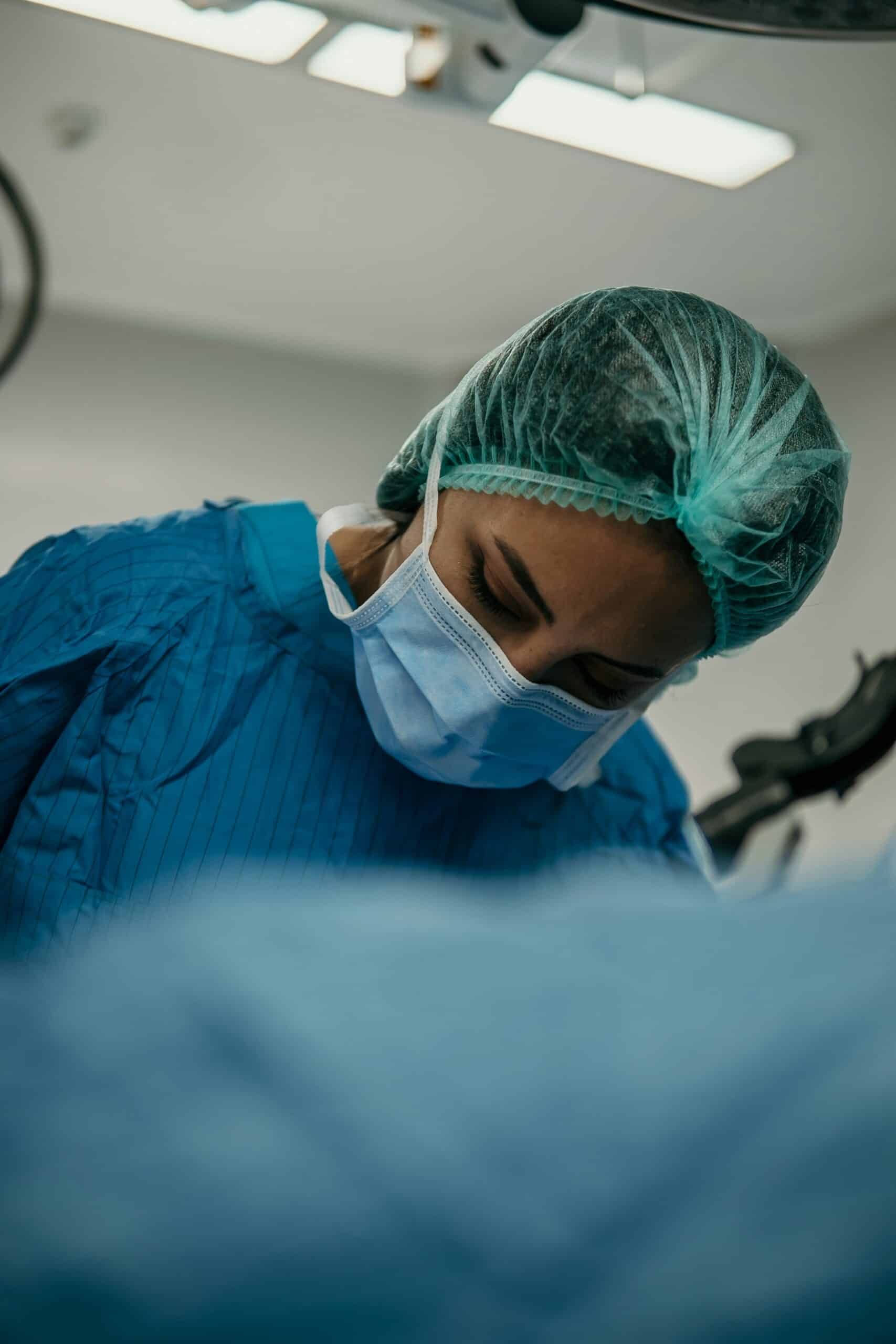
While it is important to understand the risks, excision surgery is often recommended because of the meaningful benefits it can provide when appropriately indicated. For many patients, it offers a more definitive approach to managing endometriosis, particularly in moderate to severe cases.
Pain Relief and Symptom Improvement
One of the primary goals of excision surgery is to reduce pain by removing the source of inflammation and irritation. Many patients experience significant improvement in symptoms such as chronic pelvic pain, painful periods, and discomfort during daily activities.
The degree of relief varies, but for those with persistent symptoms, surgery can offer a level of improvement that may not be achieved with medical therapy alone.
Restoration of Pelvic Anatomy
Endometriosis can distort pelvic structures through adhesions and scar tissue. Excision surgery aims to restore normal anatomy by carefully removing these adhesions and freeing affected organs.
This can improve how organs function and interact, which is particularly important in cases where the bowel, bladder, or reproductive organs are involved.
Potential Fertility Benefits
For some patients, excision surgery may improve fertility by removing disease that interferes with reproductive function. This can include clearing adhesions or restoring access to the ovaries.
However, outcomes vary depending on individual factors. Fertility planning is often coordinated with specialists to determine the most appropriate approach following surgery.
Risks and Complications of Excision Surgery
As with any surgical procedure, excision surgery carries certain risks. Understanding these risks helps patients make informed decisions and prepare for the procedure with realistic expectations. You may also find Informed Choices: Understanding Endometriosis Surgery Risks helpful.
Common Surgical Risks
The most common risks are those associated with many surgical procedures. Infection can occur after surgery, typically presenting as redness, swelling, or fever. Most infections are treatable, especially when identified early.
Bleeding is another potential complication, either during the procedure or shortly afterward. Surgeons take precautions to minimize this risk, but monitoring after surgery remains important.
Reactions to anesthesia, such as nausea or dizziness, can also occur. These are usually temporary and managed during recovery.
Risks in Complex Cases
In more advanced cases, particularly when deep infiltrating endometriosis is present, the risk profile may be higher due to the involvement of surrounding organs. Surgery involving the bowel may require more advanced techniques and carries a risk of complications related to digestive function. Similarly, when the bladder or ureters are involved, careful surgical planning is required to protect urinary function. These risks are not common in all cases but are important to consider when the disease is more extensive. Read more in Assess Your Endometriosis: When to Consider Advanced Surgery.
Factors That Influence Risk
The likelihood of complications is influenced by several factors. The experience and skill of the surgeon play a significant role. Surgeons with specialized training in endometriosis excision are better equipped to manage complex anatomy and reduce complications. The extent of disease also matters. More widespread or deeply infiltrating endometriosis typically requires more complex surgery. Patient-related factors, such as overall health, pre-existing conditions, and lifestyle factors, can also affect recovery and outcomes.
What to Expect During Recovery

Recovery after excision surgery varies depending on the extent of the procedure, but most patients follow a gradual and structured healing process.
Immediate Postoperative Phase
In the first few days after surgery, the focus is on pain control, rest, and early mobilization. Patients may stay in the hospital briefly for monitoring, especially after more complex procedures.
Support at home is often helpful during this phase, as energy levels may be low.
Early Recovery (First 6 Weeks)
During the early recovery period, patients gradually return to light activities. Pain typically improves over time, although some discomfort may persist.
Heavy lifting and strenuous activity are usually avoided, while gentle movement such as walking is encouraged to support healing.
Follow-up appointments are scheduled to monitor progress and address any concerns.
Long-Term Recovery and Follow-Up
Full recovery may take several weeks to a few months, depending on the individual and the complexity of surgery. Long-term follow-up focuses on symptom improvement, monitoring for recurrence, and planning any additional care if needed. Some patients may continue with medical therapy or supportive treatments to maintain results. With proper care and follow-up, many patients experience sustained improvements in symptoms and overall quality of life.
Long-Term Outcomes After Excision Surgery
Understanding long-term outcomes helps set realistic expectations and supports more informed decision-making. While excision surgery can offer significant benefits, results vary depending on individual factors such as disease severity, surgical completeness, and follow-up care. For more detail, see our article What Outpatient Excision Surgery Involves.
A clear postoperative plan and ongoing monitoring play an important role in maintaining results over time.
Pain Relief and Quality of Life
Many patients experience a meaningful reduction in pain following excision surgery. Improvements are often seen in daily functioning, mobility, and the ability to engage in routine activities without discomfort. We cover this further in Why Excision Surgery is the Gold Standard for Endometriosis.
For some, this leads to a substantial improvement in overall quality of life. However, outcomes are not identical for everyone. A small number of patients may continue to experience symptoms that require additional management.
Recurrence and Ongoing Management
Endometriosis can recur after surgery, although excision is associated with lower recurrence rates compared to less definitive approaches.
Ongoing management may include periodic follow-up, symptom monitoring, and in some cases, medical therapy to help maintain results. Early identification of recurring symptoms allows for timely intervention and better long-term control.
Fertility Outcomes
Excision surgery can improve fertility for some patients by restoring pelvic anatomy and removing disease that interferes with reproductive function. We cover this further in Can Excision Surgery Improve Your Fertility.
The extent of benefit depends on factors such as age, ovarian reserve, and the severity of endometriosis. In certain cases, fertility treatment may still be recommended after surgery.
Coordinated care between surgical and fertility specialists helps ensure that reproductive goals are supported alongside symptom management.
Alternatives to Excision Surgery

Excision surgery is not the only option for managing endometriosis. Depending on symptom severity, disease extent, and individual goals, non-surgical approaches may be appropriate either as a first step or as part of an ongoing treatment plan.
Understanding these alternatives helps patients make more balanced decisions and choose an approach that aligns with their needs.
Hormonal Therapy
Hormonal treatments are commonly used to manage endometriosis symptoms. These therapies work by suppressing the hormonal activity that stimulates endometrial-like tissue, helping to reduce inflammation and pain.
Options may include oral contraceptives, progestins, or other hormone-modulating medications. While these treatments can be effective for symptom control, they do not remove existing endometriosis tissue.
Hormonal therapy is often suitable for patients who are not planning pregnancy in the near future or who prefer a non-surgical approach initially.
Pain Management Approaches
Pain management strategies can help improve quality of life, particularly for patients with chronic symptoms.
Medications such as anti-inflammatory drugs or other pain-modulating therapies may be used to control discomfort. In some cases, additional approaches such as nerve-targeted treatments or structured pain management programs may be recommended.
While these methods can reduce symptoms, they are typically focused on managing pain rather than addressing the underlying condition.
When Non-Surgical Options Are Appropriate
Non-surgical approaches may be appropriate in several situations, including when symptoms are mild, when the disease is not deeply infiltrating, or when surgery carries higher risks due to individual health factors.
They may also be used as part of a broader plan, either before surgery to stabilize symptoms or after surgery to help maintain results.
The choice between surgical and non-surgical treatment is not always fixed. Many patients move between different approaches over time, depending on how their condition evolves and what their priorities are at each stage.
Is Excision Surgery Right for You?
Deciding whether to proceed with excision surgery is a highly individual choice. It depends on your symptoms, how the condition is affecting your daily life, and your long-term health and fertility goals. Rather than a single decision point, this is often part of a broader care plan that evolves over time.
A clear understanding of your condition, combined with guidance from an experienced specialist, can help determine whether surgery is the most appropriate next step.
Who Is a Good Candidate
Excision surgery is often considered for patients who have persistent or severe symptoms that do not improve with medical treatment. It may also be recommended when imaging or prior evaluation suggests deeper or more complex disease.
Patients with deep infiltrating endometriosis, involvement of surrounding organs, or significant impact on quality of life are more likely to benefit from a surgical approach. In some cases, those with fertility concerns may also consider surgery as part of a coordinated plan.
However, not all patients require surgery. For some, symptoms can be managed effectively with non-surgical treatments, and careful monitoring may be sufficient.
Questions to Ask Your Surgeon
Before making a decision, it is important to have a detailed discussion with your surgeon. Asking the right questions can help clarify expectations and ensure that you feel confident in your care plan.
Some helpful questions include:
- What is the extent of my condition based on current evaluation?
- What benefits can I realistically expect from surgery?
- What are the specific risks in my case?
- How will surgery affect my fertility, if relevant?
- What will recovery look like for me?
- Will other specialists be involved in my care?
These discussions support informed decision-making and help align treatment with your personal goals and priorities.
The Importance of Specialist Care
Excision surgery for endometriosis, particularly in complex cases, requires a high level of expertise and coordination. Choosing the right care team can significantly influence both safety and long-term outcomes. Specialized centers are equipped to manage the full spectrum of the condition, from diagnosis through treatment and recovery.
Multidisciplinary Approach
A multidisciplinary approach brings together specialists from different fields to address all aspects of the condition. This may include gynecologic surgeons, colorectal specialists, urologists, and fertility experts, depending on the extent of disease.
Collaboration between these teams ensures that surgery is carefully planned and that all affected areas are managed appropriately.
Role of Surgical Expertise
Surgical experience plays a critical role in the success of excision procedures. Surgeons with advanced training in minimally invasive and complex endometriosis surgery are better equipped to remove disease thoroughly while preserving healthy tissue.
This level of expertise helps reduce complications, improve symptom outcomes, and support better long-term results.
Frequently Asked Questions
What are the most common risks of excision surgery for endometriosis?
The most common risks include infection, bleeding, and reactions to anesthesia. In more complex cases, particularly when other organs are involved, there may be additional risks that your surgeon will discuss in detail before the procedure.
How long does it take to recover from excision surgery?
Recovery varies depending on the extent of the surgery. Many patients resume light activities within a few days and return to normal routines within a few weeks. More complex procedures may require a longer recovery period.
Can excision surgery completely cure endometriosis?
Excision surgery can significantly reduce symptoms and remove visible disease, but it is not considered a guaranteed cure. Some patients may experience recurrence over time and may require additional management.
Will I need additional treatment after surgery?
Some patients may benefit from ongoing medical therapy or supportive treatments after surgery to help maintain results and manage symptoms. This depends on individual factors and treatment goals.
Is excision surgery safe for fertility?
In many cases, excision surgery can improve fertility by restoring pelvic anatomy. However, the impact varies depending on the individual, and potential risks should be discussed with both surgical and fertility specialists.
What are the signs of complications after surgery?
Signs to watch for include increasing pain, fever, unusual wound drainage, heavy bleeding, or difficulty with bowel or bladder function. Promptly reporting these symptoms allows for early evaluation and treatment.
Can symptoms return after successful surgery?
Yes, recurrence is possible. Regular follow-up and a long-term care plan help manage symptoms and address any recurrence early.
How can I prepare for excision surgery?
Preparation may include following preoperative instructions, managing existing health conditions, arranging support during recovery, and discussing any concerns with your care team. Being well prepared can improve both safety and recovery.
Conclusion
Excision surgery is a well-established option for managing endometriosis, particularly in cases where symptoms are persistent or more complex. While it offers the potential for significant relief and improved quality of life, it is important to approach the decision with a clear understanding of both the benefits and the risks.
Each patient’s situation is unique, and the most effective treatment plans are those that are carefully tailored to individual needs and goals. With the support of an experienced, multidisciplinary care team, patients can move forward with greater clarity and confidence.
If you are considering excision surgery or exploring your options, a specialist consultation can help you better understand your condition and determine the most appropriate next steps.