

Endometriosis can begin during the teenage years and often presents with symptoms that resemble common menstrual discomfort. Severe period pain, pelvic pain between cycles, digestive symptoms during menstruation, and persistent fatigue are frequently reported by adolescents with the condition. These symptoms may gradually worsen and begin to interfere with school attendance, physical activities, and daily routines.
Recognizing the early signs of endometriosis in teens helps families identify when symptoms require medical attention. This guide explains the common symptoms and pain patterns associated with adolescent endometriosis and outlines when teenagers or parents should seek professional evaluation.
What Are the Earliest Symptoms of Endometriosis in Teenagers?

Endometriosis symptoms often begin soon after a teenager starts menstruating. Many adolescents initially assume that severe pain or heavy periods are typical menstrual experiences. Persistent or worsening symptoms can indicate an underlying condition that requires medical attention. Recognizing these early signs helps families identify when menstrual symptoms fall outside expected patterns.
What Does Severe Period Pain From Endometriosis Feel Like?
Severe period pain is one of the most common early symptoms of endometriosis in teenagers. The pain often begins before menstruation starts and continues throughout the menstrual cycle. Teenagers may describe intense cramping in the lower abdomen or pelvis that interferes with school, sports, or normal activities. Pain may also increase in intensity with each menstrual cycle.
Can Pelvic Pain Occur Outside the Menstrual Cycle?
Many teenagers with endometriosis experience pelvic pain that occurs between periods. This pain may feel like a constant ache, pressure in the lower abdomen, or intermittent sharp discomfort. Ongoing pelvic pain can affect concentration, sleep, and participation in physical activities.
Do Heavy or Irregular Periods Signal a Problem?
Changes in menstrual flow can also signal possible endometriosis. Some teenagers experience unusually heavy bleeding or periods that last longer than expected. Others may notice irregular cycles or spotting between periods. These patterns, especially when combined with severe pain, can indicate that further medical evaluation is needed.
What Pelvic Pain Patterns Suggest Possible Endometriosis?
The timing and progression of pelvic pain often provide important clues about endometriosis. Tracking when pain occurs and how it affects daily life helps families recognize patterns that differ from typical menstrual discomfort.
Does Pain Start Before a Period Begins?
Pelvic pain related to endometriosis often begins several days before menstruation starts. The discomfort may intensify as the menstrual cycle progresses and continue throughout the period. This pattern differs from common menstrual cramps that typically begin once bleeding starts.
Does Pain Get Worse Over Time?
Pain that gradually increases in severity over several menstrual cycles can indicate endometriosis. Teenagers may notice that cramps become stronger each month or last longer than before. Progressive pain patterns deserve careful attention because they often signal ongoing pelvic inflammation.
Does Pain Interfere With Daily Activities?
Pelvic pain that disrupts daily routines often suggests that symptoms require medical evaluation. Teenagers may miss school, withdraw from sports or social activities, or struggle to focus because of ongoing discomfort. Pain that limits normal participation in everyday life should not be dismissed as typical menstrual cramps.
What Other Symptoms Can Occur With Teen Endometriosis?

Endometriosis symptoms in teenagers extend beyond pelvic pain and menstrual discomfort. Many adolescents experience physical and functional symptoms that appear during their menstrual cycle or persist between cycles. Recognizing these patterns helps families understand when symptoms may be linked to an underlying pelvic condition.
Why Do Digestive Symptoms Appear During Periods?
Digestive symptoms often accompany endometriosis during menstruation. Teenagers may experience abdominal bloating, nausea, constipation, or diarrhea that occurs around the time of their period. These symptoms can develop when inflammation in the pelvic region affects nearby digestive structures. Repeated digestive issues during menstruation may signal the need for medical evaluation.
Why Do Some Teens Experience Persistent Fatigue?
Fatigue is commonly reported by adolescents with endometriosis. Ongoing inflammation and chronic pain can place significant strain on the body and lead to persistent tiredness. Teenagers may feel physically drained even after adequate rest and may struggle to maintain their usual level of activity during school or extracurricular events.
How Can Endometriosis Affect Mood and Social Life?
Living with recurring pain and fatigue can affect emotional wellbeing and daily routines. Teenagers may experience irritability, frustration, or low mood when symptoms interfere with school attendance or social participation. Some adolescents reduce their involvement in activities they previously enjoyed because of pain or exhaustion. Recognizing these changes helps families understand how chronic symptoms can influence both physical and emotional health.
Adolescent Endometriosis: Diagnostic Challenges & Care
This commentary examines diagnostic challenges, evaluates current and emerging invasive diagnostics, and multidisciplinary care — and explores global disparities in adolescent care.
Re-evaluating Endometriosis Management in Adolescents: Clinical Challenges and Emerging Strategies, 2025
How Can Teens Track Symptoms That May Indicate Endometriosis?
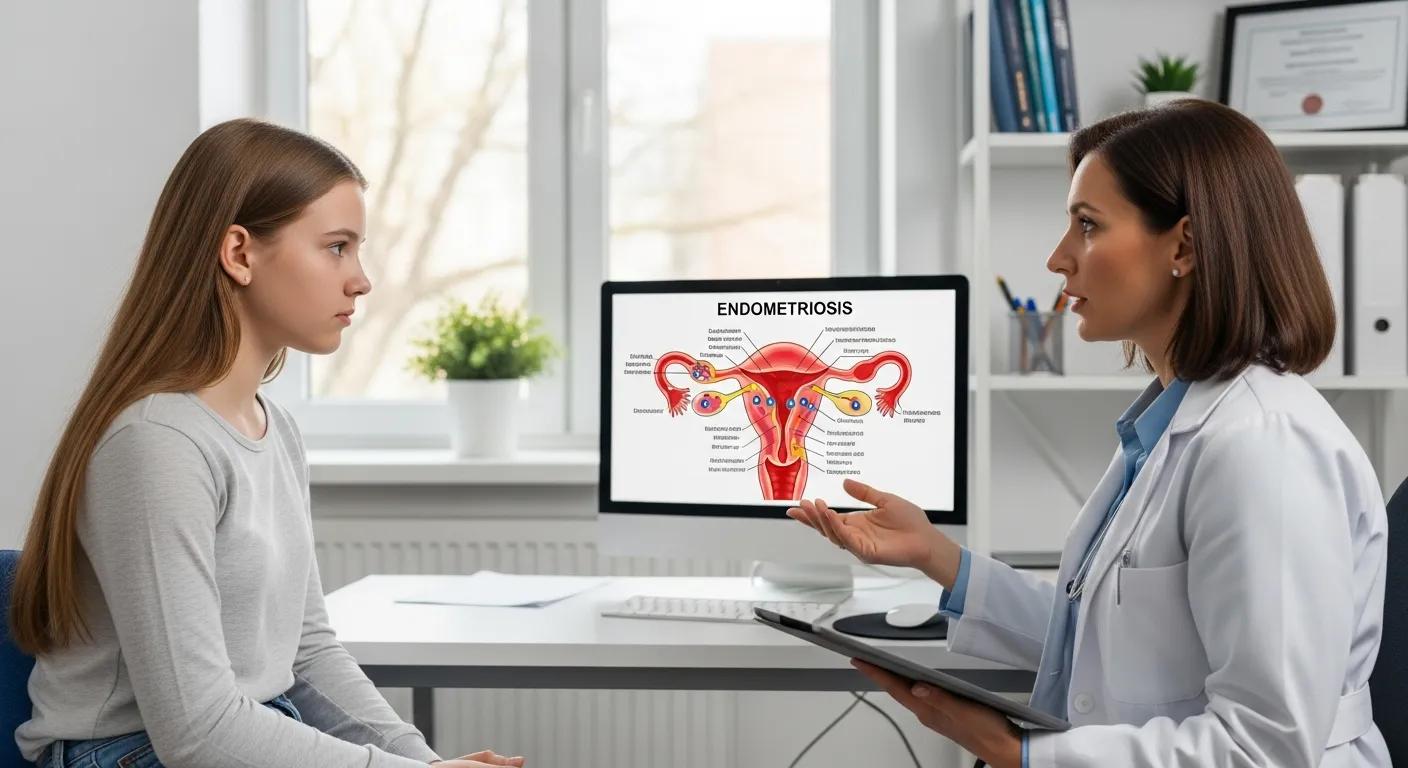
Tracking symptoms over time provides valuable information about how pain and other symptoms relate to the menstrual cycle. Keeping a clear record helps teenagers identify patterns and allows clinicians to better understand the timing and severity of symptoms during medical consultations.
Why Is Tracking Menstrual Cycles Helpful?
Monitoring the menstrual cycle helps reveal whether symptoms occur before, during, or after menstruation. This information helps clinicians recognize patterns that may indicate endometriosis. Tracking cycles also allows teenagers to notice whether symptoms change or intensify over time. We cover this further in Endometriosis: Symptoms, Causes, and Treatment.
What Symptoms Should Be Recorded?
A symptom record can include the timing and severity of pelvic pain, the presence of digestive symptoms during menstruation, levels of fatigue, and changes in mood or activity levels. Recording when symptoms appear and how long they last provides a more complete picture of how the condition affects daily life. You may also find Probiotics in Managing Endometriosis Symptoms helpful.
How Can Symptom Tracking Help Medical Visits?
Detailed symptom records support clearer communication with healthcare professionals. When teenagers describe specific patterns of pain and other symptoms, clinicians can evaluate the information more accurately and determine whether further medical assessment is needed. Symptom tracking also helps families monitor whether symptoms change or improve over time.
When Should Teens or Parents Seek Medical Advice?
Menstrual symptoms vary widely during adolescence, yet certain patterns indicate the need for medical evaluation. Persistent or worsening symptoms that interfere with normal routines deserve careful attention. Early discussion with a healthcare professional allows families to determine whether symptoms reflect typical menstrual changes or a condition such as endometriosis.
When Does Period Pain Require Medical Attention?
Menstrual cramps that prevent a teenager from attending school, participating in sports, or completing daily activities should be evaluated. Pain that begins several days before menstruation or continues long after the period ends can also signal the need for medical review. Symptoms that remain severe despite common pain medications often require further assessment.
When Do Symptoms Begin Affecting Daily Life?
Pelvic pain and fatigue that interfere with school performance, sleep, or social participation warrant medical attention. Teenagers who frequently miss school because of menstrual pain or withdraw from activities they previously enjoyed may be experiencing symptoms that require evaluation. We cover this further in Uncommon Symptoms of Endometriosis That Require Attention.
When Should a Teen See an Endometriosis Specialist?
Specialist care may be helpful when symptoms remain persistent or progressively worsen over time. Teenagers with ongoing pelvic pain, heavy periods, or recurring digestive symptoms during menstruation may benefit from evaluation by a clinician experienced in endometriosis care. Specialists at centers such as the Endo Excellence Center focus on identifying symptom patterns and guiding appropriate next steps for adolescents experiencing possible endometriosis.
Why Does Early Recognition of Endometriosis Symptoms Matter?
Recognizing the early symptoms of endometriosis helps families respond before the condition begins to affect multiple aspects of a teenager’s health. Awareness of symptom patterns allows earlier medical discussions and supports more effective symptom management.
How Can Early Attention Reduce Long Term Pain?
Persistent pelvic inflammation can contribute to ongoing pain over time. Identifying symptoms early allows clinicians to evaluate the condition and recommend strategies that address pain before it becomes more difficult to manage.
How Does Early Care Support School and Daily Activities?
Adolescence is a period of rapid physical and social development. Early attention to recurring menstrual pain helps teenagers maintain consistent school attendance, participate in activities, and sustain healthy routines without repeated disruption from symptoms.
How Can Early Care Support Reproductive Health?
Endometriosis can affect reproductive organs over time if symptoms remain unrecognized. Early medical guidance allows clinicians to monitor symptoms, provide appropriate care, and support long term reproductive health as teenagers move into adulthood.
Frequently Asked Questions
Is severe period pain normal for teenagers?
Mild menstrual cramps are common during adolescence, especially in the first few years after menstruation begins. Severe pain that prevents a teenager from attending school, participating in activities, or sleeping comfortably should be evaluated. Pain that worsens over time or does not improve with common pain medications may indicate an underlying condition such as endometriosis. For more detail, see our article The First Sign of Endometriosis.
Can endometriosis start during the teenage years?
Endometriosis often begins during adolescence. Many individuals report symptoms developing soon after their first menstrual cycles. Early symptoms may include severe period pain, pelvic pain between cycles, digestive discomfort during menstruation, and persistent fatigue.
What symptoms should parents monitor?
Parents should pay attention to patterns such as severe menstrual pain, heavy periods, pelvic pain outside menstruation, and recurring digestive symptoms during periods. Fatigue, mood changes, and frequent school absences related to menstrual symptoms can also signal the need for medical evaluation.
Do digestive symptoms occur with endometriosis?
Digestive symptoms can occur in teenagers with endometriosis, particularly during menstruation. Bloating, nausea, constipation, or diarrhea that appear regularly during periods may accompany pelvic pain. Recording these symptoms helps clinicians evaluate possible connections with the menstrual cycle.
How can teens describe symptoms to their doctor?
Teenagers can help clinicians understand their symptoms by describing when pain begins, how long it lasts, and how it affects daily activities. Tracking menstrual cycles, pain levels, digestive symptoms, and fatigue provides useful information during medical visits.
Conclusion
Endometriosis symptoms can appear during the teenage years and may include severe period pain, pelvic discomfort between cycles, digestive symptoms during menstruation, and persistent fatigue. These symptoms often develop gradually and may begin to interfere with school attendance, activities, and daily routines.
Recognizing these patterns allows teenagers and families to seek medical guidance when symptoms persist or worsen over time. Early attention to menstrual and pelvic symptoms helps ensure that adolescents receive appropriate evaluation and support for their long term health and wellbeing. To discuss your situation with a specialist, schedule an appointment at our center.