
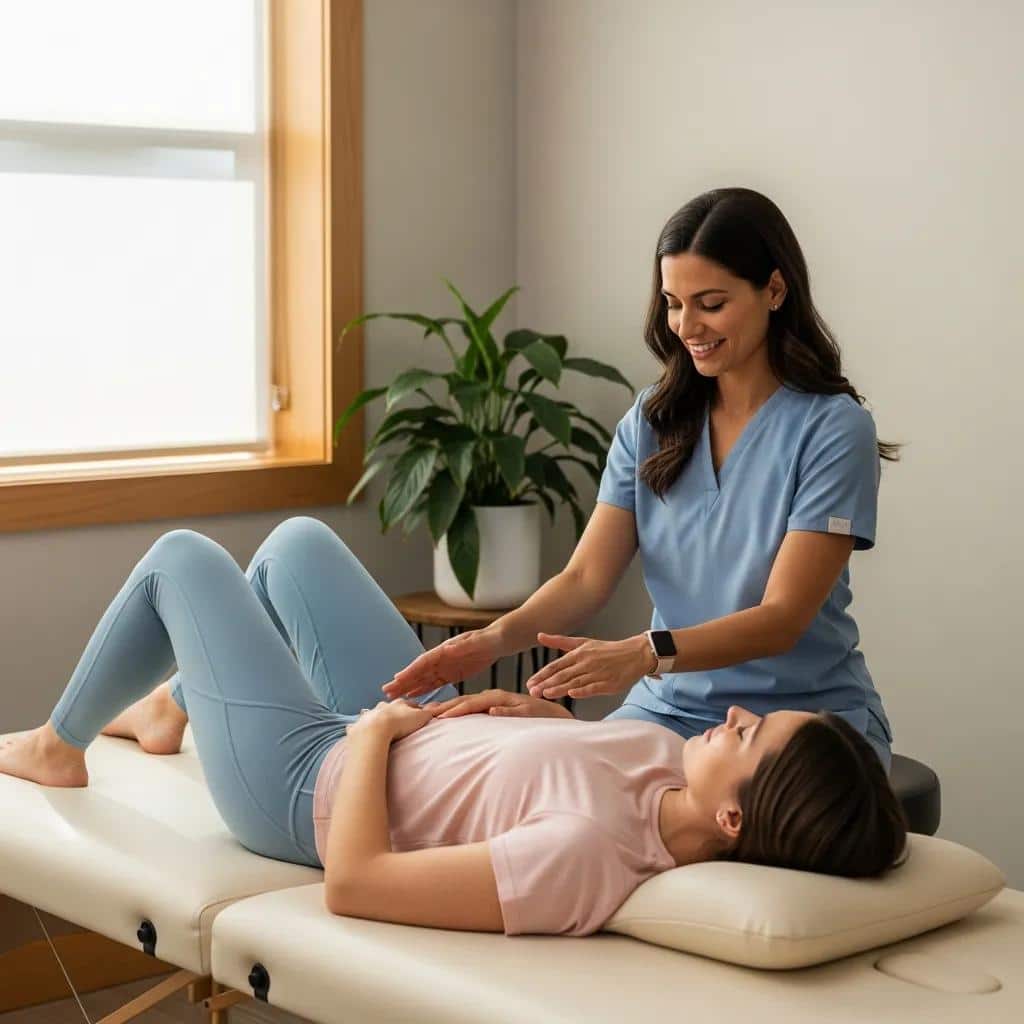
Endometriosis is a chronic condition that often causes significant pelvic pain. As part of holistic approaches to endometriosis care, targeted physical therapy can play an important role in symptom management. This article explains what therapy addresses, common techniques used, expected benefits, and how it fits into care before and after surgery. Understanding the role of physical therapy in managing endometriosis empowers patients to take an active role in their recovery and improve their quality of life through tailored interventions.
What Is Endometriosis and How Does It Cause Pelvic Pain?

Endometriosis occurs when tissue like the uterine lining grows outside the uterus, provoking inflammation, pain, and scar formation. Flare-ups are commonly worse during periods, sexual activity, or bowel movements as inflammation and adhesions irritate nearby nerves and organs. The chronic nature of this condition means that pain can be persistent and debilitating, often affecting daily activities and emotional well-being. Understanding the underlying mechanisms of pain helps in developing effective treatment strategies that address both physical and functional impairments.
How Do Pelvic Floor Muscles Contribute to Endometriosis Pain?
The pelvic floor supports pelvic organs and controls bladder and bowel function. When these muscles are tight, weak, or poorly coordinated they can amplify pelvic pain, causing symptoms such as pain with intercourse, constipation, or persistent aching. Focused pelvic physical therapy targets these dysfunctions to reduce pain and improve function. Pelvic floor dysfunction can also lead to muscle spasms and trigger points that exacerbate discomfort, making it essential to assess and treat these muscles as part of a comprehensive care plan. Strengthening and relaxing the pelvic floor muscles can restore balance and reduce the cycle of pain and muscle guarding.
What Is Referred Pain and Muscle Guarding in Endometriosis?
Referred pain means the felt pain site differs from the source; endometriosis inflammation can radiate to the lower back, hips, or thighs. Muscle guarding prolonged tightening to protect a painful area increases stiffness and pain. Identifying referred pain and guarding guides more effective treatment. These phenomena complicate diagnosis and management because the pain may not be localized to the pelvic region alone. Therapists use specialized assessment techniques to differentiate between primary pain sources and secondary muscle responses, allowing for targeted interventions that address both symptoms and underlying causes.
How Does Physical Therapy Provide Relief for Endometriosis Pain?

Physical therapy addresses muscles, joints, and movement patterns while teaching pain-management strategies. Hands-on treatment, pelvic-floor exercises, posture and movement education, and breathing techniques combine to reduce pain and restore function. Therapists work closely with patients to develop individualized plans that consider the severity of symptoms, lifestyle factors, and personal goals. This holistic approach not only targets physical symptoms but also empowers patients with tools to manage pain independently and improve overall well-being.
For specialized care, the Endometriosis Center of Excellence, led by Dr. Rachael Haverland, provides individualized, multidisciplinary treatment plans to support recovery. Their team integrates physical therapy with medical and surgical options, ensuring comprehensive support throughout the treatment journey.
Which Physical Therapy Techniques Reduce Muscle Spasms and Tension?
Evidence-informed approaches that ease spasms and pelvic tension include:
- Manual Therapy: Hands-on techniques to soften tight tissues and improve joint mobility, reducing pain and improving movement. These techniques can include gentle stretching, mobilization, and manipulation tailored to the patient’s tolerance and needs.
- Myofascial Release: Gentle pressure and stretching of fascia to ease restrictions and decrease discomfort. This method targets the connective tissue surrounding muscles, helping to release chronic tension and improve circulation.
- Trigger Point Therapy: Direct treatment of localized muscle knots to reduce local and referred pain and restore function. By applying pressure to specific points, therapists can deactivate painful areas and promote muscle relaxation.
These techniques relax the pelvic floor and support pelvic health when combined with a tailored exercise plan. Consistent therapy sessions help maintain muscle balance and prevent recurrence of symptoms.
How Can Physical Therapy Alleviate Endo Belly and Abdominal Bloating?
Physical therapy helps with gastrointestinal symptoms such as “endo belly” using practical techniques: We cover this further in Effective Approaches Using Stem Cell Therapy for Endometriosis.
- Abdominal Massage: Directed massage to support bowel movement and ease bloating. This technique stimulates the digestive system and can relieve discomfort caused by slowed motility.
- Breathing Exercises: Diaphragmatic breathing to reduce abdominal tension and aid digestion. Proper breathing patterns help relax the abdominal muscles and improve oxygen flow, which can reduce pain and bloating.
- Pelvic Floor Exercises: Improve coordination and support for the abdomen and pelvic organs. Strengthening these muscles can enhance organ function and reduce pressure that contributes to bloating.
When combined with dietary or medical guidance as needed, these strategies often reduce bloating and discomfort. Patients are encouraged to monitor their symptoms and communicate with their healthcare team to optimize treatment outcomes.
What Are the Key Physical Therapy Exercises and Manual Therapies for Endometriosis?

Typical therapy plans mix active exercises and manual techniques to reduce pain, increase flexibility, and rebuild strength. Interventions are personalized to each person’s symptoms and goals. The combination of active and passive treatments ensures a comprehensive approach that addresses both symptom relief and functional improvement. Therapists also emphasize education on body mechanics and self-care to support long-term management.
Which Pelvic Floor Exercises Help Manage Endometriosis Pain?
Key pelvic-floor exercises include:
- Kegel Exercises: When performed with proper timing and relaxation, they strengthen and support pelvic organs. Learning to contract and relax these muscles correctly is crucial to avoid increasing tension or pain.
- Bridge Pose: Activates glutes and pelvic-floor muscles to improve stability and reduce tension. This exercise also enhances core strength and promotes better posture.
- Child’s Pose: A restorative stretch that eases pelvic and lower-back tightness. It encourages relaxation and gentle elongation of muscles affected by endometriosis.
With consistent practice and guidance, these movements help restore control and reduce pain. Patients often report improved comfort during daily activities and enhanced awareness of their pelvic region. You may also find Endometriosis Pain: Incomplete Removal vs. True Recurrence helpful.
How Does Manual Therapy Target Adhesions and Trigger Points?
Manual therapies address adhesions and trigger points that limit mobility and cause pain. Common techniques include:
- Deep Tissue Massage: Releases deeper muscle layers and connective tissue to ease chronic tension. This approach can improve blood flow and reduce inflammation in affected areas.
- Scar Tissue Mobilization: Gentle work to improve mobility where adhesions or scars limit movement. This technique helps break down fibrous tissue and restore flexibility.
- Soft Tissue Mobilization: Controlled techniques to improve circulation and decrease localized pain. It supports tissue healing and reduces muscle stiffness.
Used with active exercises, these therapies can improve range of motion and reduce discomfort for many patients. Regular sessions can prevent the formation of new adhesions and maintain tissue health. You may also find Promoting Health Equity in Endometriosis Care helpful.
How Is Physical Therapy Integrated Before and After Endometriosis Surgery?

Including physical therapy in pre- and post-operative care can improve outcomes and speed recovery. Pre-op work readies the body and mind; post-op therapy supports healing, mobility, and symptom control. This integrated approach helps patients regain function more quickly and reduces the risk of complications such as scar tissue buildup or chronic pain. We cover this further in Technologies Altering the Landscape of Endometriosis Care.
What Is the Role of Pre-Operative Physical Therapy in Endometriosis Care?
Pre-operative therapy aims to optimize strength, mobility, and coping before surgery. Benefits often include lower anxiety, clearer recovery expectations, and improved physical readiness that can ease the surgical experience and support faster recovery. Therapists may teach breathing techniques, relaxation methods, and gentle exercises to prepare the body for surgery and reduce post-operative stiffness.
How Does Post-Operative Physical Therapy Support Recovery and Manage Symptoms?
After surgery, therapy helps restore function and manage symptoms. Typical post-op benefits are:
- Pain Management: Safe techniques to reduce post-surgical discomfort and support healing. These may include gentle manual therapy, positioning advice, and pain-relief exercises.
- Restoration of Function: Progressive exercises to rebuild strength, flexibility, and mobility. Gradual increases in activity help prevent deconditioning and promote tissue repair.
- Education: Guidance on activity pacing, posture, and movement to protect recovery. Patients learn how to avoid strain and recognize signs of complications.
This coordinated approach helps people return to daily life with less pain and better function. Ongoing communication between the surgical team and physical therapists ensures that care is adapted to each patient’s progress and needs.
Physical therapy is a key part of endometriosis care. Combining hands-on treatment, individualized exercise, and education often brings meaningful pain relief and improved quality of life. The Endometriosis Center of Excellence offers tailored plans and support across recovery stages, ensuring that patients receive comprehensive care that addresses both physical and emotional challenges associated with endometriosis.
Frequently Asked Questions
What are the long-term benefits of physical therapy for endometriosis?
Long-term benefits include stronger pelvic-floor muscles, lower baseline pain, and improved daily function. Therapy teaches self-management tools breathing, movement patterns, and stretches that reduce flare-ups and keep you active. Patients often experience enhanced body awareness and improved confidence in managing their symptoms, which contributes to better mental health and resilience over time.
Can physical therapy help with emotional symptoms related to endometriosis?
Yes. Chronic pain affects mood and stress. Therapists teach relaxation, breathing, and pacing strategies that reduce tension and improve coping; many patients report less anxiety as pain becomes more manageable. The supportive therapeutic relationship and education provided during sessions also help patients feel more empowered and less isolated in their experience.
How often should I attend physical therapy sessions for endometriosis?
Frequency depends on symptoms and goals. Many start weekly to learn techniques, then shift to bi-weekly or monthly maintenance. Your therapist will tailor the schedule to your progress. Regular reassessment ensures that the therapy plan remains effective and adapts to changes in symptoms or lifestyle. If you have questions about your own symptoms, you can schedule an appointment with our endometriosis specialists.
Are there any risks associated with physical therapy for endometriosis?
Physical therapy is generally safe when individualized. If techniques aren’t adapted, they can temporarily increase pain, so working with a pelvic-health specialist and giving clear feedback is important. Therapists carefully monitor responses to treatment and adjust interventions to avoid exacerbating symptoms, ensuring a safe and supportive environment.
What should I expect during my first physical therapy appointment?
Your first visit includes a history, symptom review, and physical assessment of pelvic-floor function, mobility, and areas of tension. The therapist will recommend a personalized plan and teach initial exercises you can use right away. This initial evaluation sets the foundation for effective treatment and helps establish goals aligned with your needs and preferences.
Can physical therapy be combined with other treatments for endometriosis?
Absolutely. Physical therapy complements medications, hormonal treatments, and surgery. A multidisciplinary approach that coordinates care across providers often produces the best results. Collaboration among healthcare professionals ensures that all aspects of endometriosis are addressed, from pain management to fertility concerns and emotional support.
Conclusion
Physical therapy offers practical, evidence-informed tools to reduce endometriosis pain and improve everyday function. Through hands-on techniques, tailored exercises, and education, many patients regain control and move with less discomfort. The Endometriosis Center of Excellence provides personalized care to support each person’s path to better health. Embracing physical therapy as part of a comprehensive treatment plan can lead to lasting improvements in quality of life and empower individuals to manage their condition proactively.