

Endometriosis often causes chronic pelvic pain and reduced quality of life. Integrating physical therapy in endometriosis treatment is a valuable approach that addresses symptoms holistically and supports overall function. This article explains how pelvic floor dysfunction links to endometriosis, which therapy techniques help, and how therapy fits with medical care, helping patients weigh their treatment options. Understanding the multifaceted nature of endometriosis and the role of physical therapy can empower patients to take an active role in their care and improve their overall well-being.
What Is Pelvic Floor Dysfunction and How Does It Relate to Endometriosis?

Pelvic floor dysfunction covers disorders of the pelvic muscles and connective tissues. In people with endometriosis, this dysfunction can increase pain and worsen other symptoms. Understanding how they interact is key to effective pain control and treatment planning. The pelvic floor muscles play a critical role in supporting pelvic organs, maintaining continence, and facilitating sexual function. When these muscles become dysfunctional, they can contribute to a range of symptoms that overlap with those caused by endometriosis, making diagnosis and treatment more complex.
Pelvic floor dysfunction may manifest as muscle tightness, spasms, or weakness, all of which can exacerbate the pain and discomfort associated with endometriosis. This interplay means that addressing pelvic floor health is not just beneficial but often necessary for comprehensive symptom management. Patients who experience persistent pelvic pain despite medical or surgical treatment for endometriosis may find that pelvic floor dysfunction is a contributing factor that requires targeted therapy.
Understanding Pelvic Floor Muscles and Their Role in Endometriosis Pain
Pelvic floor muscles support pelvic organs and enable normal function. With endometriosis, these muscles may tighten or weaken, which increases pain. Addressing pelvic floor health is therefore essential in a comprehensive care plan. These muscles form a hammock-like structure that supports the bladder, uterus, and rectum, and their proper function is vital for activities such as urination, defecation, and sexual intercourse.
When endometriosis causes inflammation and scarring, it can lead to altered muscle tone and trigger points within the pelvic floor. This can result in muscle spasms or weakness, both of which contribute to chronic pain and functional impairments. Understanding the anatomy and physiology of the pelvic floor helps clinicians tailor physical therapy interventions that specifically target these dysfunctions, improving patient outcomes.
How Pelvic Floor Dysfunction Exacerbates Chronic Pelvic Pain
Dysfunction can create a cycle of tension and pain: poor muscle function raises pressure on nearby organs and amplifies discomfort. Targeted physical therapy can break this cycle, reduce pain, and improve daily function. The persistent muscle tension can lead to nerve irritation and heightened pain sensitivity, which further complicates symptom management. We cover this further in Advantages of Physical Therapy for Endometriosis Management.
Research supports pelvic floor physical therapy, often combined with mindfulness, for managing chronic pelvic pain in women. Mindfulness techniques help patients develop awareness of their body and pain patterns, which can reduce the emotional and physical impact of chronic pain. Integrating these approaches into therapy programs enhances their effectiveness and supports long-term symptom relief. Read more in Physical Therapy Exercises for Effective Endometriosis Relief.
Which Physical Therapy Techniques Are Effective for Endometriosis Pain Management?
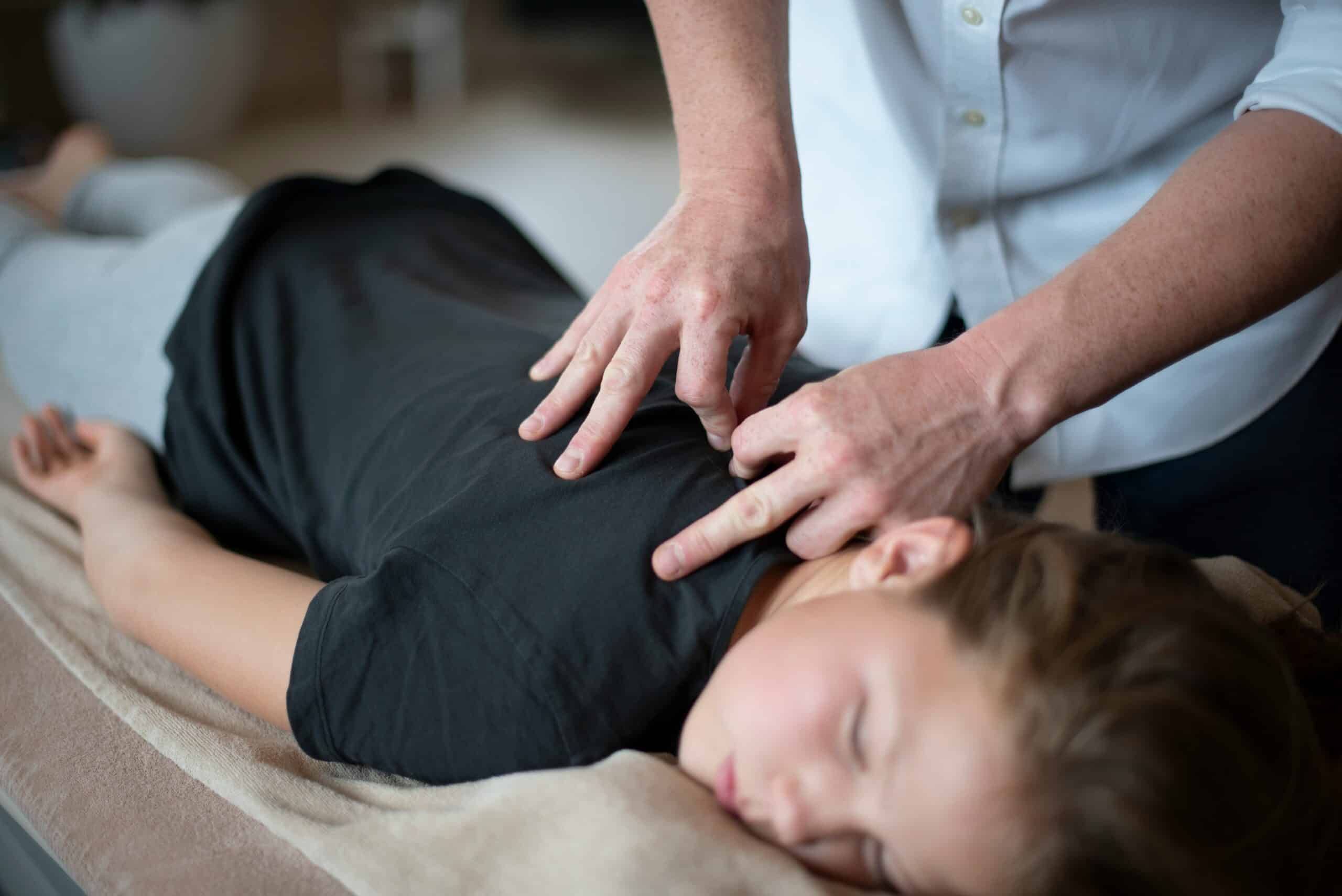
Multiple physical therapy methods can ease endometriosis pain. They aim to reduce tension, restore muscle function, and support pelvic health. A personalized approach is essential, as each patient’s symptoms and pelvic floor condition vary widely. Therapists assess muscle tone, strength, coordination, and pain triggers to design an individualized treatment plan.
Manual Therapy and Pelvic Floor Rehabilitation Exercises
Manual therapy uses hands-on techniques to relax soft tissues and joints and lower pain. Pelvic floor rehabilitation emphasises gentle relaxation and coordination rather than traditional Kegels. Together, these approaches can improve function, lessen pain, and stabilise the pelvis. Techniques may include myofascial release, trigger point therapy, and connective tissue mobilization, all aimed at reducing muscle tightness and improving blood flow.
Rehabilitation exercises focus on retraining the pelvic floor muscles to work in harmony with the rest of the body. This may involve biofeedback to help patients gain awareness and control over muscle activity. The goal is to restore balance, improve posture, and enhance pelvic stability, which can significantly reduce pain and improve quality of life.
Non-Surgical Physical Therapy Modalities for Symptom Relief
Non-surgical options such as ultrasound, electrical stimulation, and biofeedback can ease symptoms. They reduce muscle tension, improve circulation, and encourage pelvic floor relaxation. Including these modalities in a tailored plan often leads to measurable symptom improvement. Ultrasound therapy uses sound waves to promote tissue healing and reduce inflammation, while electrical stimulation can help relax overactive muscles or strengthen weak ones.
The Endometriosis Center of Excellence provides specialised physical therapy tailored to women with endometriosis; their team combines manual therapy and non-surgical modalities to deliver coordinated care and support. This integrated approach ensures that patients receive comprehensive treatment that addresses both the physical and emotional aspects of their condition.
How Does Physical Therapy Integrate with Medical and Surgical Treatments for Endometriosis?

Physical therapy complements medical and surgical care and can improve overall outcomes. When added to a multidisciplinary plan, therapy helps create a more complete treatment pathway. Collaboration between healthcare providers ensures that therapy is timed appropriately, whether before surgery to prepare the pelvic floor or after surgery to aid recovery.
Complementing Surgery with Targeted Physical Therapy Programs
After surgery, targeted physical therapy supports recovery and rehabilitation. Programs restore pelvic floor function, reduce pain, and improve mobility, helping patients return to daily activities sooner. Postoperative therapy may include gentle stretching, strengthening exercises, and techniques to reduce scar tissue adhesions, all aimed at promoting healing and preventing complications.
Studies highlight the value of post-surgical pelvic floor rehabilitation for optimising recovery and treating specific dysfunctions. Early intervention with physical therapy can prevent chronic pain development and improve long-term functional outcomes, making it a critical component of post-surgical care. For more detail, see our article How Physical Therapy Alleviates Endometriosis Pain.
Multidisciplinary Care Approaches for Enhanced Treatment Outcomes
Multidisciplinary care brings together gynecologists, physical therapists, and pain specialists. This teamwork addresses medical, functional, and psychosocial aspects of a patient’s health and often yields better outcomes and quality of life. By coordinating care, providers can ensure that treatments are complementary and that patients receive holistic support.
Even after surgery, persistent pelvic pain and muscle tension frequently require ongoing physical therapy, underscoring its role in comprehensive care. Addressing these issues early can prevent symptom recurrence and improve patient satisfaction with their overall treatment experience.
When Should Patients Seek Physical Therapy Consultation for Endometriosis?

Knowing when to seek physical therapy helps manage symptoms more effectively. Early referral often leads to better results and improved daily function. Patients and providers should be aware of the signs that indicate pelvic floor involvement and consider therapy as part of the initial treatment plan rather than a last resort.
Recognizing Symptoms That Benefit from Pelvic Floor Physical Therapy
Patients with chronic pelvic pain, painful intercourse, or urinary urgency and frequency should consider a pelvic floor specialist. These signs often indicate that therapy could offer real relief and functional gains. Other symptoms such as constipation, bowel urgency, or lower back pain may also be related to pelvic floor dysfunction and benefit from evaluation.
Early intervention can prevent the progression of symptoms and reduce the need for more invasive treatments. Educating patients about the role of pelvic floor health empowers them to seek help promptly and engage actively in their care.
Patient Success Stories Demonstrating Therapy Effectiveness
Many patients report meaningful improvements after pelvic floor therapy. Success stories show reduced pain, better mobility, and enhanced well-being, illustrating the potential value of adding therapy to treatment plans. These testimonials highlight how individualized therapy can transform lives by restoring function and reducing the burden of chronic pain.
Patients often describe regaining control over their bodies and experiencing improvements in daily activities, relationships, and mental health. Such outcomes emphasize the importance of integrating physical therapy into comprehensive endometriosis care.
Frequently Asked Questions
What are the potential side effects of physical therapy for endometriosis?
Physical therapy is generally safe, but some people may feel temporary soreness after sessions due to work on tight muscles. Rarely, pain may increase if the approach isn’t personalised; tell your therapist about any discomfort so they can adjust the plan. For most patients, benefits outweigh these brief side effects. Therapists monitor patient responses closely to ensure that treatment remains comfortable and effective. Read more in Understanding Endometriosis Physical Therapy Benefits.
How long does it take to see results from physical therapy for endometriosis?
Results vary. Some notice relief after a few sessions; others need weeks or months of consistent therapy. Severity, chosen techniques, and overall health affect the timeline. Regular reviews with your therapist help track progress and refine care. Patience and adherence to the therapy plan are important for achieving lasting benefits.
Can physical therapy help with emotional aspects of endometriosis?
Yes. Chronic pain often causes anxiety and low mood. Therapists commonly use mindfulness and relaxation techniques that reduce stress and support mental health. The supportive therapy setting can also boost confidence and a sense of control. Addressing emotional well-being alongside physical symptoms contributes to a more holistic recovery.
Is physical therapy suitable for all stages of endometriosis?
Physical therapy can help at any stage, from mild to severe. Techniques and intensity are tailored to the condition’s stage and the individual’s needs. Discuss options with a healthcare provider to find the right approach. Early intervention may prevent symptom progression, while therapy in advanced stages can improve function and quality of life.
How can I find a qualified physical therapist for endometriosis?
Start with recommendations from your healthcare provider or gynecologist. You can also search professional bodies like the American Physical Therapy Association for specialists in pelvic floor rehabilitation. Check experience with endometriosis, treatment methods, and patient feedback to ensure a good fit. A qualified therapist will conduct a thorough assessment and develop a personalized treatment plan.
Are there any contraindications for physical therapy in endometriosis patients?
While usually safe, some conditions may require caution. Patients with acute infections, severe osteoporosis, or very recent surgery should consult their provider first. Significant pain during therapy may mean the plan needs adjusting. Always discuss medical history and concerns with your therapist to ensure safety. Therapists tailor interventions to avoid exacerbating any underlying conditions.
Conclusion
Adding physical therapy to endometriosis care can reduce pain, improve pelvic function, and raise quality of life. By treating pelvic floor dysfunction and using proven techniques, patients gain a more holistic way to manage symptoms. Seeking specialised therapy can be a key step toward better outcomes. Discover how our expert team can support your journey towards relief and recovery today. Embracing a multidisciplinary approach that includes physical therapy offers hope for those living with endometriosis, helping them reclaim comfort and functionality in their daily lives. When you are ready to talk through your options, schedule an appointment with our team.