

Endometriosis is a chronic gynecologic condition in which tissue resembling the uterine lining grows outside the uterus, creating pelvic pain, fertility challenges, and lesions that can be hard to find on exam alone. Imaging is central to modern care: it helps detect endometriomas, map deep infiltrating endometriosis (DIE), and guide individualized treatment choices. This article outlines the imaging tools commonly used, compares the accuracy of transvaginal ultrasound (TVUS) and pelvic MRI for specific lesion types, explains MRI protocols that improve detection, and describes how scan results shape surgical planning and patient outcomes. We also review promising emerging techniques and include a practical checklist so patients know what to expect. Clear use of terms such as “endometriosis imaging,” “ultrasound for endometriosis,” “MRI for deep infiltrating endometriosis,” and “how to prepare for pelvic MRI” helps patients and referring clinicians understand next steps. Knowing what imaging can—and cannot—show helps patients advocate for appropriate tests and supports multidisciplinary teams in delivering safer, more effective care.
How does imaging improve endometriosis diagnosis?

Imaging improves diagnosis by detecting lesions noninvasively, mapping their size and anatomic relationships, and distinguishing endometriomas from other adnexal masses—information that directly affects management. Each modality brings specific strengths: TVUS delivers high-resolution views of the ovaries and nearby pelvic compartments, while MRI provides a wide field of view and superior soft-tissue contrast for deep disease. Together, these tools can shorten diagnostic delay, help determine whether medical or surgical care is appropriate, and prompt referrals to specialized teams when organ involvement is suspected. The list below summarizes the main clinical benefits imaging provides for patients and clinicians.
Imaging delivers several practical advantages in endometriosis care:
- Non-invasive detection: Identifies ovarian endometriomas and many DIE lesions without immediate surgery.
- Precise mapping: Defines lesion location, depth, and relationship to bowel, bladder, and ligaments.
- Differential diagnosis: Helps distinguish hemorrhagic cysts and other adnexal masses from endometrioma.
- Treatment monitoring: Serial scans track response to medical therapy or disease progression over time.
These benefits shorten the diagnostic pathway and inform the next clinical step, reducing unnecessary procedures and expediting appropriate care.
What are the benefits of non‑invasive endometriosis detection?
Non‑invasive imaging reduces the need for diagnostic laparoscopy by revealing findings that, together with clinical history, can support a working diagnosis and a clear care plan. For many patients, finding an ovarian endometrioma on TVUS leads to earlier decisions—medical suppression, fertility counseling, or referral to surgery—so care starts sooner and symptoms or fertility concerns are addressed earlier. Imaging also improves counseling by providing objective images clinicians can review with patients, strengthening shared decision‑making before any invasive procedure. Examples include documenting bilateral endometriomas or suspected rectovaginal implants that change operative consent and the composition of the surgical team.
That non‑invasive confirmation links diagnostic information directly to treatment planning and highlights how imaging complements the physical exam in detecting otherwise occult disease.
How does imaging complement the clinical exam for endometriosis?
Imaging finds lesions in pelvic compartments that are difficult or impossible to palpate—such as implants along the uterosacral ligaments, the rectovaginal septum, or parametria. A careful pelvic exam gives essential clues (tender nodularity, a fixed uterus), but imaging objectively maps disease extent and uncovers multifocal involvement that changes the operative approach. In practice, a targeted radiology or sonography report becomes a roadmap for surgeons and pain specialists, enabling preoperative planning and triage to multidisciplinary care when bowel or urinary tract involvement is suspected. Combining clinical assessment with imaging produces a more complete diagnostic picture and reduces unexpected intraoperative findings.
The next section summarizes quantitative data on ultrasound accuracy so clinicians and patients can see when TVUS is sufficient and when MRI is preferable.
What is the accuracy of ultrasound for endometriosis detection?
Transvaginal ultrasound is highly accurate for ovarian endometriomas and is reasonably accurate for selected DIE sites when performed by experienced operators using targeted techniques. Performance varies by lesion type and examiner skill: sensitivity for ovarian endometrioma on TVUS is typically high (often ≥85–90%), while sensitivity for DIE—such as rectosigmoid involvement—covers a wider range depending on operator training and bowel preparation. Factors that influence accuracy include sonographer expertise, equipment resolution, use of transrectal or pelvic‑floor probes, and patient preparation. The table below clarifies when TVUS or MRI is preferred for different lesion types and highlights typical sensitivity considerations.
How effective is transvaginal ultrasound at identifying endometriotic lesions?
TVUS is especially effective at detecting ovarian endometriomas, which typically show internal echoes and a “ground‑glass” appearance that give the modality high diagnostic accuracy for these cysts. For specific DIE sites—such as nodules in the uterosacral ligaments or rectovaginal septum—detection improves when examiners use systematic compartmental scanning and dynamic techniques. Accuracy falls when lesions are small, when peritoneal implants are multifocal, or when sonographers lack specialized training; patients with persistent symptoms after a negative TVUS may need MRI. When endometriosis is suspected, requesting a gynecologic sonographer experienced in pelvic pain protocols can improve diagnostic yield.
Understanding TVUS strengths helps clarify when its limitations justify escalation to MRI for comprehensive mapping.
What are ultrasound’s limitations for diagnosing deep infiltrating endometriosis?
Ultrasound’s main limits include a narrower field of view, reduced visualization of higher pelvic compartments and multifocal peritoneal disease, and strong dependence on operator expertise for identifying subtle deep lesions. Complex pelvic‑floor involvement and small peritoneal implants are often missed, and dense adhesions that distort anatomy may be incompletely characterized on TVUS alone. When ultrasound is inconclusive or when bowel or urinary tract involvement is suspected clinically, MRI should be considered to provide a more complete assessment and to support multidisciplinary surgical planning. Recognizing these limits clarifies when escalation improves diagnostic certainty and operative preparedness.
With ultrasound’s strengths and limits in view, the following section explains why MRI is preferred for thorough evaluation of DIE.
Why is MRI preferred for diagnosing deep infiltrating endometriosis?
MRI is preferred for DIE because it offers superior soft‑tissue contrast, multiplanar imaging, and a broad field of view that together reveal lesion extent and relationships to adjacent organs. Specific MRI sequences distinguish hemorrhagic implants, fibrosis, and adhesions using T1/T2 contrasts and techniques such as fat saturation and diffusion‑weighted imaging (DWI), enabling detection of bowel, bladder, and parametrial involvement that can change management. MRI is therefore central when clinical suspicion for DIE is high or when ultrasound is insufficient for surgical planning. The next paragraphs describe how MRI’s physics and tailored protocols strengthen diagnostic capability.
How does MRI detect deep infiltrating endometriosis compared with other imaging?
MRI identifies DIE by exploiting tissue differences: hemorrhagic foci generate T1 hyperintensity, fibrotic scar appears low on T2, and multiplanar acquisitions show lesion depth and organ interfaces. Compared with ultrasound, MRI better visualizes the entire pelvis and retroperitoneal spaces, making it more reliable for suspected bowel wall or urinary tract infiltration and for mapping extensive adhesions. Clinical scenarios favoring MRI include persistent pain after an inconclusive ultrasound, suspected multifocal disease, or preoperative assessment that requires multidisciplinary planning. MRI’s ability to depict tissue planes reduces intraoperative surprises and supports clearer informed consent. Read more in Comprehensive Guide: Endometriosis Assessment Best Practices.
Next we list practical MRI protocol elements that enhance implant visualization in routine practice.
Which MRI protocols improve visualization of endometriotic implants?
Optimized pelvic MRI protocols include high‑resolution T2‑weighted multiplanar images, T1‑weighted sequences with and without fat saturation to identify hemorrhagic implants, and diffusion‑weighted imaging (DWI) for additional functional information. Higher field strength (for example, 3T) can improve spatial resolution but should be paired with tailored sequences and careful bowel preparation to limit artifacts. Intravenous contrast has a limited role for routine mapping but can help distinguish complex adnexal masses or exclude suspected malignancy. Clear protocol selection and pre‑scan communication between referrers and radiologists improve diagnostic yield and guide the use of targeted sequences—such as small field‑of‑view pelvic‑floor imaging or focused DWI—when indicated.
These protocol choices directly inform how imaging results translate into surgical planning.
How does pre‑surgical imaging guide endometriosis treatment?
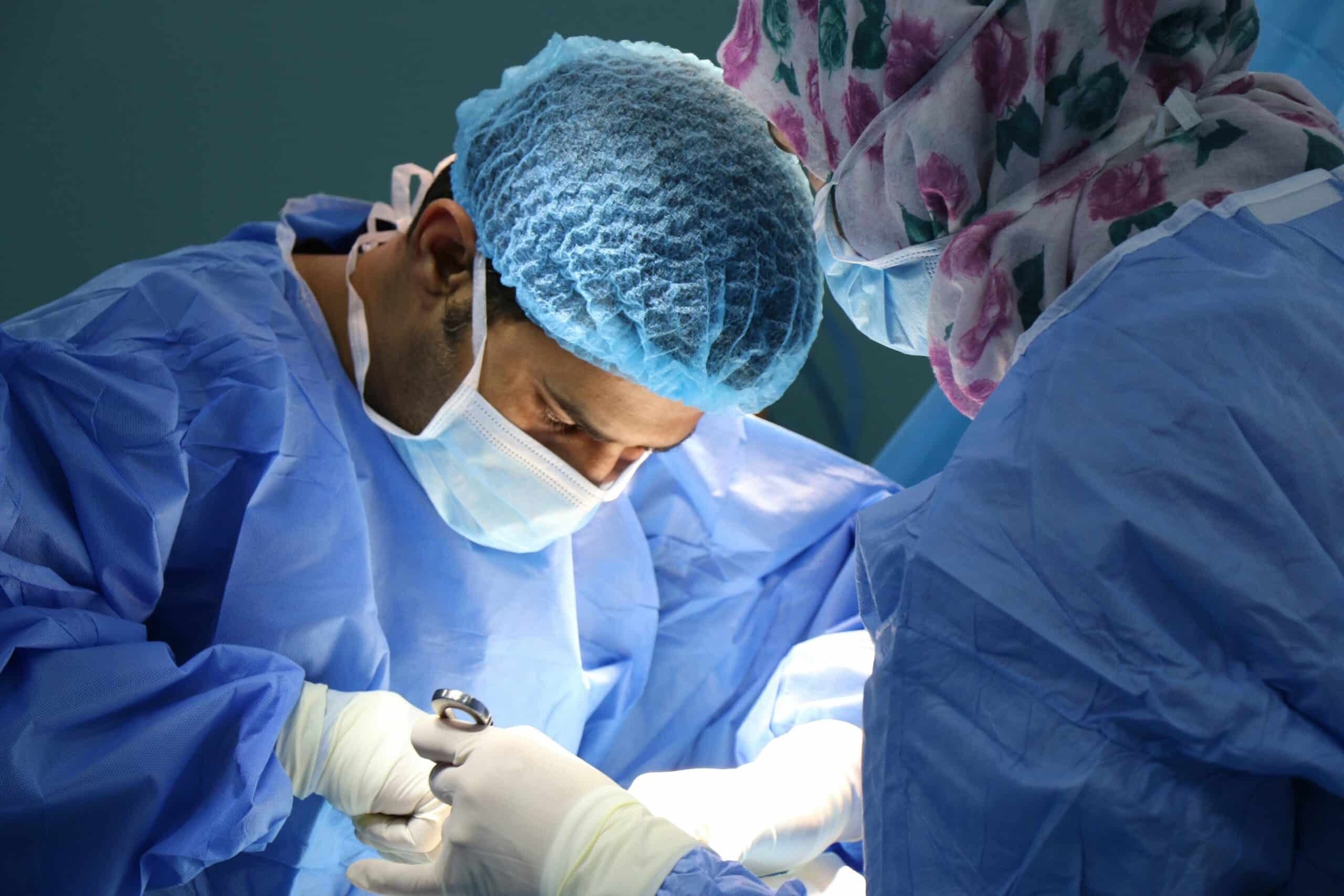
Preoperative imaging shapes treatment by delineating disease extent, estimating operative complexity, and signaling the need for additional surgical specialties—information that together form the operative plan and patient counseling. Accurate mapping identifies lesions likely to require bowel or urologic surgeons, estimates the extent of resection, and helps teams prepare for staged procedures when necessary. Imaging findings also guide discussions about fertility‑sparing approaches versus definitive surgery and set realistic expectations about recovery and risks. The table below links common imaging findings to their likely surgical implications.
Which imaging findings most influence surgical planning?
Key findings that affect planning include the presence and depth of DIE in the rectosigmoid or parametria, obliteration of the pouch of Douglas suggesting dense adhesions, the size and bilaterality of endometriomas, and evidence of ureteric or bladder involvement. Each of these alters expected operative steps: bowel wall disease commonly necessitates colorectal involvement, large endometriomas raise concerns about ovarian reserve management, and parametrial disease increases the risk to nerves and ureters and requires meticulous dissection. Preoperative imaging therefore supports risk stratification, scheduling of subspecialists, and clear informed consent conversations about likely surgical extent. You may also find Steps to Diagnosing Endometriosis helpful.
How does imaging help predict surgical outcomes and risks?
Imaging helps predict outcomes and risks by estimating how much resection may be required, whether organ‑sparing approaches are likely, and the potential for intraoperative complications such as bowel or ureteral injury. Evidence and clinical experience show that detailed preoperative mapping reduces unexpected findings, can shorten operative time, and improves coordination with multidisciplinary teams—factors associated with lower complication rates. Imaging is not perfect, however: small peritoneal implants and some adhesions may be underrepresented on scans. Imaging complements—but does not replace—careful intraoperative assessment, and it empowers shared decision‑making so patients can weigh risks and benefits with a realistic operative roadmap. Read more in Understanding Menstrual Changes for Diagnosing Endometriosis.
What emerging imaging techniques are being studied for endometriosis?
Emerging techniques aim to increase detection sensitivity and add physiologic insight to conventional imaging, though most remain in research or early clinical use with variable evidence. Examples include 3D ultrasound and sonoelastography for improved lesion characterization, functional MRI sequences (such as DWI and perfusion metrics) that probe tissue properties, and AI‑assisted image analysis to standardize detection and reduce operator dependence. Each approach offers potential incremental gains but faces challenges in validation, standardization, and broad availability. The table below summarizes several promising approaches and their current readiness. For more detail, see our article Latest Advancements in Endometriosis Imaging Techniques.
How do advanced ultrasound and MRI technologies improve detection?
Advanced ultrasound, such as 3D reconstructions and elastography, can better characterize lesion volume and stiffness—helpful clues to distinguish fibrotic from hemorrhagic implants. On MRI, functional sequences like DWI and quantitative ADC mapping add physiologic data that complement structural imaging and may help differentiate active disease from scar. AI and machine‑learning tools are being trained to recognize lesion patterns and standardize reporting, which could reduce operator dependence in both TVUS and MRI interpretation. These technologies should be seen as incremental improvements that require multicenter validation before they change standard care pathways.
Can imaging biomarkers enhance non‑invasive endometriosis diagnosis?
Imaging biomarkers—quantitative measures from MRI or ultrasound—hold promise for correlating with disease severity and activity, but current evidence is preliminary and heterogeneous. Examples include ADC thresholds on DWI that may distinguish fibrotic from cellular implants and stiffness measures on elastography that reflect lesion composition. While such markers could eventually supplement visual interpretation and support non‑invasive staging, routine clinical use awaits standardized acquisition, reproducible thresholds, and prospective outcome data. Patients and clinicians should view biomarkers as evolving adjuncts rather than replacements for current imaging and surgical judgment.
The shift from invasive, surgical diagnosis toward non‑invasive imaging is a major advance in endometriosis care, supported by growing research comparing the diagnostic performance of different modalities.
Many studies show that TVUS can reliably detect deep and ovarian endometriosis and, in some cases, may substitute for diagnostic laparoscopy when performed systematically by experienced examiners.
While clinical examination remains valuable, the growth of non‑invasive imaging modalities such as ultrasound and MRI has been crucial in improving the detection of deep infiltrating endometriosis and reducing reliance on invasive procedures.
How can patients prepare for endometriosis imaging procedures?
Good preparation improves diagnostic accuracy and comfort. Typical steps include following bowel preparation when requested, following bladder‑filling instructions for TVUS or MRI, withholding food or certain medications if contrast or sedation is planned, and sharing a concise surgical and symptom history with the imaging team. Preparing emotionally—asking about privacy, expected scan length, and whether a chaperone is allowed—also helps reduce anxiety during TVUS or MRI. The checklist below lists practical steps patients can take before an appointment and why they matter. When you are ready to talk through your options, schedule an appointment with our team.
Follow this checklist to prepare for pelvic ultrasound and MRI:
- Confirm instructions: Call the imaging facility or your referrer to confirm bowel or bladder preparation requirements.
- Follow bowel/bladder prep: Complete any prescribed bowel prep and time bladder filling as instructed to optimize visualization.
- Bring documentation: Bring prior imaging reports and a concise symptom history to help target the scan.
- Plan for comfort: Wear comfortable clothing and ask about privacy and chaperone options if desired.
What should patients expect during ultrasound and MRI exams?
For a transvaginal ultrasound, patients usually lie on the exam table while a covered probe is gently inserted to obtain high‑resolution images of the uterus, ovaries, and nearby structures; the exam typically takes 15–30 minutes and may cause mild discomfort for some people. Pelvic MRI generally lasts 30–60 minutes and requires lying still while multiple sequences are acquired; some patients experience claustrophobia or noise‑related discomfort—ear protection and clear communication with technologists help. Intravenous contrast is not routinely required for endometriosis mapping but may be used when clinically indicated; if contrast is planned, staff will review medical history and allergies. Clear pre‑scan briefing helps reduce anxiety and sets expectations for each exam.
How does proper preparation improve imaging accuracy?
Proper preparation optimizes organ distension and reduces artifacts: a partially filled bladder clarifies bladder and anterior pelvic lesions, while bowel preparation reduces motion and improves visualization of posterior compartment and bowel wall pathology. Telling the radiologist about prior surgeries, current symptoms, and fertility concerns can tailor the protocol—adding small field‑of‑view pelvic‑floor sequences or diffusion‑weighted imaging when relevant. Practical tips include following facility instructions on fasting or bowel regimens, bringing prior reports, and requesting an experienced gynecologic sonographer when endometriosis is suspected. These steps increase the chance that imaging will provide actionable information for treatment planning.
Many specialized centers combine education with scheduling support to help patients translate imaging findings into appropriate care pathways.
If you need further guidance, specialized centers that serve as information hubs can help interpret imaging reports and coordinate referrals to multidisciplinary teams for surgical planning or fertility evaluation. These centers offer patient education resources and can advise which imaging modality and protocol best address your clinical question, supporting informed decisions while respecting the role of your treating clinician. If you need help interpreting results or arranging specialist consultation, ask your clinician to connect you with a center experienced in endometriosis imaging and care.
Frequently Asked Questions
What symptoms of endometriosis can imaging help identify?
Common symptoms include chronic pelvic pain, painful periods (dysmenorrhea), pain with intercourse, and infertility. Imaging—particularly TVUS and MRI—can reveal endometrial‑like tissue outside the uterus that correlates with these symptoms. By locating and characterizing lesions, imaging helps clinicians confirm a working diagnosis and tailor treatment plans to reduce pain and address fertility concerns. We cover this further in Discover Effective Imaging Tests for Endometriosis Diagnosis.
How can patients advocate for appropriate imaging tests?
Speak openly with your clinician about symptoms and their impact on daily life. Ask whether a transvaginal ultrasound or pelvic MRI is appropriate, and request an experienced gynecologic sonographer or a center that specializes in pelvic pain if available. Ask about the tests’ accuracy for your suspected disease pattern and request referrals to specialists when needed. Being informed about imaging options helps you participate actively in care decisions.
What should patients do if imaging results are inconclusive?
If results are inconclusive, discuss next steps with your clinician. Options may include further imaging—MRI after a TVUS—or diagnostic laparoscopy for direct visualization. Your clinician may also recommend additional tests to exclude other causes of pelvic pain. Open dialogue ensures all appropriate diagnostic pathways are considered.
Are there any risks associated with imaging for endometriosis?
TVUS and MRI are generally safe and non‑invasive. TVUS can cause discomfort for some patients during probe insertion. MRI uses a strong magnetic field and is safe for most people but is not suitable for everyone (for example, people with certain implants). Contrast agents are infrequently used and require screening for allergies and renal function. Discuss any concerns or implanted devices with your provider before scheduling imaging.
How do imaging findings change treatment options?
Imaging findings guide decisions about medical management, surgical intervention, and fertility‑preserving strategies. The location, size, and depth of lesions help assess disease severity, predict operative complexity, and identify the need for subspecialty surgeons (for example, colorectal or urologic). Accurate imaging supports personalized treatment plans and clearer informed consent about likely outcomes and risks.
Which emerging technologies are being explored for endometriosis imaging?
Researchers are exploring advanced ultrasound (3D, elastography), functional MRI sequences (such as DWI), and AI‑assisted image analysis to improve detection and reduce operator dependence. While promising, these approaches are still being validated and are not yet standard across clinical settings.
Conclusion
Imaging is a cornerstone of modern endometriosis care. When used thoughtfully—whether TVUS for ovarian disease or MRI for deep infiltrating lesions—scans provide accurate, non‑invasive information that guides treatment planning, reduces surprises in the operating room, and helps patients make informed choices. If you’re navigating symptoms, consider consulting a specialized center or asking your clinician about the imaging options best suited to your situation. That step can help connect you with the right care at the right time.