

Endometriosis is a chronic condition where tissue similar to the uterine lining grows outside the uterus, leading to pain, inflammation, and sometimes fertility challenges. This guide explains how endometriosis is classified using the ASRM (American Society for Reproductive Medicine) staging system, which ranges from Stage I (minimal) to Stage IV (severe). You’ll learn what each stage means, why symptoms don’t always align with disease severity, and how staging guides diagnosis and treatment planning.
We’ll explore how biological factors like inflammation, nerve involvement, and central sensitization contribute to pain at any stage—helping to clarify why some patients experience intense symptoms even with minimal disease. The guide also outlines the imaging tools used to detect endometriosis, stage-specific treatment options, and how excision surgery is adapted to disease extent.
What Are the 4 Stages of Endometriosis According to the ASRM Classification?

The ASRM Classification is a scoring system that quantifies lesion size, location, adhesions, and endometriomas to determine a numerical severity score. This score is vital for surgical reporting and fertility assessment. It assigns points for superficial peritoneal implants, ovarian endometriomas, and the presence and density of adhesions. Clinicians use the total score to define Stages I–IV, which guides operative planning and prognosis. Clear staging supports decisions about imaging, the necessity of specialist excision, and fertility counseling. The table below offers a quick reference, mapping ASRM point ranges and lesion types to straightforward clinical summaries.
This table helps clarify how ASRM scoring translates to surgical findings and patient symptoms. It sets the stage for a detailed look at what each stage typically presents like during surgery and clinical evaluation.
How Does the ASRM Classification Define Each Endometriosis Stage?
The ASRM system defines stages by totaling points awarded for lesion size, implant depth, and adhesion severity, creating a consistent numeric score for surgical documentation. Points are given for superficial peritoneal implants, ovarian endometriomas (based on size), and adhesions that distort pelvic anatomy. Higher scores indicate more extensive disease and greater surgical complexity. The practical advantage is standardized reporting across cases, aiding fertility prognosis and surgical planning. Understanding these criteria helps both patients and providers anticipate likely findings during laparoscopy and prepares teams for potential multidisciplinary involvement in more advanced stages.
What Are the Key Differences Between Minimal, Mild, Moderate, and Severe Endometriosis?
Minimal disease (Stage I) typically involves isolated superficial implants with few or no adhesions. Mild disease (Stage II) presents with a greater number of implants and early, filmy adhesions. Moderate disease (Stage III) commonly includes ovarian endometriomas and adhesions that can restrict ovarian and tubal movement. Large endometriomas, dense adhesions, and potential involvement of the bowel or bladder characterize severe disease (Stage IV). These distinctions lead to varying risks for infertility, surgical challenges, and symptom patterns. Recognizing these differences helps clinicians tailor diagnostic imaging and discuss realistic treatment options with patients.
Why Is the ASRM System the Most Commonly Used Endometriosis Classification?
The ASRM system is widely adopted because it provides a standardized, surgery-based scoring method that aligns with fertility prognosis and operative reporting, making it practical for clinicians and researchers. Its straightforward nature allows for consistent documentation, though it has limitations: it prioritizes anatomy over pain mechanisms, meaning it doesn’t reliably predict symptom severity. While alternative systems focus on deep infiltrating disease or specific anatomical compartments, ASRM remains the standard for general use and fertility counseling. Knowing the ASRM’s strengths and weaknesses helps determine when to supplement it with other assessments for pain or deep disease.
While widely adopted, the ASRM classification system has limitations in predicting symptom severity, as factors beyond anatomical findings influence pain.
What Are the Symptoms of Endometriosis at Each Severity Level?
Endometriosis symptoms can vary significantly by stage, lesion location, and individual pain response. Common complaints include painful periods (dysmenorrhea), chronic pelvic pain, painful intercourse (dyspareunia), bowel or bladder issues, fatigue, and infertility. Early stages might present with severe menstrual pain but minimal findings on imaging, while advanced stages are more likely to cause organ-specific symptoms and functional impairment. Clinicians often use symptom patterns as indicators for imaging or referral, rather than relying solely on the stage. The list below highlights typical symptoms by stage to help you recognize patterns that warrant medical evaluation.
- Stage I–II symptoms often include pelvic pain and painful periods, even with normal imaging results.
- Stage III symptoms commonly add organ-specific signs like cyclical bowel or bladder pain and palpable ovarian masses.
- Stage IV symptoms can involve severe, debilitating pain, infertility, and signs of significant adhesions or organ compromise.
These symptom groupings help guide the diagnostic approach and indicate when to consider escalating from conservative management to imaging or surgical evaluation.
What Symptoms Are Common in Stage 1 Endometriosis?
Stage 1 endometriosis often manifests as dysmenorrhea and intermittent pelvic pain that can be quite severe, despite minimal visible disease on examination or imaging. Many patients experience pain that seems disproportionate to the small number of superficial implants, making clinical suspicion and a thorough history essential. Physical exams may be normal, and transvaginal ultrasound can miss early peritoneal disease, sometimes necessitating laparoscopy for diagnosis. Early recognition of symptom patterns allows for timely symptom management and avoids unnecessary delays in care.
How Do Symptoms Progress in Stage 2 Endometriosis?
In Stage 2, symptoms may intensify as the number of implants increases and filmy adhesions begin to form. This can lead to more consistent pelvic pain and early dyspareunia. Patients might notice progressively worse menstrual pain or new cyclical bowel or bladder discomfort, prompting further investigation. Healthcare providers may escalate medical management and consider imaging to assess ovarian involvement. Persistent or worsening symptoms despite therapy might lead to a recommendation for diagnostic laparoscopy. Recognizing early progression is key to preserving fertility and function through targeted intervention.
What Are the Typical Symptoms of Stage 3 Endometriosis?
Stage 3 frequently involves endometriomas and adhesions, resulting in more pronounced pelvic pain, deep dyspareunia, and organ-specific symptoms like cyclical constipation or urinary urgency. Ovarian endometriomas are often visible on pelvic ultrasound and can be associated with reduced ovarian reserve or tubal dysfunction, contributing to infertility concerns. Imaging sensitivity improves at this stage, aiding preoperative planning for potential excision and adhesiolysis. These clinical features often prompt multidisciplinary preoperative discussions to address reproductive and bowel/bladder considerations.
What Symptoms Indicate Stage 4 Endometriosis?
Stage 4 is associated with severe, often disabling pelvic pain, large endometriomas, dense adhesions, and sometimes a “frozen pelvis,” where organs become fixed by scar tissue. Patients may report daily pain that significantly impacts work and daily activities, substantial fertility impairment, and symptoms suggesting bowel or bladder involvement, such as obstructive bowel signs or cyclical hematuria. These critical symptoms warrant urgent specialist referral and comprehensive imaging to plan complex excision, as advanced disease often requires multidisciplinary surgical care and realistic counseling about potential outcomes.
Why Doesn’t Endometriosis Severity Always Match Pain Levels? Understanding the Pain-Stage Disconnect
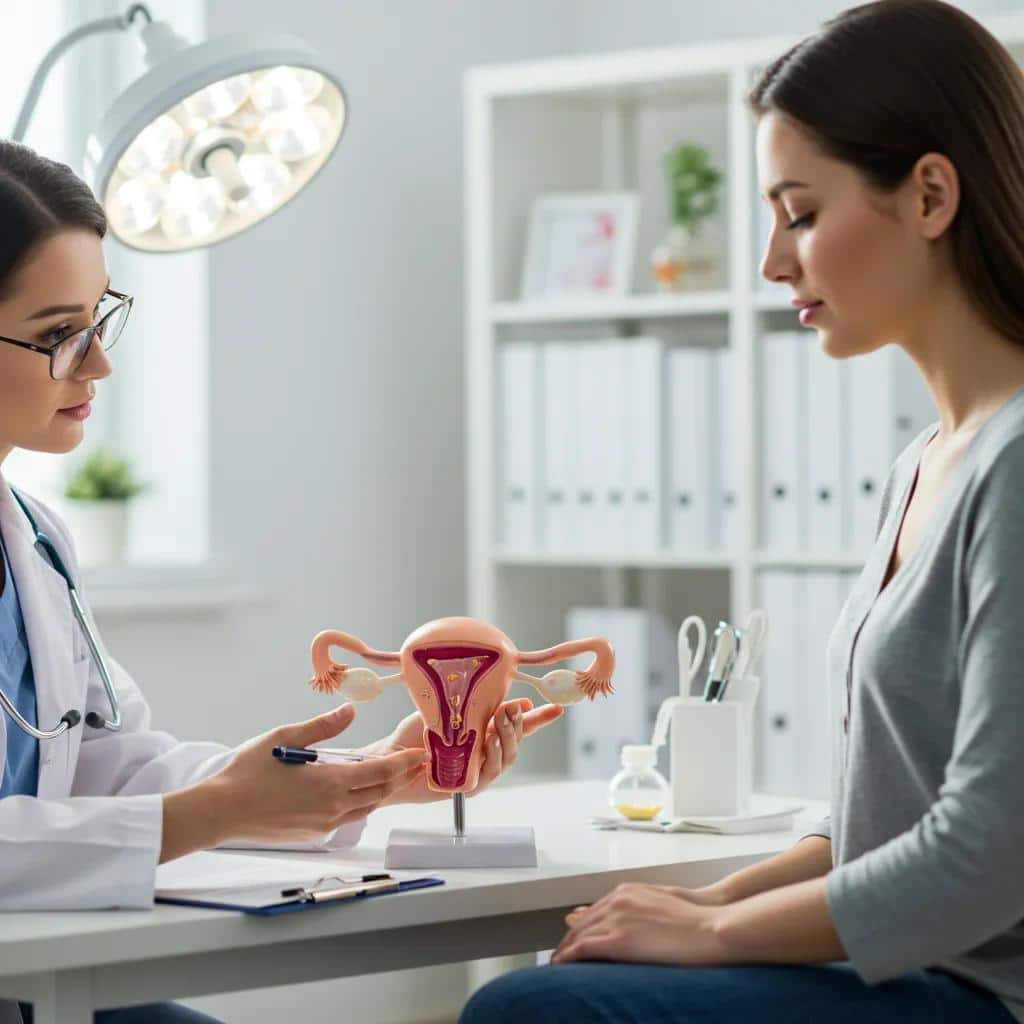
healthcare professional explaining endometriosis to a patient in a supportive clinic environment
Endometriosis pain is influenced by lesion location, nerve involvement, local inflammatory mediators, and central sensitization. This means the anatomical severity (ASRM score) doesn’t always correlate with symptom intensity. Some superficial lesions located in nerve-rich pelvic areas can cause severe pain, while extensive adhesions might cause minimal pain if they don’t affect pain pathways. Inflammation releases cytokines that sensitize local nerves, and prolonged pain can lead to changes in the central nervous system that amplify pain perception. Understanding these mechanisms helps clinicians treat symptoms more effectively and informs multidisciplinary strategies for managing chronic pelvic pain.
- Nerve involvement: Lesions near pelvic nerves can cause disproportionate pain.
- Inflammatory mediators: Cytokines and prostaglandins heighten nerve sensitivity.
- Central sensitization: Chronic pain can alter pain processing in the nervous system, amplifying symptoms.
Recognizing these mechanisms encourages clinicians to combine surgical, medical, and pain-focused therapies rather than relying solely on anatomy-based decisions.
What Causes Severe Pain in Minimal or Mild Endometriosis?
Severe pain in minimal disease often stems from lesions situated near nerve-dense areas, such as the uterosacral ligaments or rectovaginal septum, or from a potent local inflammatory response that sensitizes nearby nerves. Even small implants can release prostaglandins and cytokines that amplify nerve signaling, leading to significant dysmenorrhea and chronic pelvic pain. Individual pain thresholds and the presence of overlapping pain conditions further influence how symptoms present, highlighting the need for clinicians to evaluate pain mechanisms beyond visual staging. Early pain-focused intervention can help prevent central sensitization and improve quality of life.
How Can Severe Endometriosis Present with Mild or No Pain?
Extensive anatomical disease may be asymptomatic if lesions avoid pain-sensitive structures or if an individual’s pain processing system results in a low nociceptive response. For instance, large endometriomas can be incidentally discovered on imaging without causing significant pain. Variations in visceral nerve distribution and individual differences in pain perception contribute to these discrepancies. Incidental findings require careful counseling regarding fertility risks and symptom monitoring, as anatomy alone doesn’t dictate clinical urgency. This nuance emphasizes why both objective staging and thorough symptom assessment are crucial for management planning.
What Role Does Central Sensitization Play in Endometriosis Pain?
Central sensitization is a neurological process where persistent peripheral pain signals heighten the central nervous system’s response, leading to amplified and prolonged pain even after the initial peripheral trigger has diminished. In endometriosis, chronic inflammatory signals from lesions can initiate this sensitization, resulting in widespread pelvic pain, hypersensitivity, and co-occurring pain disorders. Treatment implications include combining lesion-directed therapy with pain rehabilitation, cognitive-behavioral strategies, and multidisciplinary pain management to address both peripheral and central factors. Early intervention can reduce the risk of long-term central nervous system changes.
The disconnect between anatomical staging and pain severity is further explained by the neurological phenomenon of central sensitization, where the nervous system becomes hypersensitive to pain signals.
How Is Endometriosis Diagnosed at Different Severity Levels?
Diagnosis involves a combination of clinical assessment, targeted imaging, and laparoscopy when needed, with the choice of tools guided by the suspected stage and symptom pattern. A physical exam and patient history help form initial suspicions. Transvaginal ultrasound is effective for detecting ovarian endometriomas (more common in Stages III–IV), and MRI can help map deep infiltrating disease. Diagnostic laparoscopy remains the gold standard for definitive staging, as it allows direct visualization of implants, adhesions, and endometriomas. The table below summarizes diagnostic tools, their strengths, and the stages where they are most informative.
This table compares common diagnostic tools and their practical applications for stage detection.
Selecting the right diagnostic tool depends on your symptoms and the clinical questions being asked. Laparoscopy is recommended when imaging is inconclusive or when therapeutic surgery is planned.
What Diagnostic Tools Are Used for Early-Stage Endometriosis?
Early-stage disease often evades imaging, so clinicians rely heavily on a detailed patient history and pelvic exam, recognizing that transvaginal ultrasound results may be normal. When suspicion remains high despite negative imaging, diagnostic laparoscopy is considered because it allows direct visualization of peritoneal implants and the opportunity for excision. Noninvasive tests have limited sensitivity for minimal peritoneal disease, making a symptom-driven approach and shared decision-making about the role and timing of laparoscopy essential. Early diagnostic clarity can prevent prolonged untreated pain and the potential development of central sensitization.
How Does Imaging Detect Moderate to Severe Endometriosis?
Imaging becomes more reliable in moderate and severe disease, where endometriomas and deep infiltrating lesions alter pelvic anatomy. Transvaginal ultrasound commonly identifies ovarian endometriomas, while MRI excels at mapping deep lesions and organ involvement. Sonographic features like “ground-glass” cysts are suggestive of endometrioma, and MRI offers superior soft-tissue contrast for detecting rectovaginal or bladder lesions. Preoperative imaging helps guide surgical planning and identify the need for multidisciplinary teams, improving operative efficiency and patient counseling regarding complexity and expected outcomes.
When Is Laparoscopy Recommended for Accurate Staging?
Laparoscopy is recommended when imaging cannot fully explain symptoms, when pain is unresponsive to conservative therapy, when infertility evaluation suggests mechanical factors, or when deep infiltrating disease is suspected and surgical management is likely. It provides definitive staging, allows for the excision of visible disease, and enables comprehensive adhesiolysis when necessary. Referral to an experienced excision surgeon is particularly important for suspected Stage III–IV disease to optimize outcomes and minimize recurrence. The decision to proceed with laparoscopy balances symptom severity, fertility goals, and imaging findings.
What Are the Treatment Options for Each Endometriosis Stage?
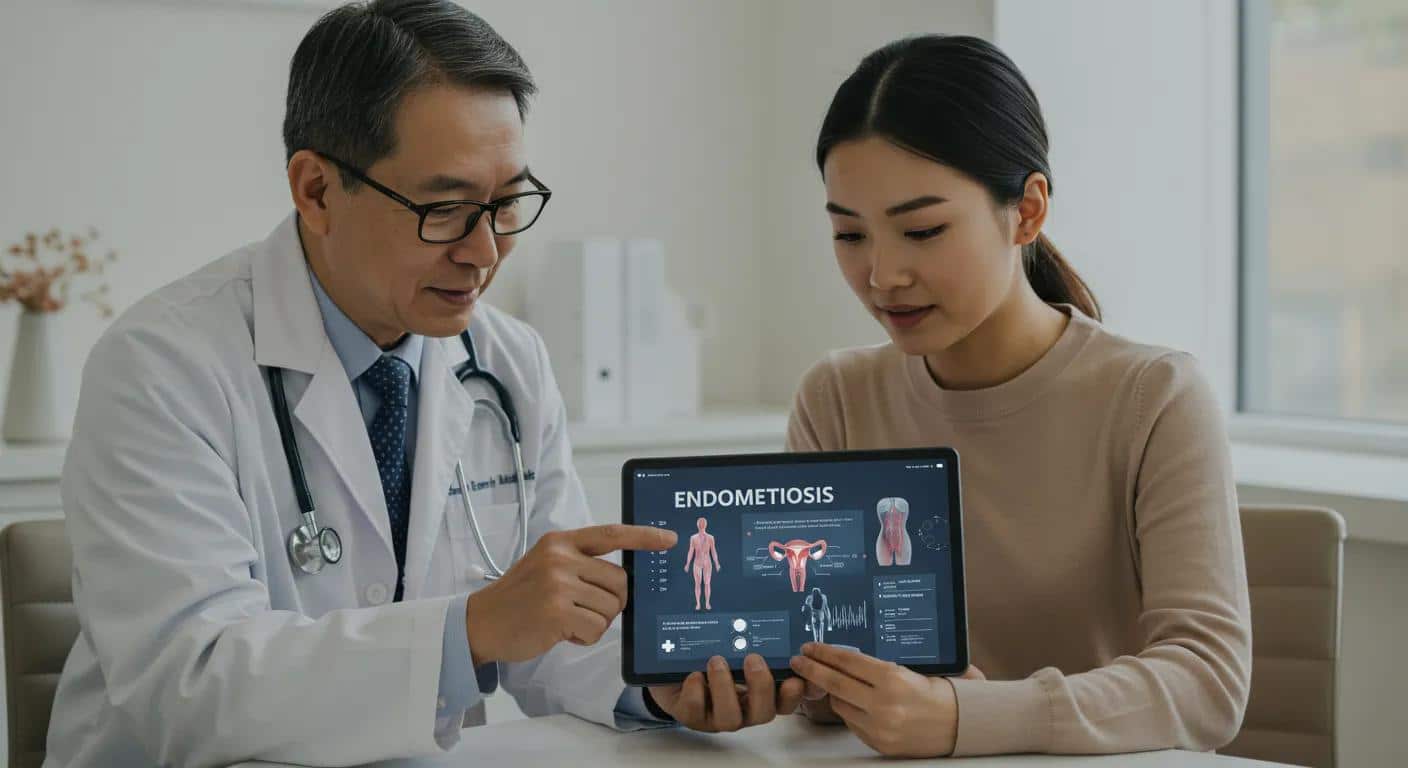
Treatment is personalized and ranges from conservative pain management and hormonal suppression to targeted excision surgery and multidisciplinary care for complex cases. Early stages often respond well to medical therapy and symptom control, while moderate-to-severe disease more frequently requires surgical excision to remove endometriomas and adhesions. Multidisciplinary approaches combining gynecology, pain management, and fertility specialists lead to better long-term outcomes, especially for deep infiltrating disease. The following table compares stage-specific recommendations, their rationale, and expected outcomes.
This comparison clarifies when conservative therapy is appropriate and when specialist surgery becomes necessary, emphasizing realistic expectations for outcomes.
How Is Stage 1 Endometriosis Treated?
Stage 1 management focuses on symptom relief using NSAIDs, hormonal suppression (like combined oral contraceptives or progestins), and lifestyle adjustments, with ongoing monitoring for progression. Many patients achieve adequate symptom control without surgery. However, persistent, severe pain despite optimized medical therapy warrants diagnostic laparoscopy and potential excision of symptomatic lesions. Early intervention for refractory pain can reduce the risk of central sensitization and improve quality of life. Shared decision-making regarding fertility goals influences the timing and choice of interventions.
What Treatments Are Recommended for Stage 2 Endometriosis?
Stage 2 treatment often begins with hormonal management to reduce menstrual pain and lesion activity. If symptoms persist or worsen, or if fertility is a concern, escalation to laparoscopy for targeted excision of symptomatic implants and adhesions may be recommended by experienced surgeons. This can provide significant pain relief and improve reproductive outcomes. Providers carefully weigh the benefits of medical therapy against surgical risks and discuss fertility implications as part of individualized planning. When imaging or symptoms suggest ovarian involvement, preoperative mapping helps guide the surgical strategy.
How Does Treatment Change for Stage 3 Endometriosis?
For Stage 3 disease, surgical planning becomes a central focus because endometriomas and adhesions can compromise ovarian function and fertility. Specialists commonly recommend laparoscopic excision of endometriomas and careful adhesiolysis. Preoperative imaging and multidisciplinary input—potentially including reproductive endocrinology, colorectal, or urology consultations—enhance safety and outcomes. Medical therapy remains a useful adjunct for symptom control but is less likely to address mechanical infertility or large endometriomas. The primary goal is comprehensive lesion removal while preserving ovarian tissue whenever possible.
What Are the Advanced Treatment Approaches for Stage 4 Endometriosis?
Stage 4 often requires complex excision that may involve bowel or bladder procedures. This necessitates coordinated care with colorectal, urology, and pain specialists to manage multi-organ disease safely. These advanced approaches prioritize complete removal of deep infiltrating disease and restoration of pelvic anatomy to improve pain and fertility outcomes, acknowledging that recovery may be longer and recurrence risk can vary. Experienced excision surgeons and a multidisciplinary team are essential for planning and executing these interventions. Postoperative rehabilitation and long-term symptom management are often critical components of care.
Managing severe endometriosis, particularly deep infiltrating endometriosis (DIE), necessitates a coordinated approach involving multiple surgical specialties to ensure comprehensive care.
How Does Endometriosis Excision Surgery Address Different Severity Levels?
Excision surgery involves surgically removing visible endometriotic lesions, aiming for complete clearance to reduce pain, minimize recurrence, and improve fertility outcomes. Minimally invasive laparoscopic techniques allow for precise excision of superficial implants, endometriomas, and deep infiltrating disease while preserving surrounding tissues. The surgical strategy adapts to the stage: small, targeted excisions for early disease; cystectomy and adhesiolysis for moderate disease; and multidisciplinary complex resections for severe disease. Understanding how excision is tailored across stages helps clarify expected benefits and recovery.
What Is Endometriosis Excision Surgery and How Does It Work?
Endometriosis excision surgery involves the precise removal of endometriotic tissue from affected areas using sharp dissection or energy devices under direct visualization, with the goal of completely excising all visible disease. This minimally invasive approach typically reduces blood loss, shortens recovery time, and helps preserve surrounding organs when performed by skilled surgeons. Excision differs from ablation by removing the lesion-bearing tissue itself, rather than just destroying its surface. This can lead to lower recurrence rates and better management of deep infiltrating lesions. Postoperative care includes pain management, strategies to prevent adhesions, and a structured recovery plan.
How Is Excision Surgery Tailored for Minimal to Mild Endometriosis?
For minimal to mild disease, excision is targeted toward symptomatic lesions when medical management proves insufficient. The focus is on removing implants located in nerve-rich areas to alleviate disproportionate pain. Surgeons perform careful excision of small implants and release filmy adhesions while preserving normal anatomy. The procedure can serve both diagnostic and therapeutic purposes. Patients experiencing severe pain despite minimal visible pathology may benefit from excision focused on known pain generators to reduce nociceptive input. Shared decision-making ensures the surgery aligns with symptom severity and reproductive goals.
What Are the Benefits of Excision Surgery for Moderate and Severe Endometriosis?
For moderate and severe disease, excision offers comprehensive removal of endometriomas and deep infiltrating lesions. When performed skillfully, this can significantly improve pain, reduce recurrence compared to less aggressive approaches, and enhance fertility potential. Complex resections may require bowel or bladder procedures and collaboration with other specialists, but they effectively address the mechanical and inflammatory drivers of significant symptoms. Evidence suggests that complete excision by experienced surgeons leads to better long-term symptom control, though realistic counseling about recovery and the potential need for staged interventions is essential.
Why Choose Dr. Rachael Ann Haverland and Endo Excellence Center for Excision Surgery?
Endo Excellence Center is dedicated to personalized, multidisciplinary care with a strong emphasis on excision surgery, led by Dr. Rachael Ann Haverland, a board-certified specialist trained at Mayo Clinic. Her expertise ensures comprehensive evaluation, precise excision techniques, and seamless coordination with fertility and pain specialists when advanced disease requires a multidisciplinary approach. Patients seeking specialized evaluation for suspected moderate-to-severe endometriosis are encouraged to schedule a consultation to discuss individualized surgical planning and realistic outcome expectations. For many, specialist-led excision significantly reduces symptom burden and supports long-term functional improvement.
Frequently Asked Questions
What lifestyle changes can help manage endometriosis symptoms?
Certain lifestyle changes can make a meaningful difference in managing endometriosis symptoms. Regular, moderate exercise such as walking, yoga, or swimming can help reduce pelvic pain and improve overall well-being. An anti-inflammatory diet—rich in fruits, vegetables, whole grains, and omega-3 fatty acids—may further ease discomfort. Stress management techniques, including mindfulness and counseling, can also lower pain perception. Keeping a symptom diary helps identify triggers and patterns, supporting a more personalized management plan. Always consult a healthcare provider before making significant lifestyle adjustments.
How does endometriosis affect fertility?
Endometriosis can impact fertility by causing structural changes in the pelvis, such as adhesions or endometriomas, which may interfere with ovulation, egg transport, or implantation. The chronic inflammation associated with endometriosis can also affect egg quality and the hormonal environment. However, many individuals with endometriosis are able to conceive, particularly with timely medical or surgical treatment. Consultation with a fertility specialist helps determine the best options for optimizing conception and preserving reproductive health.
What are the potential complications of untreated endometriosis?
If left untreated, endometriosis may lead to progressive pelvic pain, infertility, and the formation of adhesions that cause organs to stick together. Over time, the condition can worsen, increasing the risk of bowel or bladder dysfunction and the development of ovarian cysts known as endometriomas. Early diagnosis and intervention can prevent these complications and significantly improve quality of life.
Can endometriosis symptoms change over time?
Yes, symptoms of endometriosis can change due to hormonal fluctuations, age, or previous treatments. Some individuals may experience worsening pain as the condition progresses, while others notice improvement with consistent management. Life stages such as pregnancy or menopause may also influence symptom intensity. Ongoing follow-up with your healthcare provider ensures that your treatment plan evolves alongside these changes.
What role does diet play in managing endometriosis?
Diet can support symptom management by reducing inflammation, a key driver of endometriosis pain. Emphasizing nutrient-rich foods—such as leafy greens, berries, fatty fish, and whole grains—while limiting processed foods, refined sugars, and red meat may help relieve symptoms. While dietary changes alone cannot treat endometriosis, they complement medical or surgical care. Consulting a dietitian familiar with endometriosis can help develop a balanced plan tailored to your needs.
How can I find a specialist for endometriosis treatment?
To find an experienced endometriosis specialist, start with referrals from your gynecologist or primary care physician. Look for providers affiliated with reputable hospitals or women’s health centers, and review their credentials for expertise in minimally invasive surgery and endometriosis management. Patient reviews, published work, and multidisciplinary care options are also good indicators of expertise. Trusted organizations, such as the Endometriosis Foundation of America, provide directories to help you locate qualified specialists in your area.
Conclusion
Understanding the stages of endometriosis and their impact on pain, fertility, and treatment decisions is key to effective management. Recognizing where you are on the spectrum—from minimal to severe disease—helps you and your care team plan targeted, evidence-based interventions.
If you’re experiencing persistent pelvic pain, menstrual discomfort, or fertility challenges, early specialist evaluation can make a significant difference. Explore our educational resources or schedule a consultation to learn about tailored treatment options that support long-term relief and improved quality of life.