
Endometriosis can continue to cause pelvic pain, digestive or bladder symptoms, and fatigue even after menopause. Gentle, low-impact exercise is often a safe and effective way to ease discomfort, support mobility, and improve overall quality of life. This article explains how changes that occur after menopause may influence symptoms, how movement can help calm inflammation and relieve pain, and which types of exercise are most supportive for pelvic health.
You’ll find practical examples of beginner-friendly routines, guidance on safe progressions, and tips on identifying movements to avoid. The information is based on current research and combines medical insight with rehabilitation strategies to help you build a personalized, confidence-building exercise plan. Each section highlights key mechanisms, recommended exercises, pelvic-floor considerations, and signs that it may be time to seek specialist care.
What Are the Benefits of Exercise for Endometriosis After Menopause?
Regular, gentle movement can play an important role in easing endometriosis symptoms after menopause. Exercise supports healthy inflammation patterns, improves circulation to the pelvic area, and helps the body release its own natural pain-relief chemicals. These changes can make daily discomfort more manageable and help you feel more capable and energized.
Movement also supports mood, sleep, and overall well-being—areas that can be especially challenging during and after menopause. Even small, consistent sessions can contribute to better mobility, steadier energy, and improved confidence in your body.
Key benefits of exercise for postmenopausal endometriosis include:
- Calmer inflammation: Moderate, low-impact aerobic activity can help the body regulate inflammation, which may ease pelvic discomfort.
- Natural pain relief: Improved circulation and the release of the body’s own pain-relief chemicals can reduce pain sensitivity.
- Better pelvic mobility: Gentle stretching and mobility work help loosen stiffness and reduce referred pain in the hips, back, or legs.
- Improved mood and sleep: Regular movement supports emotional balance and more restorative sleep—both essential for managing chronic pain.
Together, these benefits support resilience and improve day-to-day functioning.
How Different Exercise Types Support Symptom Relief
A balanced routine includes activities that target inflammation, pelvic stability, and relaxation. Here’s a simple comparison:
Choosing a mix of these activities helps create a personalized plan that supports pain control, mobility, and confidence.
How Does Exercise Reduce Pain and Inflammation in Postmenopausal Endometriosis?
Exercise helps regulate processes in the body that influence pain and inflammation. It can:
- Support healthier inflammation responses
- Improve blood flow to sensitive pelvic tissues
- Encourage the release of the body’s natural pain-relief chemicals
- Help regulate hormones and energy balance after menopause
This is why low-impact, consistent movement—such as walking, swimming, or gentle strengthening—is often more effective than high-impact or strenuous activity.
What Mental Health Benefits Does Exercise Provide After Menopause?
Movement supports both physical and emotional well-being. It can:
- Improve mood and reduce feelings of anxiety or low mood
- Strengthen coping skills for chronic pain
- Support better sleep, which reduces fatigue and helps regulate pain sensitivity
- Provide a sense of community when done in group settings
These mental-health benefits create a positive cycle—better mood and sleep make it easier to stay active, and consistent activity helps reduce symptoms over time.
Which safe exercises are recommended for postmenopausal endometriosis pain relief?

Safe, effective exercise after menopause focuses on low-impact movement, gentle strengthening, and mind-body practices that support pelvic comfort without straining sensitive tissues. The goal is to build consistency first, then gradually increase time or challenge as your body adapts. Using pelvic-friendly cues—such as breathing steadily and avoiding movements that create abdominal pressure—can help prevent flares.
Below are the main exercise categories, why they help, and how often to practice them.
Recommended Exercise Approaches and Suggested Frequency
- Low-impact aerobic exercise (walking, swimming, cycling):
20–30 minutes, 3–5 times per week
Helps regulate inflammation, improve circulation, and support mood. - Mind-body practices (yoga, Pilates, Tai Chi):
2–4 sessions per week
Encourages relaxation, reduces muscle tension, and improves breathing patterns. - Light resistance training (focused on hips, glutes, and core):
2 sessions per week
Supports pelvic stability, posture, and functional strength. - Aquatic therapy:
1–3 sessions per week
Ideal when joint or pelvic pain makes land-based exercise uncomfortable.
These components work together to create a well-rounded routine that gently builds strength, reduces discomfort, and supports long-term mobility.
Helpful Modifications for Comfort and Pelvic Support
These suggestions help you tailor sessions based on your comfort, energy, and pelvic-floor needs.
What Low-Impact Aerobic Exercises Help Manage Endometriosis Symptoms After Menopause?
Walking, swimming, and gentle stationary cycling are excellent choices. They increase circulation, help calm inflammation, and provide cardiovascular benefits without placing unnecessary stress on the pelvis.
A simple starting plan might include:
- 20–30 minutes of walking most days, or
- 2–3 pool sessions per week with gentle laps or mobility exercises
Increase duration before intensity, and pay attention to pelvic cues. If you notice increased pressure or discomfort, slow the pace or switch to aquatic movement for added support.
How Can Yoga and Pilates Help Reduce Endometriosis Pain in Older Women?
Yoga and Pilates blend breathwork, gentle mobility, and controlled core strengthening—a combination that often helps reduce tension in the pelvic floor and improves posture. Supportive approaches include:
- Restorative or gentle sequences
- Comfortable hip openers
- Breath-focused movements that avoid straining the abdomen
Work with an instructor familiar with pelvic-health modifications so you can avoid positions that increase abdominal pressure, such as deep twists or breath-holding. With regular practice, many people experience less muscle guarding, better breathing patterns, and fewer flares.
How do pelvic floor exercises support endometriosis management in post‑menopausal women?
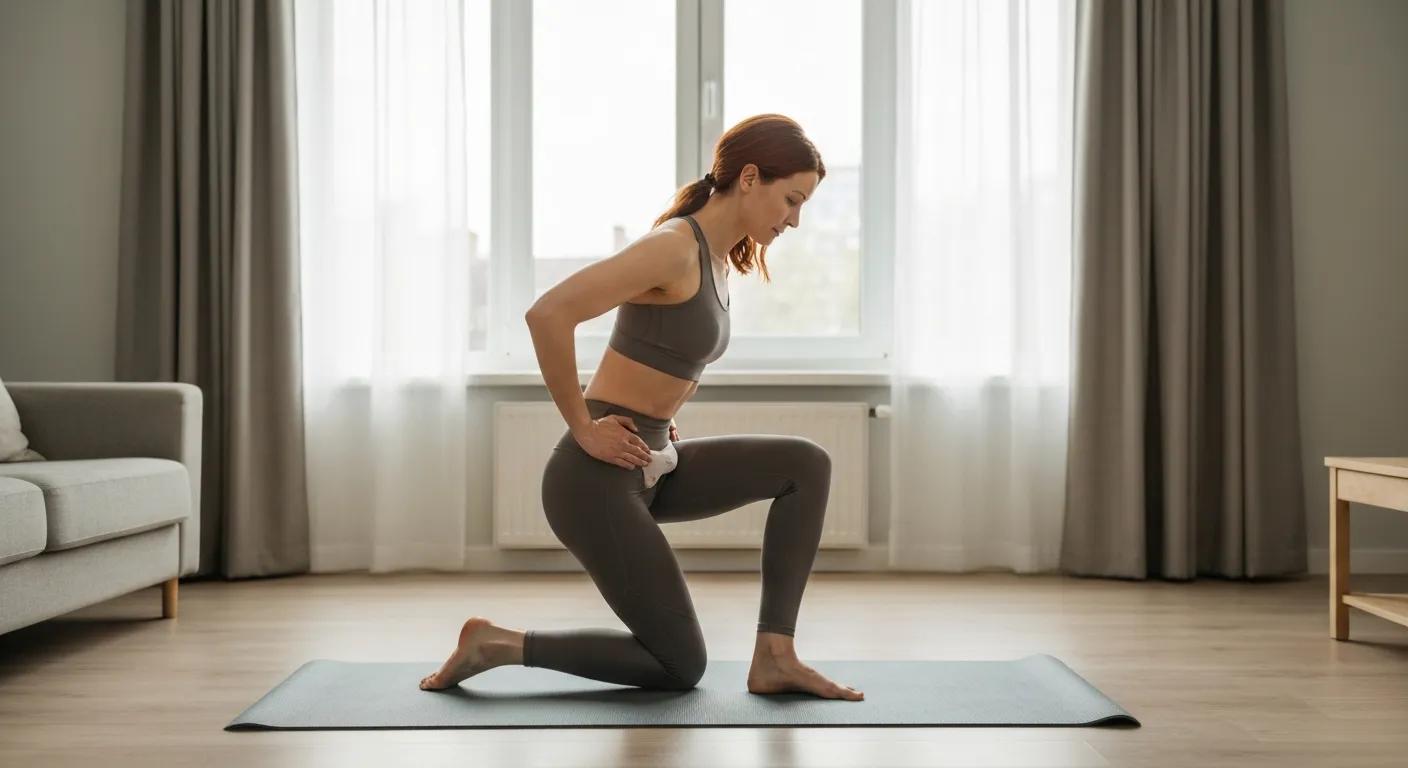
Pelvic-floor exercises can be an important part of managing ongoing pelvic pain after menopause. Many people with a history of endometriosis develop pelvic-floor dysfunction, which may show up as muscles that are too tight, not coordinating well, or sometimes weaker than they should be. When these muscles aren’t functioning smoothly, pain can spread to the hips, lower back, or groin.
A supportive pelvic-floor program focuses on gentle relaxation, improved coordination, and selective strengthening when needed. These exercises often pair breathing techniques with slow, controlled movements to help reduce tension and improve pelvic comfort. Over time, this work can make everyday movement—and even aerobic or strengthening exercise—feel easier and safer.
Below are common pelvic-floor approaches and simple home protocols to guide you.
Pelvic-Floor Approaches and Suggested Home Protocols
These exercises should feel gentle—not forced. If anything worsens your discomfort, stop and speak with a pelvic-floor specialist.
What Pelvic-Floor Exercises Are Effective for Older Women with Endometriosis?
Start with diaphragmatic breathing, which helps reconnect the breath with the pelvic floor and lowers overall tension. Once this feels comfortable, add short sessions of relaxation-focused exercises.
Only introduce light strengthening exercises after a clinician has confirmed that weakness—not tightness—is part of the problem. Helpful signs that things are improving include:
- Less urinary urgency
- Less discomfort when sitting
- More ease during daily activities
If pain increases or contractions feel difficult or stressful, pause and check in with a pelvic-floor physical therapist for personalized guidance.
How Do Pelvic-Floor Exercises Improve Mobility and Reduce Chronic Pelvic Pain?
Pelvic-floor exercises help the pelvic muscles work better with the core, hips, and glutes. When these muscle groups coordinate, you are less likely to hold tension or brace in ways that increase pain.
Improved coordination can:
- Reduce referred pain in the hips, back, or groin
- Make walking, bending, and lifting feel smoother
- Lower the mechanical stress placed on pelvic tissues
- Improve tolerance for longer or more frequent exercise sessions
Many people notice benefits gradually over several weeks, which is why pelvic-floor rehabilitation is often a key part of comprehensive endometriosis care.
What Exercises Should Be Avoided to Prevent Worsening Endometriosis Symptoms After Menopause?
Some exercises can place extra pressure on the pelvis or strain the pelvic floor, which may increase discomfort or trigger symptom flares—especially after menopause, when tissues may be more sensitive. It’s best to avoid high-impact activities and movements that require intense abdominal bracing or breath-holding. These motions can increase pressure downward onto the pelvic floor and make pain feel worse.
Instead, choose low-impact options and gentle core exercises that protect the pelvic floor while still building strength and endurance.
Activities to Avoid or Modify
- Heavy crunches and sit-ups
Try instead: pelvic-neutral core bracing or gentle dead-bug variations. - High-impact HIIT with jumping
Try instead: brisk walking intervals, cycling, or low-impact step routines. - Heavy lifting with breath-holding
Try instead: lighter resistance, steady exhalation through effort, and band-based strength work.
These substitutions help maintain fitness while minimizing pelvic strain and reducing the chance of flares.
Which High-Impact and Intense Abdominal Exercises Are Risky for Postmenopausal Endometriosis?
Exercises that sharply increase abdominal pressure—such as weighted crunches, heavy carries performed with breath-holding, or plyometric jumping—can overload the pelvic floor and surrounding tissues. This extra pressure may lead to increased pelvic discomfort, referred pain, or symptom flare-ups.
Safer core options include:
- Movements that emphasize gentle control rather than force
- Exercises paired with smooth, steady exhalation
- Strengthening that shifts effort toward the hips and glutes instead of intense abdominal flexion
These alternatives build functional strength without aggravating pelvic symptoms.
How Can Women Create a Personalized and Safe Exercise Plan After Menopause?
A simple four-step framework can help you build a safe and effective routine:
- Assess your starting point
Notice your current mobility, symptoms, and any medical considerations. - Set realistic, attainable goals
For example: 20–30 minutes of low-impact aerobic activity three times a week, plus two gentle strength sessions. - Increase slowly
Progress time or repetitions by about 10% every 1–2 weeks, paying attention to how your body responds. - Track symptoms and watch for red flags
Keep notes on pain levels, energy, and sleep. Contact your provider if pain worsens, new neurological symptoms appear, or daily activities become more difficult.
Personalization keeps the program safe and sustainable—and reduces the chance of pain flare-ups.
Frequently Asked Questions
What lifestyle changes complement exercise for managing endometriosis after menopause?
Along with regular movement, supportive daily habits can make a meaningful difference. Balanced nutrition, steady hydration, quality sleep, and stress-management techniques all help calm the body and improve symptom control. Eating nutrient-rich foods—such as colorful fruits and vegetables, whole grains, and omega-3 sources—may support a healthier inflammatory response. Mindfulness or gentle breathing exercises can reduce tension, and consistent sleep routines promote better recovery. Together, these habits help create a well-rounded, long-term management plan.
How can I track my progress when exercising for endometriosis?
A simple journal or app can help you understand what works best for your body. Track the type of exercise you do, how long you spend, and how intense the session feels. Note symptoms before and after activity, including pain, energy, mood, and sleep. Setting small, measurable goals—like increasing walking minutes or adding one extra session per week—can keep you motivated. Reviewing your notes regularly helps you refine your plan and recognize when to slow down or seek support.
Are there specific warm-up and cool-down routines recommended for endometriosis management?
Yes. A gentle warm-up helps prepare your body by gradually increasing circulation—this can include light walking, slow dynamic stretching, or easy mobility drills. Cooling down with gentle stretching and slow, deep breathing helps the body relax and reduces muscle tension. Both steps support pelvic comfort, lower injury risk, and make each workout more effective.
What role does hydration play in managing endometriosis symptoms during exercise?
Staying hydrated supports circulation, temperature regulation, and muscle function during physical activity. Dehydration can worsen fatigue, cramps, and overall discomfort, making exercise harder to tolerate. Drink water before, during, and after your workouts. For longer or more intense sessions, an electrolyte beverage may be helpful. Consistent hydration helps your body recover and benefit from regular activity.
How can I find a qualified instructor for yoga or Pilates focused on pelvic health?
Look for instructors with training in women’s health or pelvic-health–specific certifications. Many studios offer classes tailored to pelvic comfort, and some pelvic-floor physical therapists co-teach or collaborate with instructors. Checking online reviews, asking for referrals from your healthcare team, or exploring local pelvic-health networks can also help you find someone knowledgeable and supportive.
What should I do if I experience increased pain during or after exercise?
If pain increases, pause right away and decrease the intensity or duration of your session. Shift to gentle, low-impact options such as walking, stretching, or deep breathing. If discomfort continues, worsens, or feels different from your usual symptoms, connect with a healthcare professional or pelvic-floor physical therapist. Early adjustment helps you stay safe and ensures that your program supports healing rather than aggravating symptoms.
Conclusion
Pelvic-friendly, thoughtfully structured exercise can play a powerful role in easing endometriosis symptoms after menopause. By lowering inflammation, improving mood and sleep, and strengthening the muscles that support the pelvis, personalized movement plans help many people feel and function better. Progress gradually, listen to your body, and seek professional guidance when needed.
For coordinated support—including rehabilitation before or after surgery, pelvic-floor therapy referrals, or a comprehensive evaluation—consider reaching out to a specialized endometriosis center. Working with an experienced team can help you build a safe, confident path toward long-term well-being.