

Endometriosis often begins during adolescence and can cause symptoms that extend beyond typical menstrual discomfort. Many teenagers experience severe period pain, ongoing pelvic pain, heavy menstrual bleeding, or digestive symptoms that disrupt daily routines. These symptoms may develop gradually and often become more noticeable over time.
Understanding the common symptoms of endometriosis during adolescence helps families recognize when menstrual pain or pelvic discomfort may require medical attention. This article explains the symptoms frequently reported by teenagers with endometriosis and describes how these symptoms can affect daily life during adolescence.
Why Do Endometriosis Symptoms Often Begin During Adolescence?
Endometriosis symptoms frequently appear during adolescence because hormonal activity increases after menstruation begins. Estrogen stimulates endometrial-like tissue, which can lead to inflammation and pain when the tissue develops outside the uterus. As menstrual cycles become established, this hormonal environment may trigger the symptoms associated with endometriosis.
How Do Hormonal Changes Influence Symptoms?
Hormonal fluctuations during the menstrual cycle influence the behavior of endometrial-like tissue. During menstruation, this tissue responds to hormonal signals in a way that can produce inflammation and irritation in surrounding pelvic structures. These biological responses contribute to the pelvic pain and menstrual discomfort often reported by teenagers with endometriosis.
Why Can Symptoms Be Difficult to Recognize in Teens?
Menstrual discomfort is common during adolescence, which can make it difficult to distinguish between typical cramps and symptoms related to endometriosis. Teenagers may assume that severe pain is a normal part of menstruation, and adults may also underestimate the severity of the symptoms. This misunderstanding can delay medical evaluation even when pain begins to interfere with school or daily activities.
Adolescent Endometriosis: Recognizing Symptoms for Timely Diagnosis
Young women who are found to have endometriosis by laparoscopy may be offered medical therapy. The goal of medical therapy is to suppress the disease and to prevent recurrence. Clinicians should be aware of the natural history of adolescent endometriosis. They should also be aware of the presenting symptoms so that the adolescent can be diagnosed and treated in a timely fashion.
Adolescent endometriosis: diagnosis and treatment approaches, 2003
What Are the Most Common Symptoms of Endometriosis in Teenagers?
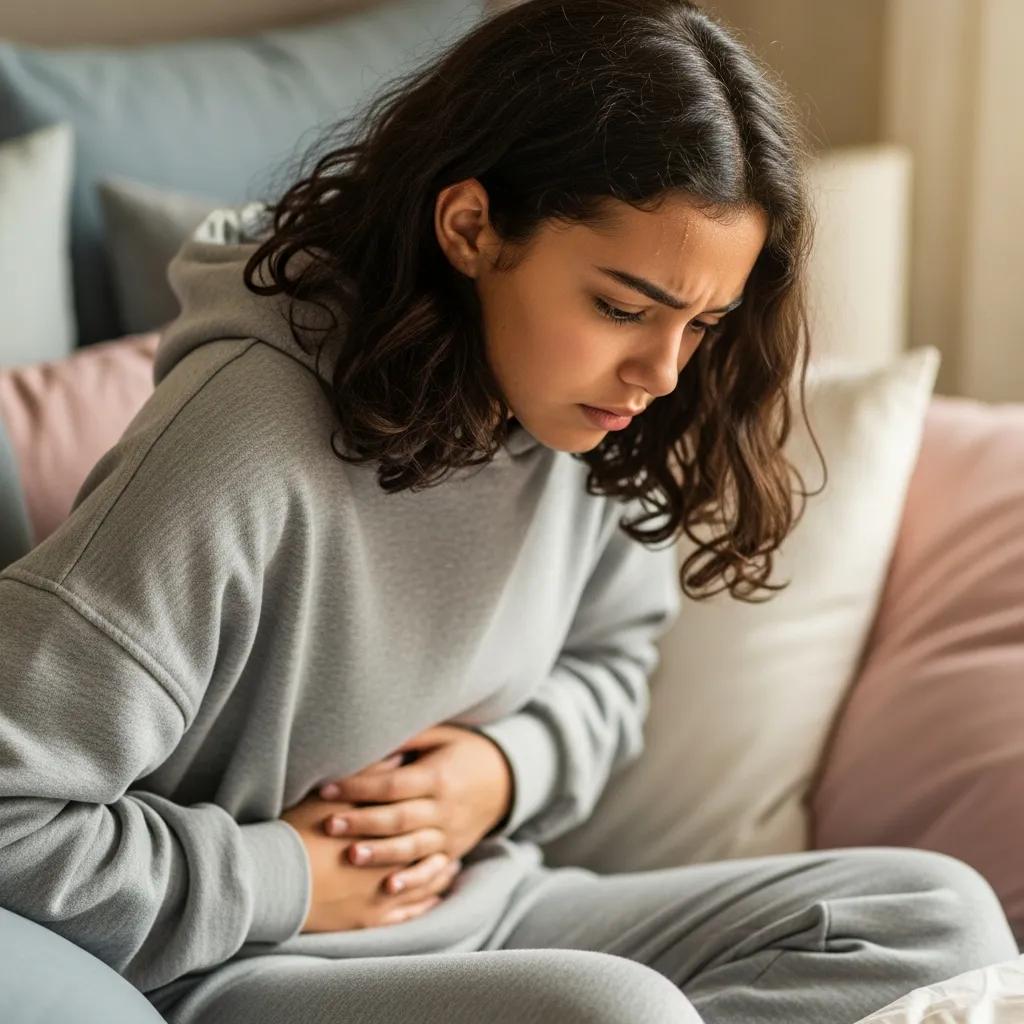
Endometriosis in adolescents often presents with a group of recurring symptoms that affect the pelvic region and menstrual cycle. These symptoms can vary in intensity but frequently follow patterns related to the menstrual cycle. Recognizing these patterns can help families understand when symptoms may indicate an underlying condition.
Severe Period Pain
Severe menstrual cramps are one of the most frequently reported symptoms among teenagers with endometriosis. The pain may begin before menstruation starts and continue for several days during the cycle. Some adolescents experience discomfort intense enough to limit school attendance or participation in activities.
Chronic Pelvic Pain
Pelvic pain associated with endometriosis may occur both during and outside of menstruation. Teenagers may describe a constant ache, pressure in the lower abdomen, or intermittent sharp pain. Persistent pelvic discomfort that continues across menstrual cycles often signals the need for medical discussion.
Heavy or Irregular Menstrual Bleeding
Changes in menstrual bleeding patterns may also occur in adolescents with endometriosis. Some teenagers experience heavy periods that last longer than usual, while others notice irregular cycles or spotting between periods. When these changes occur together with pelvic pain, clinicians may recommend further evaluation.
How Does Pelvic Pain Develop in Adolescents With Endometriosis?
Pelvic pain is the most common symptom reported by teenagers with endometriosis. The pain occurs when endometrial-like tissue grows outside the uterus and triggers inflammation in nearby pelvic structures. Over time, this inflammation can irritate nerves and surrounding tissues, which contributes to persistent or recurring discomfort.
What Types of Pelvic Pain Do Teens Experience?
Teenagers with endometriosis may describe pelvic pain in several ways. Some experience sharp or stabbing pain during menstruation, while others report a deep aching sensation in the lower abdomen. Cramping pain that resembles severe menstrual cramps is also common. The intensity of pain may vary from one cycle to another.
How Can Pelvic Pain Change Over Time?
Pelvic pain linked to endometriosis can evolve gradually. Some adolescents notice that the pain becomes stronger with each menstrual cycle or lasts longer than it did previously. In some cases, discomfort begins to appear outside the menstrual cycle as inflammation continues. Increasing pain over time often signals the need for medical evaluation.
What Other Symptoms Can Occur With Adolescent Endometriosis?
Although pelvic pain is the most recognizable symptom, endometriosis can affect other body systems as well. Teenagers may experience additional symptoms that appear during the menstrual cycle or occur alongside pelvic pain. Recognizing these patterns can help families understand when symptoms may be related to endometriosis.
Digestive Symptoms During Menstruation
Digestive symptoms frequently occur during the menstrual cycle in adolescents with endometriosis. Some teenagers report abdominal bloating, constipation, diarrhea, or nausea that worsens during their period. These symptoms may appear alongside pelvic pain and often follow a recurring monthly pattern.
Fatigue and Reduced Energy
Persistent fatigue is another symptom that some teenagers experience. Chronic pain and inflammation can affect sleep and overall energy levels. Adolescents may feel unusually tired during their menstrual cycle or struggle to maintain their normal level of activity throughout the day.
Pain During Bowel Movements or Urination
Pelvic inflammation associated with endometriosis can sometimes affect nearby organs such as the bladder or bowel. Teenagers may notice discomfort during bowel movements or increased urinary urgency during menstruation. These symptoms may occur intermittently but often coincide with the menstrual cycle.
How Can Endometriosis Symptoms Affect Daily Life During Adolescence?
Endometriosis symptoms can influence many aspects of a teenager’s routine. Adolescents balance academic responsibilities, physical activities, and social relationships. Persistent pelvic pain, fatigue, and menstrual symptoms can disrupt these activities and create challenges that extend beyond physical discomfort.
Effects on School Attendance
Severe menstrual pain or ongoing pelvic discomfort can make it difficult for teenagers to attend school consistently. Some adolescents miss classes during pain episodes or struggle to concentrate during lessons when symptoms occur. Repeated absences may affect academic performance and increase stress related to school responsibilities.
Impact on Physical Activities and Sports
Participation in sports and physical activities may become difficult when pelvic pain or fatigue occurs regularly. Teenagers who previously enjoyed athletics or exercise may reduce participation during painful menstrual cycles. This change in activity level can influence both physical health and social engagement.
Social and Emotional Effects
Chronic symptoms can also influence social relationships and emotional wellbeing. Teenagers may avoid social gatherings, school events, or extracurricular activities when they anticipate pain or fatigue. Over time, this pattern may contribute to feelings of frustration or isolation if symptoms limit participation in normal adolescent experiences.
When Should Teens Seek Medical Advice for Endometriosis Symptoms?
Many teenagers experience menstrual cramps during adolescence, yet certain symptoms suggest that medical evaluation may be appropriate. Recognizing these patterns helps families determine when to discuss symptoms with a healthcare professional.
Persistent Pelvic Pain
Pelvic pain that continues across multiple menstrual cycles or occurs outside menstruation deserves medical attention. Persistent discomfort may indicate an underlying condition that requires evaluation and appropriate management.
Severe Period Pain That Disrupts Activities
Menstrual cramps that prevent school attendance, interrupt sleep, or limit daily activities should not be ignored. Severe pain that does not improve with common pain medications often requires clinical assessment.
Symptoms That Worsen Over Time
Symptoms that become stronger or last longer with each menstrual cycle may indicate progressive inflammation within the pelvis. Teenagers who notice worsening pelvic pain, heavier bleeding, or increasing fatigue may benefit from medical consultation with clinicians experienced in adolescent endometriosis care, such as those at the Endo Excellence Center.
Frequently Asked Questions
What are the most common symptoms of endometriosis during adolescence?
The most common symptoms include severe period pain, persistent pelvic pain, and heavy or irregular menstrual bleeding. Some teenagers also experience digestive symptoms, fatigue, or discomfort during bowel movements during their menstrual cycle.
Is severe period pain normal for teenagers?
Mild menstrual cramps are common during adolescence. Severe pain that prevents a teenager from attending school, sleeping comfortably, or participating in normal activities should be evaluated by a healthcare professional.
Can endometriosis symptoms begin soon after the first period?
Yes. Symptoms can begin during the first few years after menstruation starts. Some teenagers notice severe period pain or pelvic discomfort early in adolescence.
Do digestive symptoms occur with endometriosis?
Digestive symptoms such as bloating, nausea, constipation, or diarrhea can occur in some adolescents with endometriosis, particularly during menstruation.
When should teens seek medical evaluation?
Medical evaluation is appropriate when pelvic pain becomes persistent, severe, or progressively worse over time. Teenagers who experience symptoms that interfere with school, sports, or daily routines may benefit from clinical assessment.
Conclusion
Endometriosis symptoms during adolescence often include severe menstrual pain, persistent pelvic discomfort, heavy bleeding, and additional symptoms such as fatigue or digestive changes. These symptoms can affect school attendance, physical activities, and overall wellbeing.
Understanding the common symptoms of endometriosis helps teenagers and families recognize when menstrual discomfort may require medical attention. Early recognition and clinical evaluation support appropriate care and help adolescents manage symptoms while maintaining healthy daily routines.