
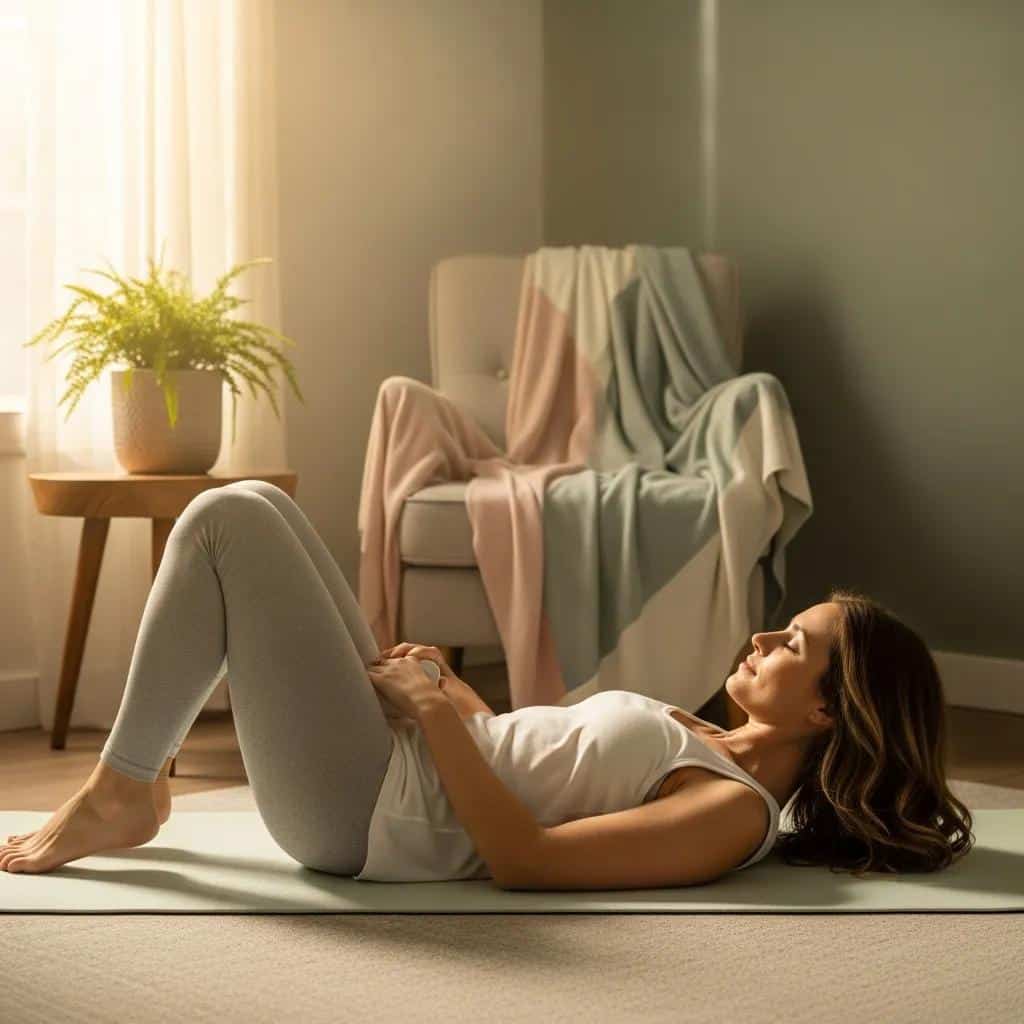
Endometriosis commonly causes chronic pelvic pain. Targeted pelvic floor exercises—performed with correct technique—can reduce tension, improve muscle coordination, and ease discomfort. This article summarizes the relationship between pelvic floor dysfunction and endometriosis, the exercises that often provide relief, and how to safely integrate these practices with medical care to enhance daily comfort.
What is pelvic floor dysfunction, and how does it connect to endometriosis?
Pelvic floor dysfunction refers to problems with the muscles and connective tissues that support pelvic organs. When these muscles are tight, weak, or in spasm, they can cause pain and affect bladder, bowel, and sexual function. Endometriosis—tissue like the uterine lining growing outside the uterus—can cause inflammation, scarring, and nerve irritation that contribute to pelvic floor problems. Recognizing this overlap helps shape more effective, individualized care.
Clinical evaluations support pelvic floor physiotherapy as a targeted approach to address pain and dysfunction linked to endometriosis.
Understanding the pelvic floor and its role in endometriosis pain
The pelvic floor supports the bladder, uterus, and rectum. When muscles are overactive, weak, or in spasm, they can exacerbate pelvic pain. Learning to relax the pelvic floor and to strengthen it when necessary can reduce discomfort and restore function—ideally under the guidance of a professional.
How endometriosis leads to pelvic floor dysfunction and chronic pelvic pain
Endometriosis can create inflammation, adhesions, and nerve irritation. Those changes sensitize nearby muscles and nerves, producing a cycle where pain causes tightening and tightened muscles sustain pain. Addressing both tissue pathology and muscle behavior is key to breaking that cycle.
Research shows a notable link between deep endometriosis and an increased occurrence of pelvic floor muscle spasms.
Which pelvic floor exercises can ease endometriosis symptoms?
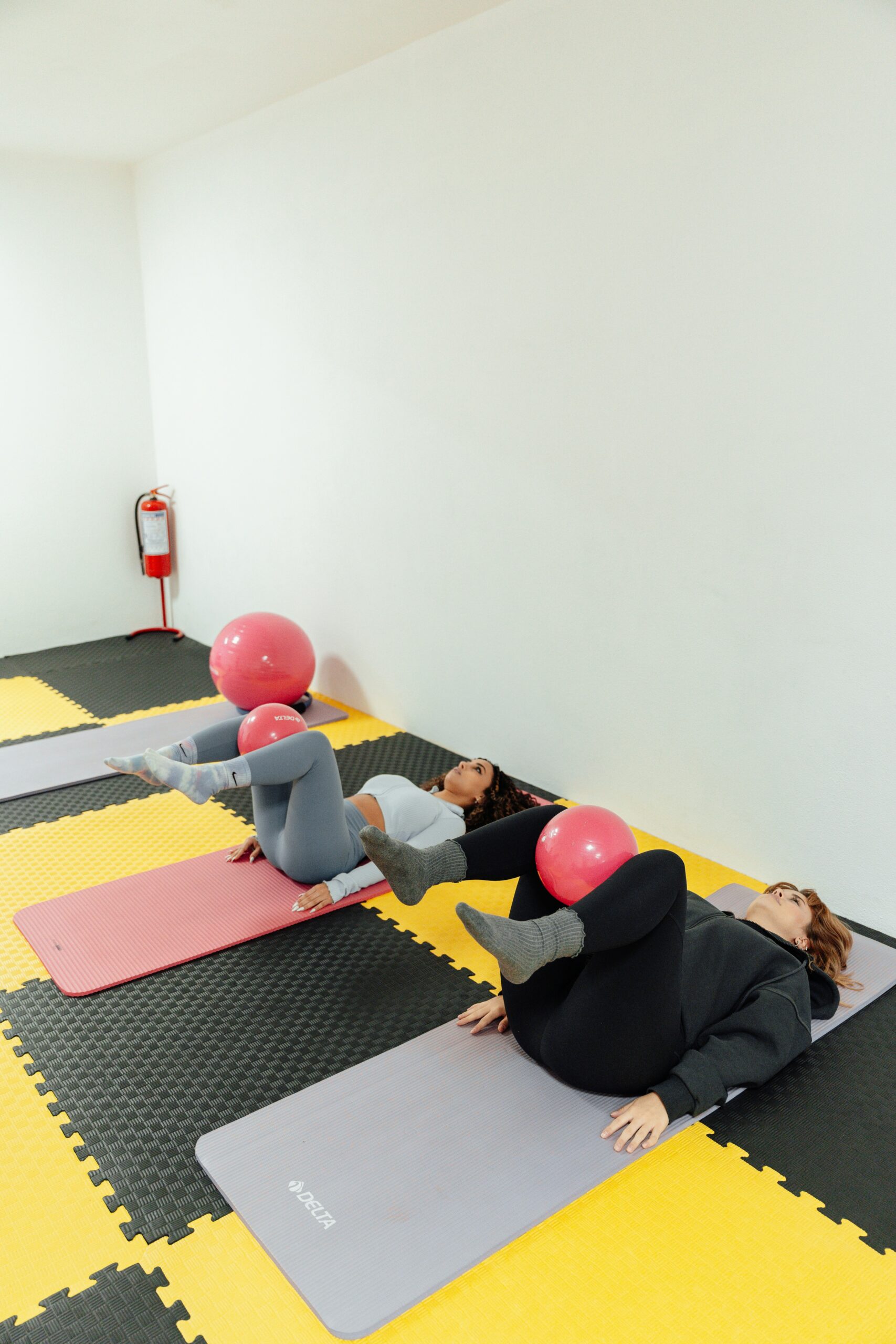
Work that emphasizes relaxation and restoring normal resting tone often helps more than exercises focused only on strengthening. The goal is to reduce muscle tension and improve coordination.
Top pelvic relaxation techniques that help endometriosis pain
- Diaphragmatic breathing: Breathe slowly into the belly and exhale gently. Deep, steady breaths promote pelvic-floor relaxation.
- Gentle stretching: Slow, gentle stretches of the hips, glutes, and lower back help reduce tension that pulls on the pelvic floor.
- Pelvic floor relaxation (reverse Kegels): Practice consciously lengthening and easing the pelvic muscles rather than tightening them; this often relieves pain for people with endometriosis-related tension.
How to practice these exercises safely at home
Follow these practical safety tips:
- Begin gently: Start with breathing and light stretches to assess comfort.
- Prioritize form: Breath timing and pelvic position matter; if unsure, consult a pelvic floor clinician.
- Honor pain signals: Stop any movement that increases sharp or worsening pain and seek professional advice.
When should pelvic floor therapy start after excision surgery?

Pelvic floor therapy is often a valuable part of recovery. Timing is individualized to balance healing with the prevention of stiffness and dysfunction.
Recommended post-excision exercise approach for recovery
Clinicians commonly advise beginning therapy once the surgical site has healed sufficiently—often around 4–6 weeks post-op, though this varies. Early, very gentle techniques maintain mobility; more active work is introduced later under supervision. A typical phased approach includes:
- Very gentle stretching: Preserve range of motion and limit compensatory tightness.
- Pelvic floor relaxation exercises: Release spasms and restore resting tone.
- Breathing and mindfulness: Support relaxation and pain regulation during recovery.
Strengthening exercises, such as traditional Kegels, are typically added later, under the guidance of a clinician, to match your healing stage.
How pelvic floor therapy supports surgical recovery and reduces pain
Evidence suggests that pelvic floor therapy improves muscle coordination, reduces pain, and facilitates functional recovery after surgery. When included in post-op care, many patients report smoother recoveries and less persistent pain, supporting an integrated approach.
Research has examined the benefits of pelvic floor physiotherapy for women with deep infiltrating endometriosis and its effects on multiple pelvic functions.
Benefits of combining pelvic floor work with medical treatments

Combining pelvic floor therapy with medical or surgical care addresses both tissue-level causes and the muscular responses that maintain pain. Together, they often produce better pain control and function than either approach alone.
How pelvic floor therapy complements excision surgery
After surgery, pelvic floor therapy helps alleviate lingering muscle tension, restores coordination, and reconditions healthy movement patterns—supporting faster functional recovery and reducing the risk of persistent pain.
Patient stories: relief through combined pelvic floor therapy
Many patients report meaningful improvement when pelvic floor therapy is integrated with medical treatment—less daily pain, easier intercourse, and more predictable bladder and bowel function. These outcomes highlight the value of coordinated care.
The table shows how techniques target specific aspects of pelvic health. Regular, guided practice can improve comfort and function over time.
Pelvic floor work is an essential element of comprehensive endometriosis care. Understanding the interaction between pelvic floor dysfunction and endometriosis helps people pursue targeted strategies that reduce pain and improve daily life. Combine exercises with appropriate medical treatment and consult a pelvic health clinician for a personalized plan.
Frequently Asked Questions
What are the signs that I may need pelvic floor therapy for endometriosis?
Consider pelvic floor therapy for ongoing pelvic pain, pain with intercourse, urinary urgency or leakage, constipation or straining, or a sense of tightness or spasms. A pelvic health specialist can assess muscle function and recommend a tailored plan.
Can pelvic floor exercises be harmful if done incorrectly?
Yes—incorrect technique can worsen pain or reinforce unhealthy muscle patterns. Prioritize correct form and stop exercises that increase sharp or persistent pain. Working with a qualified pelvic floor therapist reduces risk and speeds progress.
How long does it take to see results from pelvic floor exercises?
Timing varies. Some people notice a reduction in tension within weeks, while others may require several months of consistent practice to achieve this. Progress depends on the severity of dysfunction, adherence, and whether therapy is combined with medical or surgical treatment.
Are there any specific precautions to take when starting pelvic floor exercises?
Begin slowly, emphasize relaxation, and avoid pushing through pain. If you’ve recently had surgery or have other medical issues, check with your healthcare provider. A clinician can recommend the safest approach for your recovery stage.
Can pelvic floor exercises help with conditions other than endometriosis?
Yes. Pelvic floor therapy is used for urinary incontinence, pelvic organ prolapse, chronic pelvic pain syndromes, and sexual dysfunction. Tailoring exercises to the condition is vital for good results.
What role does a pelvic floor therapist play in managing endometriosis?
A pelvic floor therapist evaluates muscle tone, movement patterns, and pain triggers, then creates a personalized program that may include manual therapy, targeted exercises, and education on posture and breathing. They work closely with your medical team to support your recovery and enhance your daily function.
Conclusion
Adding pelvic floor exercises to a comprehensive endometriosis treatment plan can help reduce pain, restore function, and improve overall quality of life. By addressing both tissue-level issues and muscular responses, people can make meaningful progress. Consult reputable resources and a pelvic health professional to create a safe, personalized path forward.