

Endometriosis can significantly disrupt daily life, often causing chronic pelvic pain along with challenges related to bowel, bladder, or sexual function. These symptoms may fluctuate over time or intensify during menstruation, physical activity, or intimacy, making routine tasks and overall quality of life difficult to maintain. Pelvic floor physical therapy is an evidence-informed, targeted rehabilitation approach that addresses both the muscular and nervous system contributors to pain. It helps many people reduce discomfort, improve mobility, and regain functional control while supporting symptom management alongside medical or surgical care. For many patients, physical therapy is part of a broader care journey that begins when they search for an endometriosis doctor or clinic near them. This article explains what pelvic floor physical therapy involves, the techniques commonly used in treatment, and how physical therapy complements excision surgery to support recovery and long-term relief.
What is pelvic floor physical therapy, and how can it help people with endometriosis?

Pelvic floor physical therapy focuses on the muscles, connective tissue, and movement patterns of the pelvis and core. For people with endometriosis, these structures can become tense, irritated, or imbalanced, contributing to chronic pain and discomfort. Therapists work to release muscle tightness, address trigger points, and correct faulty movement patterns that may amplify pain during daily activities, exercise, or intimacy. Techniques often include guided exercises, posture and breathing strategies, and hands-on therapy to improve flexibility and circulation. By restoring balanced muscle function, enhancing mobility, and teaching practical self-management strategies, pelvic floor physical therapy can reduce pain, improve pelvic stability, and make everyday tasks, including sitting, walking, and physical activity, more comfortable. Many patients find that combining these therapies with medical care or excision surgery provides a more comprehensive path to lasting relief.
Understanding pelvic floor dysfunction in endometriosis
Pelvic floor dysfunction means the pelvic muscles are tight, weak, or poorly coordinated. In endometriosis, inflammation and pelvic irritation can cause guarding and trigger points that add to pain, urinary or bowel symptoms, and discomfort with intercourse. Treating muscular dysfunction alongside medical or surgical care improves long-term outcomes.
How physical therapy reduces endometriosis-related pelvic pain
Therapists combine hands-on work, neuromuscular re-education, breathing training, and tailored exercise to help the pelvic floor relax and function efficiently. Manual myofascial release, biofeedback, and progressive mobility or strengthening can reduce pain, improve control, and increase activity tolerance. Many patients report meaningful symptom relief after a course of therapy.
Clinical reports and small studies support pelvic floor PT as a helpful addition for people with chronic pelvic pain and endometriosis, especially in younger patients.
Which physical therapy exercises help relieve endometriosis pain?
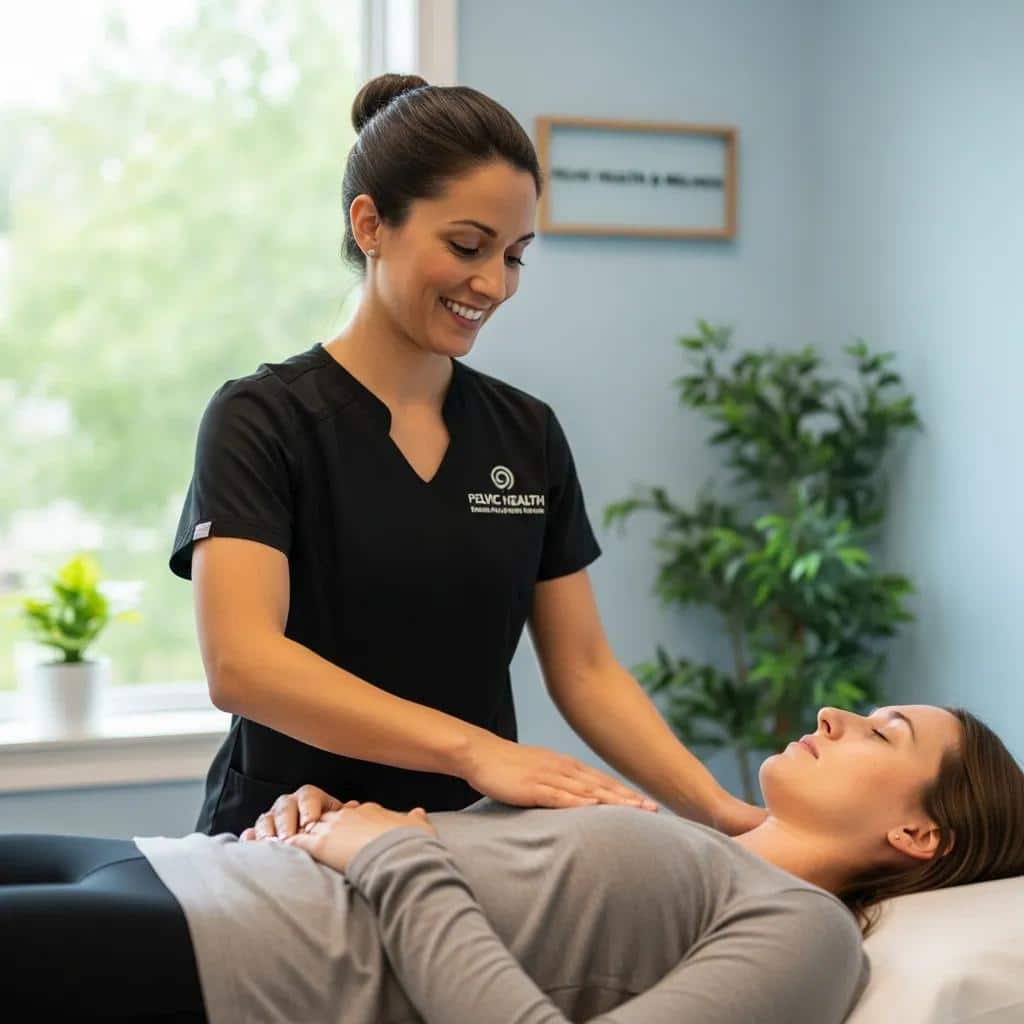
A balanced pelvic floor PT program blends relaxation, mobility work, and progressive strengthening. Programs are individualized — what helps one person may not suit another. Common, effective approaches are described below.
Diaphragmatic breathing and relaxation techniques for pelvic pain
Diaphragmatic breathing teaches the pelvic floor to release with each breath and reduces chronic muscle holding. Therapists coach slow, controlled breaths and coordinate breath with pelvic-floor release so you can use this skill during flares.
Gentle stretches and manual therapy to improve pelvic mobility
Manual myofascial release, soft-tissue mobilization, and guided stretching reduce localized tightness and improve tissue mobility. Paired with gentle mobility exercises, these techniques relieve trigger points and restore comfortable movement through the hips, low back, and pelvis.
What are the benefits of integrating physical therapy with endometriosis excision surgery?

Combining pelvic floor physical therapy with excision surgery addresses both the underlying endometriosis lesions and the muscular or movement issues that can continue to cause pain. Pre-operative therapy helps prepare the body for surgery by improving flexibility, strengthening the core and pelvic muscles, and teaching breathing and movement strategies that support healing. Post-operative treatment focuses on gentle mobilization, scar tissue management, and gradual restoration of standard movement patterns to prevent stiffness or compensatory muscle tension. Integrating physical therapy in this way can speed recovery, reduce post-surgical pain, and lower the risk that lingering muscle dysfunction or poor movement habits will continue to trigger symptoms. Many patients find that this combined approach not only improves physical outcomes but also supports emotional well-being by giving them a sense of control over their recovery and long-term symptom management.
Pre-operative physical therapy: preparing for the best possible recovery
Pre-op PT identifies pelvic floor dysfunction and teaches strategies — breathing, gentle strengthening, and pacing — to make the post-op period easier. Preparing the body and expectations often reduces anxiety and helps a smoother return to daily life.
Post-operative physical therapy for recovery and tissue mobility
After excision, guided PT restores strength, flexibility, and coordinated movement while addressing scar tissue mobility and residual muscle tension. Evidence on adhesion prevention is limited, but therapy commonly improves tissue mobility and reduces persistent myofascial pain.
Research shows many people with endometriosis still experience pelvic pain after surgery, often due to muscle and fascial dysfunction — a reason targeted physical therapy remains essential.
How can physical therapy improve overall well‑being for people with endometriosis?

Physical therapy addresses the physical drivers of pain, such as tight muscles, trigger points, and restricted movement, while also teaching practical strategies that can be used in daily life. These strategies may include guided exercises, posture adjustments, breathing techniques, and self-massage to reduce tension and prevent flare-ups. By targeting both the physical and functional aspects of endometriosis, patients often experience greater comfort during everyday activities, improved mobility, and more confidence in managing their symptoms. In addition, reducing pain and improving function can have a positive effect on emotional health, lowering stress and anxiety that frequently accompany chronic pelvic pain. Many people report feeling more in control of their bodies and better able to participate in work, social life, and physical activity, which together enhance overall well-being.
Improving bladder, bowel, and sexual health through pelvic floor therapy
By restoring pelvic floor coordination and addressing tight or overactive muscles, physical therapy can help reduce urinary urgency, frequency, or discomfort, making daily routines more manageable. Therapists also target trigger points and restricted tissue that may contribute to constipation, bloating, or painful bowel movements, helping to ease digestive symptoms. For many people with endometriosis, sexual activity can be a source of pain or anxiety. Pelvic floor therapy works to relax and lengthen the pelvic muscles, improve blood flow, and teach techniques for comfort and control during intimacy. These improvements not only reduce pain but also enhance confidence, promote a sense of bodily autonomy, and allow patients to engage more fully in daily life, social activities, and relationships.
The Multidisciplinary Approach to Endometriosis Care and PT’s Role

Endometriosis is a complex, systemic condition that often requires a comprehensive, multidisciplinary approach to achieve the best possible outcomes. It’s not just about managing lesions; it’s about addressing the widespread impact on the body and mind. While medical management, including hormonal therapies and pain medications, and surgical interventions such as excision are foundational, integrating specialized healthcare professionals ensures that all facets of a patient’s health—physical, emotional, and functional—are thoroughly addressed. Pelvic floor physical therapy plays a pivotal and often underestimated role within this collaborative framework. It acts as a crucial bridge, connecting surgical recovery, ongoing pain management strategies, and the restoration of daily functional capabilities. This integrated model is essential because it recognizes that endometriosis pain is rarely solely anatomical; it frequently involves neurological sensitization, significant muscular dysfunction, and a profound psychological impact that requires diverse expertise.
Collaborating with Gynecologists and Surgeons for Optimal Outcomes
Pelvic floor physical therapists frequently collaborate closely with gynecologists and endometriosis excision surgeons, forming a cohesive team dedicated to patient well-being. This partnership is vital both before and after surgical procedures. In the pre-operative phase, therapists can significantly prepare the body by improving pelvic mobility, reducing chronic muscle guarding, and educating patients on optimal movement patterns and breathing strategies that will support healing post-surgery. This “pre-habilitation” can lead to smoother recoveries, potentially fewer post-surgical complications, and a better understanding of the recovery process. After surgery, PT becomes indispensable for managing scar tissue, which can otherwise restrict movement and cause pain. Therapists guide patients through exercises to restore core and pelvic floor strength, address any lingering myofascial pain, and correct dysfunction that surgery alone cannot fully resolve. Regular, open communication between the surgeon and therapist is paramount; it ensures that the rehabilitation plan is perfectly aligned with the surgical findings, the patient’s individual recovery timeline, and their long-term goals. This coordinated effort is key to optimizing sustained relief and preventing the recurrence of symptoms related to muscular compensation or poor movement habits.
Integrating with Pain Management Specialists and Mental Health Professionals
The chronic pain associated with endometriosis often extends beyond localized tissue damage, frequently involving central sensitization, where the nervous system becomes hypersensitive to pain signals. Pelvic floor physical therapists are uniquely trained to address this neurological component through specialized techniques such as neuromuscular re-education, biofeedback, and graded exposure to movement, helping to retrain the brain and body’s pain response. They work hand in hand with pain management specialists who may prescribe medications, nerve blocks, or other interventional procedures.
The Role of Nutritionists and Lifestyle Coaches in Comprehensive Care
While not directly part of pelvic floor physical therapy, nutrition and lifestyle factors can profoundly influence endometriosis symptoms, inflammation levels, and overall well-being. A truly multidisciplinary team often includes nutritionists who can guide patients on anti-inflammatory diets, address gut health issues that frequently co-occur with endometriosis, and optimize nutrient intake for healing. Similarly, lifestyle coaches can assist with stress management techniques, improve sleep hygiene, and help incorporate gentle, appropriate exercise routines into daily life. Pelvic floor therapists can reinforce these crucial lifestyle changes by teaching body awareness, stress-reducing diaphragmatic breathing techniques, and safe exercise modifications that support pelvic health without exacerbating symptoms. By addressing diet, stress, sleep, and activity levels alongside targeted physical therapy, patients can achieve a more profound and sustained reduction in symptoms, fostering greater control over their condition and promoting long-term health.
Physical therapy’s role in emotional well‑being and chronic pain management

Chronic pelvic pain affects mood and relationships. Pelvic floor PT includes education, pacing, and self-management skills that help people feel more empowered and better able to manage flare-ups.
This table summarizes how pelvic floor physical therapy contributes at each stage, from preparation to long-term maintenance.
Pelvic floor PT is a patient-centered component of multidisciplinary endometriosis care. Addressing both surgical and muscular contributors helps many patients achieve sustained relief. The Endometriosis Center of Excellence, led by Dr. Rachael Ann Haverland, offers coordinated care that combines surgical expertise with pelvic health rehabilitation and supportive resources to guide recovery and beyond.
Frequently Asked Questions
What qualifications should a pelvic floor physical therapist have?
Look for a licensed physical therapist with specialized training or certification in pelvic health. Experience treating endometriosis-related pelvic pain is crucial. Ask about their specific coursework, techniques, and how they collaborate with other healthcare providers to ensure a tailored and effective recovery plan.
How long does a typical pelvic floor physical therapy session last?
Sessions typically last 45 to 60 minutes, allowing for assessment, hands-on treatment, and home exercise instruction. Initially, weekly visits are common, gradually spacing out as symptoms improve and you gain confidence in self-management. Consistent home practice is key to maximizing effectiveness and achieving long-term relief.
How can I find a pelvic floor physical therapist near me?
Ask your gynecologist or surgeon for referrals, or use professional directories like the American Physical Therapy Association’s pelvic health section. Schedule an initial consultation to discuss your needs and medical history, and to ensure the therapist’s approach aligns with your personalized recovery plan.
Conclusion
Pelvic floor physical therapy is a practical, evidence-informed approach for people with endometriosis who are seeking pain relief, improved function, and greater comfort in daily life. By targeting muscle imbalances, releasing tension, restoring mobility, and teaching effective self-management strategies, therapy addresses the physical contributors to pain while complementing medical treatments and surgical interventions. Many patients find that integrating physical therapy into their care plan not only reduces discomfort but also enhances confidence, emotional well-being, and overall quality of life. If you are exploring options for managing endometriosis, scheduling a pelvic health assessment with a qualified therapist can help determine whether physical therapy fits your personalized recovery plan and how it can work alongside your medical or surgical care for lasting improvement.