
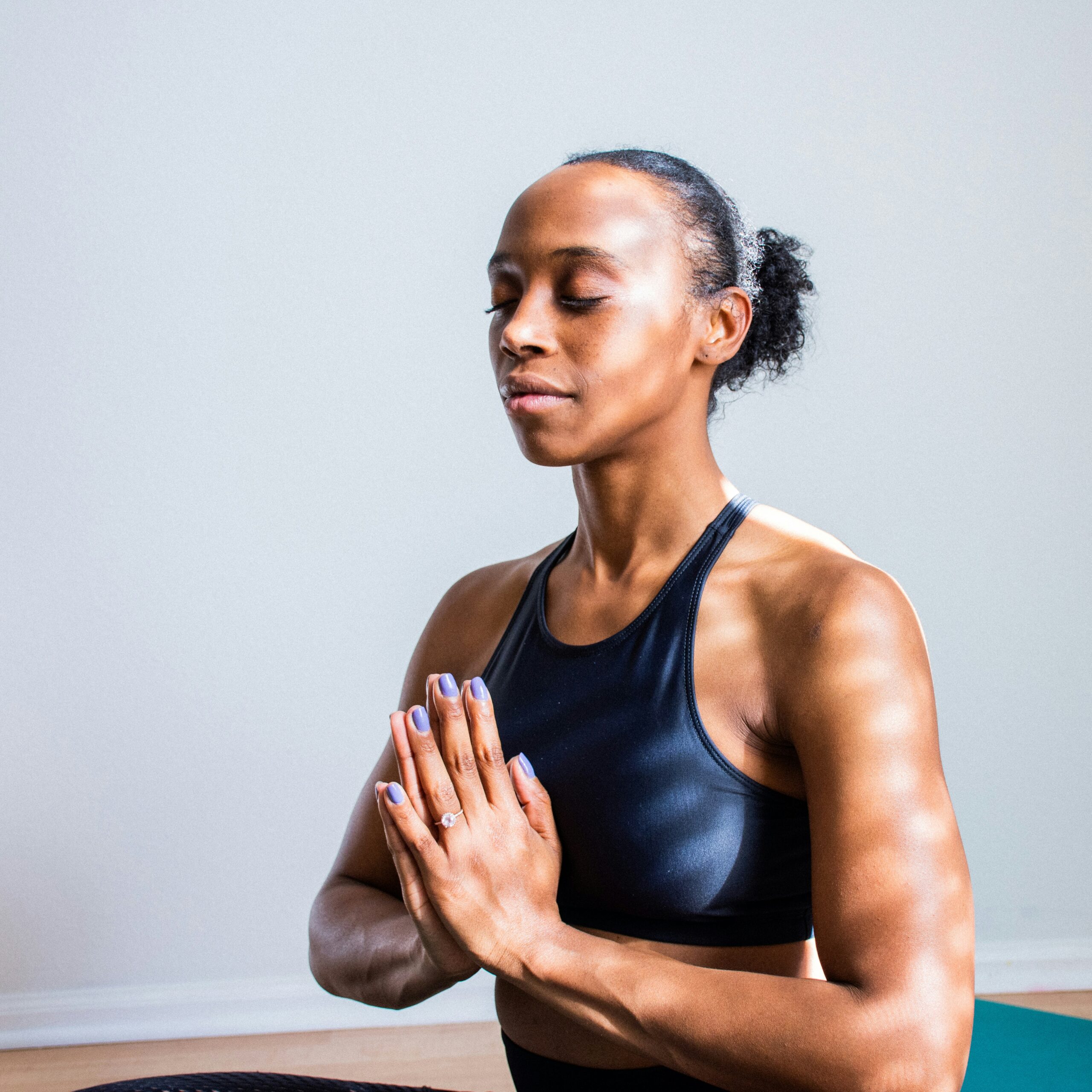
Gentle pelvic floor exercises, adequate rest, an anti-inflammatory dietary pattern, and simple mindfulness practices can all play supportive roles in lowering pain and promoting recovery for individuals living with endometriosis. Carefully guided pelvic floor work may help reduce muscle tension, improve coordination, and address dysfunction that often develops alongside chronic pelvic pain. Prioritizing rest is equally important, as fatigue and symptom flare-ups can worsen inflammation and limit the body’s ability to heal.
Nutritional strategies that emphasize anti-inflammatory foods, such as fruits, vegetables, omega-3-rich sources, and whole grains, may also help modulate inflammatory pathways that contribute to discomfort. In addition, mindfulness-based practices like breathing exercises, meditation, or gentle relaxation techniques can support nervous system regulation, reduce stress-driven pain sensitivity, and improve overall coping. Together, these approaches are most effective when integrated into a broader, individualized treatment plan under the guidance of a healthcare team.
What Is Pelvic‑Floor Dysfunction In Endometriosis – And How Does It Contribute To Pain?

Pelvic‑floor dysfunction occurs when the muscles that support the pelvis lose coordinated timing and control. Pain, local inflammation, scar tissue or adhesions often trigger this loss of coordination, creating a pain–tension cycle that can worsen pelvic, bladder, bowel, or sexual symptoms.
Deep endometriosis is commonly associated with increased pelvic‑floor muscle spasm.
Mindfulness & pelvic‑floor PT for chronic pelvic pain
A 2023 systematic review and meta‑analysis found measurable improvements when mindfulness practices and pelvic‑floor physical therapy were added to comprehensive care for chronic pelvic pain.
Pelvic floor physical therapy and mindfulness: approaches for chronic pelvic pain in women – a systematic review and meta-analysis, 2023
How Does Endometriosis Cause Pelvic‑Floor Muscle Problems?
Ongoing nociceptive signals and local inflammation encourage protective guarding, and adhesions alter pelvic mechanics. These factors often lead to pain with intercourse, urinary urgency, or difficulty with bowel movements.
Which Pelvic‑Floor Exercises Can Reduce Endometriosis Pain?
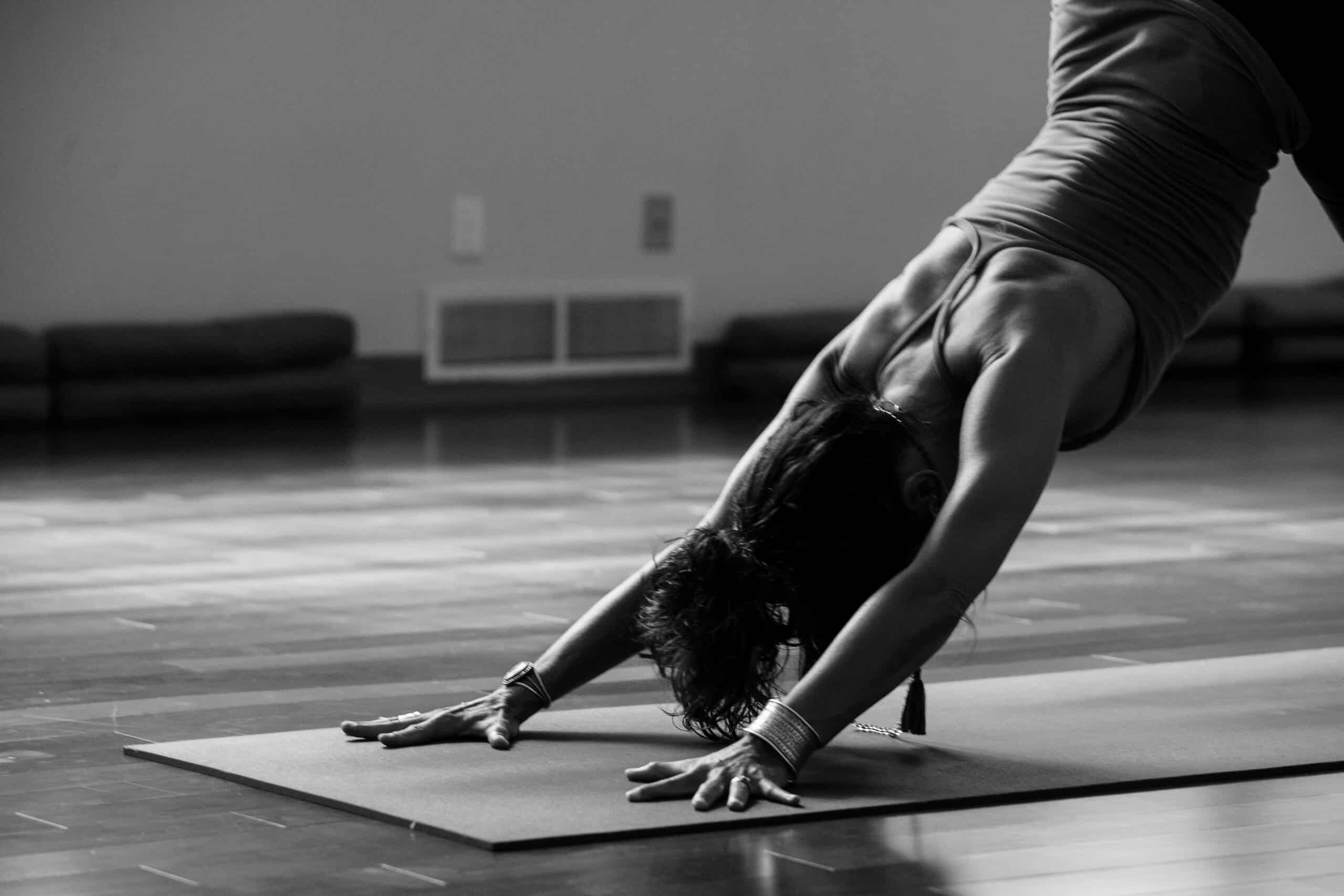
Choose low-impact movement and targeted pelvic work that does not increase pain, such as gentle walking, beginner Pilates, controlled stretching, and breath-centered restorative practices. These activities can promote healthy circulation, maintain mobility, and encourage relaxation while minimizing strain on sensitive pelvic tissues. When performed at a comfortable pace and adjusted to symptom levels, this type of movement supports the body without placing unnecessary stress on areas that may already be inflamed or tend
How Does Diaphragmatic Breathing Relax Pelvic‑Floor Muscles?
Slow, deep diaphragmatic breaths lower sympathetic arousal and encourage pelvic‑floor lengthening, helping interrupt guarding patterns that amplify pain.
What Are Reverse Kegels And How Can They Help?
Reverse Kegels are a gentle, intentional lengthening of the pelvic floor timed to a slow exhale; combined with breathwork they can ease chronic tightness and retrain muscle timing.
How Can Pelvic‑Floor Therapy Support Endometriosis Treatment And Surgical Recovery?

Pelvic‑floor physical therapy (PFPT) is an essential component of coordinated care. Preoperative conditioning and supervised postoperative rehabilitation restore movement, reduce compensatory guarding, and support recovery after excision surgery.
Multidisciplinary plans that include gynecology, PFPT, nutrition, and mental‑health support typically yield better short‑ and long‑term outcomes.
What Role Does Pelvic‑Floor Physical Therapy Play After Excision Surgery?
Postoperative PFPT focuses on myofascial release, coordination retraining, posture and movement re‑education, and graded activity to safely restore function.
When Should You Seek Professional Pelvic‑Floor Therapy?
See a pelvic‑floor therapist for persistent pelvic pain, ongoing urinary or bowel symptoms, pain during intercourse, or suspected muscle tightness that does not improve with self‑care.
Can Yoga And Mindfulness Improve Pelvic‑Floor Function And Endometriosis Symptoms?

Gentle yoga and mindfulness reduce stress, increase flexibility, and promote pelvic‑floor relaxation; breathwork and restorative poses support diaphragmatic breathing and complement medical and physical therapies.
Clinical studies and systematic reviews support using yoga as an adjunct for pelvic pain and pelvic‑floor function in people with endometriosis.
Yoga for pelvic‑floor muscles in endometriosis
Specific yoga postures can help people find and gently lengthen pelvic‑floor muscles. Systematic reviews that include women with endometriosis report improvements in pain and quality of life.
Effects of yoga on quality of life and pain in women with chronic pelvic pain: systematic review and meta-analysis, B. Smoot, 2019
Which Yoga Poses Help With Pelvic Pain From Endometriosis?
Restorative poses such as Child’s Pose, Cat‑Cow, and Supta Baddha Konasana gently lengthen the pelvis, increase spinal mobility, and support diaphragmatic breathing, move slowly and coordinate each pose with your breath.
How Does Mindfulness Help Pelvic‑Floor Relaxation And Pain Reduction?
Mindfulness practices focused breathing, progressive muscle relaxation, and present‑moment attention lower sympathetic arousal and stress‑related tension, improving coping when combined with PFPT.
Current evidence supports integrating pelvic‑floor therapy with mindfulness in chronic pelvic pain care.
Pelvic‑floor muscle spasms in deep endometriosis
People with deep endometriosis have a higher prevalence of pelvic‑floor muscle spasms compared with control groups.
Assessment of pelvic floor muscles in women with deep endometriosis, 2016
Regular, gentle practice tailored to your symptoms strengthens pelvic‑floor function and can lower pain. Match intensity to comfort and adapt exercises under clinician guidance.
Frequently Asked Questions
What Are The Potential Risks Of Pelvic-Floor Therapy?
PFPT is generally safe but can cause temporary discomfort during exercises or manual techniques; people with active infection, severe acute pain, or other medical concerns should wait until cleared by their provider.
How Can I Maintain Pelvic-Floor Health After Therapy?
Continue prescribed exercises, keep up low‑impact activity, follow an anti‑inflammatory whole‑food diet, stay hydrated, and use daily stress‑management practices; periodic follow‑ups help adjust your plan.
Are There Specific Breathing Techniques That Can Enhance Pelvic-Floor Relaxation?
Diaphragmatic breathing, breathing into the abdomen, encourages pelvic‑floor relaxation; slow, controlled exhalations and paced patterns (for example, 4‑7‑8) can reduce tension.
How Does Pelvic-Floor Dysfunction Affect Sexual Health?
It can cause pain during intercourse, reduced desire, or difficulty reaching orgasm. PFPT can improve coordination, lower pain, and support sexual function; communication with partners and clinicians is important.
What Role Does Physical Activity Play In Managing Endometriosis Symptoms?
Regular, low‑impact activity promotes circulation, reduces inflammation, and supports well‑being; choose movements that feel comfortable and balance activity with rest to avoid flares.
Can Pelvic-Floor Therapy Be Integrated With Other Treatments For Endometriosis?
Yes. PFPT complements medication, surgery, and dietary strategies; multidisciplinary care addresses physical and emotional contributors and supports recovery.
What Should I Do If I Experience Increased Pain During Pelvic-Floor Exercises?
Stop and reassess; increased pain often means the activity is too intense. Contact your therapist to modify the program and suggest safer alternatives or pacing strategies.
What Are The Common Signs Of Pelvic‑Floor Dysfunction?
Persistent pelvic pain, urinary leakage or urgency, bowel difficulties, pain during intercourse, or a feeling of pelvic heaviness warrant clinical evaluation.
How Can I Find A Qualified Pelvic‑Floor Therapist?
Ask your healthcare provider for a referral or search professional directories such as APTA or IPPS for clinicians experienced with endometriosis and pelvic‑floor dysfunction.
What Should I Expect During My First Pelvic‑Floor Therapy Session?
Your first visit typically includes a symptom review, medical history, a physical assessment, guided exercises, and a personalized home program with achievable goals.
Are There Any Specific Contraindications For Pelvic‑Floor Exercises?
Avoid pelvic‑floor exercises during severe acute pain, active infection, or the immediate postoperative period unless cleared by your clinician; always adapt routines with professional guidance.
How Can I Track My Progress In Pelvic‑Floor Therapy?
Keep a symptom diary noting pain levels, urinary or bowel changes, and activity tolerance; share this record with your therapist to guide adjustments.
What Lifestyle Habits Can Support Pelvic‑Floor Health?
An anti‑inflammatory whole‑food diet, consistent hydration, restorative sleep, regular low‑impact activity, and daily stress management support recovery and function.
Can Pelvic‑Floor Therapy Be Beneficial For People Without Endometriosis?
Yes, PFPT helps with urinary incontinence, pelvic organ prolapse, and other chronic pelvic pain conditions by improving muscle coordination and function.
What Lifestyle Changes Can Enhance Pelvic‑Floor Health For Those With Endometriosis?
Adopt an anti‑inflammatory diet, stay hydrated, prioritize sleep, move gently and regularly, and use brief daily stress‑reduction tools like breathwork or mindfulness.
How Can I Differentiate Between Pelvic‑Floor Dysfunction And Other Pelvic Issues?
Symptoms overlap; persistent pelvic pain, urinary or bowel changes, or pain with intercourse should be evaluated by a clinician to determine the cause.
What Role Does Hydration Play In Managing Endometriosis Symptoms?
Good hydration supports bladder and bowel function, helps prevent constipation, and can reduce bladder irritation, simple measures that aid pelvic comfort.
Can Pelvic‑Floor Exercises Be Harmful If Done Incorrectly?
Yes. Incorrect technique can increase pain or tension. Learn proper form from a qualified therapist and stop any movement that causes pain.
How Does Stress Affect Pelvic‑Floor Function?
Stress increases muscle tension and guarding. Practices like mindful breathing and progressive relaxation can lower tension and reduce flares.
What Is The Importance Of A Multidisciplinary Approach In Treating Endometriosis?
A team approach, gynecology, PFPT, nutrition, and mental‑health care, addresses both physical and emotional contributors and supports better recovery and long‑term outcomes.
What Lifestyle Changes Support Pelvic‑Floor Health With Endometriosis?
Adopt an anti‑inflammatory diet, stay hydrated, prioritize restorative sleep, move gently and regularly, and use stress‑management techniques alongside clinical care.
How Can I Tell If I Have Pelvic‑Floor Dysfunction?
Look for ongoing pelvic pain, changes in urinary or bowel function, pain during sex, or a persistent sense of pelvic heaviness; seek evaluation if symptoms persist.
Are There Contraindications For Pelvic‑Floor Exercises With Endometriosis?
Avoid exercise during severe acute pain, active infection, or the early postoperative period unless your clinician clears you; always adapt exercises with professional guidance.
How Often Should I Practice Pelvic‑Floor Exercises For Best Results?
Begin with short, gentle sessions three times per week and increase as tolerated; many people find brief daily micro‑sessions focused on coordination helpful.
Can Pelvic‑Floor Exercises Help Other Conditions Besides Endometriosis?
Yes, pelvic‑floor training supports incontinence management, prolapse prevention and treatment, and other chronic pelvic pain conditions.
What Should I Expect During A Pelvic‑Floor Therapy Session?
A session usually includes symptom review, movement and posture assessment, manual therapy, guided exercises, breath training, education, and a tailored home program.
Conclusion
Integrating targeted pelvic‑floor exercises, mindful breathing, and balanced nutrition provides a comprehensive, evidence‑informed strategy to reduce pain and support recovery. This holistic approach improves physical function and overall quality of life. Work with a pelvic‑floor therapist to create a personalized plan that fits your needs, taking that first step can meaningfully improve day‑to‑day comfort.