

Endometriosis is a complex, chronic condition where tissue similar to the lining of the uterus grows outside the uterine cavity. When diagnosis is delayed—often taking 7 to 10 years after the onset of symptoms—the consequences can be profound, intensifying pain, impairing fertility, and diminishing overall quality of life. Understanding the impact of late diagnosis is essential for patients and families, as it highlights the importance of early recognition, proactive management, and specialized care from centers like the EndoExcellence Center. In this article, we explore the subtle symptoms that are frequently overlooked, the common reasons behind diagnostic delays, the physical and emotional toll of untreated disease, the advanced tools used to detect late-stage cases, the treatment pathways available after diagnosis, strategies for navigating care, and the long-term expectations for health and well-being.
What Are the Common Symptoms of Endometriosis Often Missed or Dismissed?

Endometriosis symptoms frequently mimic other conditions, leading to normalization of severe pain and delayed evaluation. Understanding these overlooked signs forms the foundation for earlier recognition and intervention.
Which Pelvic Pain and Menstrual Symptoms Indicate Endometriosis?
Chronic pelvic pain in endometriosis results from inflammation and lesion invasion of pelvic nerves, causing intensified cramping during menstruation and persistent aching outside of periods.
Common indicators include:
- Deep dyspareunia during intercourse
- Intense dysmenorrhea that does not respond to over-the-counter analgesics
- Lower back pain radiating to thighs during menstrual flow
These core menstrual patterns often prompt further investigation and guide specialists toward a definitive diagnosis, paving the way to explore less obvious manifestations.
What Non-Menstrual Symptoms Should Raise Concern?
Endometriosis can manifest beyond menses by affecting adjacent organs and systemic energy levels. Bowel and bladder lesions produce:
- Painful Bowel Movements – Sharp discomfort or rectal pressure during stooling
- Urinary Urgency or Pain – Bladder cramping or frequent urination on days outside menstruation
- Chronic Fatigue – Persistent exhaustion unrelieved by rest
Identifying non-menstrual symptoms alongside pelvic pain helps differentiate endometriosis from irritable bowel syndrome or interstitial cystitis, and it underscores the need for specialized imaging and referral to clinicians skilled in complex gynecologic evaluation.
How Does Endometriosis Cause Infertility and Other Reproductive Issues?
Lesions on the ovaries, fallopian tubes, and uterine ligaments interfere with ovulation and egg transport, leading to reduced fertility and repeated implantation failure. Adhesions distort pelvic anatomy and provoke inflammatory mediators that impair reproductive function. Recognizing the link between endometriosis and infertility encourages early referral to fertility specialists and tailored surgical planning to optimize reproductive outcomes.
By mapping both obvious and subtle presentations, we prepare for an exploration of why symptoms so often go unrecognized, leading into diagnostic hurdles.
Why Is Endometriosis Often Diagnosed Late? What Causes Diagnostic Delays?
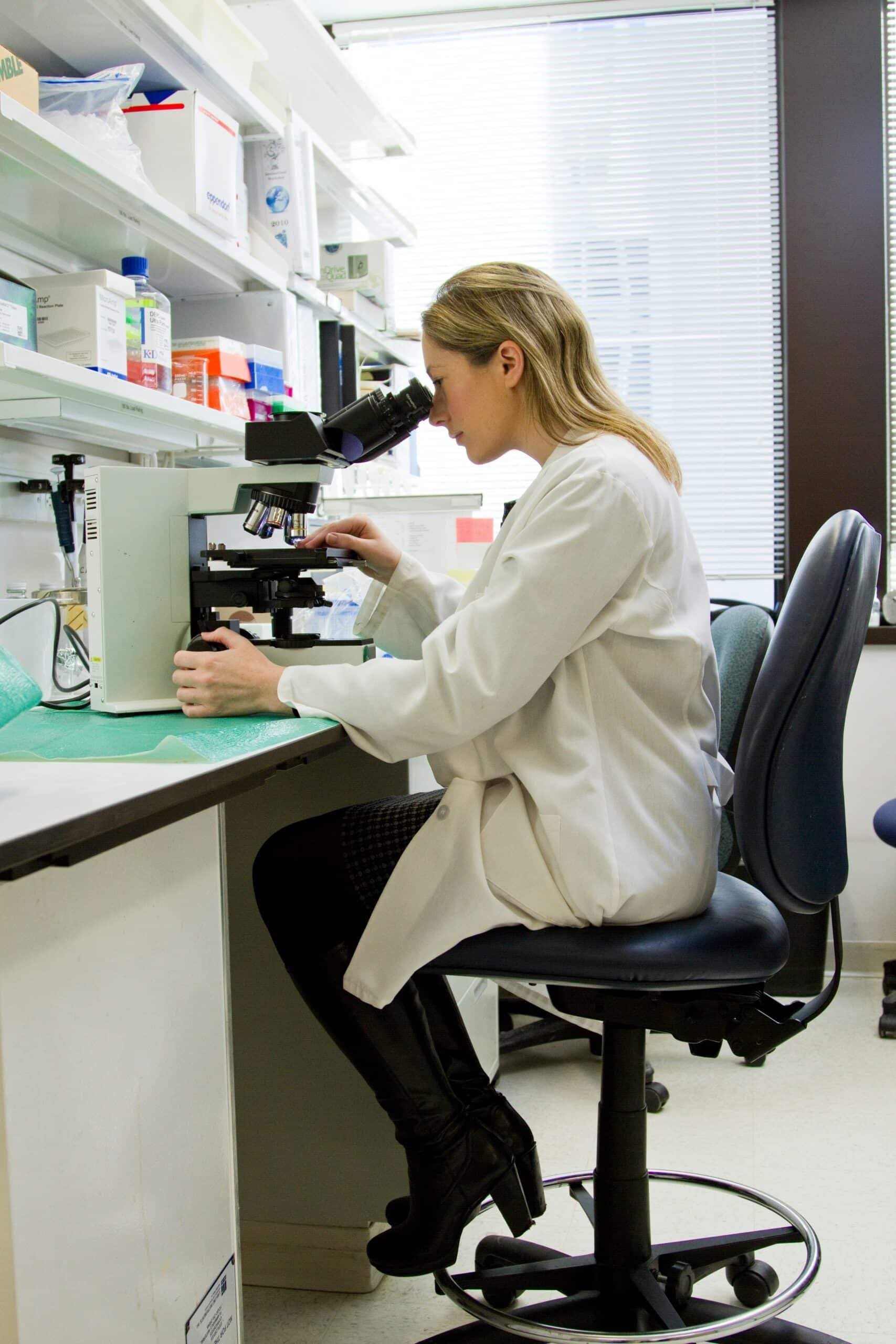
Late diagnosis arises from symptom normalization, overlapping conditions, and reliance on invasive confirmation. Delving into these diagnostic barriers reveals how to streamline evaluation and shorten the path to care.
What Factors Lead to Misdiagnosis or Normalization of Symptoms
Endometriosis shares features with common conditions such as irritable bowel syndrome, pelvic inflammatory disease, and ovarian cysts, leading to:
- Attribution of pelvic pain to “bad periods” or stress
- Repeated treatment for presumed gastrointestinal or urinary disorders
- Underestimation of pain severity by healthcare providers
When patients and providers normalize debilitating cramps and refer to general care rather than endometriosis specialists, crucial time and health outcomes suffer, which highlights the need for increased awareness and training.
How Long Does It Typically Take to Diagnose Endometriosis?
On average, women wait between 7 and 10 years from symptom onset to definitive diagnosis. This diagnostic delay correlates with disease progression:
- Early-stage lesions become extensive deep infiltrating disease
- Increased risk of adhesions, organ damage, and central sensitization of pain pathways
Acknowledging the typical timeline prompts both patients and clinicians to accelerate evaluation, bridging into how provider roles affect this delay.
How Do Healthcare Providers Contribute to Diagnostic Challenges?
Primary care and general gynecology often rely on symptom reporting and ultrasound, which can miss microscopic or deep lesions. Limited access to specialists trained in laparoscopic mapping and excision further prolongs diagnosis. Enhancing provider education and expanding multidisciplinary teams reduces missed cases and accelerates referral to advanced imaging and surgical evaluation.
Understanding these diagnostic obstacles sets the stage for exploring the consequences of leaving endometriosis untreated.
What Are the Physical and Emotional Impacts of Untreated Endometriosis?

When endometriosis remains untreated, lesions proliferate and inflammation escalates, causing progressive organ damage and psychological distress. Examining these impacts highlights the urgency of timely care.
How Does Late Diagnosis Affect Organ Health and Cause Adhesions?
Ongoing lesion growth triggers scar tissue formation that binds pelvic organs, leading to:
- Fallopian tube blockage, hindering egg passage
- Ovarian cysts (endometriomas) that compromise ovarian reserve
- Fibrotic bands connecting intestines and bladder to the uterus
These anatomical alterations intensify pain and fertility issues, which underscores the importance of advanced mapping to tailor surgical excision strategies.
What Is the Psychological and Emotional Toll of Chronic Endometriosis?
Persistent pain and fertility struggles drive anxiety, depression, and social isolation.
Women with undiagnosed endometriosis report diminished self-esteem and strained relationships.
Validating these experiences and integrating mental health support within care teams restores emotional resilience and improves overall outcomes, which naturally leads to evaluating the economic burden.
How Does Delayed Diagnosis Increase Healthcare Costs and Economic Burden?
Extended diagnostic journeys involve repeated imaging, emergency visits, and trial therapies, culminating in higher overall healthcare utilization.
Lost workdays and reduced productivity impose indirect costs that often exceed direct medical expenses.
By reducing diagnostic delays, specialized centers like EndoExcellence Center help contain costs and improve long-term health economics.
With these physical, emotional, and financial costs in focus, we turn to how advanced diagnostics can change the trajectory for patients with late-stage disease.
How Is Advanced Diagnosis Performed for Late-Stage Endometriosis?

Accurate appraisal of lesion extent and depth is vital for late-stage cases. Advanced diagnostics integrate high-resolution imaging and minimally invasive procedures to guide precise treatment.
What Role Do Advanced Imaging Techniques Play in Endometriosis Mapping?
Specialized MRI and transvaginal ultrasound combine high-resolution visualization with targeted contrast protocols to identify deep infiltrating endometriosis and adhesions.
These modalities improve preoperative planning by delineating disease boundaries, preparing the care team for tailored excision and minimizing complications.
How Does Laparoscopy Confirm Diagnosis and Guide Treatment?
Diagnostic laparoscopy provides direct visualization and biopsy of lesions, confirming endometriosis and assessing severity. It also allows simultaneous therapeutic interventions such as lesion excision. This dual-purpose procedure streamlines care by combining diagnosis and initial treatment, reducing the need for multiple surgical sessions.
Why Is Excision Surgery Considered the Gold Standard for Late Diagnosis?
Excision surgery precisely removes diseased tissue down to healthy margins, lowering recurrence rates and improving pain relief more effectively than ablation. Complete lesion removal restores pelvic anatomy and enhances fertility prospects. This surgical precision underscores why specialized centers prioritize excision in managing complex, late-stage endometriosis.
Benefits of Excision Surgery
Excision surgery is considered the gold standard for treating endometriosis, particularly in late-stage cases, because it precisely removes diseased tissue, which lowers recurrence rates and improves pain relief more effectively than ablation. Complete lesion removal restores pelvic anatomy and enhances fertility prospects.
Equipped with diagnostic clarity, patients can explore the full spectrum of treatment options after a late diagnosis.
What Treatment Options Are Available After a Late Diagnosis of Endometriosis?

Late-stage endometriosis demands a personalized combination of medical and surgical therapies to control symptoms and restore function. Tailored plans optimize relief and long-term health.
How Do Medical Therapies Manage Pain and Hormonal Symptoms?
Hormonal suppression through combined oral contraceptives, progestins, or GnRH analogs reduces lesion activity and alleviates cyclical pain. Nonsteroidal anti-inflammatory drugs (NSAIDs) address acute inflammation. These medical therapies:
- Decrease estrogen-driven lesion growth
- Provide interim symptom relief when surgery is delayed
- Offer critical support for patients deferring childbearing
Blending hormonal and pain-management strategies eases discomfort and prepares patients for potential surgical intervention.
What Are the Benefits of Surgical Treatments Like Excision Surgery?
Targeted excision:
- Eliminates endometriosis lesions and scar tissue
- Restores normal organ mobility
- Improves pain, quality of life, and fertility outcomes
A retrospective analysis at specialized centers shows that excision yields sustained symptom improvement in over 80 percent of patients. This level of efficacy positions excision as a cornerstone of definitive treatment for late-stage disease.
How Does a Multidisciplinary Care Team Support Complex Cases?
Comprehensive endometriosis care teams include gynecologic surgeons, pain specialists, reproductive endocrinologists, physical therapists, and mental health providers working collaboratively to address all facets of the disease. This team:
- Designs integrated treatment plans
- Coordinates perioperative pain control
- Provides fertility counseling and nutritional guidance
Multidisciplinary collaboration ensures that each patient’s physical and emotional needs are addressed in concert, leading to better long-term outcomes.
Having explored treatments, we will now guide patients through practical steps following a late diagnosis.
How Can Patients Navigate Their Journey After a Late Diagnosis?

A structured approach to consultations, center selection, and support resources empowers patients to take charge of their care and recovery.
What Questions Should You Ask Your Healthcare Provider?
Preparing targeted questions ensures clarity and shared decision-making:
- “What staging classification applies to my endometriosis?”
- “Which imaging or mapping techniques will you use before surgery?”
- “What are the goals and risks of excision surgery in my case?”
- “How will you coordinate follow-up care for pain management and fertility?”
Asking these key questions fosters transparent communication and aligns expectations between patient and provider.
How Do You Choose a Specialized Endometriosis Care Center?
Select centers with:
- Gynecologic surgeons certified in minimally invasive and excision techniques
- On-site advanced imaging capabilities
- Multidisciplinary teams including pain, fertility, and mental health specialists
- Documented outcomes demonstrating high rates of symptom relief
Choosing a center with proven expertise and comprehensive services ensures that late-stage endometriosis receives the precise care it requires.
What Resources and Support Are Available for Endometriosis Patients?
Peer support networks, patient advocacy organizations, educational seminars, and specialized mobile apps offer:
- Emotional connection with others facing similar challenges
- Evidence-based guidance on symptom tracking and lifestyle adjustments
- Access to webinars and articles authored by leading endometriosis experts
Leveraging these resources enhances self-management skills and cultivates a supportive community during treatment and recovery.
With navigation strategies in place, patients can look ahead to life beyond treatment and sustained well-being.
What Are the Long-Term Expectations and Quality of Life After Late Diagnosis Treatment?

Effective therapy for late-stage endometriosis can restore health, improve daily function, and foster hope for the future. Understanding long-term outlook helps patients set realistic goals and maintain wellness.
How Can Treatment Improve Physical and Mental Well-Being?
Successful excision and medical management reduce chronic pain, normalize menstrual cycles, and support fertility planning. Psychological support integrated into care alleviates anxiety and depression associated with long-term suffering. Together, these outcomes restore energy, social engagement, and emotional balance, laying the groundwork for a fulfilling life beyond endometriosis.
What Lifestyle Changes Support Endometriosis Management?
Adopting anti-inflammatory nutrition, regular low-impact exercise, stress-reduction techniques, and pelvic-floor rehabilitation helps sustain symptom control and prevent recurrence. Mind-body practices, such as yoga or mindfulness, complement medical care by enhancing pain coping strategies and resilience for long-term health maintenance.
How Do Patient Stories Reflect Success After Late Diagnosis?
Testimonial insights reveal that patients treated at specialized centers often experience:
- Significant reduction in pain scores
- Successful conception within two years of surgery
- Improved work attendance and social participation
These real-life successes underscore the transformative impact of accurate diagnosis and expert, stage-appropriate treatment on long-term quality of life.
Endometriosis diagnosed late need not define one’s future—timely specialized care, personalized treatment plans, and proactive self-management pave the way to restored health and hope. Developing a proactive outlook and engaging with an expert care team ensures that even after a delayed diagnosis, women can reclaim their physical comfort, emotional well-being, and life goals.