

Endometriosis is a chronic gynecologic condition where tissue similar to the uterine lining can cause pain, adhesions, and organ dysfunction. While menopause brings significant hormonal shifts, it doesn’t always mean an end to these symptoms. This article will explore why endometriosis symptoms might continue or even reappear after menopause, describe the common ways they present in postmenopausal women, and outline our current diagnostic strategies and personalized treatment options for this stage of life. Many believe menopause offers a cure for endometriosis, but factors like local estrogen production, fibrosis, and nerve sensitization mean pain and discomfort can persist. Understanding these mechanisms is key to guiding safe and effective management. Here, you’ll find clear descriptions of pelvic, bowel, and bladder symptoms, practical guidance on hormone replacement therapy (HRT) decisions, an evidence-based review of treatment choices including our gold-standard excision surgery, and actionable self-care and multidisciplinary strategies to significantly improve your quality of life. The following sections will cover symptom persistence and underlying mechanisms, typical symptom profiles, the implications of HRT, various treatment options, related risks like adenomyosis and potential malignancy, diagnostic pathways, and practical recommendations for living well after menopause.
Does Endometriosis Persist After Menopause? Understanding Your Journey
Endometriosis can indeed persist or reactivate after menopause. This is because existing lesions and scar tissue remain in the pelvis, and local estrogen production or inflammatory signals can sustain symptoms even when ovarian function declines. Residual endometriotic implants often produce aromatase, which locally synthesizes estrogen, while chronic inflammation or nerve sensitization can perpetuate pain independently of systemic hormones. Recognizing this persistence is crucial for timely evaluation, as reduced bleeding and atypical symptom patterns can often delay diagnosis in postmenopausal patients. Understanding these mechanisms helps our clinicians evaluate new or ongoing pelvic pain, guiding decisions about imaging, medical therapy, and potential surgical intervention.
Why Endometriosis Symptoms Can Continue or Reactivate Postmenopause
Local estrogen synthesis within endometriotic tissue and persistent inflammatory pathways are key reasons symptoms may continue. These lesions can express aromatase, maintaining a microenvironment that supports their growth and pain signaling. Additionally, scar tissue and adhesions formed during earlier stages of the disease create structural sources of chronic pain, while nerve entrapment or central sensitization can amplify pain perception even after ovarian estrogen levels drop. Clinically, patients might report continuous or activity-triggered pelvic pain, rather than the cyclical pain often experienced during reproductive years. These changes should always prompt a specialist assessment. Recognizing the biological basis for persistence helps our clinicians choose targeted therapies that address both lesion activity and neuropathic pain, offering you comprehensive relief.
Common Myths About Endometriosis and Menopause Debunked
A widespread myth is that menopause automatically cures endometriosis. In reality, while symptoms often improve, they don’t resolve for everyone due to factors like local estrogen production, ongoing inflammation, and pain related to scar tissue. Another misconception is that new endometriotic disease cannot develop after menopause; while less common, reactivation or symptomatic residual disease is certainly possible, especially with systemic HRT or local estrogen exposure. Patients who believe menopause is always curative may delay seeking evaluation when new symptoms emerge, which is why debunking these myths is vital for earlier diagnosis and appropriate management. If you have any uncertainty, a specialist evaluation can clarify whether your symptoms reflect residual endometriosis, another pelvic condition, or a new pathology, ensuring you receive the right care.
How Menopause Hormonal Changes Affect Endometriosis Activity
Menopause naturally reduces circulating estrogen and progesterone, which typically lessens lesion proliferation and bleeding. However, tissue-level responses can vary, and local aromatase activity can sometimes counteract these systemic declines. The decrease in progesterone removes a natural counter-regulatory influence on lesions, while reduced circulating estrogen may lessen, but not entirely eliminate, inflammatory signaling and nerve sensitization. Clinically, this means some patients experience significant symptom relief, while others continue to have pain or develop new pelvic complaints. These diverse outcomes highlight the importance of individualized assessment. Understanding your unique hormonal journey after menopause helps us shape decisions about HRT, non-hormonal medical options, and the timing of any surgical assessment.
What Are the Common Endometriosis Symptoms After Menopause?

Postmenopausal endometriosis often presents with persistent pelvic pain, bowel and bladder dysfunction, painful intercourse, unexpected vaginal bleeding, and systemic issues like fatigue or cognitive symptoms. These signs can overlap with typical menopausal complaints such as vaginal dryness or generalized aches, making a careful history and detailed symptom description essential to distinguish endometriosis-related problems from age-related changes. Our clinicians always prioritize “red-flag” symptoms—such as new postmenopausal bleeding or a palpable pelvic mass—for urgent evaluation, as they may indicate alternative diagnoses or, rarely, malignant transformation. A clear understanding of your symptoms helps us guide targeted investigations and ensure timely specialist referral.
How Does Persistent Pelvic Pain Present in Menopausal Women?
Persistent pelvic pain in menopausal women with endometriosis often manifests as a chronic, aching baseline discomfort, punctuated by intermittent sharp flares that can be triggered by activity, bowel movements, or bladder filling. Unlike the cyclical dysmenorrhea common in reproductive years, this pain may be constant and localized to the lower abdomen, sacrum, or deep pelvis, potentially radiating to the back or thighs due to nerve involvement or adhesions. Central sensitization can contribute to amplified pain responses and widespread tenderness, often requiring multimodal approaches that extend beyond just lesion-focused therapies. Evaluating your specific pain patterns and triggers helps us tailor interventions, from pelvic floor therapy to surgical excision, when appropriate, to bring you lasting relief.
What Bowel and Bladder Issues Are Linked to Endometriosis in Menopause?
Bowel and bladder symptoms can include pain with bowel movements, constipation, diarrhea, tenesmus (a feeling of incomplete evacuation), urinary urgency, frequency, and pelvic pain associated with urination. These manifestations directly reflect the location of implants and organ involvement. It’s important to note that differential diagnoses like irritable bowel syndrome (IBS) or interstitial cystitis (IC) are common, so our clinicians carefully distinguish lesion-driven organ symptoms from functional disorders through a focused history, symptom timing, and directed testing. Red flags such as blood in stool, significant changes in bowel habits, or hematuria (blood in urine) warrant expedited GI or urology input and imaging. A coordinated evaluation improves diagnostic accuracy and helps you avoid prolonged symptom burden.
Why Is Painful Intercourse a Concern After Menopause?
Dyspareunia, or painful intercourse, after menopause can stem from persistent endometriotic lesions in areas like the cul-de-sac or uterosacral ligaments, alongside pelvic floor muscle dysfunction and mucosal changes such as vaginal atrophy. These factors often coexist and intensify discomfort during penetration. Effective management requires a combined approach: addressing mucosal health, rehabilitating pelvic floor muscles, and evaluating for surgically treatable lesions when conservative measures don’t provide sufficient relief. Non-surgical options include topical therapies, specialized pelvic physical therapy, and tailored counseling, while surgical assessment may be indicated when structural pathology is suspected. Our comprehensive assessment considers both gynecologic and pelvic floor contributors to achieve the best functional outcomes for you.
What Does Abnormal Postmenopausal Bleeding Indicate in Endometriosis?
Any postmenopausal bleeding is a significant “red flag” that demands prompt assessment. Its causes can range from benign atrophy to endometrial or ovarian malignancy, and—less commonly—activity from endometriosis-related lesions. While endometriosis can indeed cause bleeding in certain postmenopausal cases, our clinicians must prioritize ruling out malignancy through imaging, tissue sampling when indicated, and surgical pathology for a definitive diagnosis. Timely investigation reduces diagnostic delay and ensures you receive appropriate management, including surgical exploration if noninvasive testing is inconclusive. Patients reporting bleeding should always be evaluated promptly, rather than attributing it to benign causes, to ensure your peace of mind and health.
How Do Fatigue and Brain Fog Relate to Endometriosis in Later Life?
Fatigue and cognitive symptoms like brain fog in postmenopausal patients often arise from the cumulative effects of chronic pain, disrupted sleep, ongoing inflammation, and the psychological burden of living with a long-term illness, rather than solely from direct lesion effects. Systemic inflammatory mediators and poor sleep quality can significantly impair concentration and energy, while certain medications and co-existing conditions may further contribute. Addressing sleep hygiene, effective pain control, mood support, and regular physical activity often leads to a reduction in cognitive symptoms and a marked improvement in daily functioning. Our multidisciplinary approach targets inflammation, pain, sleep, and mental health to achieve the most lasting improvements in your energy and cognitive clarity.
How Does Hormone Replacement Therapy Impact Endometriosis Symptoms in Menopause?

Hormone Replacement Therapy (HRT) can potentially reactivate endometriosis if systemic estrogen stimulates residual lesions. However, the risk varies significantly by formulation and the presence of progestin, making careful selection and specialist input essential for safe symptom control. Our clinicians thoughtfully balance the benefits of HRT for common menopausal symptoms like hot flashes and genitourinary issues against the potential for lesion stimulation, closely monitoring for any new pain or bleeding after initiation. Our shared decision-making process includes discussing combined estrogen-progestin versus estrogen-only options, localized versus systemic preparations, and diligent symptom surveillance. When uncertainty arises, a consultation with an endometriosis specialist helps align HRT choices with your surgical history and current symptom burden, ensuring your treatment plan is truly personalized.
Can HRT Make Endometriosis Worse? Risks and Considerations
Yes, HRT can potentially worsen or reactivate endometriosis in some patients because exogenous estrogen may stimulate residual implants. The risk is generally higher with estrogen-only regimens, especially if uterine or ovarian tissue remains. Monitoring should include careful symptom tracking for any new pelvic pain, bleeding, or organ-specific dysfunction that emerges after starting HRT. Our clinicians will counsel you about warning signs and may consider baseline imaging when your history suggests significant residual disease. Early specialist involvement is highly advisable for patients with a history of extensive endometriosis or persistent pelvic symptoms, ensuring proactive and informed care.
What Types of HRT Are Safer for Women with Endometriosis?
Different HRT approaches carry varying risks. Combined estrogen-progestin therapy generally reduces the risk of stimulating endometriosis compared with estrogen-only regimens, while localized vaginal estrogen has a limited systemic impact and may be a suitable option for isolated genitourinary symptoms. The following table summarizes important considerations to guide discussions between you and your clinician, helping you make an informed choice.
This table highlights that combined regimens and localized options often offer safer profiles for managing symptoms, but remember, individualized planning and consistent follow-up with our specialists remain absolutely essential for your well-being.
Following clinical recommendations, patients should undergo a specialist review when HRT is being considered in the context of prior endometriosis. The Endo Excellence Center provides individualized assessment and supports shared decision-making for HRT in menopausal patients with endometriosis. Our center’s approach includes a comprehensive multidisciplinary evaluation of your surgical history, current symptoms, and risk factors to recommend an appropriate regimen and monitoring plan that is precisely tailored to your unique needs.
How Does Combined Estrogen-Progestin Therapy Affect Endometriosis?
Progestin plays a crucial role in mitigating estrogen-driven lesion activity by inducing decidualization and atrophy of glandular components, and by modulating local inflammatory signaling. This often leads to reduced pain and lesion activity when progestin exposure is consistent. Clinical experience at our center shows that combined therapy can lower the risk of recurrence or symptom flare-ups compared with estrogen-alone regimens, though individual responses can vary, and ongoing monitoring is always required. Limitations may include potential progestin-related side effects and the possibility of incomplete suppression in lesions with strong local aromatase expression. Regular follow-up ensures early detection of any symptom recurrence and allows for timely therapy adjustments, keeping your comfort and health our priority.
How Does Endo Excellence Center Manage HRT for Menopausal Endometriosis Patients?
At the Endo Excellence Center, we approach HRT with a commitment to individualized risk assessment, shared decision-making, and coordinated follow-up, integrating the expert gynecologic and pelvic health knowledge led by Dr. Rachael Ann Haverland. Our comprehensive care pathway includes a focused history and physical examination, a thorough review of prior surgical pathology (when available), a detailed discussion of systemic versus local HRT options, and a personalized monitoring plan for your symptoms and any new pelvic findings. Patients receive clear education about warning signs and gain access to our multidisciplinary team for referrals to GI, urology, pelvic floor therapy, and pain management specialists as needed. This structured model ensures you receive safe symptom relief while minimizing the risk of reactivating any residual disease, empowering you on your healing journey.
What Are the Best Treatment Options for Endometriosis After Menopause?
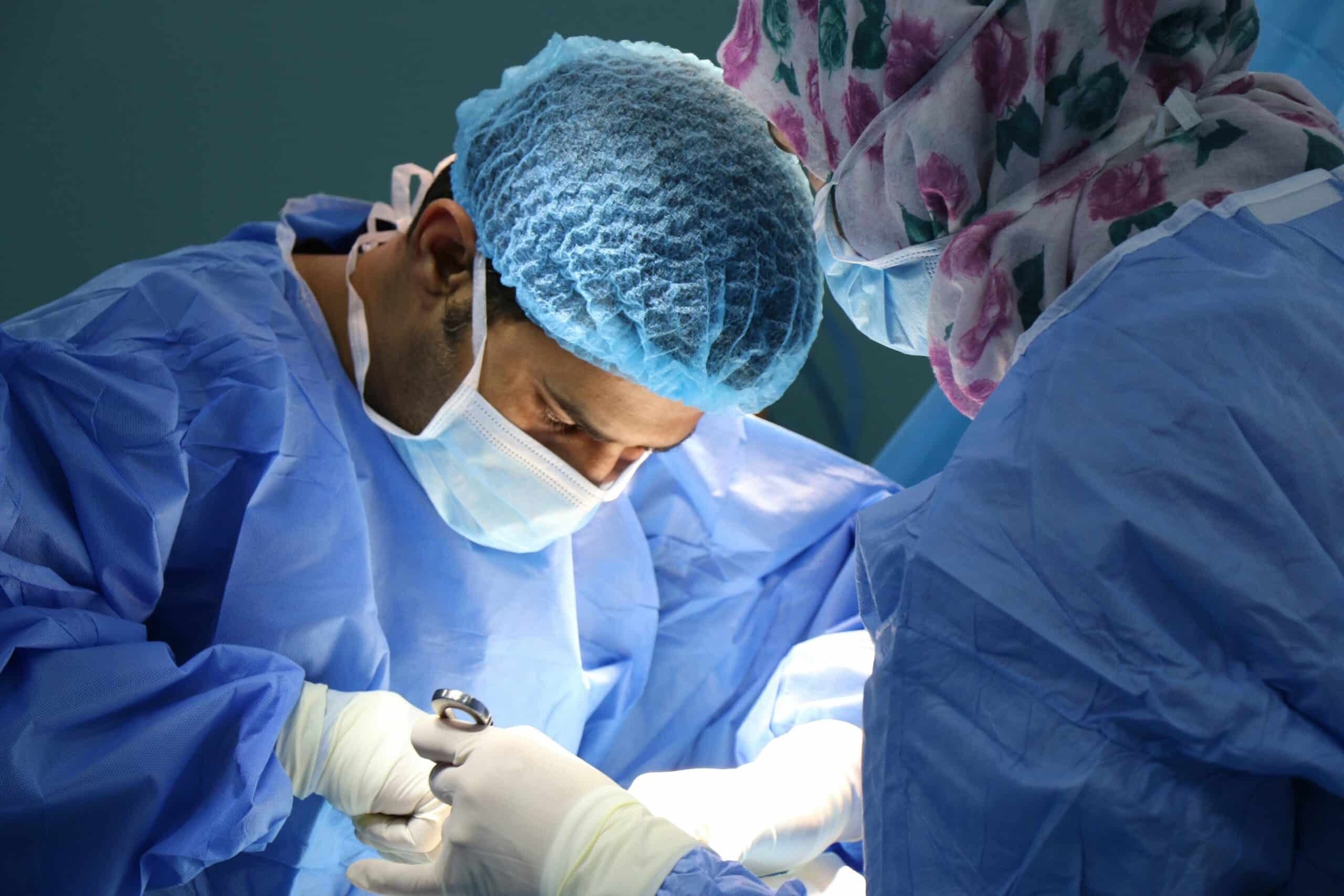
For symptomatic postmenopausal endometriosis, treatment at our center focuses on our gold-standard excision surgery for localized disease, non-hormonal medical options for effective symptom control, and comprehensive multidisciplinary strategies to address both pain and function. Excision surgery offers definitive lesion removal and provides crucial tissue for pathology, which is especially important in postmenopausal presentations to rule out malignancy. Medical therapies are utilized when surgery isn’t indicated or as valuable adjuncts to further reduce symptoms. Our tailored plan carefully considers your lesion burden, any co-existing conditions, the bone health implications of certain medications, and your personal goals to optimize your quality of life and bring you lasting relief.
Why Is Excision Surgery the Gold Standard for Postmenopausal Endometriosis?
Excision surgery is considered the gold standard because it completely removes endometriotic lesions and provides essential tissue for pathological examination. This is particularly critical for postmenopausal patients due to the small, yet important, risk of malignant transformation in some lesions. Compared with ablation, excision significantly reduces residual disease and the risk of recurrence, while also allowing for a definitive diagnosis through histopathology. Recovery typically involves minimally invasive approaches, often with short hospital stays and a progressive return to your normal activities, though complexity can increase with extensive adhesions and organ involvement. When imaging or symptoms suggest a mass or progressive disease, excision with thorough pathological evaluation is our preferred clinical pathway, offering you the most comprehensive and reassuring care.
The Endo Excellence Center proudly offers specialized excision surgery led by a board-certified surgeon with Mayo Clinic training. We integrate multidisciplinary follow-up to comprehensively address your bowel, bladder, pelvic floor, and emotional well-being after surgery. Patients interested in surgical evaluation are encouraged to seek a specialist consultation to review imaging and receive individualized operative planning, ensuring a treatment approach perfectly suited to your needs.
What Non-Hormonal Medical Treatments Help Manage Symptoms?
Our non-hormonal options include a range of analgesics, neuropathic pain agents, and in select cases, aromatase inhibitors, alongside vital pelvic floor therapy. Each of these approaches has specific indications, benefits, and monitoring requirements. NSAIDs and acetaminophen can provide foundational pain control, while neuropathic agents like gabapentinoids or low-dose antidepressants effectively address central sensitization. Aromatase inhibitors work to reduce local estrogen synthesis but do require careful bone health monitoring. Pelvic physical therapy specifically targets musculoskeletal contributors to pain and often significantly enhances the effects of medication. Choosing the best combination of these options requires expert oversight and careful consideration of your overall health and any co-existing conditions, ensuring a truly personalized plan for your relief.
Before the treatment comparison table: This table is designed to help clarify when each modality is typically used and what our clinicians carefully consider to ensure the best possible care for you.
This comparison clearly demonstrates that while excision surgery often offers a definitive solution, medical and rehabilitative approaches provide crucial support for symptom control and improved function. Your treatment choice will always depend on your individual clinical factors and personal goals, ensuring a truly tailored path to relief.
How Can Pain Management Strategies Improve Quality of Life?
Our multimodal pain management approach thoughtfully combines medications, specialized pelvic physical therapy, cognitive behavioral strategies, sleep optimization, and graded exercise to effectively reduce pain intensity and restore your function. Addressing sleep disturbances and mood disorders can significantly improve your pain thresholds and overall energy levels, while pelvic floor rehabilitation targets local muscle dysfunction that often perpetuates pain. Practical, impactful interventions—such as structured exercise plans and personalized sleep hygiene routines—complement medical therapy and can reduce your reliance on analgesics. Coordinated pain care that integrates psychological support and focuses on your functional goals yields the most sustainable improvements in your quality of life, helping you reclaim comfort and well-being.
What Role Does Multidisciplinary Care Play in Managing Menopausal Endometriosis?
Multidisciplinary care at our center brings together expert gynecologists, colorectal and urology specialists, dedicated pelvic floor physical therapists, pain medicine specialists, and mental health professionals to comprehensively address the complex symptom clusters often seen after menopause. This coordinated approach ensures that any bowel and bladder involvement receives targeted evaluation, that pelvic floor dysfunction is treated alongside lesion-focused therapies, and that the psychological impacts of chronic pain are compassionately managed. Our integrated pathways improve diagnostic accuracy, reduce fragmented care, and significantly enhance patient satisfaction by aligning multiple interventions toward your shared functional goals. You benefit from our team-based planning and streamlined referrals, ensuring holistic and effective care throughout your journey.
How Are Related Conditions Like Adenomyosis and Cancer Risk Connected to Endometriosis in Menopause?
Adenomyosis can persist into menopause, potentially presenting with pelvic pressure or uterine enlargement. While the overall risk of malignant transformation of endometriosis is small, it is clinically important, requiring careful vigilance and appropriate investigations. Additionally, certain treatments, such as aromatase inhibitors, can adversely affect bone health, necessitating long-term monitoring and preventive measures for patients receiving these therapies. Understanding these interconnected risks supports balanced decision-making that prioritizes your bone health and ensures prompt detection of any suspicious lesions, providing you with comprehensive and proactive care.
What Are Adenomyosis Symptoms in Menopausal Women with Endometriosis?
Adenomyosis in older women can present with symptoms such as pelvic pressure, uterine enlargement, and occasionally abnormal bleeding, though bleeding is less common after menopause. Imaging clues from ultrasound or MRI can often suggest the diagnosis. While symptoms may overlap with endometriosis, management differs when focal adenomyosis causes significant bulk symptoms or bleeding. Treatment options may include medical therapy for bleeding control or surgical management when symptomatic enlargement impacts your quality of life. Distinguishing adenomyosis from endometriosis and other pelvic pathology is crucial to ensure you receive appropriate, targeted therapy for lasting relief.
What Is the Risk of Malignant Transformation of Endometriosis After Menopause?
The absolute risk of malignant transformation of endometriosis is low, but specific types, such as ovarian endometriomas and atypical lesions, carry a higher relative risk. These warrant careful evaluation whenever new masses or bleeding arise. Warning signs include rapidly enlarging pelvic masses, persistent postmenopausal bleeding, and suspicious features on imaging; these findings typically prompt surgical exploration and histopathologic assessment. Early surgical pathology remains the gold standard to definitively rule out malignancy when clinical concern exists. Our vigilance balances the rarity of transformation with the critical need for timely diagnosis in high-risk scenarios, always prioritizing your safety and peace of mind.
How Does Endometriosis Affect Bone Health in Postmenopausal Women?
Certain therapies used for refractory endometriosis, particularly aromatase inhibitors, can accelerate bone loss and increase fracture risk by significantly lowering estrogen levels. Therefore, baseline and regular follow-up bone density assessments are crucial for patients at risk. Preventive measures include optimizing your intake of calcium and vitamin D, engaging in weight-bearing exercise, and considering pharmacologic bone protection when indicated. Our coordination with your primary care physician or endocrinology specialist ensures comprehensive bone health monitoring alongside your endometriosis treatment. Protecting your bone health is an integral part of our long-term planning when systemic non-hormonal agents are part of your care plan.
How Is Endometriosis Diagnosed in Postmenopausal Women?

Diagnosing endometriosis after menopause can be challenging due to atypical presentations, lower initial clinical suspicion, and overlapping conditions. At our center, we utilize a structured diagnostic pathway that incorporates advanced imaging, targeted laboratory tests, and, when necessary, diagnostic laparoscopy with precise tissue sampling. Early recognition of “red flags” and the strategic use of transvaginal ultrasound, MRI, and specific tumor markers help us effectively triage patients for surgical evaluation. Close collaboration with our colorectal and urologic colleagues further improves diagnostic accuracy for organ-specific symptoms. We highly recommend specialist referral for any new pelvic masses, unexplained postmenopausal bleeding, or progressive pain that persists despite conservative care, ensuring you receive the most accurate and timely diagnosis.
Why Is Diagnosis More Difficult After Menopause?
Diagnosis becomes more challenging after menopause because the classic cyclical symptoms and menstrual bleeding cues disappear, removing obvious clinical signals. Additionally, clinicians may initially attribute pain to age-related degenerative or functional disorders. The overlap with conditions like Irritable Bowel Syndrome (IBS), Interstitial Cystitis (IC), pelvic floor dysfunction, and atrophic changes significantly increases diagnostic complexity and can delay appropriate imaging or surgical assessment. Our specialists, highly trained in complex pelvic pain and endometriosis, apply focused histories, thorough pelvic exams, and coordinated imaging to minimize misdiagnosis. Recognizing these diagnostic pitfalls prompts earlier specialist consultation when your symptoms persist, ensuring you get the expert attention you deserve.
What Diagnostic Tools and Evaluations Are Used?
At our center, a combination of advanced imaging, specific laboratory markers, endoscopy, and surgical biopsy guides the diagnosis in postmenopausal patients. Each tool offers unique strengths and limitations that our clinicians carefully weigh when planning your evaluation. The table below outlines common diagnostic modalities, what they are designed to detect, and their specific considerations in the postmenopausal context.
This diagnostic framework underscores that while tissue diagnosis via laparoscopy remains definitive, advanced imaging plays a crucial role in guiding surgical planning and patient triage, ensuring a precise and effective path forward for your care.
When Should You Seek Specialist Evaluation for Menopausal Endometriosis?
We urge you to seek specialist evaluation urgently for any new postmenopausal bleeding, a new or enlarging pelvic mass, progressive pelvic pain that significantly impacts your daily life, or suspicious findings on imaging. For persistent pain that impairs your daily activities, a routine specialist referral is also highly recommended. A visit with our specialists typically includes a detailed history, a targeted pelvic exam, a thorough review of any prior surgical and pathology reports, and coordinated planning for further imaging or diagnostic laparoscopy as indicated. Early referral shortens diagnostic delays and connects you with our comprehensive multidisciplinary resources, significantly improving both diagnostic accuracy and your treatment outcomes, bringing you closer to relief.
How Can Women Manage Endometriosis Symptoms and Improve Quality of Life After Menopause?

Effective management after menopause at our center combines thoughtful lifestyle interventions, symptom-directed medical therapy, specialized pelvic rehabilitation, crucial mental health support, and expert specialist evaluation when needed. Our goal is to significantly reduce your pain and restore your function. Our practical plan emphasizes graded activity, anti-inflammatory dietary choices, optimized sleep routines, and targeted pelvic floor work, all complemented by medical or surgical options based on your specific disease activity. Supportive services and peer resources further enhance your coping strategies and help sustain long-term self-management, ultimately leading to a dramatically improved quality of life.
What Lifestyle Changes Support Symptom Relief in Menopause?
Implementing practical lifestyle measures can significantly support symptom relief during menopause. This includes engaging in regular low-impact aerobic exercise, performing targeted pelvic floor exercises, adopting anti-inflammatory dietary patterns, and maintaining consistent sleep routines to reduce pain sensitivity and inflammation. Exercise improves circulation, boosts mood, supports bone health, and helps reduce central sensitization; pelvic floor relaxation techniques can decrease painful intercourse (dyspareunia) and other pelvic floor–related pain. Anti-inflammatory diets, which emphasize whole foods, omega-3s, and reduced processed foods, may help lower systemic inflammation. By integrating these strategies alongside your medical care, you can achieve measurable improvements in your daily function and energy levels, empowering you on your journey to wellness.
Our recommended lifestyle strategies are:
- Regular low-impact exercise: This improves circulation, enhances mood, and supports musculoskeletal health, contributing to overall well-being.
- Pelvic floor therapy and relaxation: Specifically targets muscle dysfunction that often contributes to pelvic pain and discomfort.
- Anti-inflammatory diet: Focuses on whole foods, rich in omega-3s, while reducing processed foods to help manage systemic inflammation.
- Sleep hygiene and stress management: Essential for restoring restorative sleep and effectively lowering pain amplification, helping you feel more rested and resilient.
Adopting these measures incrementally—starting with small, achievable changes—helps you build sustainable habits that powerfully complement your clinical treatments, leading to lasting relief and improved quality of life.
How Can Emotional Well-Being Be Addressed Alongside Physical Symptoms?
Addressing your emotional well-being is a vital component of comprehensive care. This includes utilizing cognitive behavioral therapy (CBT) for chronic pain, accessing professional counseling, participating in supportive groups, and integrating mental health care directly with your medical treatment. This holistic approach significantly reduces pain-related disability and enhances your coping mechanisms. Psychological interventions can help address catastrophizing and pain avoidance behaviors, while peer support offers a sense of community, reduces isolation, and provides practical coping tips. Our clinicians are committed to screening for anxiety and depression, offering timely referrals to mental health professionals who are experienced in chronic pelvic pain management. By embedding mental health care within your treatment plan, we aim to enhance your overall outcomes and support your journey to complete well-being.
What Support Resources Are Available for Women Living with Endometriosis Postmenopause?
Accessing reliable support is crucial for women navigating endometriosis after menopause. We recommend patient organizations, educational hubs, specialist clinics focused on comprehensive endometriosis care, and structured support groups that provide evidence-based information and invaluable peer connection. When evaluating resources online or within your community, prioritize organizations that offer medically reviewed content and opportunities for multidisciplinary care coordination. The Endo Excellence Center serves as a specialized resource for the evaluation and multidisciplinary management of complex endometriosis presentations, offering integrated pathways that include our surgical expertise and supportive services to help you confidently navigate your care journey and find lasting relief.
- Endometriosis-focused specialist clinics and multidisciplinary teams, like ours, offering comprehensive care.
- Accredited patient organizations providing valuable education and supportive community groups.
- Expert pelvic floor physical therapists with extensive experience in chronic pelvic pain management.
Utilizing trusted resources and specialist clinics helps you find coordinated, evidence-based care, ensuring you receive the best possible support rather than fragmented advice.
Frequently Asked Questions
1. What lifestyle changes can help manage endometriosis symptoms after menopause?
Implementing thoughtful lifestyle changes can significantly alleviate endometriosis symptoms post-menopause. Engaging in regular low-impact aerobic exercise enhances circulation, boosts mood, and supports overall musculoskeletal health. Targeted pelvic floor exercises can effectively reduce pain associated with muscle dysfunction. Adopting an anti-inflammatory diet, rich in whole foods and omega-3 fatty acids, may help lower systemic inflammation. Furthermore, maintaining consistent sleep hygiene and actively managing stress are crucial for reducing pain sensitivity. Gradually adopting these strategies can lead to sustainable improvements in your daily function and energy levels, empowering you on your path to wellness.
2. How can emotional well-being be supported alongside physical symptoms of endometriosis?
Addressing emotional well-being is an essential part of comprehensive care for women managing endometriosis. Cognitive behavioral therapy (CBT) can be highly effective in tackling chronic pain and its psychological impacts. Access to counseling and support groups provides a vital platform for sharing experiences and developing coping strategies. Integrated care that thoughtfully connects mental health support with medical treatment can significantly reduce pain-related disability. Our clinicians are dedicated to routinely screening for anxiety and depression, offering timely referrals to mental health professionals who specialize in chronic pelvic pain management, thereby enhancing your overall treatment outcomes and supporting your journey to complete well-being.
3. What role does multidisciplinary care play in managing endometriosis after menopause?
Multidisciplinary care is absolutely vital for effectively managing endometriosis in postmenopausal women. This comprehensive approach involves seamless collaboration among expert gynecologists, colorectal and urology specialists, dedicated pelvic floor therapists, and pain management experts. By addressing the complex symptom clusters often associated with endometriosis, this coordinated care ensures that all aspects of your health are thoroughly considered. It significantly improves diagnostic accuracy, reduces fragmented care, and enhances patient satisfaction by aligning multiple interventions toward your shared functional goals, ultimately leading to better, more holistic health outcomes.
4. How can women find reliable support resources for endometriosis after menopause?
Women seeking reliable support for endometriosis can access various trusted resources. We recommend patient organizations and educational hubs that provide evidence-based information and foster a supportive community. Specialized clinics, like the Endo Excellence Center, focus on comprehensive endometriosis care and offer multidisciplinary management options. When evaluating online resources, always prioritize those with medically reviewed content and opportunities for coordinated care. The Endo Excellence Center is a prime example of a specialized resource that provides thorough evaluation and expert multidisciplinary management for complex endometriosis cases, ensuring you receive the best possible care and guidance.
5. What are the potential risks of hormone replacement therapy (HRT) for women with endometriosis?
Hormone replacement therapy (HRT) can indeed pose risks for women with endometriosis, particularly if systemic estrogen stimulates residual lesions. The risk varies significantly depending on the specific type of HRT used; estrogen-only regimens generally carry a higher risk of reactivating endometriosis compared to combined estrogen-progestin therapies. Patients should be closely monitored for any new symptoms, such as pelvic pain or unexpected bleeding, after starting HRT. Consulting with one of our specialists can help tailor HRT choices to your individual needs while carefully minimizing potential risks associated with endometriosis, ensuring your safety and comfort.
6. What are the signs that indicate a need for specialist evaluation in postmenopausal women with endometriosis?
Postmenopausal women with endometriosis should seek specialist evaluation for any new or unusual symptoms. Urgent signs that warrant immediate attention include new postmenopausal bleeding, the emergence of a new or enlarging pelvic mass, and progressive pelvic pain that significantly disrupts your daily activities. Additionally, any suspicious findings on imaging require prompt assessment. A specialist visit at our center typically involves a detailed history, a targeted pelvic examination, and coordinated planning for necessary imaging or diagnostic procedures, ensuring a timely and accurate diagnosis and the most effective treatment plan for you.
7. How does endometriosis affect bone health in postmenopausal women?
Endometriosis can impact bone health in postmenopausal women, especially when certain therapies, such as aromatase inhibitors, are part of the treatment plan. These medications can accelerate bone loss and increase fracture risk by lowering estrogen levels. Therefore, baseline and regular follow-up bone density assessments are crucial for at-risk patients. Preventive measures, including optimizing your calcium and vitamin D intake, engaging in weight-bearing exercises, and considering pharmacologic options for bone protection, should be an integral part of a comprehensive care plan to safeguard your bone health throughout your endometriosis treatment journey.
Conclusion
Understanding the complexities of endometriosis symptoms after menopause is absolutely crucial for effective management and achieving a significantly improved quality of life. By recognizing the potential persistence of symptoms and the importance of tailored treatment options, you can make informed decisions about your health journey. Engaging with our specialized care and exploring comprehensive management strategies can dramatically enhance your daily functioning and overall well-being. For personalized support and expert guidance on your unique path, we encourage you to reach out to one of our specialists today.