

Endometriosis can begin during the teenage years, yet many adolescents experience symptoms for several years before receiving an accurate diagnosis. Pelvic pain, severe menstrual cramps, and other symptoms are often assumed to be normal parts of menstruation, which can delay medical evaluation and treatment. Greater awareness of adolescent endometriosis has helped clinicians recognize that persistent or severe menstrual pain requires careful assessment.
Understanding how endometriosis is diagnosed in teens helps patients, families, and healthcare providers recognize symptoms earlier and pursue appropriate care. Diagnosis typically involves a structured clinical evaluation, symptom tracking, imaging studies, and in some cases minimally invasive surgery. Early recognition and individualized treatment planning can improve symptom control and support long-term health.
What Are the Common Symptoms of Endometriosis in Adolescent Girls?

Endometriosis symptoms in adolescents vary from person to person, but several patterns frequently prompt clinical evaluation. Recognizing these symptoms helps identify when menstrual pain may require further assessment.
Symptoms may develop gradually and become more noticeable over time, particularly as menstrual cycles become regular.
Severe Menstrual Cramps
Many teens with endometriosis experience intense menstrual cramps that feel stronger than typical period pain. These cramps may begin before menstruation starts and continue throughout the period.
Pain can become severe enough to interfere with normal activities such as attending school or participating in sports.
Chronic Pelvic Pain
Pelvic pain associated with endometriosis may occur outside the menstrual cycle. Some adolescents experience discomfort throughout the month, while others notice pain that increases around their periods. Persistent pelvic pain often affects concentration, mood, and daily functioning.
Heavy or Irregular Menstrual Bleeding
Some teens with endometriosis experience heavier menstrual bleeding or longer periods than usual. Heavy bleeding can contribute to fatigue and reduced energy levels. Irregular cycles may also occur alongside pelvic pain and other symptoms.
Fatigue and Gastrointestinal Symptoms
Endometriosis may cause additional symptoms beyond pelvic pain. Adolescents sometimes report fatigue, nausea, abdominal bloating, or discomfort during bowel movements. These symptoms can occur during menstruation or at other times during the cycle.
How Pelvic Pain Presents in Teens With Endometriosis
Pelvic pain related to endometriosis does not always follow a single pattern. Some adolescents experience pain that occurs mainly during menstruation, while others report symptoms that persist throughout the month.
Understanding how pelvic pain presents helps clinicians evaluate whether endometriosis may be contributing to symptoms.
Cyclical Pelvic Pain
Many adolescents notice pelvic pain that worsens during their menstrual cycle. Pain often begins before menstruation starts and continues during the period.
This cyclical pattern reflects the hormonal activity that influences endometriosis lesions.
Persistent or Non-Cyclical Pain
Some teens experience pelvic discomfort even when they are not menstruating. Pain may fluctuate in intensity throughout the month and can affect daily activities.
Non-cyclical pain may occur when inflammation or scar tissue develops in the pelvic region.
Pain That Affects Daily Activities
When pelvic pain becomes severe, it can disrupt normal routines. Teens may miss school, withdraw from sports, or limit social activities because of ongoing discomfort.
Pain that consistently interferes with daily life should be evaluated by a healthcare professional.
Additional Signs That May Indicate Endometriosis
Endometriosis may cause symptoms beyond pelvic pain. These additional signs help clinicians evaluate the broader effects of the condition and determine whether further testing is appropriate.
Gastrointestinal Symptoms
Some adolescents experience gastrointestinal discomfort during menstruation. Symptoms may include bloating, constipation, diarrhea, or abdominal pain that occurs around the time of their period.
These symptoms sometimes overlap with digestive conditions, which can make diagnosis more complex.
Fatigue Related to Chronic Pain
Chronic pelvic pain and heavy menstrual bleeding can contribute to fatigue. Low energy levels may affect concentration, school performance, and participation in activities.
Fatigue often improves when underlying symptoms are managed effectively.
Emotional and Psychological Effects
Living with chronic pain can affect emotional well-being. Adolescents may experience frustration, anxiety, or mood changes when symptoms persist or disrupt daily life.
Support from healthcare providers, family members, and mental health professionals can help teens manage these challenges.
When Should a Teen Be Evaluated for Endometriosis?
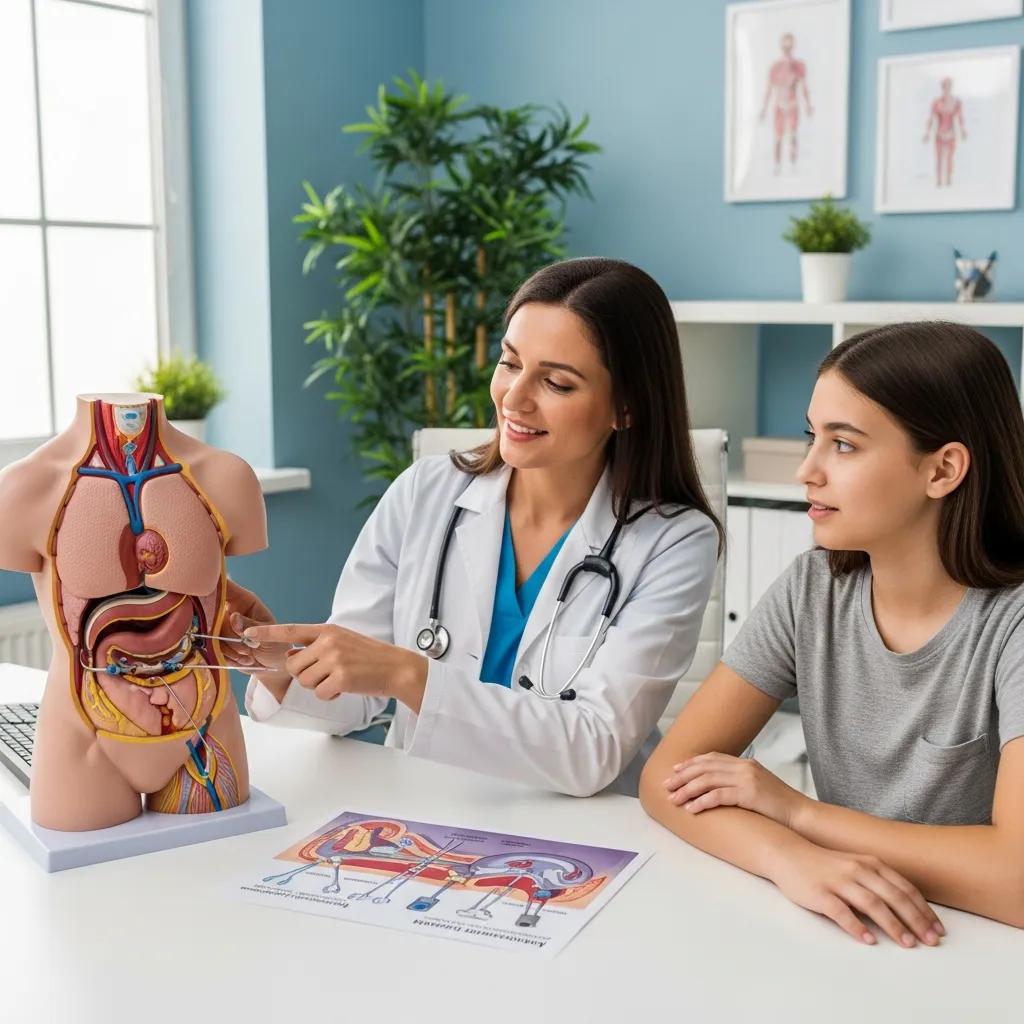
Menstrual cramps are common during adolescence, yet certain symptoms suggest that medical evaluation may be necessary. Recognizing these warning signs helps ensure that pelvic pain receives appropriate attention.
Healthcare providers can review symptoms, assess medical history, and determine whether further diagnostic testing is recommended.
Severe Pain That Does Not Improve With Medication
Typical menstrual cramps often improve with medications such as nonsteroidal anti-inflammatory drugs. Persistent pain despite treatment may indicate that additional evaluation is needed.
Clinicians may consider endometriosis when symptoms continue even after standard therapies.
Pain That Disrupts School or Daily Life
Frequent school absences or difficulty participating in daily activities can signal that menstrual pain requires further assessment. Severe symptoms that limit normal routines deserve careful medical evaluation.
Addressing the underlying cause of pain can help restore participation in academic and social activities.
Family History of Endometriosis
Endometriosis can occur more frequently among individuals with a family history of the condition. Teens who have relatives diagnosed with endometriosis may have a higher likelihood of developing similar symptoms.
Healthcare providers may take family history into account when evaluating persistent pelvic pain.
How Endometriosis Is Diagnosed in Teenagers
Diagnosing endometriosis involves several steps that help clinicians evaluate symptoms and determine the most appropriate course of care. The process typically begins with a comprehensive clinical assessment and may include imaging studies or surgical evaluation.
Each step provides additional information that helps guide treatment planning.
Medical History and Symptom Assessment
A detailed medical history is essential when evaluating adolescents with pelvic pain. Healthcare providers ask questions about menstrual patterns, pain severity, symptom timing, and any associated symptoms such as fatigue or gastrointestinal discomfort.
Keeping a symptom diary that records pain levels and menstrual cycles can help clinicians identify patterns that suggest endometriosis.
Physical Examination
A targeted physical examination may be performed to assess areas of pelvic tenderness or other physical findings. The extent of the examination depends on the patient’s age, symptoms, and comfort level.
Physical findings can help guide decisions about additional testing.
Diagnostic Laparoscopy
Diagnostic laparoscopy is a minimally invasive surgical procedure that allows doctors to examine pelvic organs using a small camera inserted through tiny incisions in the abdomen. The procedure provides direct visualization of endometriosis lesions.
During the same procedure surgeons may remove or treat visible lesions, which can help relieve symptoms and confirm the diagnosis.
Imaging Tests Used in the Diagnosis of Endometriosis
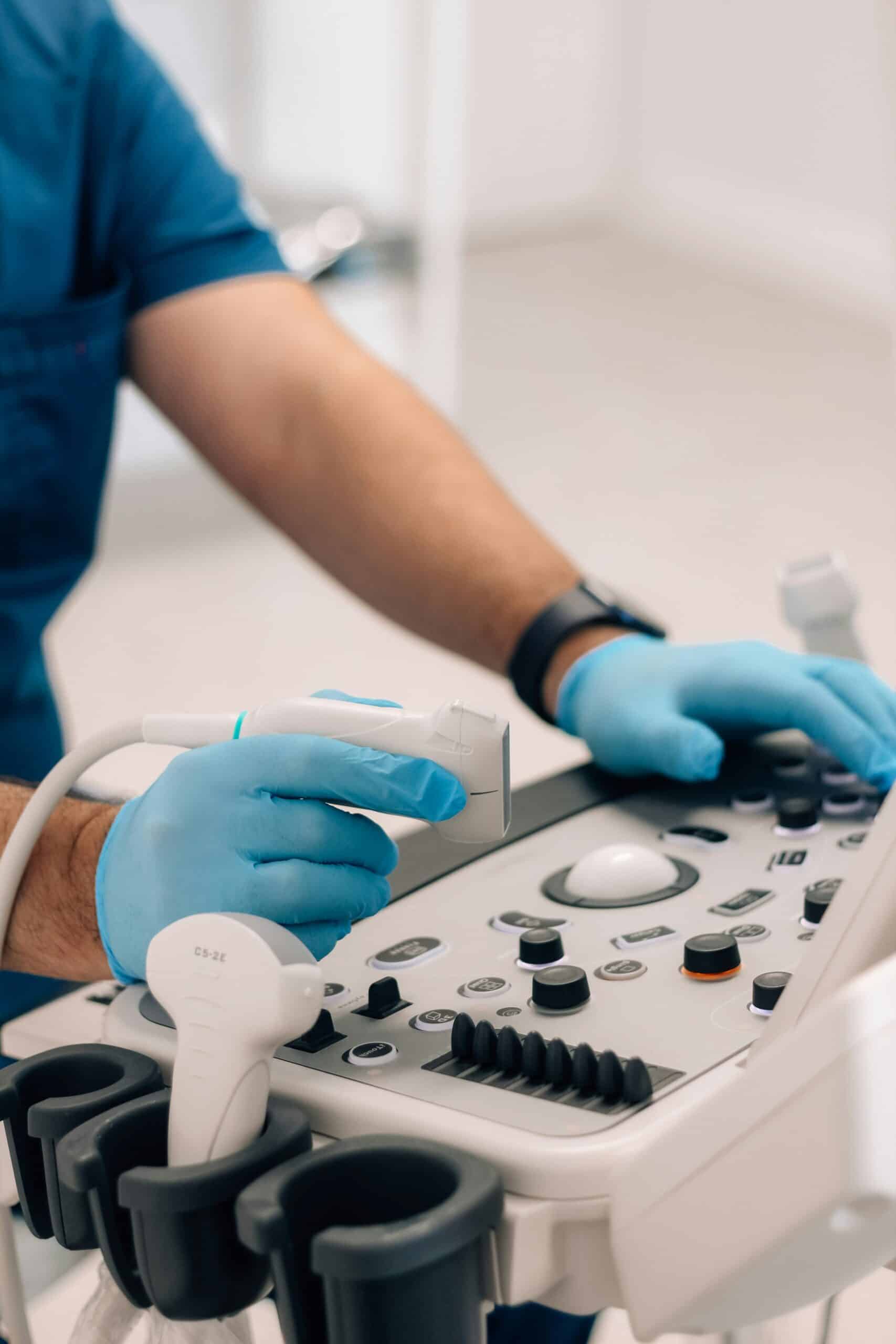
Imaging studies complement clinical evaluation and help identify certain forms of endometriosis. These tests also assist healthcare providers in planning surgical treatment when necessary.
Imaging may not detect every case of endometriosis, particularly in early stages of the disease.
Pelvic Ultrasound
Pelvic ultrasound is often the first imaging test used to evaluate pelvic pain. The test uses sound waves to produce images of the pelvic organs and can help identify ovarian cysts known as endometriomas.
Ultrasound also helps rule out other conditions that may cause pelvic pain.
Magnetic Resonance Imaging (MRI)
Magnetic resonance imaging provides detailed images of pelvic structures and may help detect deeper forms of endometriosis. MRI is commonly used in adolescents when additional information is needed beyond ultrasound findings.
Detailed imaging supports surgical planning when complex disease is suspected.
When Imaging May Not Detect Endometriosis
Small or superficial endometriosis lesions often do not appear on imaging studies. A normal imaging result therefore does not exclude the possibility of endometriosis.
Healthcare providers consider imaging results alongside symptoms and clinical findings when determining the next steps in evaluation.
Treatment Options After Diagnosis
Once endometriosis is diagnosed, treatment plans focus on managing symptoms, improving quality of life, and supporting long-term health. Treatment approaches vary depending on the severity of symptoms, the extent of disease, and individual patient preferences.
Hormonal Therapies
Hormonal therapies are commonly used to reduce symptoms by suppressing ovulation and decreasing menstrual bleeding. These medications may include oral contraceptives or progestin-based therapies.
Hormonal treatment helps control symptoms for many adolescents.
Laparoscopic Excision Surgery
Laparoscopic excision surgery involves removing endometriosis lesions from affected areas within the pelvis. The procedure allows surgeons to treat visible disease while preserving surrounding healthy tissue.
Excision performed by experienced surgeons can reduce pain and improve overall symptom management.
Multimodal Pain Management
Some adolescents benefit from a combination of treatments designed to address chronic pelvic pain. This approach may include medications, pelvic floor physical therapy, and supportive care strategies.
Combining therapies often provides more effective symptom relief than relying on a single treatment.
How Early Diagnosis Supports Long-Term Health
Early diagnosis of endometriosis allows healthcare providers to begin treatment before symptoms become more severe. Prompt management helps reduce pain and supports long-term reproductive health.
Timely care also allows adolescents to maintain participation in school and daily activities.
Improved Symptom Management
Early treatment helps control inflammation and pain associated with endometriosis. Many patients experience meaningful improvements in daily functioning once treatment begins.
Protection of Reproductive Health
Endometriosis can affect reproductive organs over time. Monitoring symptoms and managing disease progression helps preserve future fertility options.
Better Quality of Life for Adolescents
Effective treatment allows many teens to participate fully in school, sports, and social activities. Managing symptoms improves physical comfort and emotional well-being.
The Role of Multidisciplinary Care in Teen Endometriosis
Endometriosis affects multiple aspects of health, which makes coordinated care important for adolescents. A multidisciplinary care model brings together specialists who address different aspects of the condition.
Gynecologic Specialists
Gynecologic specialists evaluate symptoms, diagnose endometriosis, and perform surgical procedures when needed. Their expertise helps guide treatment decisions and long-term management.
Pain Management and Physical Therapy
Pain specialists and pelvic floor physical therapists help manage chronic pelvic pain and improve muscle function. Integrating these therapies with medical treatment enhances overall symptom control.
Mental Health Support
Psychological support helps adolescents cope with the emotional effects of chronic pain. Counseling services and peer support programs help teens develop effective coping strategies.
Frequently Asked Questions
Can teenagers develop endometriosis soon after their first period?
Yes. Symptoms may appear within a few years after the onset of menstruation. Early recognition of severe menstrual pain helps ensure appropriate evaluation.
Why is endometriosis difficult to diagnose in teens?
Symptoms often resemble typical menstrual cramps or digestive problems. This overlap can delay recognition of the condition.
Is laparoscopy always required to diagnose endometriosis?
Laparoscopy remains the most definitive method for confirming endometriosis. Healthcare providers may begin treatment based on symptoms and clinical findings before surgery is considered.
Can treatment begin before surgery?
Yes. Hormonal therapies and pain management strategies are often used to control symptoms before surgical evaluation.
What should teens do if they suspect endometriosis?
Teens experiencing severe or persistent menstrual pain should consult a healthcare provider. Recording symptoms and menstrual patterns can help guide evaluation.
Conclusion
Accurate diagnosis of endometriosis in adolescents supports effective symptom management and long-term health planning. Persistent pelvic pain, severe menstrual cramps, and other symptoms warrant careful clinical evaluation.
Early recognition, structured diagnostic assessment, and coordinated specialist care allow adolescents to receive appropriate treatment and maintain active, healthy lives. When symptoms suggest possible endometriosis, consultation with clinicians experienced in adolescent pelvic pain can provide guidance and access to individualized care.