
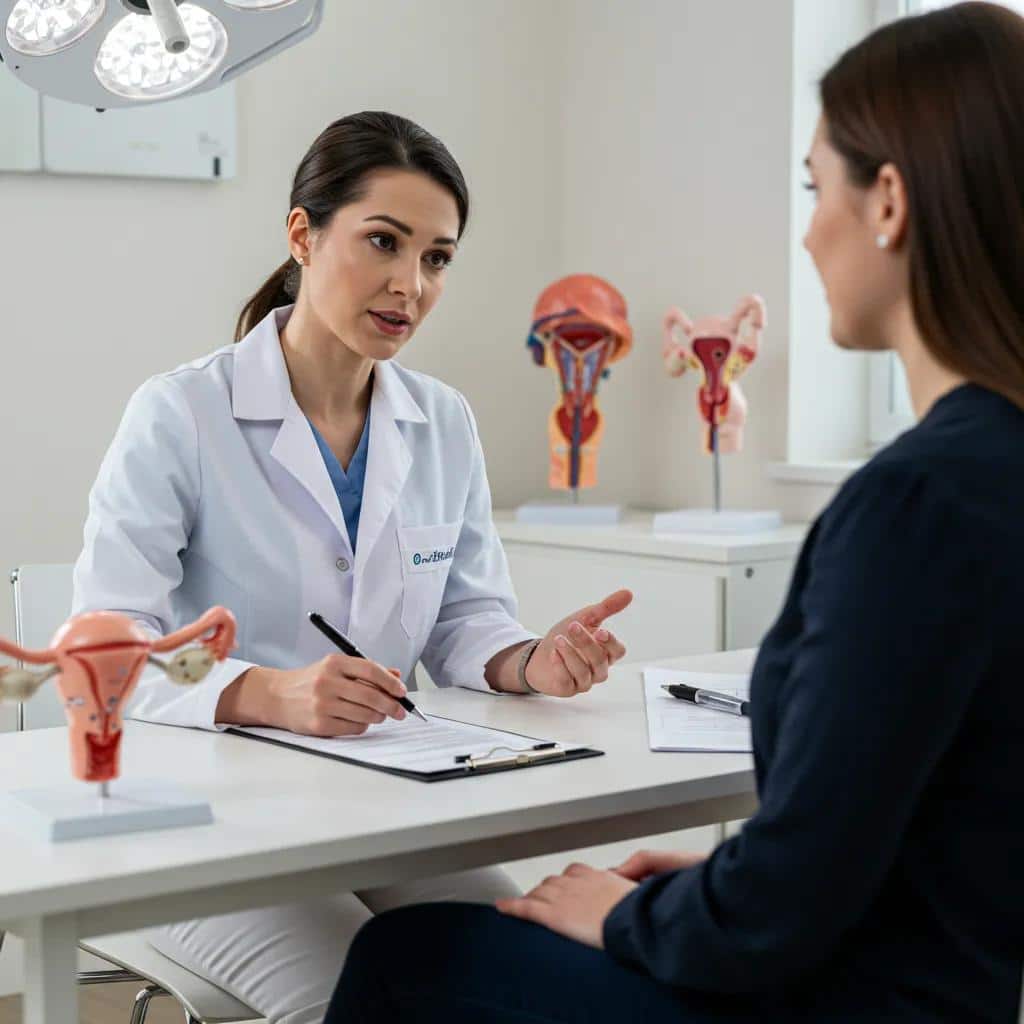
Pinpointing endometriosis requires astute clinical judgment, as tissue outside the uterus can manifest in a wide array of symptoms often misattributed, leading to significant delays in diagnosis. Patients will discover how specialists expertly combine a detailed medical history, a focused physical examination, targeted imaging, and confirmatory laparoscopy to achieve diagnostic precision. Understanding how an accurate diagnosis reshapes treatment planning and improves outcomes is paramount.
Specialist-led approaches, including those from board-certified clinicians trained at Mayo Clinic, enhance the detection of subtle lesions, shorten the path to effective interventions, and enable gold-standard surgical options like Endometriosis Excision Surgery. This article outlines common symptoms and differential diagnoses, details the stepwise diagnostic pathway, compares imaging and surgical methods, explores cutting-edge non-invasive research, and describes the patient’s journey through specialist centers.
What Are the Common Symptoms and Early Signs of Endometriosis?
Endometriosis commonly presents as recurrent pelvic pain, driven by ectopic endometrial tissue that triggers inflammation, adhesions, and localized nerve sensitization. Identifying these early signs increases the likelihood of prompt specialist evaluation and improved outcomes. Recognizing the mechanistic link between lesions, cyclic inflammation, and symptom patterns empowers both patients and clinicians to prioritize diagnostic pathways that address pain, fertility, and organ-specific concerns. Typical symptoms often overlap with other pelvic disorders, making clear symptom mapping essential for triggering appropriate imaging or referral to a specialist. The following section details specific symptoms and red flags that warrant evaluation.
Which Symptoms Indicate Possible Endometriosis?
The checklist below summarizes the most common symptoms and red flags associated with endometriosis, helping readers identify when specialist assessment is advisable.
- Pelvic pain that intensifies with menstruation and restricts daily activities.
- Painful intercourse (dyspareunia) that is either new or worsening.
- Disabling dysmenorrhea accompanied by heavy or irregular bleeding.
- Bowel or bladder symptoms that correlate with the menstrual cycle, such as painful bowel movements or urinary urgency.
- Infertility in individuals experiencing unexplained difficulty conceiving.
These indicators help clinicians estimate the pre-test probability of endometriosis. Persistent, progressive, or fertility-impacting complaints should prompt a specialist referral for targeted assessment.
How Do Pelvic Pain, Dysmenorrhea, and Infertility Relate to Diagnosis?
Pelvic pain and dysmenorrhea often stem from local inflammatory responses to ectopic implants and adhesions that pull on pelvic structures. Infertility can arise from distorted anatomy, such as ovarian endometriomas or blocked fallopian tubes. Understanding the underlying pathophysiology aids clinicians in prioritizing diagnostic tests.
Persistent, severe dysmenorrhea or cyclical bowel/bladder symptoms heighten the probability that imaging or laparoscopic evaluation will reveal endometriosis. For patients seeking fertility, clinicians frequently expedite diagnostic imaging and coordinate fertility assessments alongside surgical planning to prevent delays. Recognizing these connections informs both immediate symptom management and long-term reproductive planning.
What Related Conditions Should Be Considered During Diagnosis?
Several pelvic and abdominopelvic conditions mimic endometriosis and must be carefully considered to prevent misdiagnosis. Differentiating features guide appropriate testing and referrals. Adenomyosis often causes heavy, crampy bleeding and a diffusely enlarged uterus on imaging. Irritable bowel syndrome presents with chronic bowel symptoms that are typically non-cyclical and respond to dietary adjustments. Interstitial cystitis is characterized by chronic bladder pain and urinary frequency unrelated to menstruation.
A focused history, symptom timing relative to the menstrual cycle, and selective tests like targeted ultrasound, pelvic MRI, or consultations with urology/colorectal specialists help distinguish these conditions. When symptoms overlap, multidisciplinary evaluation enhances diagnostic clarity and naturally leads to planning imaging and potential laparoscopy.
How Is Endometriosis Diagnosed: From Initial Consultation to Confirmation?
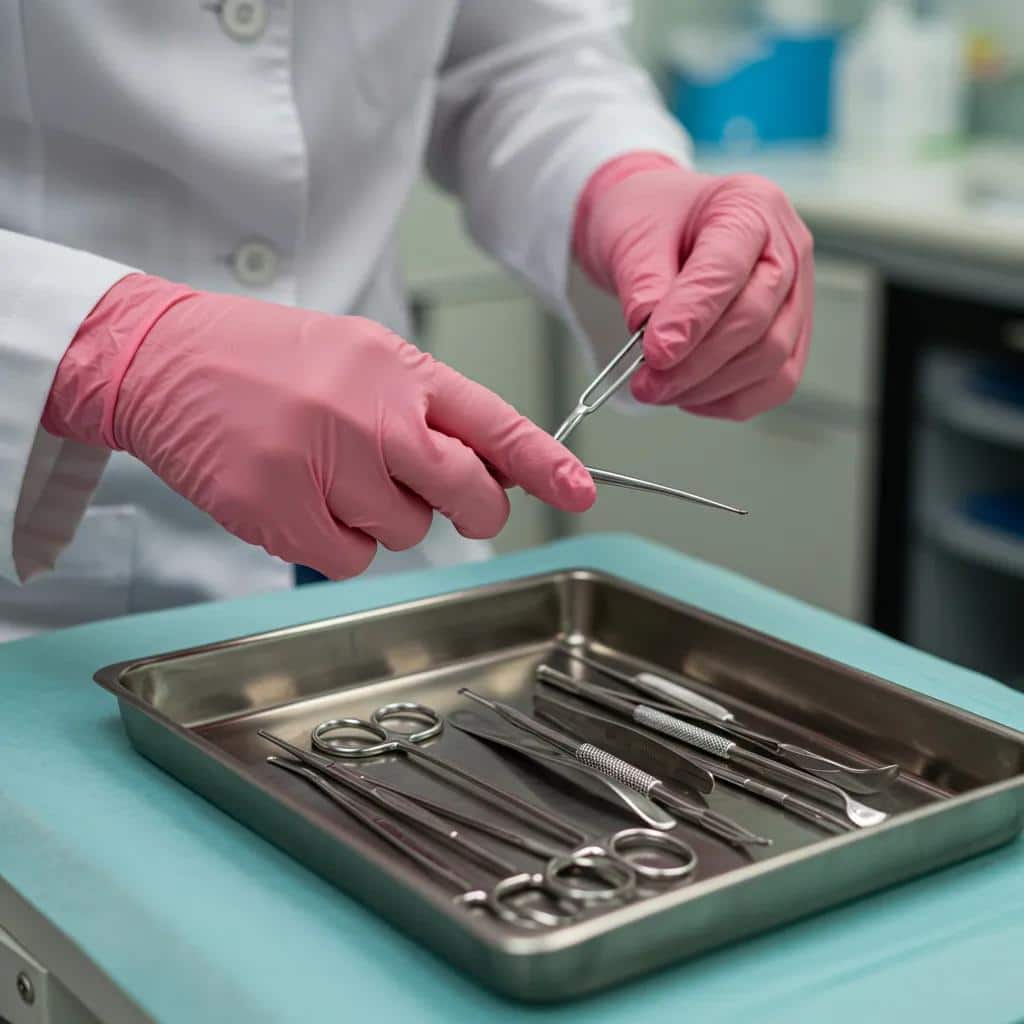
Endometriosis diagnosis commences with a structured consultation where the medical history and physical exam establish a working diagnosis. Imaging then refines anatomical understanding, and diagnostic laparoscopy with excision provides definitive visualization and tissue confirmation. This stepwise approach minimizes both under- and over-treatment. Each stage contributes distinct information: the history reveals symptom patterns and impact, imaging detects macroscopic lesions like ovarian endometriomas, and laparoscopy confirms peritoneal disease while enabling therapeutic excision. Specialists customize the diagnostic pathway based on symptom severity, fertility aspirations, and imaging findings to optimize patient outcomes. The subsequent section details the initial clinic assessment.
What Happens During the Pelvic Exam and Medical History Review?
The initial visit focuses on targeted questions regarding pain timing, menstrual patterns, bowel and bladder symptoms, sexual pain, and fertility goals. This is complemented by a focused pelvic exam to assess for nodularity, fixed pelvic organs, or uterosacral tenderness. Clinicians meticulously document the functional impact of symptoms and prior treatments, which informs the urgency and subsequent steps. Red flags, such as acute abdominal pain or severe hematuria, necessitate urgent investigation. Eliciting symptom timing relative to the menstrual cycle is crucial for distinguishing gynecologic from non-gynecologic sources and setting expectations for imaging and potential laparoscopy. Clear documentation of these findings facilitates coordination with imaging, colorectal, urology, and fertility specialists when required.
How Are Imaging Techniques Like Ultrasound and MRI Used in Diagnosis?
Transvaginal ultrasound and pelvic MRI serve complementary roles. Ultrasound is typically the first-line imaging modality for detecting ovarian endometriomas and certain deep infiltrating lesions. MRI, with its superior soft-tissue contrast, is invaluable for visualizing complex anatomy and for preoperative mapping. Imaging enhances diagnostic confidence when it identifies endometriomas, bowel wall invasion, or rectovaginal disease. However, both modalities may miss subtle peritoneal implants, underscoring why laparoscopy remains the confirmatory diagnostic step. The table below compares common diagnostic tests, their purpose, and limitations to clarify when each method is most beneficial.
The following citation provides a detailed overview of how ultrasound and MRI are utilized in diagnosing endometriosis.
Why Is Laparoscopic Excision Surgery the Gold Standard for Diagnosis?
Diagnostic laparoscopy offers direct visualization of endometriosis lesions, allows for targeted biopsy for histopathology, and enables immediate therapeutic excision. This process not only confirms the disease but also reduces symptomatic burden when complete excision is achieved. Excision removes diseased tissue rather than merely ablating it superficially, leading to improved pain relief and fertility outcomes for many patients, particularly when performed by experienced surgeons. While risks associated with minimally invasive surgery exist, the benefits often outweigh these for patients with persistent, severe, or fertility-impacting disease. Understanding laparoscopy’s dual diagnostic and therapeutic role highlights why specialist surgical skill is central to many treatment pathways.
Why Should You Choose an Endometriosis Diagnosis Specialist?

A specialist dedicated to endometriosis integrates advanced surgical techniques, multidisciplinary coordination, and nuanced decision-making to reduce misdiagnosis and enhance long-term outcomes for pain, fertility, and organ-involving disease. Specialists trained at high-volume centers possess refined skills in laparoscopic excision, leading to increased lesion detection and more complete removal, which correlates with better symptom control and lower recurrence rates. Multidisciplinary models ensure that bowel, bladder, and fertility implications are evaluated concurrently, fostering personalized treatment plans that balance surgical and medical therapies. The next section profiles the specialist expertise that contributes to these advantages.
What Expertise Does a Specialist Like Dr. Rachael Ann Haverland Bring?
Dr. Rachael Ann Haverland is a board-certified specialist trained at Mayo Clinic, leading clinical teams focused on excision surgery and complex endometriosis care. Her specialized training and clinical focus enable precise laparoscopic excision, individualized surgical planning, and seamless coordination with colorectal and urology specialists when disease involves the bowel or bladder. The presence of a named Mayo Clinic-trained clinician signifies a commitment to evidence-based, surgical excellence that supports superior diagnostic and therapeutic outcomes.
How Does Multidisciplinary Care Improve Diagnostic Accuracy?
Multidisciplinary teams—comprising specialists in gynecology, colorectal surgery, urology, fertility, pain management, and pelvic physical therapy—integrate diverse perspectives to refine diagnoses and synchronize treatment planning for complex presentations. For instance, suspected bowel involvement benefits from preoperative MRI and colorectal input to determine the extent of necessary resection, while bladder symptoms may require urology assessment and cystoscopy. Coordinated care minimizes redundant testing, shortens the time to definitive treatment, and supports comprehensive recovery pathways. These collaborative workflows naturally transition into Personalized Endometriosis Treatment that addresses both surgical and non-surgical needs.
What Are the Benefits of Specialist-Led Diagnosis Over General Gynecological Care?
Specialist-led diagnosis significantly increases the likelihood of identifying subtle peritoneal implants, planning for complete excision, and arranging necessary interdisciplinary support, all of which enhance symptom relief and reproductive outcomes. While general gynecologists provide essential baseline care, specialists offer concentrated experience with advanced laparoscopic techniques, preoperative mapping, and postoperative rehabilitation strategies that reduce recurrence and improve quality of life. Access to subspecialty resources, such as fertility planning and coordination with bowel/bladder specialists, adds practical value for patients with multi-organ involvement. Opting for specialist evaluation is particularly advantageous when symptoms are severe, progressive, or linked to infertility.
What Are the Latest Advances in Non-Invasive Endometriosis Diagnosis Methods?
Emerging non-invasive diagnostic tools—including biomarkers, menstrual blood testing, nanotechnology, and AI—aim to improve early detection by identifying molecular signatures or enhancing imaging interpretation. However, as of 2024–2025, current evidence supports their use in adjunct roles rather than as replacements for surgical diagnosis. These approaches target underlying inflammation, unique protein or miRNA patterns, and image-based pattern recognition to elevate pretest probability and prioritize patients for definitive evaluation. Understanding the evidence level and limitations helps clinicians integrate new tools into hybrid diagnostic pathways that combine clinical assessment, imaging, and selective minimally invasive confirmation. The subsections below examine biomarkers, menstrual blood testing, and the outlook for clinical adoption.
How Are Biomarkers and AI Transforming Endometriosis Detection?
Candidate biomarkers include circulating proteins, cell-free RNA, and miRNA panels that show promise in distinguishing endometriosis from control groups. AI algorithms are enhancing image analysis and pattern recognition in ultrasound or MRI to flag suspicious anatomy. Recent studies report varying sensitivity and specificity depending on the panels and patient cohorts used, and regulatory validation remains incomplete, meaning these tools are not yet universally adopted for standalone diagnosis. AI can assist radiologists and surgeons by highlighting probable lesions and measuring their extent, thereby improving preoperative planning when used alongside imaging. Ongoing multicenter validation is essential before biomarkers and AI are fully integrated into routine diagnostic algorithms.
Can Menstrual Blood Samples and Nanotechnology Replace Surgery?
Menstrual blood testing and nanotechnology approaches analyze endometrial cells or nanoscale biomarkers present during menstruation to detect disease-associated signatures without invasive procedures, offering an attractive non-invasive sampling method. Current research shows promising signals, but reproducibility, standardization, and large-scale prospective validation remain incomplete as of 2025. Consequently, these methods currently function as adjuncts that may help triage patients rather than replace laparoscopy. Nanotechnology holds potential for enhancing sensitivity for low-abundance markers, but clinical readiness hinges on standardized assays and regulatory approval. For now, these innovations complement imaging and clinical assessment while developers pursue rigorous validation.
What Is the Future Outlook for Non-Surgical Diagnosis?
The most probable near-term scenario involves hybrid diagnostic models that combine refined imaging, validated biomarker panels, and AI-assisted interpretation to stratify patients for targeted laparoscopy. This approach aims to reduce unnecessary invasive procedures and shorten diagnostic delays. In the longer term, if multi-marker panels and imaging AI achieve high negative predictive values through extensive trials, some patients with low pretest probability might avoid diagnostic surgery. However, surgical confirmation will likely remain necessary for therapeutic excision in many cases. Centers will integrate new tests into existing pathways, using them to prioritize patients for specialist evaluation and personalize surveillance strategies.
How Does the Patient Journey Progress From Suspicion to Diagnosis at a Specialist Center?

patient writing in a symptom diary at a cozy desk emphasizing the importance of endometriosis symptom tracking
The patient journey through a specialist center typically follows a predictable sequence: symptom recognition, targeted referral triggers, structured pre-visit workup, focused specialist evaluation, imaging and diagnostic planning, and, when indicated, diagnostic laparoscopy with possible excision and coordinated postoperative support. Specialist centers streamline communication, minimize duplicative testing, and connect patients with fertility, bowel/bladder, pain, and mental health resources to address the full impact of the disease. Mapping this journey clarifies expectations and empowers patients to provide useful documentation that expedites evaluation. The next section lists common referral triggers and advice for pre-visit preparation.
What Steps Are Involved From Initial Symptoms to Specialist Referral?
Patients and referring providers can utilize clear referral triggers and a concise pre-referral checklist to accelerate specialist evaluation and optimize preparedness for imaging or surgery. Recommended triggers include severe cyclical pelvic pain unresponsive to first-line medical therapies, progressive dyspareunia, infertility with suspected endometriosis, and bowel or urinary symptoms linked to the menstrual cycle. Pre-visit documentation should encompass symptom chronology, prior imaging reports, surgical history, and fertility evaluations to inform triage decisions. Efficient referral processes reduce diagnostic delays and support timely coordination with allied specialists.
- Referral triggers often include persistent severe dysmenorrhea, new dyspareunia, and infertility.
- Valuable pre-visit documents include previous imaging, lab results, and a symptom diary.
- Early communication with colorectal/urology specialists is recommended if bowel or bladder symptoms are prominent.
These steps help ensure the specialist team has the necessary context to promptly recommend Personalized Endometriosis Treatment.
How Does Endo Excellence Center Support Patients Emotionally and Physically?
Endo Excellence Center, under the leadership of Dr. Rachael Ann Haverland, provides a personalized, multidisciplinary model that addresses pelvic pain, bowel and bladder health, fertility, and emotional well-being through integrated services and patient navigation. The center prioritizes holistic patient support alongside advanced surgical options like Endometriosis Excision Surgery, coordinating care with specialists in pain management, colorectal and urology, fertility counseling, and psychosocial support. This integrated approach reduces the patient’s burden by consolidating assessments and streamlining decision-making into tailored treatment plans. Patients benefit from a coordinated pathway that aligns diagnostic clarity with comprehensive post-diagnostic rehabilitation.
What Resources and Support Are Available During the Diagnostic Process?
Specialist centers typically offer educational materials, preoperative counseling, referrals for pelvic physical therapy, nutritional guidance, mental health support, and patient navigation services to assist with insurance and logistical matters during diagnosis and treatment planning.
- Educational materials and pre-operative information packets
- Referrals for pelvic physical therapy
- Nutritional guidance
- Mental health support services
- Patient navigation for insurance and logistical coordination
- Connections to patient support groups
Engaging allied services early—such as pelvic physical therapy or pain management—can reduce perioperative morbidity and expedite functional recovery following excision. Access to these resources complements clinical care and supports long-term improvements in quality of life.
What Are the Diagnostic Criteria and Tests Used by Specialists for Endometriosis?
Specialists integrate clinical criteria, imaging findings, intraoperative visualization, and histopathologic confirmation to establish the diagnosis, staging disease severity for surgical planning and prognosis. Clinical criteria emphasize the cyclical nature of pain, organ-specific symptoms, and the impact on daily life. Imaging criteria prioritize signs of endometrioma and deep infiltrating disease. Surgical criteria rely on direct visualization of lesions and, when possible, biopsy-proven endometrial glands and stroma. Clear diagnostic thresholds help determine when to proceed with laparoscopy for confirmation and excision versus when to manage conservatively. The next section synthesizes the clinical and imaging criteria that enhance diagnostic confidence.
What Clinical and Imaging Criteria Define Endometriosis Diagnosis?
Clinicians evaluate symptom patterns—cyclical pelvic pain, dyspareunia, cyclical bowel/bladder symptoms—and examination findings, such as uterosacral nodularity, alongside imaging that identifies endometriomas or deep infiltrating lesions to estimate pretest probability. When imaging reveals an ovarian endometrioma or MRI indicates rectovaginal invasion, the likelihood of surgically confirmed disease increases significantly, guiding decisions for operative management. Conversely, negative imaging findings despite high clinical suspicion may still warrant diagnostic laparoscopy, particularly in cases of refractory symptoms or fertility concerns. These combined criteria inform a practical diagnostic algorithm for specialists.
How Is Diagnostic Laparoscopy Performed and Interpreted?
Diagnostic laparoscopy is conducted under general anesthesia using minimally invasive ports to visualize the pelvic cavity, identify lesions (such as powder-burn implants, adhesions, and endometriomas), and obtain targeted biopsies for histopathology. Concurrent excision may be performed when indicated. Surgeons meticulously document lesion morphology, location, and extent to guide staging and postoperative planning. Pathologists confirm the presence of endometrial glands and stroma when tissue samples are available. Interpretation integrates operative findings with the clinical context to finalize the diagnosis and shape individualized treatment recommendations. Proper tissue sampling and complete excision, when feasible, contribute to both diagnostic certainty and therapeutic benefit.
How Do Specialists Differentiate Endometriosis From Similar Conditions?
Differentiation relies on correlating symptom timing, characteristic imaging signatures, targeted diagnostic tests, and specialist consultations. Adenomyosis typically presents with diffuse uterine changes on imaging and heavy bleeding. Irritable bowel syndrome responds to bowel-focused interventions and lacks clear cyclical exacerbation. Interstitial cystitis is characterized by bladder-specific findings and distinct symptom patterns. When diagnostic overlap persists, involving colorectal or urology services, or performing procedures like colonoscopy or cystoscopy, can clarify the source of symptoms. This multidisciplinary diagnostic decision-making process reduces misattribution and leads to focused interventions tailored to the confirmed condition.
How Does Accurate Diagnosis Impact Treatment Options and Outcomes?
Accurate diagnosis is pivotal for selecting the appropriate treatment—whether medical suppression, excision surgery, fertility interventions, or combined approaches—and strongly influences outcomes related to pain relief, fertility, and recurrence risk. Therefore, diagnostic precision is central to optimizing long-term patient goals. Confirmed disease through laparoscopy enables surgeons to perform complete excision, which is associated with better symptomatic outcomes and lower relapse rates compared to incomplete or superficial approaches. Accurate mapping of disease extent also informs fertility counseling and the timing of assisted reproductive treatments versus surgical management. The following table outlines treatment choices based on diagnostic certainty and expected outcomes.
Why Is Early and Precise Diagnosis Critical for Effective Excision Surgery?
Early and precise diagnosis empowers surgeons to plan for complete excision before extensive adhesions and organ distortion develop. This approach enhances postoperative pain outcomes and can improve fertility prospects compared to delayed intervention. Timely specialist referral minimizes disease progression and reduces the technical complexity of surgery, thereby increasing the probability of complete lesion removal and lowering recurrence risk. Specialist surgical expertise in excision maximizes symptomatic benefit while minimizing the unnecessary removal of healthy tissue. Collectively, these factors underscore why diagnostic accuracy and timing significantly impact surgical success.
How Does Diagnosis Influence Fertility and Pain Management Plans?
A confirmed diagnosis allows for tailored fertility counseling that balances the benefits of excision for specific lesion types against the optimal timing for assisted reproductive technologies. It also guides multimodal pain strategies that integrate medical therapy, physical therapy, and targeted interventions. For patients prioritizing fertility, coordinated planning with reproductive endocrinology determines whether surgery or immediate assisted reproduction offers the best chance for conception. Pain management plans rely on accurate lesion mapping to target interventions and optimize rehabilitation, reducing reliance on long-term opioid therapy. This individualized approach enhances both reproductive and functional outcomes.
What Role Does Holistic and Multidisciplinary Care Play Post-Diagnosis?
Post-diagnosis recovery and long-term health are enhanced when care encompasses pelvic physical therapy, nutritional support, mental health counseling, pain medicine, and fertility services alongside surgical follow-up. These allied services address the multifaceted ways endometriosis impacts a patient’s life. Regular outcome assessments—including pain scores, fertility results, and quality-of-life measures—help tailor ongoing care and facilitate early detection of recurrence. Multidisciplinary follow-up supports rehabilitation, mitigates the development of chronic pain, and aids in the return to daily activities and work. For patients ready to pursue definitive care, centers offering integrated pathways that include Endometriosis Excision Surgery and Personalized Endometriosis Treatment streamline the transition from diagnosis to recovery.
The ultimate decision regarding next steps should be made in collaboration with a specialist who can align diagnostic findings with the patient’s priorities. For individuals seeking expert evaluation, Endo Excellence Center, led by Dr. Rachael Ann Haverland, offers multidisciplinary assessment and access to gold-standard excision surgery when indicated. Clinicians and patients can utilize the diagnostic principles outlined here to prepare for focused referrals, evidence-based testing, and coordinated treatment planning that prioritizes accurate diagnosis and meaningful outcomes.
Frequently Asked Questions
What is the role of patient history in diagnosing endometriosis?
A patient’s medical history is fundamental to diagnosing endometriosis. Clinicians gather detailed information about symptoms, menstrual cycle patterns, and previous treatments. This history helps identify patterns suggestive of endometriosis, such as cyclical pelvic pain or infertility. A thorough history can also highlight red flags that necessitate urgent evaluation. By understanding the patient’s unique experience, specialists can tailor their diagnostic approach and prioritize appropriate imaging or referrals, ultimately leading to a more accurate diagnosis.
How can lifestyle changes support endometriosis management?
Lifestyle modifications can significantly support the management of endometriosis symptoms. Patients may find benefit from a balanced diet rich in anti-inflammatory foods, regular physical activity, and stress management techniques like yoga or meditation. These changes can help reduce inflammation and improve overall well-being. Maintaining a healthy weight may also alleviate certain symptoms. While lifestyle changes are not a substitute for medical treatment, they can complement therapeutic approaches and enhance the effectiveness of pain management strategies.
What should patients expect during their first visit to a specialist?
During an initial visit with an endometriosis specialist, patients can anticipate a comprehensive evaluation that includes a detailed medical history and a focused pelvic exam. The clinician will inquire about symptoms, menstrual patterns, and any prior treatments. This initial assessment may be followed by discussions regarding potential imaging tests or referrals to other specialists as needed. Patients should come prepared with any relevant medical records and a list of questions to ensure they receive personalized care tailored to their specific needs.
How does endometriosis affect mental health?
Endometriosis can profoundly impact mental health due to chronic pain, fertility challenges, and the emotional burden of managing a complex condition. Many patients experience anxiety, depression, or feelings of isolation. The unpredictability of symptoms can also contribute to stress and disrupt daily life. It is essential for patients to seek mental health support, whether through counseling, support groups, or therapy, as addressing emotional well-being is a critical component of comprehensive endometriosis care.
What are the potential complications of untreated endometriosis?
Untreated endometriosis can lead to several complications, including chronic pelvic pain, infertility, and the formation of adhesions that can distort pelvic anatomy. In severe cases, it may also result in bowel or bladder dysfunction. Furthermore, the persistent inflammation associated with endometriosis can contribute to the development of other health issues, such as ovarian cysts or endometriomas. Early diagnosis and treatment are vital to prevent these complications and improve the quality of life for affected individuals.
What is the importance of follow-up care after diagnosis?
Follow-up care after an endometriosis diagnosis is crucial for monitoring symptoms, evaluating treatment effectiveness, and making necessary adjustments to the management plan. Regular check-ins with healthcare providers help identify any changes in symptoms or new concerns that may arise. Follow-up care also provides an opportunity for patients to discuss their emotional well-being and receive support for any mental health challenges. This ongoing relationship with healthcare professionals ensures that patients receive comprehensive, personalized care throughout their journey.
Conclusion
Accurate endometriosis diagnosis is paramount for effective treatment, directly influencing pain management, fertility options, and overall patient outcomes. By understanding specialized diagnostic pathways and the significance of multidisciplinary care, patients can navigate their health journey with enhanced confidence and clarity. If you suspect endometriosis, consider seeking a specialist who can provide tailored assessments and treatment plans. Explore the resources available at Endo Excellence Center to take the next step toward effective care.