
Magnetic resonance imaging (MRI) is a cornerstone for diagnosing and staging endometriosis. Its multiplanar, high-contrast views of pelvic soft tissues help distinguish lesion types and define disease extent—information that directly informs surgical strategy. This guide walks through the pelvic MRI sequences most useful for endometriosis—T1 and T2 imaging, fat-suppressed acquisitions, diffusion-weighted imaging (DWI), and dynamic contrast-enhanced MRI (DCE-MRI)—and explains how each sequence detects endometriomas, superficial implants, and deep infiltrating endometriosis (DIE). Because many people face long diagnostic journeys and incomplete staging, accurate MRI mapping before surgery helps close that gap. Below you’ll find clear, practical explanations of MRI physics as it applies to endometriosis, sequence-by-sequence findings, advanced techniques that improve detection, ESUR-aligned protocols and preparation tips, and guidance on how radiology reports translate into excision plans. We also summarize DIE findings by site and offer a patient-facing checklist so readers know what to expect when pursuing pelvic MRI.
What Is Endometriosis and Why Is Accurate MRI Diagnosis Essential?

Endometriosis occurs when tissue similar to the uterine lining grows outside the uterus, provoking inflammation, scarring, and cyclical bleeding that cause pain and functional problems. These implants can form ovarian endometriomas, adhere to peritoneal surfaces, or deeply infiltrate organs and fascial planes—leading to pelvic pain, painful periods, pain with intercourse, and infertility. Imaging matters because endometriosis presents in many ways: superficial lesions are sometimes missed on exam, while DIE requires precise mapping to plan organ-sparing excision and to involve other surgical specialties when necessary. Early, accurate MRI staging lowers the chance of incomplete resection and helps clinicians choose between medical management and definitive surgery, improving counseling and outcomes for patients.
How Does Endometriosis Affect Pelvic Health and Fertility?
Endometriosis disrupts pelvic health through chronic inflammation, scar tissue, and distortion of normal anatomy, producing ongoing pain and reduced function. Adhesions can tether ovaries, fallopian tubes, and bowel—interfering with ovum pickup and transport and lowering fertility chances. Ovarian endometriomas may harm ovarian reserve through local inflammation and through repeated surgical procedures if not carefully managed. That’s why imaging that maps adhesions, ovarian involvement, and tubal distortion is crucial for individualized fertility planning and for choosing fertility-sparing surgical approaches.
Why Is Early and Accurate Diagnosis Critical for Effective Treatment?
Early, precise diagnosis limits disease progression, which otherwise increases adhesions and organ involvement and narrows treatment options. Detailed imaging lets clinicians time interventions appropriately, avoid repeated ineffective therapies, and plan excision that targets disease while preserving reproductive tissues. MRI-based staging also sets realistic expectations about symptom relief and the potential need for multidisciplinary procedures, which improves informed consent and postoperative satisfaction. Next we describe the MRI sequences and image characteristics that most reliably reveal endometriosis.
How Does MRI Detect Endometriosis? Understanding Pelvic MRI for Diagnosis
Pelvic MRI detects endometriosis by exploiting tissue relaxation differences and proton environments across sequences. T1-weighted images emphasize blood products; T2-weighted images show fluid and fibrotic contrast; fat-suppressed sequences and DWI increase lesion conspicuity and help characterize tissue. Radiologists combine multiplanar T1/T2 and adjunct sequences to identify endometriomas (blood-filled cysts), low-T2 fibrotic nodules, and anatomic distortion from adhesions. Together, these features improve sensitivity for DIE compared with single-sequence exams. MRI’s strength is both soft-tissue contrast and the ability to map disease relative to pelvic organs—information that supports surgical planning and organ-specific risk assessment.
The table below summarizes common MRI sequences, their purpose, and typical endometriosis signal characteristics so clinicians and patients can see how each contributes to diagnosis.
What Are the Key MRI Features of Endometriosis Lesions?
Imaging patterns vary by lesion type. Ovarian endometriomas commonly appear as rounded masses with high T1 signal from blood products and variable T2 “shading” that reflects chronic hemorrhage. Peritoneal implants and fibrotic nodules often appear as small, low-T2 lesions that may pull nearby structures. DIE typically forms spiculated, T2-hypointense nodules; loss of normal fat planes and organ retraction are additional clues. Recognizing these patterns helps radiologists and surgeons map disease, estimate burden, and anticipate organ-specific interventions during excision.
What Advantages Does MRI Offer Over Other Imaging Modalities?
MRI provides superior soft-tissue contrast, a broad field of view, and multiplanar imaging that together improve detection and staging of DIE compared with ultrasound or CT. Transvaginal ultrasound (TVUS) is an excellent first-line test for ovarian endometriomas and many posterior compartment lesions; MRI is especially useful when disease is multifocal, posterior compartment involvement is suspected, or extra-pelvic spread is a concern. CT has limited soft-tissue contrast and is generally less useful for primary endometriosis evaluation. In practice, ultrasound and MRI are complementary: use TVUS for initial assessment and MRI for staging and surgical planning.
What Advanced MRI Techniques Improve Endometriosis Detection Accuracy?
Advanced MRI techniques add physiologic or higher-resolution detail to standard anatomy-focused sequences, improving lesion detection and characterization. DWI highlights regions of restricted molecular motion and can reveal small implants or help distinguish hemorrhagic cysts from other adnexal masses. DCE-MRI evaluates lesion vascularity, which can separate active inflammatory foci from inert scar. High-field 3 Tesla (3T) MRI raises signal-to-noise ratio for finer anatomic detail and smaller voxels, improving sensitivity for small DIE lesions. Each technique has trade-offs—contrast exposure, longer scan times, and artifact susceptibility—that clinicians consider when tailoring protocols to a patient’s needs.
The table below compares advanced techniques by strengths, limitations, and typical clinical application to help select the best adjuncts.
How Do Diffusion-Weighted Imaging and Dynamic Contrast-Enhanced MRI Enhance Diagnosis?
DWI detects diffusion restriction seen in high-cellularity tissue or viscous hemorrhagic material; restricted lesions appear bright on high b-value images and dark on ADC maps, which helps distinguish endometriomas and implants from simple cysts. DCE-MRI captures enhancement over time to reveal perfusion patterns that suggest active inflammatory disease or vascularized nodules versus inert fibrotic scar. Used together, these functional techniques improve lesion characterization: DWI uncovers occult implants while DCE-MRI refines assessments of activity, helping surgeons decide which areas to excise. These physiologic insights complement the morphologic detail from T1/T2 imaging and guide operative planning.
What Is the Role of High-Field 3 Tesla MRI in Endometriosis Imaging?
3T MRI increases signal-to-noise ratio, allowing higher-resolution images and thinner slices that can reveal small DIE nodules and subtle adhesions missed on 1.5T scanners. This added spatial detail improves mapping of the rectovaginal septum, uterosacral ligaments, bladder, and ureteral relationships—areas that influence surgical approach. However, 3T can amplify susceptibility artifact and may be less available in some settings, so field strength choice balances diagnostic needs with scanner availability and patient tolerance. Knowing these trade-offs helps clinicians request the most informative study for each clinical question.
How Is Deep Infiltrating Endometriosis Diagnosed Using MRI?
Deep infiltrating endometriosis (DIE) refers to lesions that penetrate beneath the peritoneal surface by several millimeters and often cause fibrotic retraction, organ tethering, or direct invasion of bowel, bladder, or ureter. MRI identifies DIE by locating nodular, T2-hypointense lesions with spiculated margins, measurable size, and associated anatomic distortion such as loss of fat planes and organ tethering. Accurate localization of DIE—rectovaginal septum, uterosacral ligaments, bowel wall, bladder dome, or near the ureter—determines whether colorectal or urology teams should be involved in excision surgery. Mapping these findings supports preoperative planning and reduces intraoperative surprises.
The table below links MRI findings to typical surgical implications so imaging results translate directly into operative strategy.
What MRI Findings Indicate Deep Infiltrating Endometriosis?
Key MRI indicators of DIE include nodular low-T2 lesions with irregular or spiculated margins, direct deformation of organ walls, obliteration of intervening fat planes, and tethering between structures. Measuring nodule depth and overall dimensions and noting contiguous fibrotic tissue help distinguish superficial from deeply infiltrative disease. Intramural bowel signal changes or mucosal involvement raise the likelihood of segmental resection, whereas limited serosal tethering may be amenable to shaving or discoid excision. These imaging details let the surgical team anticipate complexity and plan appropriate specialties.
Why Is Accurate DIE Detection Important for Surgical Planning?
Identifying DIE before surgery determines whether multidisciplinary collaboration—colorectal, urology, or gynecologic oncology—is needed and informs consent for potential resections or reconstructions. Accurate imaging reduces intraoperative surprises by clarifying which organs and tissue planes are involved and what level of repair may be required, shortening operative time and improving safety. Knowing DIE extent also helps prioritize fertility-preserving options, such as ovarian-sparing techniques versus cystectomy. With precise MRI mapping, patients receive clearer counseling and surgical teams can schedule the right resources and specialists.
What Are the Recommended MRI Protocols and Patient Preparation Steps for Endometriosis?
Recommended protocols emphasize multiplanar T1- and T2-weighted imaging with fat suppression, routine inclusion of DWI and ADC mapping, and selective use of contrast-enhanced sequences when the clinical question requires perfusion assessment. International guidelines advise thin slices through the pelvis, phased-array pelvic coils for optimal resolution, and tailored oblique planes to visualize both anterior and posterior compartments. Good patient preparation improves image quality: bowel-emptying measures or limited oral contrast, consistent bladder filling (partially filled), and antiperistaltic agents reduce motion and enhance visualization of small implants. These protocol choices and preparation steps maximize diagnostic yield and support interpretable images for surgical mapping.
Before the ESUR summary, here’s a practical patient checklist to prepare for a pelvic MRI focused on endometriosis.
- Follow any bowel-prep instructions from your imaging center to reduce stool and gas that can obscure posterior compartment lesions.
- Arrive with a moderately filled bladder (follow center guidance) to improve visualization of anterior structures and reduce bladder collapse.
- Tell staff about claustrophobia, implants, or allergies so accommodations (oral anxiolytics, open-bore scanners, or non-contrast protocols) can be arranged.
- Avoid heavy meals and gas-producing foods for 24 hours when possible to minimize bowel motion during the scan.
- Wear comfortable, metal-free clothing and leave jewelry at home to simplify positioning.
What Do ESUR Guidelines Recommend for Endometriosis MRI Protocols?
ESUR and expert groups recommend a core protocol: multiplanar T2-weighted imaging (sagittal and oblique axial/coronal planes), T1-weighted sequences with and without fat suppression to identify hemorrhagic content, and DWI/ADC mapping as a functional adjunct. Contrast-enhanced (DCE) sequences are used selectively when distinguishing active lesion from fibrosis or when vascular assessment could change management. High-resolution thin-slice imaging and phased-array pelvic coils optimize evaluation of DIE sites. Abbreviated non-contrast protocols are acceptable when contrast is contraindicated or when a rapid triage exam is needed. These recommendations provide a practical framework for centers tailoring exams to clinical questions.
How Should Patients Prepare for a Pelvic MRI Scan?
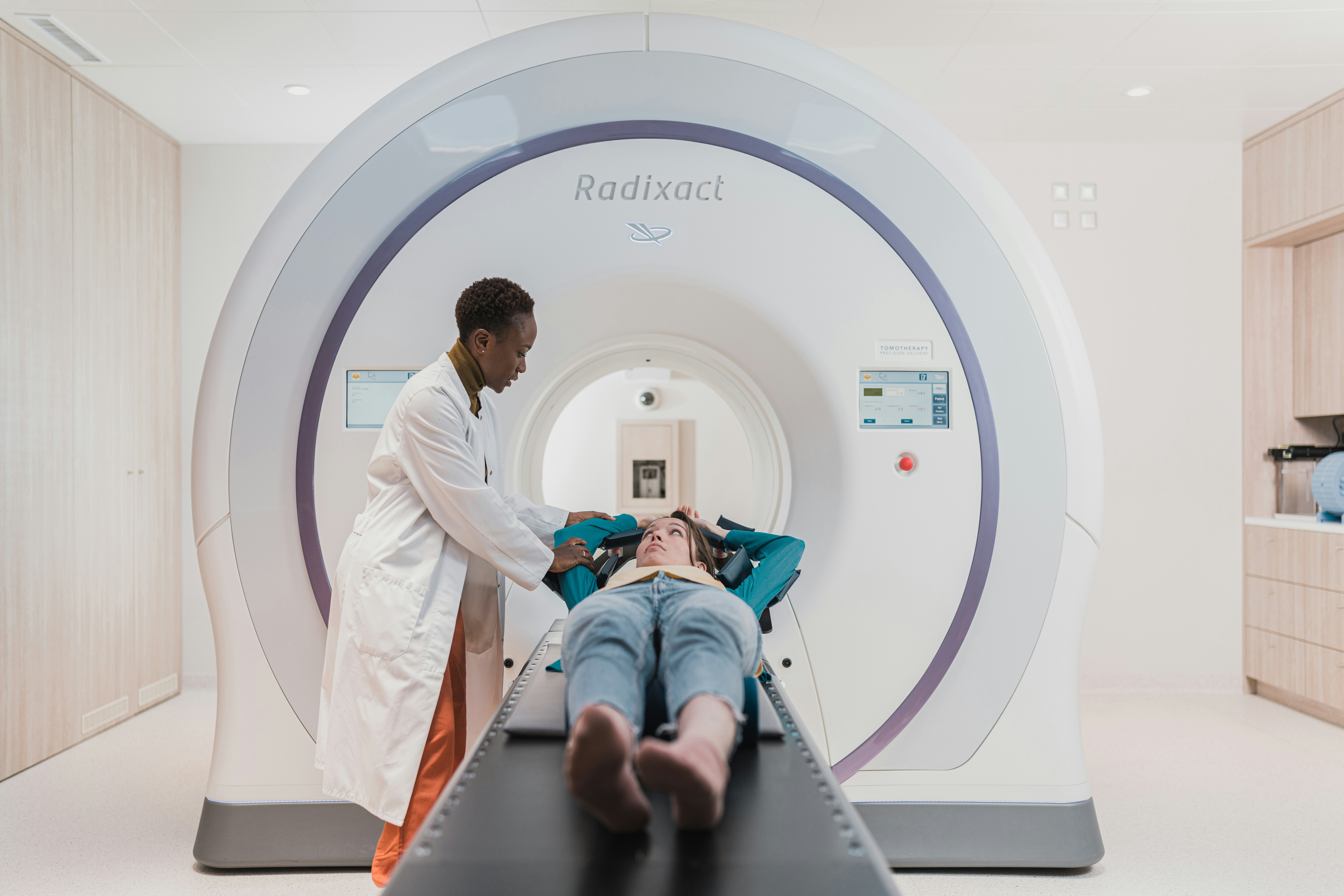
Expect a scan of about 30–60 minutes depending on sequences. Tell staff about pregnancy, implanted devices, and contrast allergies before the study. Claustrophobia can be addressed with mild oral anxiolytics or use of open-bore scanners when available; antiperistaltic agents are commonly used to reduce bowel motion. Bring prior imaging and operative reports if possible—these help the radiologist correlate findings. Wearing loose, metal-free clothing and understanding that the exam is non-invasive and painless will reduce anxiety and improve cooperation during the study.
How Are MRI Results Interpreted to Guide Endometriosis Treatment?
MRI interpretation focuses on actionable items: lesion location, size, depth of infiltration, relation to organ walls, presence of endometriomas, and extent of adhesions or anatomic distortion. Surgeons rely on structured radiology reports that map disease by compartment and highlight findings that change operative strategy—such as bowel wall invasion, ureteral involvement, or proximity to major vessels. Integrating MRI with clinical exam and ultrasound strengthens diagnostic confidence and helps determine whether conservative therapy, fertility-focused approaches, or definitive excision with multidisciplinary support is the recommended path.
Below are key report elements clinicians and patients should expect and why each matters for surgical planning.
- Lesion location by compartment: Identifies which pelvic areas require excision and which specialists may need to participate.
- Lesion size and depth (mm): Guides the choice between shaving, discoid excision, or full-thickness resection and whether bowel resection may be needed.
- Presence and size of endometriomas: Informs ovarian-sparing strategies and discussion of ovarian reserve risks.
- Adhesion mapping and organ tethering: Predicts operative complexity and potential need for extensive adhesiolysis.
These report components form the basis of preoperative planning and connect imaging findings to individualized treatment decisions. Next we describe how Endo Excellence Center incorporates MRI interpretation into its care pathway.
At Endo Excellence Center, we use high-quality MRI interpretations as an integral part of preoperative planning to optimize excision surgery and multidisciplinary care. Led by Dr. Rachael Haverland, a board-certified specialist trained at the Mayo Clinic, our clinical team reviews external MRI studies to map DIE, identify organ-specific risks, and coordinate colorectal or urology collaboration before surgery. While we do not perform MRI scans on-site, we specialize in interpreting imaging together with clinical exam and ultrasound to create precise operative plans aimed at reducing recurrence and preserving function. This multidisciplinary review translates radiology findings into tailored excision strategies that improve intraoperative decision-making.
What Key MRI Findings Inform Surgical Planning at Endo Excellence Center?
Surgeons focus on findings that change the operative plan: bowel wall penetration or significant thickening suggests possible discoid or segmental resection and the need for a colorectal surgeon; ureteral encasement prompts urology involvement for potential stenting or ureterolysis. The size and bilateral nature of endometriomas influence ovarian-sparing decisions and fertility counseling. Dense adhesions or obliterated fat planes predict longer operative time and possible additional approaches. By triaging these MRI elements, our team schedules appropriate resources and multidisciplinary coverage to improve safety and outcomes.
How Does MRI Complement Ultrasound in Endometriosis Diagnosis?
Transvaginal ultrasound (TVUS) is an accessible, first-line tool that reliably detects ovarian endometriomas and many posterior compartment lesions. MRI acts as a second-line or staging modality when TVUS is inconclusive or when multifocal/DIE disease is suspected. Together, TVUS and MRI increase diagnostic accuracy: ultrasound offers real-time, dynamic assessment and targeted tenderness correlation, while MRI provides a comprehensive pelvic map for surgical planning. Using both modalities ensures the most complete anatomic and functional information prior to excision.
Why Does Accurate MRI Diagnosis Lead to Better Endometriosis Treatment Outcomes?
Accurate MRI staging improves outcomes by enabling thorough preoperative mapping, which supports more complete excision, fewer intraoperative surprises, and lower recurrence compared with under-staged surgery. Imaging-based staging allows teams to coordinate necessary specialists, plan organ-sparing techniques, and counsel patients about fertility implications and expected recovery. For patients, better imaging shortens the trial-and-error cycle of repeated treatments that don’t address surgically remediable disease and promotes targeted interventions that relieve symptoms and preserve quality of life.
The following list summarizes key patient-level benefits that stem from precise MRI-based diagnosis and thoughtful surgical planning.
- Reduced recurrence risk through comprehensive preoperative mapping and targeted excision.
- Improved fertility planning by identifying ovarian and tubal involvement and prioritizing ovarian preservation when possible.
- Fewer intraoperative surprises because organ involvement and adhesion severity are anticipated.
- Better informed consent and recovery expectations thanks to clearer descriptions of likely procedures and outcomes.
These benefits show why imaging accuracy matters clinically and emotionally for patients. The next section explains how MRI supports expert excision surgery at our center.
Endo Excellence Center provides consultations that integrate MRI findings into individualized excision plans aimed at minimizing recurrence and preserving function. Referred patients receive expert review of external MRI studies by a team led by Dr. Rachael Haverland, who uses imaging to coordinate multidisciplinary surgical teams and to optimize preoperative counseling and consent. For patients seeking specialized excision and coordinated care, our approach positions precise MR interpretation as a cornerstone of safer, more effective operative strategies.
How Does Preoperative MRI Support Expert Excision Surgery?
Preoperative MRI produces a detailed anatomical map that pinpoints lesion sites, measures nodule depth, and documents organ relationships—allowing surgeons to choose between shaving, discoid excision, or segmental resection. This mapping highlights when adjunct procedures—ureterolysis, bowel resection, or partial cystectomy—are likely, so the right surgical teams are scheduled and patients receive accurate preoperative counseling. MRI-based planning also guides decisions about ovarian preservation during endometrioma management. These concrete links from imaging to intraoperative steps help reduce variability in operative time and improve targeted disease removal.
What Are the Benefits of Timely and Precise MRI Diagnosis for Patients?
Timely, precise MRI shortens the path to effective, personalized treatment by identifying who will likely benefit from medical therapy versus excision—helping achieve better pain control and quality of life sooner. Accurate staging reduces unnecessary procedures and prioritizes fertility-preserving strategies when appropriate, while also easing the emotional burden of diagnostic uncertainty. Patients gain clearer timelines for recovery and better-aligned expectations for symptom relief, which supports postoperative recovery and follow-up. If you’re considering specialized evaluation or excision planning, a consultation with a center experienced in MRI-based surgical mapping can ensure imaging findings translate into a coordinated, effective care plan.
Endo Excellence Center invites patients and referring clinicians to request an expert imaging review and surgical planning consultation. Our team uses MRI interpretations to create individualized excision strategies and coordinate multidisciplinary support led by Dr. Rachael Haverland in Plano, TX. This next step clarifies MRI implications and prepares a practical operative pathway when surgery is recommended.
Frequently Asked Questions
What are the common symptoms of endometriosis that may prompt an MRI?
Common signs that may lead to MRI include chronic pelvic pain, painful periods (dysmenorrhea), pain during intercourse (dyspareunia), and infertility. Many people also report cyclical gastrointestinal symptoms—bloating, diarrhea, or constipation—especially around menstruation. Symptoms vary widely, which can delay diagnosis. If these symptoms persist or worsen, particularly with a family history of endometriosis, a clinician may recommend MRI to assess disease extent and guide treatment.
How does MRI compare to laparoscopy in diagnosing endometriosis?
MRI is a non-invasive imaging modality that provides detailed views of pelvic structures and helps stage disease before surgery. Laparoscopy remains the gold standard for direct visualization and biopsy but is invasive and carries surgical risks. MRI can detect deep infiltrating lesions and map disease to inform surgical planning, potentially reducing the need for diagnostic-only procedures and improving preoperative preparedness.
What role does patient history play in MRI interpretation for endometriosis?
Clinical history is essential for interpreting MRI. Information such as symptom timing, menstrual patterns, prior treatments, and family history helps radiologists correlate imaging findings with the patient’s presentation. This context improves diagnostic accuracy and supports tailored treatment recommendations.
Can MRI detect endometriosis in locations outside the pelvis?
While MRI is primarily used for pelvic evaluation, it can detect extra-pelvic endometriosis in locations such as the diaphragm, thorax, or abdominal wall when those areas are scanned. Advanced techniques like DWI may increase sensitivity for atypical sites, which can be important for comprehensive treatment planning in selected cases.
What are the potential risks associated with MRI for endometriosis diagnosis?
MRI is generally safe and non-invasive. Potential concerns include contrast agent reactions in a minority of patients and contraindications for some implanted devices (e.g., certain pacemakers or cochlear implants). Always inform the imaging team about implants, pregnancy, or allergies before the scan so the safest protocol can be chosen.
How often should patients with endometriosis undergo MRI scans?
Imaging frequency depends on individual needs—symptom severity, treatment response, and surgical planning. Follow-up MRI may be recommended annually or biannually for monitoring in some cases, while patients with changing symptoms or those preparing for surgery may need more timely imaging. Your provider will tailor the schedule to clinical goals.
What should patients expect during an MRI scan for endometriosis?
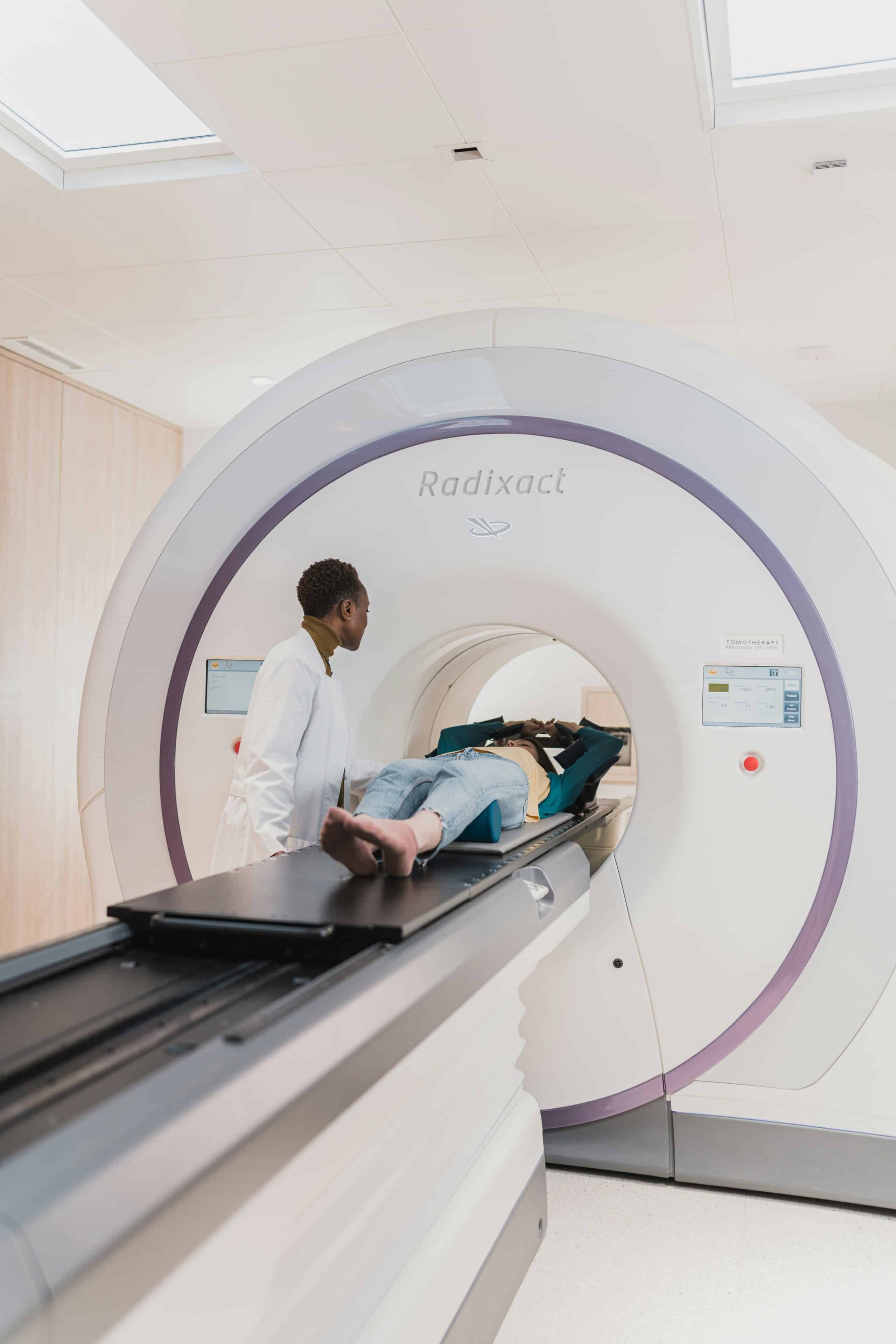
During the scan you’ll lie on a table that moves into the MRI bore. The exam typically takes 30–60 minutes, during which staying still yields the best images. You may hear loud tapping or thumping—earplugs or headphones are provided. If you have claustrophobia, tell the team in advance so accommodations can be arranged. The procedure is non-invasive and painless, with no recovery time required afterward.
Conclusion
Accurate MRI is essential to modern endometriosis care: it maps disease extent, identifies organ involvement, and guides surgical planning—steps that reduce recurrence and support fertility-preserving choices. If you’re navigating endometriosis, seek care where MRI findings are integrated into a coordinated, multidisciplinary plan. Endo Excellence Center can help translate your imaging into an individualized treatment pathway and connect you with the right surgical team and supports. Contact us to request an expert imaging review and surgical planning consultation.