
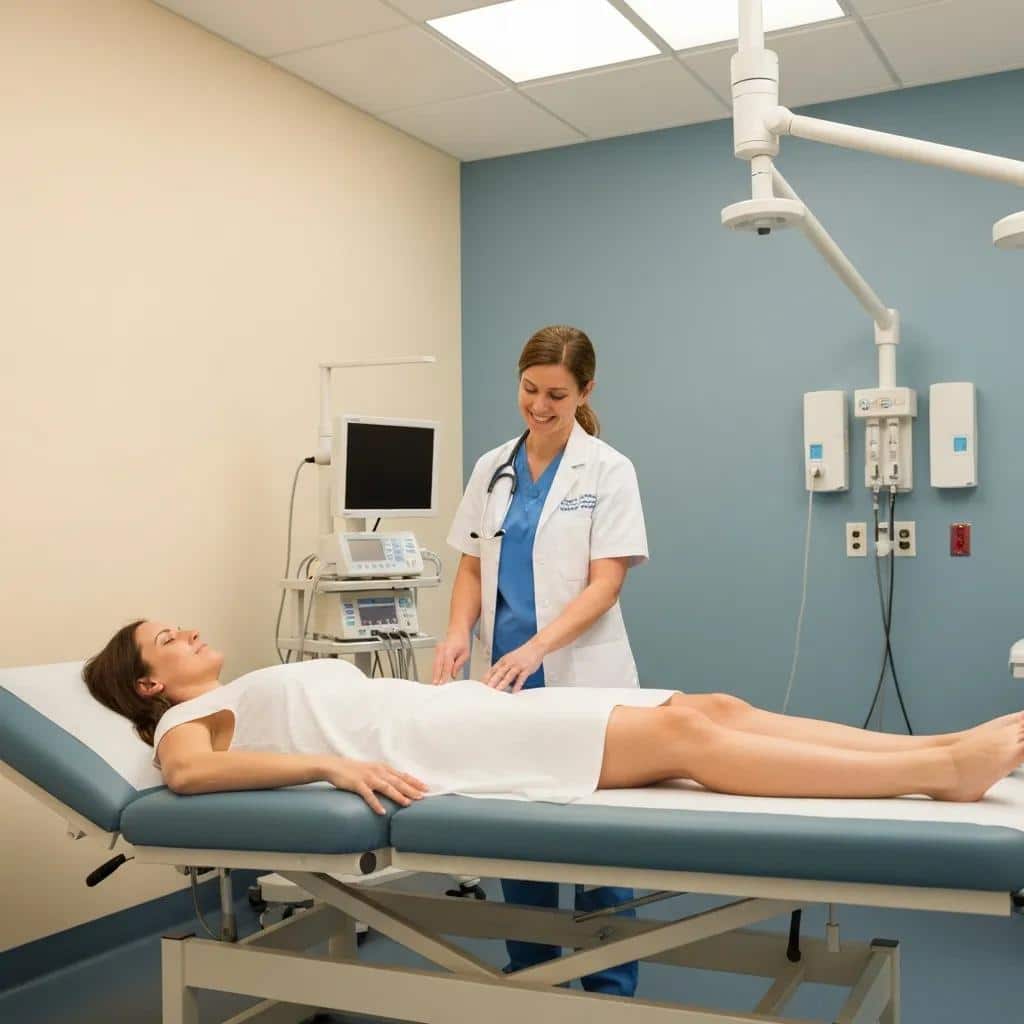
Endometriosis occurs when tissue similar to the uterine lining grows outside the uterus, frequently causing pelvic pain, changes to menstrual cycles, and challenges with fertility. A pelvic exam is a low-cost, first-line clinical step that helps clinicians identify physical clues—localized tenderness, palpable nodules, or limited uterine mobility—that change the likelihood of endometriosis and guide what comes next. This guide describes what a pelvic exam involves, the specific findings clinicians look for, and how those findings direct targeted imaging or the need for laparoscopic confirmation. You’ll read about the exam techniques commonly used in endometriosis evaluation, how exam results steer imaging choices like specialized transvaginal ultrasound and pelvic MRI, and when direct laparoscopy is typically recommended as the diagnostic standard. Practical tips on preparing for the visit, trauma-informed ways to reduce discomfort, and clear criteria for specialist referral are included. Throughout, specialist perspectives show how a coordinated, multidisciplinary pathway can shorten diagnostic delay and improve outcomes.
What Is a Pelvic Exam and How Does It Help Diagnose Endometriosis?
A pelvic exam is a focused, hands-on clinical assessment of the reproductive organs that combines visual inspection with palpation to identify abnormalities that may signal disease. During the exam a clinician inspects the external genitalia, uses a speculum to view the cervix, and performs bimanual palpation to evaluate the uterus’s size, position, mobility, and the adnexa; adding a rectovaginal component increases sensitivity for posterior disease. Exam findings matter because abnormal tenderness, nodularity, or fixation often reflect adhesions, deep infiltrating lesions, or ovarian endometriomas and prompt targeted imaging. In practice, the pelvic exam acts as a triage tool that helps clinicians choose the most appropriate next step—specialized transvaginal ultrasound, pelvic MRI, or expedited laparoscopy—while also helping to exclude other causes of pelvic pain. Although small, superficial peritoneal lesions can be missed on exam, a careful pelvic assessment remains central to clinical decision-making and tailoring an individualized diagnostic plan.
What Are the Types of Pelvic Exams Used in Endometriosis Diagnosis?
Clinicians combine several complementary pelvic exam techniques when evaluating for endometriosis, each with specific strengths and limitations. A speculum exam allows direct visualization of the cervix and vaginal walls to rule out surface lesions or infection but does not assess uterine mobility or deep pelvic structures. The bimanual exam—two fingers in the vagina while the other hand palpates the lower abdomen—evaluates uterine size, tenderness, and adnexal masses such as endometriomas. The rectovaginal exam, with one finger in the rectum and one in the vagina, improves detection of uterosacral ligament nodularity and posterior cul-de-sac disease. Together, these techniques provide a layered assessment: visualization for surface findings, bimanual palpation for uterine and adnexal assessment, and rectovaginal palpation for posterior lesions—each informing whether imaging or surgical evaluation is the most appropriate next step.
Why Is the Pelvic Exam a Crucial First Step in Endometriosis Diagnosis?
The pelvic exam is a crucial early step because it gives immediate clinical information that shapes diagnostic urgency and direction while remaining widely available and cost-effective. When a clinician detects focal tenderness, nodularity, or a fixed uterus, they can select targeted imaging that best evaluates the suspected lesion type—avoiding unnecessary tests and speeding care. For many patients, a thorough exam reduces uncertainty and helps prioritize referrals to imaging specialists or surgeons when findings are concerning. Given well-documented diagnostic delays in endometriosis, a careful exam is an important clinician intervention that can shorten time to definitive assessment. In routine practice, the pelvic exam often identifies patients who need rapid escalation—such as suspected endometriomas or deep infiltrating disease—while allowing conservative management for less suspicious presentations.
What Physical Signs of Endometriosis Can a Doctor Detect During a Pelvic Exam?

A focused pelvic exam can reveal several physical signs that raise suspicion for endometriosis by indicating lesion location, depth, or adhesions. Typical findings include localized uterine or adnexal tenderness, nodularity along the uterosacral ligaments or posterior cul-de-sac, restricted uterine mobility suggestive of adhesions, and palpable adnexal masses consistent with ovarian endometriomas. Each sign alters the clinical pre-test probability: nodularity in the uterosacral ligaments points toward deep infiltrating disease, while a cystic adnexal mass on palpation raises concern for an ovarian endometrioma. Clinicians combine these physical clues with symptom patterns—cyclical pain, bowel or bladder symptoms, and infertility—to build a focused diagnostic plan. The table below summarizes common findings, how they present on exam, and their usual diagnostic implications.
Introductory table: How exam findings map to suspected pathology and next steps.
Which Endometriosis Physical Exam Findings Indicate Possible Disease?
Findings that most strongly suggest endometriosis include focal uterine or adnexal tenderness, discrete nodules along the uterosacral ligaments, restricted uterine mobility, and adnexal masses consistent with cysts. Tenderness that reproduces a patient’s typical pain—especially if cyclical—increases suspicion for adjacent endometriotic lesions. Nodularity along the uterosacral ligaments often correlates with deep infiltrating disease and may predict bowel or rectovaginal involvement. A fixed or retroverted uterus frequently reflects adhesions from prior disease, which can affect fertility and contribute to chronic pain. When several of these signs occur together, clinicians generally assign a higher pre-test probability of significant disease and plan for more advanced imaging or surgical assessment.
How Do These Pelvic Exam Findings Guide Further Diagnostic Testing?
Exam findings help determine which diagnostic tool will most likely confirm and map disease. Palpable adnexal masses or suspected endometriomas typically prompt a specialized transvaginal ultrasound to characterize cystic adnexal structures and evaluate ovarian involvement. Nodularity and posterior compartment tenderness suggest deep infiltrating disease and often indicate pelvic MRI for comprehensive mapping of lesion extent and possible bowel or bladder involvement. When exam findings show high suspicion—such as a fixed uterus with focal nodularity—expedited diagnostic laparoscopy may be recommended because it allows direct visualization, biopsy, and potential excision. In short, the pelvic exam refines imaging selection, informs referral urgency, and helps surgeons anticipate operative findings.
How Accurate Is the Pelvic Exam for Diagnosing Endometriosis?
The pelvic exam offers useful diagnostic clues but is not definitive; its accuracy depends on lesion type, size, and the examiner’s experience. Small superficial peritoneal lesions are often missed on palpation, while deep infiltrating lesions, endometriomas, and adhesions are more likely to produce detectable signs. Reported sensitivity and specificity vary because detection depends on clinician training, use of rectovaginal techniques, and lesion distribution. In practice, a normal pelvic exam does not rule out endometriosis, and abnormal findings usually lead to targeted imaging or laparoscopy for confirmation. The table below summarizes exam types, their relative accuracy, and practical recommendations for clinicians.
Introductory table: Relative strengths and limitations of exam types and recommended clinical action.
What Are the Limitations of Pelvic Exams in Detecting Endometriosis?
Pelvic exams can miss disease for several reasons: small superficial lesions are not palpable, lesions on the upper pelvis or widespread peritoneal surfaces may be out of reach, and pain or guarding can limit examination quality. Operator dependence is a major limitation—clinicians without targeted endometriosis training may underdetect subtle nodularity or omit rectovaginal palpation. False positives are possible when tenderness stems from other conditions such as pelvic inflammatory disease or adenomyosis. These limitations contribute to diagnostic delay and underscore the need for specialist assessment when symptoms persist or initial evaluations are inconclusive.
Because symptoms and signs of endometriosis can overlap with other conditions, comprehensive reviews and careful clinical assessment remain essential.
How Does a Specialist Pelvic Exam Differ from a General Gynecological Exam?
A specialist pelvic exam for suspected endometriosis is more systematic and targeted than a routine gynecologic exam. Specialists carefully map pain, use rectovaginal palpation routinely, and correlate findings with bowel and bladder symptoms. They assess the uterosacral ligaments, posterior cul‑de‑sac, adnexa, and anterior compartments in a methodical way, documenting precise location and severity of nodularity and mobility restrictions. This focused approach increases diagnostic yield and helps surgeons plan excision when needed. Advanced practitioners also coordinate multidisciplinary care—referring to GI or urology when appropriate—and are more likely to recommend targeted imaging or expedited laparoscopy if the exam suggests significant disease.
Where appropriate, a specialist exam combined with multidisciplinary evaluation improves diagnostic clarity. Endo Excellence Center offers a diagnostic pathway led by board‑certified specialist Dr. Rachael Haverland (Mayo Clinic–trained), which pairs focused pelvic exams with targeted imaging and surgical planning; patients can learn more on the center’s About Dr. Rachael Haverland and Schedule an Appointment pages when exam or imaging indicates further evaluation.
How Is the Pelvic Exam Integrated with Other Diagnostic Tools for Endometriosis?
The pelvic exam is central to a stepwise diagnostic pathway: history → pelvic exam → targeted imaging → diagnostic and therapeutic laparoscopy when indicated. By localizing symptoms and physical signs, the exam helps determine whether specialized transvaginal ultrasound, pelvic MRI, or direct laparoscopic assessment is most appropriate. Ultrasound excels at identifying ovarian endometriomas and some deep lesions when performed with targeted protocols, while MRI provides superior soft‑tissue contrast for mapping deep infiltrating disease and multi‑compartment involvement. Laparoscopy remains the definitive step when noninvasive tests are inconclusive or when surgical treatment is planned. The table below compares these tools, their strengths and limits, and how they commonly follow exam findings.
Introductory table: Diagnostic tool comparison to clarify sequential use after exam.
What Role Do Ultrasound and MRI Play After a Pelvic Exam?
Once the pelvic exam narrows the suspected location of disease, specialized transvaginal ultrasound is often the first imaging choice for adnexal involvement because it can characterize cystic structures and assess ovary‑based disease. Sonographers experienced in endometriosis use targeted protocols to look for deep lesions adjacent to the uterus and ovaries. Pelvic MRI complements ultrasound when posterior compartment disease, multifocal deep infiltrating lesions, or complex pelvic anatomy are suspected; MRI’s multiplanar views and soft‑tissue contrast are valuable for surgical planning. Together, these imaging modalities convert palpation‑based suspicions into mapped findings that guide whether and how laparoscopy should proceed.
Why Is Laparoscopy Considered the Gold Standard Following Pelvic Exam Findings?
Laparoscopy is the gold standard because it provides direct visualization of peritoneal surfaces, allows targeted biopsies for histologic confirmation, and enables immediate therapeutic excision when appropriate. Unlike palpation or imaging alone, laparoscopy can reveal small superficial lesions that are otherwise occult and confirm diagnosis with histopathology. Minimally invasive techniques shorten recovery and permit precise excision—important for symptom control and fertility preservation in many patients. When pelvic exam findings strongly suggest endometriosis—particularly deep or complex disease—laparoscopy offers both definitive diagnosis and the opportunity for curative‑style intervention.
When imaging and exam suggest surgically significant disease, referral to a surgeon experienced in gold‑standard excision ensures accurate diagnosis and the best chance for symptom relief and fertility planning.
How Should Women Prepare for a Pelvic Exam to Diagnose Endometriosis?
Preparing ahead can improve exam quality and reduce discomfort, enabling a more accurate assessment. Practical steps include scheduling the visit when bleeding is lighter if possible, wearing comfortable clothing, and bringing a list of symptoms plus prior imaging or operative reports. Tell your clinician about current pain levels and any history of pelvic or sexual trauma so they can use trauma‑informed techniques, offer pauses, and adapt the exam as needed. Discussing short‑acting analgesics beforehand or requesting a chaperone or support person can also help. These steps create a safer, more informative exam experience and let the clinician perform the focused palpation required for endometriosis evaluation.
What Tips Help Reduce Discomfort During a Pelvic Exam for Endometriosis?
Simple, patient‑centered strategies reduce pain and anxiety during the exam and improve diagnostic accuracy. Before the visit, tell your provider about current pain and prior trauma so they can use trauma‑informed care and explain each step. Practice slow breathing and pelvic relaxation during the exam to minimize guarding, and ask the clinician to pause or to break the exam into shorter steps if needed. Request gentle techniques such as minimal speculum opening or topical numbing when appropriate, and consider taking a brief analgesic as advised. Bringing a trusted support person or asking for a chaperone can provide emotional comfort and advocacy.
- Communicate openly: Share pain levels, triggers, and any prior trauma before the exam.
- Ask for modifications: Request gentle techniques, breaks, or topical numbing as needed.
- Use breathing and relaxation: Slow diaphragmatic breaths and pelvic relaxation reduce guarding.
- Bring support: A chaperone or trusted person can offer comfort and advocacy.
Applying these strategies often improves exam quality while honoring patient comfort and safety. Providers who use trauma‑informed, patient‑centered practices generally obtain more reliable physical findings and build stronger patient trust.
When Should You Seek a Specialist for a Pelvic Exam?
Consider specialist evaluation when pelvic pain persists or worsens despite initial treatment, when infertility accompanies suggestive symptoms, or when prior assessments (including imaging) are inconclusive but clinical suspicion remains high. Other red flags include complex symptoms involving bowel or bladder, palpable nodularity on a prior exam, or recurrent adnexal masses. A specialist will perform a systematic, detailed pelvic exam—often including rectovaginal palpation—and coordinate targeted imaging and multidisciplinary care with fertility, GI, or urology colleagues as needed. Endo Excellence Center provides multidisciplinary assessment and gold‑standard excision surgery under the care of board‑certified specialist Dr. Rachael Haverland (Mayo Clinic‑trained); patients can request a consultation through the center’s scheduling channels when further evaluation is indicated.
Why Is Early and Accurate Pelvic Exam Important to Reduce Diagnostic Delay in Endometriosis?

Early, thorough pelvic exams help shorten diagnostic delay by identifying suspicious physical signs that prompt timely imaging, prioritize specialist referral, and reduce unnecessary tests. Diagnostic delays for endometriosis can span several years in many settings, during which symptoms and disease sequelae—such as progressive adhesions and impacts on fertility—may worsen. A careful exam allows clinicians to escalate care when appropriate, order the most informative imaging quickly, and refer to surgeons experienced in excision when needed. Early mapping and diagnosis not only speed access to effective treatments but also improve the chances of preserving fertility and quality of life.
How Does a Thorough Pelvic Exam Shorten the Time to Diagnosis?
A thorough exam accelerates diagnosis by localizing symptoms so clinicians can order targeted imaging and make faster specialist referrals instead of relying on repeated nonspecific tests. When nodularity, a fixed uterus, or an adnexal mass is detected, clinicians can request specialized transvaginal ultrasound or MRI tailored to the suspected lesion, improving the likelihood of timely detection. Prompt recognition reduces back‑and‑forth referrals and allows surgical planning when indicated, compressing the diagnostic timeline from years to months for many patients. This targeted triage is how a high‑quality exam translates into earlier, more effective care.
What Are the Benefits of Early Diagnosis Through Pelvic Exam and Specialist Care?
Early diagnosis via focused pelvic exam and expedited specialist care delivers meaningful benefits: better pain control through appropriate medical or surgical options, improved opportunities for fertility preservation and planning, prevention of progressive adhesions that can complicate later surgeries, and reduced psychological stress from prolonged uncertainty. Patients treated before extensive scarring or organ involvement often experience better functional outcomes. Specialist pathways that combine careful clinical assessment, targeted imaging, and experienced excision surgery maximize the chances of accurate diagnosis and sustained symptom improvement.
- Better symptom control: Early treatment reduces chronic pain and improves daily function.
- Fertility preservation: Timely diagnosis enables fertility‑focused planning and interventions.
- Reduced progression: Early excision and management can prevent worsening adhesions and organ involvement.
- Psychosocial benefits: Faster diagnosis lessens uncertainty and supports mental well‑being.
These benefits highlight why an integrated approach—starting with a skilled pelvic exam and moving promptly to targeted imaging and, when needed, specialist surgical care—is best practice for people with suspected endometriosis. Endo Excellence Center emphasizes this pathway through coordinated, multidisciplinary care and gold‑standard excision surgery provided by experienced clinicians.
Frequently Asked Questions
What should I expect during a pelvic exam for endometriosis?
Expect a careful assessment of your reproductive organs. The clinician will inspect the external genitalia, use a speculum to view the cervix, and perform bimanual palpation to check uterine size, mobility, and any adnexal masses. A rectovaginal exam may be included to evaluate deeper structures. The clinician will note tenderness, nodularity, or restricted movement—findings that can point toward endometriosis or other conditions.
How can I prepare for a pelvic exam to ensure accuracy?
To prepare, schedule the visit when bleeding is lighter if possible, wear comfortable clothing, and bring a list of symptoms and prior medical records. Tell your clinician about pain levels and any history of trauma so they can use trauma‑informed approaches. Discussing pain relief options beforehand may improve comfort and allow a more informative exam.
What are the potential risks associated with pelvic exams?
Pelvic exams are generally safe but may cause discomfort or pain, especially if underlying conditions such as endometriosis are present. Rarely, there is a risk of infection or injury. Communicate concerns with your clinician so they can minimize discomfort and perform a safe exam.
How often should women have pelvic exams for endometriosis screening?
Frequency depends on individual symptoms and risk factors. People with chronic pelvic pain, irregular menstrual cycles, or fertility concerns should discuss exam frequency with their provider. While annual gynecologic exams are common, those with known endometriosis or ongoing symptoms may need more frequent monitoring to guide care.
What follow-up steps should I take if endometriosis is suspected after a pelvic exam?
If endometriosis is suspected, your clinician will likely recommend further testing such as a specialized transvaginal ultrasound or pelvic MRI to clarify the diagnosis and map disease extent. Depending on results, referral to a specialist for possible laparoscopic diagnosis and treatment may follow. Prompt follow‑up and discussion of treatment options—including pain management and fertility planning—are important.
Can lifestyle changes help manage endometriosis symptoms?
Yes. Regular exercise, an anti‑inflammatory diet, and stress‑reduction techniques can help manage symptoms and improve overall well‑being. Some patients find complementary therapies like acupuncture or yoga beneficial. Discuss any lifestyle changes with your healthcare provider to ensure they fit your clinical plan and personal needs.
Conclusion
Pelvic exams play a critical role in diagnosing endometriosis by providing clinical clues that guide targeted imaging and timely specialist care. When performed thoughtfully and combined with appropriate imaging or surgical assessment, a skilled pelvic exam can shorten the path to diagnosis and open earlier treatment options—improving pain control, preserving fertility potential, and enhancing quality of life. If you’re experiencing persistent pelvic pain or related symptoms, consider consulting a specialist to explore a comprehensive evaluation and individualized care plan.