

Teen girls with endometriosis often face more than just “bad cramps.” The condition can cause severe period pain, chronic pelvic discomfort, heavy bleeding, fatigue, and symptoms that interfere with school, activities, and daily life. Because these symptoms are frequently dismissed as normal during adolescence, many teens experience delays in diagnosis and treatment. Recognizing the early signs and understanding when to seek specialized care is critical to managing symptoms effectively and preventing long-term complications.
What Challenges Do Teen Girls Face With Endometriosis?

Teen girls with endometriosis experience persistent pain and symptoms that affect daily functioning, academic performance, and emotional health. These challenges often develop gradually and can intensify without timely recognition and care.
Severe Period Pain That Disrupts Daily Life
Many adolescents report intense menstrual pain that interferes with concentration, attendance, and participation in routine activities. Pain episodes can last for several days and may not respond adequately to standard over-the-counter medications.
Chronic Pelvic Pain Beyond Menstrual Cycles
Pelvic discomfort can occur throughout the month, not only during menstruation. This ongoing pain creates uncertainty and can make it difficult for teens to identify patterns or communicate their symptoms clearly.
Heavy Periods and Fatigue
Heavy menstrual bleeding contributes to ongoing fatigue and reduced energy levels. This can affect physical stamina, limit participation in sports or extracurricular activities, and lead to decreased overall engagement in daily life.
Impact on School, Activities, and Social Life
Frequent absences and difficulty keeping pace with schoolwork can disrupt academic progress. Missed social events and limited participation in activities can also affect confidence and peer relationships over time.
Emotional and Mental Health Effects
Chronic pain and delayed diagnosis often contribute to stress, anxiety, and emotional strain. Many teens feel isolated when their symptoms are not fully understood or taken seriously.
Common Symptoms of Endometriosis in Teen Girls

Early recognition of symptoms supports timely evaluation and appropriate care. Endometriosis in adolescents presents with a range of physical signs that may vary in intensity and frequency.
Painful Periods (Dysmenorrhea)
Severe menstrual pain that increases over time or persists despite standard treatments is a common indicator. The intensity of pain often interferes with normal daily routines.
Ongoing Pelvic or Lower Back Pain
Persistent pelvic or lower back discomfort can occur outside of menstrual cycles. This pattern often signals the need for further clinical evaluation.
Digestive and Bladder Symptoms
Symptoms such as pain during bowel movements, abdominal bloating, and discomfort with urination may appear, particularly during menstruation. These signs can overlap with other conditions and require careful assessment.
Nausea, Fatigue, and Low Energy
Systemic symptoms including nausea, fatigue, and reduced energy levels are frequently reported. These symptoms can compound physical discomfort and further impact daily functioning.
Why Endometriosis Is Often Missed in Teenagers
Endometriosis in adolescents is frequently underdiagnosed due to how symptoms are perceived and interpreted during early menstrual years. This often leads to delays in care and prolonged discomfort.
Symptoms Mistaken for Normal Menstrual Pain
Painful periods are commonly expected during adolescence, which can lead to severe symptoms being normalized. As a result, teens may not seek care early, and symptoms may continue without proper evaluation.
Delays in Diagnosis and Treatment
It can take years for endometriosis to be formally diagnosed. During this time, teens may try multiple treatments without relief, which can affect both physical health and daily functioning.
When Symptoms Should Raise Concern
Certain patterns indicate the need for medical evaluation. These include pain that interferes with school or daily activities, symptoms that worsen over time, or discomfort that occurs outside of menstrual periods. Recognizing these signs supports earlier intervention and better outcomes.
When Should a Teen See a Specialist for Endometriosis?

Recognizing when symptoms require specialist care is an important step in managing endometriosis effectively. Early evaluation can improve symptom control and reduce long-term impact.
Signs That Pain Is Not Normal
Pain that prevents regular activities, persists despite medication, or extends beyond menstruation should be evaluated further. These signs suggest that symptoms may not be typical and warrant closer assessment.
What to Expect During an Evaluation
A clinical evaluation usually includes a detailed discussion of symptoms, menstrual history, and overall health. This process helps identify patterns and guides the next steps in diagnosis and care.
Importance of Early Diagnosis
Early identification allows for timely treatment, which can reduce symptom progression and support better long-term health. Access to a specialist experienced in adolescent endometriosis ensures that care is both appropriate and comprehensive.
How Endometriosis Is Diagnosed in Adolescents
Diagnosis in teen girls begins with careful evaluation of symptoms and progresses through targeted testing when needed. A structured approach helps confirm the condition and guide appropriate care.
Medical History and Symptom Tracking
A detailed medical history provides the foundation for diagnosis. Tracking pain patterns, menstrual cycles, and associated symptoms helps identify trends that are consistent with endometriosis.
Role of Ultrasound and MRI
Imaging studies such as ultrasound or MRI may be used to evaluate pelvic structures and identify abnormalities. While these tools can support diagnosis, they may not detect all cases of endometriosis.
When Laparoscopy Is Considered
Laparoscopy is a minimally invasive procedure that allows direct visualization of endometrial lesions. It is typically considered when symptoms persist despite treatment or when a definitive diagnosis is required to guide further care.
Treatment Options for Teen Girls With Endometriosis
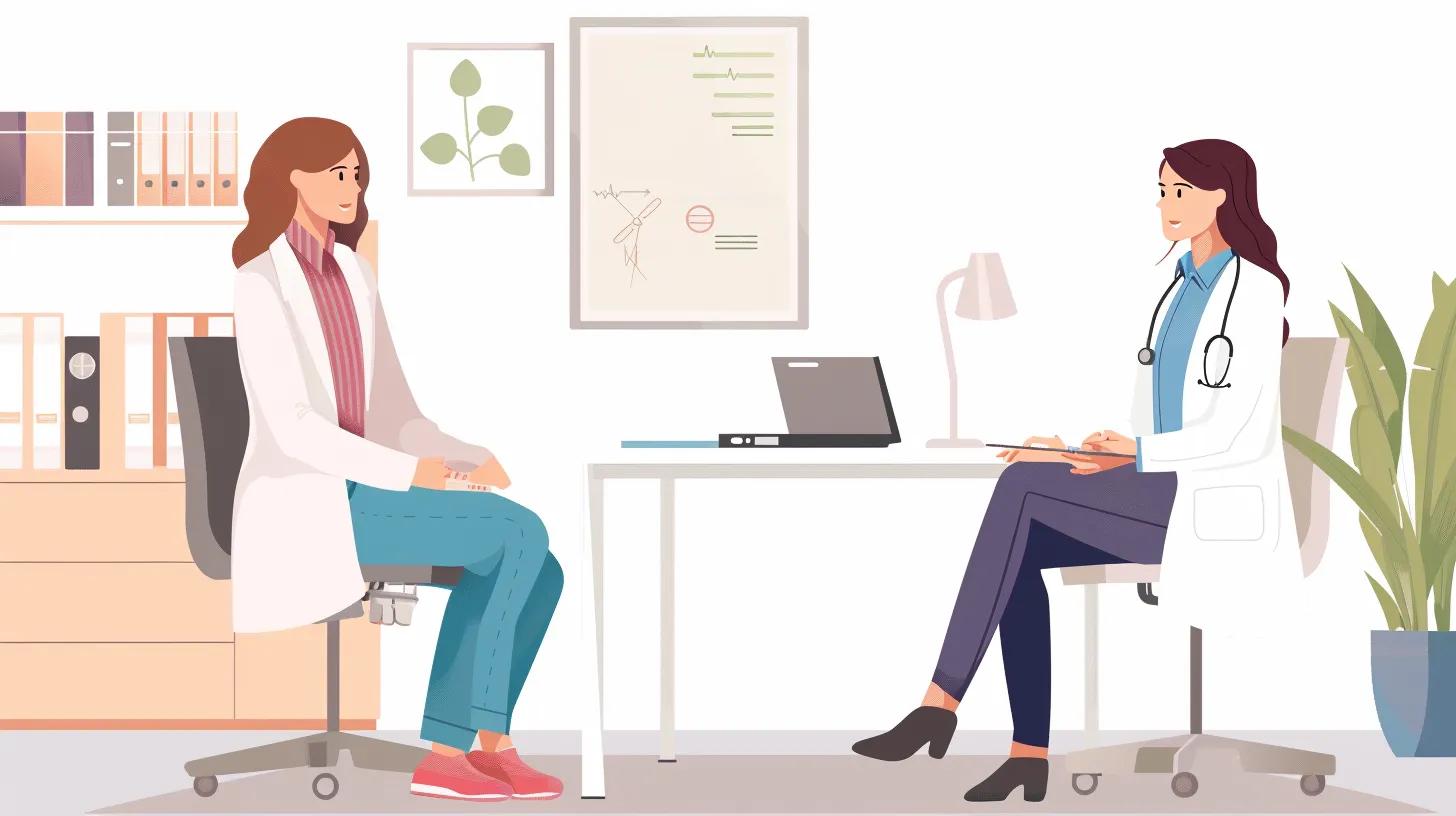
Treatment focuses on managing symptoms, improving daily functioning, and limiting disease progression. Care plans are individualized based on symptom severity and response to initial therapies.
Hormonal Treatments for Symptom Control
Hormonal therapies are commonly used to regulate or suppress menstrual cycles. This approach helps reduce pain and control the growth of endometrial tissue.
Pain Management Approaches
Pain relief strategies may include medications and supportive measures that improve comfort and daily functioning. Consistent symptom management plays an important role in maintaining quality of life.
When Surgery May Be Recommended
Surgical treatment may be considered when symptoms remain severe or do not improve with medical therapy. In these cases, minimally invasive procedures can remove endometrial lesions and provide longer-term relief.
The Role of Minimally Invasive Excision Surgery
When symptoms persist or significantly affect quality of life, surgical management may be considered as part of a comprehensive care plan. Minimally invasive excision surgery is a focused approach used to remove endometrial lesions while preserving healthy tissue.
What Excision Surgery Involves
Excision surgery uses small incisions and specialized instruments to identify and remove endometrial tissue from affected areas. This method allows for precise treatment of lesions and adhesions.
Benefits for Pain Relief and Long-Term Outcomes
Many patients experience meaningful improvement in pain and daily functioning following excision surgery. Removing lesions at their source can also help reduce the likelihood of symptom recurrence over time.
Why Specialist Expertise Matters
Outcomes depend heavily on the experience and training of the surgeon. Specialists with advanced expertise in endometriosis are better equipped to identify subtle lesions and perform thorough excision, which supports more effective and lasting results.
How Early Treatment Helps Protect Future Fertility
Timely diagnosis and appropriate management play an important role in preserving reproductive health. Addressing endometriosis early can help limit disease progression and reduce complications that may affect fertility later in life.
Reducing Disease Progression
Early intervention can prevent the spread of endometrial tissue and reduce the formation of scar tissue. This helps maintain normal pelvic anatomy and function.
Preserving Reproductive Health
Treatment strategies that control symptoms and remove lesions when necessary support long-term reproductive potential. Ongoing care guided by a specialist ensures that fertility considerations are included in the treatment plan.
Specialized Endometriosis Care at the Endometriosis Center of Excellence
Access to expert care plays a central role in improving outcomes for teen girls with endometriosis. The Endometriosis excision surgery at the Endometriosis Center of Excellence is designed to provide precise diagnosis, effective treatment, and long-term symptom management through a coordinated and patient-focused approach.
Advanced Excision Surgery for Lasting Relief
Excision surgery focuses on removing endometriosis lesions at their root rather than treating only the surface. This approach helps restore normal pelvic anatomy, reduce inflammation, and support longer-term pain relief and improved reproductive outcomes.
Care Led by a Fellowship-Trained Specialist
The center is led by Dr. Rachael Haverland, a minimally invasive gynecologic surgeon with advanced training in endometriosis care. Her approach emphasizes complete excision of disease along with careful evaluation of each patient’s symptoms and history.
Personalized, Multidisciplinary Treatment
Care extends beyond surgery to include coordinated support for pain management, pelvic health, and overall well-being. A multidisciplinary model allows treatment plans to address both the physical and functional impact of endometriosis.
Focused Care for Long-Term Outcomes
The goal of treatment is not only symptom relief but also improved quality of life and long-term health. Early access to specialized care helps reduce delays in diagnosis and ensures that treatment decisions are aligned with each patient’s needs and future goals.
Frequently Asked Questions
What lifestyle changes can help manage endometriosis symptoms in teens?
Lifestyle adjustments can support symptom control when combined with medical care. A balanced diet rich in whole foods may help reduce inflammation, while regular physical activity can improve circulation and pain tolerance. Adequate sleep and stress management practices such as mindfulness or gentle exercise also contribute to overall well-being.
How can parents support a teen with endometriosis?
Parents play an important role in recognizing symptoms and supporting timely medical care. Encouraging open communication, attending appointments, and helping track symptoms can improve diagnosis and treatment. Emotional support and flexibility with school or activities also help teens manage the condition more effectively.
Is severe period pain normal in teenagers?
Severe pain that disrupts daily activities, causes missed school, or does not improve with standard medications is not considered typical. These symptoms should be evaluated by a healthcare provider, particularly if they persist or worsen over time.
Can early treatment improve long-term outcomes?
Early diagnosis and treatment help control symptoms, reduce disease progression, and support long-term reproductive health. Timely care also improves quality of life by minimizing the impact of chronic pain on daily activities.
When should a teen see an endometriosis specialist?
A specialist evaluation is recommended when symptoms are persistent, severe, or unresponsive to initial treatment. Early consultation with an experienced provider allows for more accurate diagnosis and access to advanced treatment options, including excision surgery when appropriate.
Conclusion
Endometriosis in teen girls presents with symptoms that can significantly affect daily life, academic performance, and emotional well-being. Early recognition, accurate diagnosis, and individualized treatment are essential to improving outcomes and reducing long-term impact.
Access to specialized care plays a critical role in ensuring that adolescents receive appropriate evaluation and effective treatment. The Endometriosis Center of Excellence provides expert-led care with a focus on advanced excision surgery, personalized treatment planning, and long-term support tailored to each patient’s needs.
If a teen is experiencing severe period pain, ongoing pelvic discomfort, or symptoms that interfere with daily activities, seeking evaluation from a specialist can provide clarity and a clear path toward effective management and improved quality of life.