
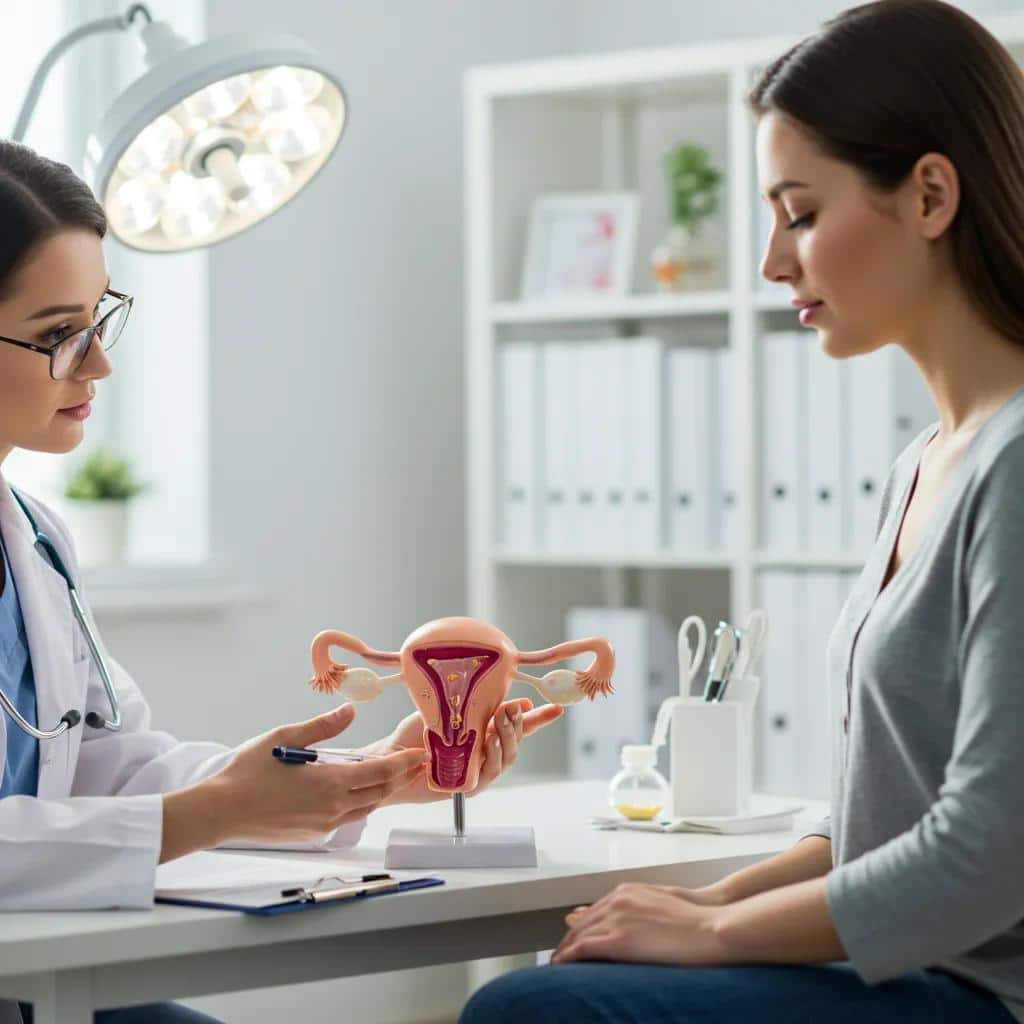
Endometriosis is a chronic gynecologic condition where tissue similar to the uterine lining grows outside the uterus, causing inflammation, pain, and long-term health challenges that often extend beyond the reproductive system. This guide explores the lasting effects of endometriosis on reproductive, urinary, bowel, cardiovascular, and mental health—and provides practical insights for ongoing management.
You’ll learn how chronic pelvic pain develops, how untreated disease can impact organ function and fertility, and what current research reveals about systemic connections, including autoimmune and cardiovascular factors. We’ll also cover the benefits of early diagnosis, the role of excision surgery in long-term outcomes, and the importance of a multidisciplinary care approach.
Finally, this resource offers actionable strategies for symptom management, mental health support, and lifestyle adjustments to help protect your long-term well-being and improve quality of life with endometriosis.
What Are the Most Common Long-Term Health Consequences of Endometriosis?

Endometriosis can create long-lasting effects across multiple organ systems due to chronic inflammation, pain signaling, and scar tissue formation. The disease begins when tissue similar to the uterine lining grows outside the uterus, triggering immune reactions and adhesions that may persist even after initial treatment. Over time, these changes can contribute to chronic pelvic pain, fertility challenges, bowel or bladder dysfunction, and a significant impact on emotional well-being.
Understanding these long-term effects underscores why consistent, multidisciplinary care is crucial for maintaining organ health and preserving quality of life. Below is an overview of the most common complications and how they affect the body over time:
- Chronic pelvic pain and nerve sensitization, which can persist even after visible lesions are removed.
- Endometriosis-related infertility caused by adhesions, endometriomas, or inflammation affecting egg quality and reproductive function.
- Bowel and bladder dysfunction resulting from adhesions or deep infiltrating lesions.
- Emotional and psychological strain, including anxiety, depression, and reduced quality of life due to chronic pain and uncertainty.
- Possible systemic associations, such as immune dysregulation or increased cardiovascular risk factors under ongoing research.
These effects highlight the importance of early diagnosis, continuous symptom monitoring, and individualized management strategies to prevent progression and safeguard long-term well-being.
How Does Delayed Diagnosis Impact the Long-Term Health Outcomes of Endometriosis?
A delayed diagnosis of endometriosis—often spanning seven to ten years—allows inflammation and lesion growth to progress unchecked, increasing the risk of adhesions, organ involvement, and chronic pain that becomes more difficult to treat. By the time many patients receive an accurate diagnosis, the disease may have advanced to a stage requiring more complex surgery and multidisciplinary management.
Early detection and timely referral to a specialist can help slow disease progression, preserve fertility options, and reduce the emotional strain that often accompanies years of unexplained symptoms. Recognizing and addressing the causes of diagnostic delays is key to improving long-term outcomes and enhancing quality of life.
Why Does Diagnosis Often Take 7 to 10 Years?
The path to an endometriosis diagnosis is often lengthy due to variable symptom patterns and inconsistent clinical recognition. Pelvic pain, bowel or bladder symptoms, and fatigue may be misattributed to other conditions or dismissed as normal menstrual discomfort. Limited access to specialists and reliance on standard imaging that can miss subtle disease further contribute to delays.
Improving early recognition requires better clinician education, the adoption of standardized “red flag” protocols for chronic cyclical pain, and faster referrals to gynecologic specialists experienced in evaluating endometriosis. Reducing diagnostic delays can prevent progression to advanced disease and minimize long-term complications.
What Are the Consequences of Late Endometriosis Diagnosis?
When endometriosis remains undiagnosed for years, lesions may deepen, adhesions can form, and pelvic organs can become distorted, complicating both surgery and fertility outcomes. Patients with advanced disease often face longer operations, higher risks of complications, and reduced spontaneous pregnancy rates. Persistent pain can also cause central sensitization, making symptoms harder to manage even after treatment.
Beyond physical effects, delayed diagnosis takes a psychological toll—intensifying anxiety, straining relationships, and disrupting daily life. This pattern often follows a predictable cascade: delayed diagnosis → disease progression → complex surgery → persistent pain and emotional distress.
How Can Early Diagnosis Improve Long-Term Quality of Life?
Early diagnosis enables targeted interventions—medical, surgical, and supportive—that can prevent adhesions, preserve pelvic anatomy, and shorten the duration of pain signaling. Early referral to an endometriosis specialist allows for timely fertility planning, including discussions around preservation options and assisted reproduction when necessary.
Integrating pelvic physical therapy and mental health support early in care can improve function, emotional resilience, and overall quality of life. Patients and providers should pay close attention to warning signs such as severe menstrual pain, pain that limits daily activities, or cyclical bowel and bladder symptoms—these red flags warrant prompt specialist evaluation to prevent long-term complications.
What Is the Connection Between Endometriosis and Autoimmune Diseases?
Emerging research suggests that endometriosis and autoimmune diseases may share common biological pathways involving immune system dysregulation and chronic inflammation. Rather than a direct cause-and-effect relationship, the connection appears to stem from overlapping immune and inflammatory mechanisms. Studies have found a higher-than-expected occurrence of autoimmune conditions—such as systemic lupus erythematosus—among individuals with endometriosis, though the strength of these associations varies.
Proposed explanations include ongoing systemic inflammation, altered immune surveillance, and genetic or environmental factors that increase susceptibility to both conditions. Clinically, recognizing this potential overlap is important. When systemic autoimmune symptoms are present—such as unexplained fatigue, joint pain, or skin changes—timely referral to a rheumatologist supports accurate diagnosis and coordinated, multidisciplinary care.
Which Autoimmune Conditions Are Associated with Endometriosis?
Population studies have reported associations between endometriosis and several autoimmune conditions, with systemic lupus erythematosus being the most consistently observed. Other reported conditions include rheumatoid arthritis, Hashimoto’s thyroiditis, and multiple sclerosis, though these links are less consistently demonstrated. It is important to note that correlation does not imply causation—differences in study design, diagnostic criteria, and population demographics can influence findings.
For patients experiencing systemic symptoms such as joint swelling, persistent fatigue, photosensitivity, or mucosal lesions, autoimmune screening and rheumatology consultation are appropriate. This coordinated approach ensures that both gynecologic and systemic factors are addressed, leading to more comprehensive management.
How Might Endometriosis Increase the Risk of Autoimmune Disease?
Chronic inflammation associated with endometriosis may disrupt normal immune regulation, leading to continuous activation of immune cells and the release of inflammatory cytokines. This heightened immune activity can, in theory, predispose certain individuals to autoimmune reactions. Researchers have identified possible mechanisms such as dysregulated T-cell and macrophage responses, reduced clearance of cellular debris, and shared genetic markers that influence inflammatory pathways.
While these biological connections are plausible, large-scale longitudinal studies are still needed to confirm the extent of risk and clarify whether endometriosis directly contributes to autoimmune disease development. Clinicians are encouraged to take a balanced approach—screening for autoimmune markers only when symptoms warrant and coordinating care for complex presentations involving both conditions.
What Symptoms Overlap Between Endometriosis and Autoimmune Disorders?
Endometriosis and autoimmune diseases can share several nonspecific symptoms, including fatigue, diffuse body pain, low-grade fevers, and general malaise. These overlapping features can complicate diagnosis and delay treatment if one condition masks the other.
A targeted evaluation—focusing on symptom timing, menstrual patterns, and organ-specific signs—helps distinguish gynecologic pain from systemic autoimmune manifestations. Selective laboratory testing for autoimmune markers, guided by clinical suspicion, further refines diagnosis while preventing unnecessary investigations. Close collaboration between gynecology and rheumatology teams ensures that overlapping symptoms are properly interpreted and that treatment plans address both pelvic and systemic health.
How Does Endometriosis Affect Cardiovascular Health in the Long Term?
Emerging evidence suggests a link between endometriosis and a higher prevalence of cardiovascular risk factors, such as hypertension and dyslipidemia, likely mediated by chronic systemic inflammation and metabolic changes associated with persistent inflammatory states. Mechanistically, sustained inflammatory cytokines can impair endothelial function, accelerate atherosclerosis, and alter lipid metabolism, potentially increasing long-term cardiovascular risk compared to unaffected individuals. While research is ongoing, these associations support the value of cardiovascular risk assessment and lifestyle interventions early in the long-term management plan for individuals with endometriosis. The following subsections summarize linked conditions, pathophysiological pathways, and prevention strategies to mitigate risk.
Next, we will list specific cardiovascular conditions reported with higher incidence in some studies and discuss the clinical implications for screening.
What Cardiovascular Conditions Are Linked to Endometriosis?
Studies indicate a pattern of increased incidence for hypertension and lipid abnormalities among individuals with endometriosis, although population-level risk estimates vary depending on methodology and demographics. These associations prompt clinicians to consider routine blood pressure and lipid screening as part of comprehensive long-term care for patients with endometriosis, particularly when additional cardiovascular risk factors are present. Early detection of modifiable cardiovascular risks enables timely interventions—such as dietary changes, exercise, and smoking cessation—that reduce long-term morbidity. Integrating cardiovascular screening into follow-up visits aligns systemic risk reduction with pelvic disease management.
How Does Chronic Inflammation From Endometriosis Impact Heart Health?
Chronic inflammation elevates circulating cytokines and acute-phase reactants that can impair endothelial function, increase oxidative stress, and promote plaque formation in arterial walls, thereby contributing to cardiovascular disease processes. Persistent inflammatory signaling can also alter lipid profiles and insulin sensitivity, compounding vascular risk. Biomarkers such as C-reactive protein and other inflammatory mediators are areas of active research to better quantify cardiovascular risk in endometriosis populations. Clinically, this mechanistic link supports multidisciplinary prevention strategies that address systemic inflammation and traditional cardiovascular risk factors concurrently.
What Prevention Strategies Can Reduce Cardiovascular Risks?
Prevention strategies involve a combination of lifestyle interventions, routine monitoring, and coordination with primary care to reduce cardiovascular risk in individuals with endometriosis. Key actions include regular blood pressure and lipid testing, adopting an anti-inflammatory diet rich in whole foods and omega-3 fatty acids, establishing a regular exercise routine that supports cardiovascular fitness, and smoking cessation if applicable. Collaboration with primary care or cardiology ensures tailored risk modification, while addressing chronic inflammation through disease-targeted therapies may also help lower systemic risk markers. These combined approaches help translate awareness of the association into practical risk reduction.
What Are the Long-Term Outcomes After Endometriosis Excision Surgery?
Yes—excision surgery can improve long-term pain and fertility outcomes for carefully selected patients by removing the burden of lesions, restoring normal anatomy, and reducing sources of inflammation. Outcomes are influenced by disease severity, the completeness of the surgery, and ongoing multidisciplinary follow-up. Excision aims to remove visible lesions and adhesions to decrease pain signals and enhance organ function. Evidence supports significant pain reduction and improved pregnancy rates in many patient groups when surgery is performed by experienced surgeons. Typical recovery involves staged postoperative rehabilitation and consideration of adjunctive medical therapies for sustained symptom control. The table below compares typical outcomes for pain, fertility, and recurrence after excision versus non-excisional management to guide decision-making.
How Does Excision Surgery Improve Chronic Pain and Fertility?
Excision surgery alleviates chronic pain by physically removing lesions and adhesions that generate pain signals and inflammatory mediators. This reduces peripheral input and can lead to a downstream decrease in central sensitization. For fertility, excision restores normal pelvic anatomy, removes ovarian endometriomas that compromise ovarian reserve, and reduces inflammatory factors that may hinder conception. While reported improvement rates vary, many patients experience substantial pain relief and increased pregnancy rates following comprehensive excision performed by skilled surgeons. Surgeon expertise and a thorough perioperative plan—including fertility consultation when appropriate—are key factors in achieving long-term surgical benefits.
What Are the Typical Recovery and Follow-Up Care Steps?
Recovery after excision surgery typically involves an initial postoperative period focused on pain management and activity modification, followed by a gradual return to normal function and targeted rehabilitation, including pelvic floor therapy and core strengthening. Follow-up care includes scheduled clinical assessments to monitor symptom resolution, evaluate healing, and determine the need for imaging or further interventions. Hormonal therapy may be discussed to potentially suppress recurrence risk, depending on individual goals. Pain management strategies, physical therapy, and psychological support are integral to recovery and help optimize long-term outcomes. Close communication among the surgeon, primary care provider, and allied specialists supports lasting benefits and early detection of recurrence.
Can Surgery Prevent or Reduce Long-Term Complications?
Surgery can significantly reduce lesion burden and improve symptoms, but it does not universally prevent recurrence or eliminate the need for long-term management strategies such as hormonal suppression, lifestyle modifications, and ongoing surveillance. The potential to prevent long-term complications is greatest when excision is complete, performed by experienced surgeons, and followed by a coordinated plan addressing fertility, pain, and overall health. Recurrence is influenced by residual disease, patient-specific factors, and adherence to follow-up strategies. Therefore, combined medical, rehabilitative, and psychosocial interventions often yield the most durable outcomes. Shared decision-making that aligns surgical goals with long-term management expectations is essential.
In practice, surgical outcomes are optimized within a multidisciplinary framework, which we will explore in the next major section focused on managing daily life.
How Can Women Manage the Long-Term Effects of Endometriosis on Daily Life?

Long-term management of endometriosis requires a layered approach that combines lifestyle changes to reduce inflammation and symptom burden, medical therapies for ongoing symptom control, pelvic rehabilitation for functional restoration, and mental health resources to maintain quality of life. Multidisciplinary care, integrating expertise from gynecology, pain management, pelvic physical therapy, fertility counseling, and mental health services, addresses the complex interplay of pain, function, and emotional well-being. Practical, evidence-informed strategies—such as dietary adjustments, graded exercise, sleep hygiene, and activity pacing—can reduce symptom flares and improve daily functioning. The following subsections offer concrete lifestyle recommendations, explain the importance of team-based care, and outline psychological support options.
Effective daily management begins with achievable lifestyle interventions, detailed in the next subsection.
What Lifestyle Changes Help Alleviate Chronic Symptoms?
Lifestyle modifications that help reduce systemic inflammation and support pelvic health include adopting an anti-inflammatory diet rich in whole foods, engaging in regular low-to-moderate aerobic exercise, optimizing sleep patterns, and pacing activities to prevent flare-related setbacks. Pelvic floor physical therapy can address muscular contributors to pelvic pain, improve pelvic stability, and reduce painful intercourse; graded exercise helps rebuild tolerance and cardiovascular fitness without triggering symptom cycles. Practical workplace accommodations—such as ergonomic seating, flexible scheduling, and task pacing—can preserve function while minimizing symptom-related disability. These interventions, combined with medical therapies as needed, promote better daily functioning and enhance quality of life.
How Important Is Multidisciplinary Care for Long-Term Health?
Multidisciplinary care provides coordinated expertise—from gynecology (surgical and medical management), pain medicine, pelvic physical therapy, mental health professionals, and fertility specialists—that collectively addresses the multifactorial drivers of long-term symptoms. Each discipline contributes: surgeons remove lesion burden, pain specialists optimize analgesia and neuromodulation, pelvic rehabilitation restores function, and mental health providers manage comorbid anxiety or depression. This integrated approach minimizes fragmented care, shortens the time to targeted interventions, and supports shared decision-making across complex treatment trade-offs. Patients who utilize multidisciplinary teams often report improved symptom control, clearer fertility planning, and better long-term quality of life.
What Psychological Support Options Are Available?
Psychological interventions effective for chronic pain include cognitive behavioral therapy (CBT), acceptance and commitment therapy (ACT), and pain-focused psychotherapy, delivered individually or in group settings. These therapies focus on pain coping mechanisms, mood management, and functional goals. Pain psychology can help retrain pain perception and improve coping strategies, while peer support groups and patient advocacy networks can reduce feelings of isolation and offer practical illness management tips. Psychiatric referral is appropriate for severe mood disorders or when medication management is needed. Integrating mental health care into comprehensive care plans fosters psychological resilience and improves engagement with medical and rehabilitative treatments.
What Are the Key Strategies to Improve Long-Term Health After an Endometriosis Diagnosis?
Improving long-term health after an endometriosis diagnosis requires consistent symptom monitoring, individualized medical plans (including hormonal therapy when appropriate), timely surgical intervention for selected patients, and ongoing access to multidisciplinary support addressing fertility and mental health. Regular monitoring using symptom diaries and scheduled clinical reviews allows for early detection of disease progression or recurrence.
Shared decision-making guides whether hormonal suppression, excision surgery, or assisted reproduction is most suitable for the patient’s goals. Coordinated care plans that combine evidence-based medical therapy, rehabilitation, and psychological support offer the best prospects for sustained function and quality of life. Below, we outline monitoring approaches, the role of hormonal therapy, and how specialized centers can support personalized long-term care.
These strategy components begin with practical monitoring steps to detect progression early, which the next subsection details.
How Can Regular Monitoring Prevent Disease Progression?
Regular monitoring involves using symptom diaries, periodic clinical evaluations, and targeted imaging when necessary to detect changes in disease activity or the emergence of new organ involvement before irreversible damage occurs. Symptom tracking quantifies pain patterns and functional impact, guiding timely adjustments in therapy or referrals to specialists. Repeat imaging is reserved for suspected progression or new focal symptoms. Primary care and gynecology should coordinate monitoring frequency based on disease severity and patient goals, with lower thresholds for specialist re-evaluation if fertility or organ function is threatened. Early detection through structured monitoring supports proactive interventions that limit long-term harm.
What Role Does Hormonal Therapy Play in Long-Term Management?
Hormonal therapy aims to suppress ovulatory cycles and lesion activity to reduce pain and limit progression, but it does not remove existing anatomical disease. Options include combined hormonal contraceptives, progestin-dominant regimens, and gonadotropin-releasing hormone modulators, depending on patient goals and tolerability.
Hormonal approaches reduce nociceptive and inflammatory stimuli, improving symptom control for many patients, but they are less effective in addressing adhesions or endometriomas that impair fertility. Therefore, shared decision-making is crucial to weigh symptom control against fertility desires, potential side effects, and plans for surgical intervention where indicated. Hormonal therapy is most effective as part of a comprehensive, individualized long-term plan.
How Does Endo Excellence Center’s Personalized Care Address These Needs?
Endo Excellence Center, under the leadership of Dr. Rachael Haverland, offers personalized, multidisciplinary care for endometriosis that emphasizes gold-standard excision where appropriate, coordinated pelvic health services, and integrated mental health and fertility support. The center focuses on tailored evaluations to align treatment—medical, surgical, and rehabilitative—with each patient’s long-term goals, aiming to reduce pain, protect fertility, and address emotional well-being.
Patients seeking specialist assessment can contact the clinic to discuss individualized pathways that combine excision surgery with comprehensive, multidisciplinary care for endometriosis to manage both immediate symptoms and long-term health. This specialist-centered approach supports improved outcomes when used in conjunction with ongoing monitoring and lifestyle strategies.
Below is a concise checklist of long-term strategies that patients and clinicians can use to structure care plans.
- Track symptoms consistently: Utilize a daily diary to map pain, function, and triggers for flares.
- Build a multidisciplinary team: Include specialists in gynecology, pain management, pelvic rehabilitation, mental health, and fertility as needed.
- Plan for fertility proactively: Discuss preservation or assisted reproduction options early if fertility is a priority.
- Adopt anti-inflammatory lifestyle practices: Prioritize diet, exercise, sleep, and smoking cessation.
- Consider excision surgery when suitable: For lesion removal and anatomical restoration performed by experienced surgeons.
Frequently Asked Questions
What are the early signs of endometriosis that should prompt a medical evaluation?
Early indicators of endometriosis can include severe menstrual cramps, persistent pelvic pain, discomfort during intercourse, and irregular bleeding patterns. Other symptoms might involve gastrointestinal issues such as bloating, diarrhea, or constipation, particularly around menstruation. If these symptoms significantly disrupt your daily life or are accompanied by fatigue and nausea, seeking medical evaluation is crucial. Early diagnosis can lead to more effective management and potentially prevent disease progression.
How can lifestyle changes impact the management of endometriosis symptoms?
Lifestyle adjustments can significantly influence the management of endometriosis symptoms. Adopting an anti-inflammatory diet rich in whole foods, engaging in regular low-impact exercise, and practicing stress-reduction techniques like yoga or meditation can help alleviate symptoms. Furthermore, maintaining a healthy weight and ensuring adequate sleep can improve overall well-being. These changes can reduce inflammation and pain, boost energy levels, and enhance mental health, contributing to a better quality of life for those affected by endometriosis.
What role does hormonal therapy play in managing endometriosis symptoms?
Hormonal therapy is a key component in managing endometriosis symptoms, as it aims to suppress ovulation and reduce the growth of endometrial-like tissue. Available options include combined hormonal contraceptives, progestins, and GnRH agonists. These treatments can help alleviate pain and limit disease progression by reducing menstrual flow and preventing the formation of new lesions. However, hormonal therapy does not eliminate existing lesions, so it is often used alongside other treatments, such as surgery, for comprehensive management.
How can mental health support benefit individuals with endometriosis?
Mental health support is vital for individuals with endometriosis, as the condition is frequently linked to anxiety, depression, and social isolation. Access to counseling, cognitive behavioral therapy, or support groups can equip patients with coping strategies, improve emotional resilience, and reduce feelings of isolation. Integrating mental health care into the overall treatment plan can enhance the effectiveness of physical treatments and improve overall quality of life, making it an essential element of comprehensive endometriosis management.
What are the potential long-term complications of untreated endometriosis?
Untreated endometriosis can lead to several long-term complications, including chronic pelvic pain, infertility, and organ dysfunction resulting from adhesions and scarring. The disease may advance, causing more extensive lesions and increasing the risk of complications such as bowel or bladder dysfunction. Additionally, untreated endometriosis can contribute to mental health issues, including anxiety and depression, due to the chronic pain and lifestyle limitations it imposes. Early intervention is critical to mitigate these risks and preserve quality of life.
How does endometriosis affect relationships and social interactions?
Endometriosis can significantly impact relationships and social interactions due to the physical and emotional challenges it presents. Chronic pain, fatigue, and the unpredictability of symptoms can lead to withdrawal from social activities and strain on intimate relationships. Partners may find it difficult to fully understand the condition, potentially leading to feelings of isolation for the individual with endometriosis. Open communication, education about the condition, and seeking support from mental health professionals can help navigate these challenges and strengthen relationships.
What should patients consider when choosing a treatment plan for endometriosis?
When selecting a treatment plan for endometriosis, patients should consider several factors, including the severity of their symptoms, their reproductive aspirations, and the potential side effects of treatments. A multidisciplinary approach involving gynecologists, pain specialists, and mental health professionals can provide comprehensive care tailored to individual needs. Patients should also discuss the risks and benefits of surgical options versus medical management, and consider lifestyle modifications that can complement their treatment plan for optimal long-term outcomes.
Conclusion
Understanding the long-term effects of endometriosis is essential for managing health risks and enhancing quality of life. By recognizing the interconnectedness of physical and mental well-being, patients can take proactive steps toward effective management strategies. Engaging with a multidisciplinary care team can provide personalized support and improve overall well-being. For tailored guidance and treatment options, consider reaching out to a specialist today.