
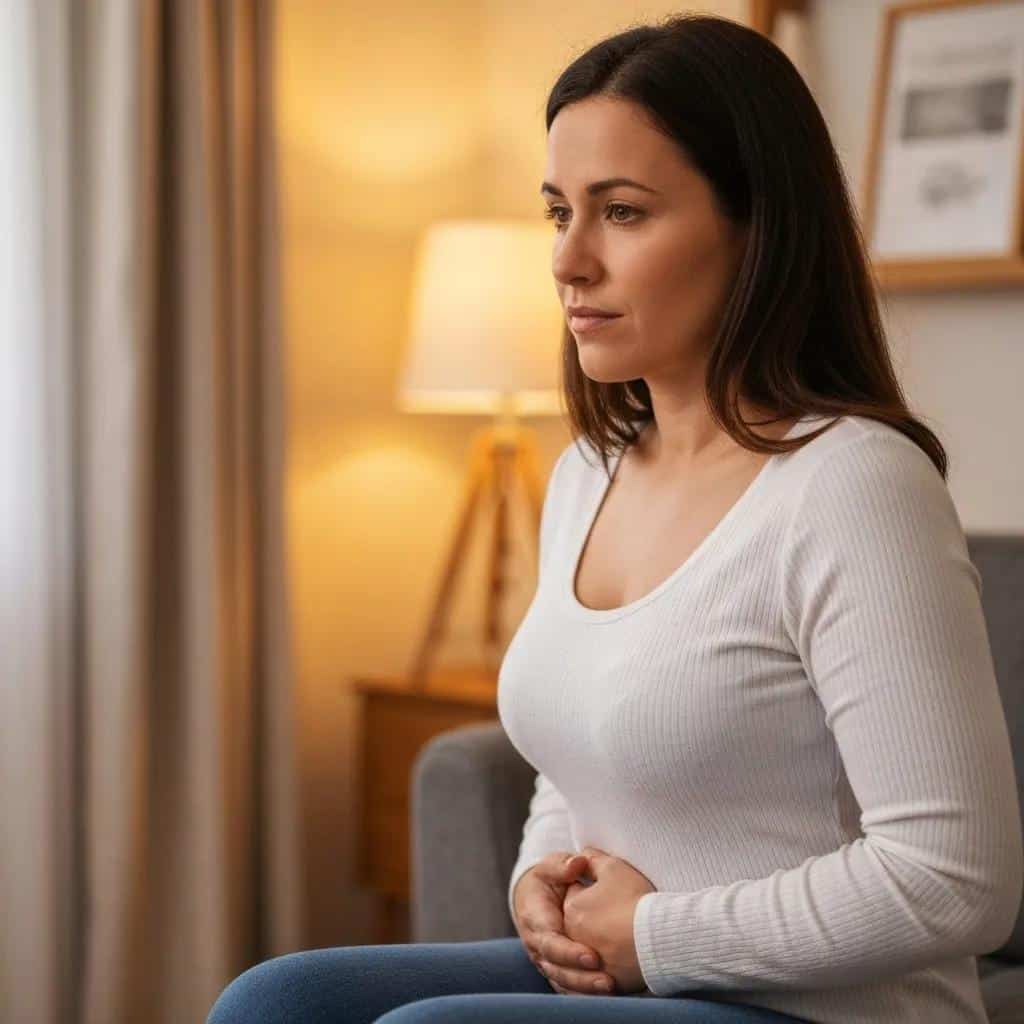
- Key symptoms and their impact on daily life
- Diagnostic processes and common hurdles
- Medical interventions: hormonal and non-hormonal approaches
- Surgical procedures and what to expect during recovery
- Fertility considerations and advanced reproductive technologies
- Complementary lifestyle strategies
- Long-term outlook, potential for recurrence, and overall prognosis
By understanding the nuances of symptom presentation and evidence-based therapies, you can collaborate with the expert team at Endometriosis Excellence Center to craft a personalized strategy focused on alleviating pain, supporting your fertility journey, and fostering enduring well-being.
What Are the Common Signs of Endometriosis?

Endometriosis symptoms emerge as estrogen-sensitive lesions trigger inflammation, bleeding, and scarring within the pelvic region and sometimes beyond, directly contributing to chronic pain and systemic effects. Recognizing these characteristic indicators facilitates earlier diagnosis and the development of tailored management plans.
Before we explore diagnostic methods, here’s an overview of the primary symptom categories:
These symptom patterns guide clinicians in performing targeted evaluations and selecting appropriate therapeutic options.
What Types of Pain Are Associated with Endometriosis?
Pain linked to endometriosis primarily presents as pelvic pain, dysmenorrhea, and dyspareunia, stemming from inflammatory lesions and nerve irritation.
- Pelvic pain can be constant or cyclical, often intensifying around your menstrual period.
- Dysmenorrhea signifies severe cramps brought on by lesion bleeding into surrounding tissues.
- Dyspareunia involves sharp or aching pain during intercourse, caused by lesion infiltration near reproductive organs.
These interconnected pain types frequently overlap, underscoring the importance of a thorough symptom assessment before proceeding to diagnostic imaging.
How Does Endometriosis Influence Menstrual Bleeding and Fatigue?
Endometrial lesions react to hormonal cycles by bleeding into adjacent tissues and releasing inflammatory compounds, resulting in heavy menstrual bleeding and systemic fatigue.
- Heavy bleeding can be significantly more profuse than normal and may last longer than seven days.
- Chronic blood loss frequently leads to iron-deficiency anemia.
- Ongoing inflammation contributes to persistent fatigue and low energy levels.
Understanding this connection between bleeding patterns and fatigue highlights the importance of blood tests and nutritional support in managing endometriosis.
What Are the Indicators of Endometriosis-Related Infertility?

Endometriosis can impede fertility by affecting ovarian reserve, altering pelvic anatomy, and creating an inflammatory environment that is less conducive to conception.
- Difficulty conceiving after a year of regular, unprotected intercourse.
- Irregular or absent ovulation due to hormonal imbalances.
- Reduced ovarian reserve, as indicated by hormone tests and ultrasound findings
Endometriosis and Infertility
Endometriosis is frequently linked to infertility, impacting an estimated 30-50% of women diagnosed with the condition. The inflammatory environment and structural changes caused by endometriosis can interfere with ovulation, fertilization, and the implantation of an embryo.
Recognizing these signs of potential infertility early can help you explore fertility-preserving treatments and assisted reproductive technologies.
How Is Endometriosis Diagnosed? Understanding Diagnostic Methods and Challenges

Diagnosing endometriosis involves a combination of clinical assessment, imaging techniques, and, when necessary, surgical confirmation to precisely map the extent of lesions and guide treatment decisions.
What Are the Stages of the Endometriosis Diagnosis Process?
A structured diagnostic pathway ensures timely identification and effective management:
- Symptom Evaluation – A detailed discussion of your pain patterns, bleeding history, and any fertility concerns.
- Physical Examination – A pelvic exam to check for any palpable nodules or areas of tenderness.
- Imaging Studies – Ultrasound or MRI scans to visualize ovarian endometriomas or deep infiltrating lesions.
- Diagnostic Laparoscopy – A minimally invasive surgical procedure allowing direct visualization of lesions and the possibility of a biopsy.
This methodical approach balances non-invasive assessments with definitive surgical diagnosis to facilitate personalized care planning.
How Do Imaging Techniques Like Ultrasound and MRI Aid in Diagnosing Endometriosis?
Non-invasive imaging provides crucial information about lesion location and severity:
Utilizing both modalities helps refine surgical planning by identifying complex disease patterns.
Why Is Laparoscopy Considered the Gold Standard for Endometriosis Diagnosis?
- It provides a definitive diagnosis through tissue biopsy.
- It allows for the simultaneous removal of visible lesions.
- It offers a detailed map of the disease’s extent.
This surgical confirmation ensures accurate staging and optimizes subsequent treatment strategies.
What Contributes to Diagnostic Delays, and How Can They Be Addressed?
- Misinterpreting symptoms as typical menstrual discomfort or gastrointestinal issues.
- Limited access to surgeons experienced in minimally invasive techniques.
- Subtle deep lesions that may not be detected by non-invasive imaging.
Increasing awareness among healthcare providers and encouraging early referrals to specialized centers can help shorten diagnostic timelines and improve patient outcomes.
What Medical Treatments Are Available for Endometriosis? Exploring Hormonal and Pain Management Options

How Do Hormonal Therapies Help Manage Endometriosis?
Hormonal medications work by inhibiting the estrogen-driven growth and inflammation of endometriosis lesions.
These treatments offer predictable cycle management and significant pain relief for many individuals.
What Are the Advantages and Potential Side Effects of Hormonal Therapy?
- Benefits: Can lead to pain reduction (up to 60–70%), lighter periods, and stabilization of lesions.
- Side Effects: May include hot flashes, mood fluctuations, and, with prolonged use, potential loss of bone density.
- Monitoring: Regular assessments of bone health and tracking of symptoms are important during therapy.
Balancing effectiveness with safety is key to selecting the optimal treatment regimen.
How Is Pain Managed When Hormonal Therapy Isn’t Suitable?
Incorporating these complementary approaches can support symptom management when hormonal therapies are not an option.
What New Medications and Research Are Emerging for Endometriosis?
- Selective Estrogen Receptor Modulators (SERMs): These aim to block estrogen’s effects specifically within endometriosis lesions.
- Elagolix (GnRH Antagonist): Offers dose-dependent estrogen suppression with potentially fewer side effects related to low estrogen levels.
- Immunomodulators and Biologics: These are being investigated for their potential to reduce chronic pelvic inflammation.
Endometriosis Breakthroughs: New Treatments and Research
Recent research is exploring novel pharmacological agents designed to target estrogen synthesis, inflammation, and immune responses in endometriosis. GnRH antagonists and aromatase inhibitors have shown promising results in alleviating pain symptoms.
Ongoing clinical trials hold the promise of more targeted and well-tolerated treatment options in the near future.
When Is Surgical Treatment Recommended for Endometriosis? Exploring Excision and Other Procedures
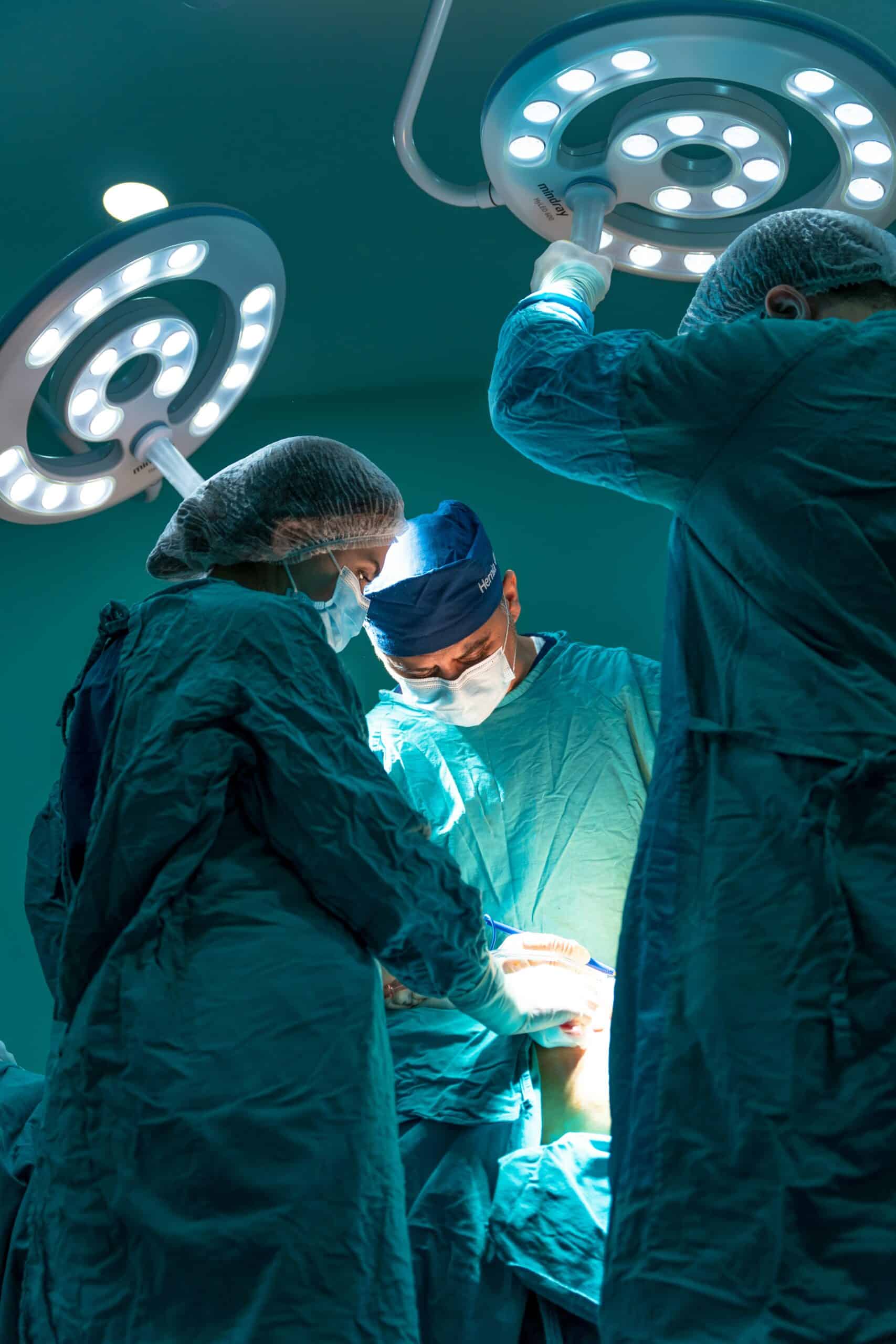
Endometriosis is a complex condition that affects millions of women worldwide, often causing chronic pain, infertility, and a diminished quality of life. While many patients find relief through medications and lifestyle adjustments, there are cases where conservative treatment options are not enough. That’s when surgical interventions such as excision and other advanced procedures, may be recommended. Understanding when surgery becomes the best course of action can help individuals make informed decisions about their care and take proactive steps toward lasting relief.
What Is Endometriosis Excision Surgery, and Why Is It Considered a Leading Approach?
Excision surgery involves the precise removal of endometriosis lesions while carefully preserving healthy surrounding tissue, offering significant potential for symptom relief and improved fertility outcomes.
- Precision: Direct removal of lesions can lower the likelihood of recurrence.
- Fertility Advantage: Helps preserve the function of ovaries and fallopian tubes.
- Pain Relief: Many patients (up to 80%) report substantial improvement in pain levels.
Cohort study on outcomes of laparoscopic endometriosis surgery
A cohort study indicated that laparoscopic excision of endometriosis significantly reduces pain and enhances quality of life for up to 5 years. The study noted a 36% probability of requiring further surgery.
This specialized technique requires advanced training in minimally invasive gynecologic surgery to achieve optimal results.
How Do Laparoscopic and Robotic-Assisted Surgeries Compare?
Robotic platforms provide ergonomic benefits for surgeons addressing deep infiltrating endometriosis.
What Should Patients Anticipate During Recovery After Endometriosis Surgery?
Recovery plans typically involve pain management and a gradual return to activity:
- Immediate Post-Operative Care – A brief hospital stay, with pain managed through a combination of medications.
- Weeks 1–2 – A gradual return to light activities; pelvic rest is generally recommended.
- Weeks 3–6 – A progressive increase in exercise is encouraged; follow-up imaging may be considered if needed.
- Long-Term Management – Ongoing symptom monitoring and potential medical suppression as advised.
Clear recovery guidelines help facilitate a smoother transition back to your daily routines.
When Might a Hysterectomy Be Considered as a Treatment Option?
- Indications: Severe adenomyosis, persistent lesion-related pain, or the presence of other combined gynecological conditions.
- Implications: Results in permanent infertility; ovarian preservation may be an option for select patients.
- Alternatives: Uterus-sparing excision combined with adjuvant medical therapy.
Collaborative decision-making ensures that your personal goals and long-term health are prioritized.
How Does Endometriosis Affect Fertility, and What Are the Treatment Options?
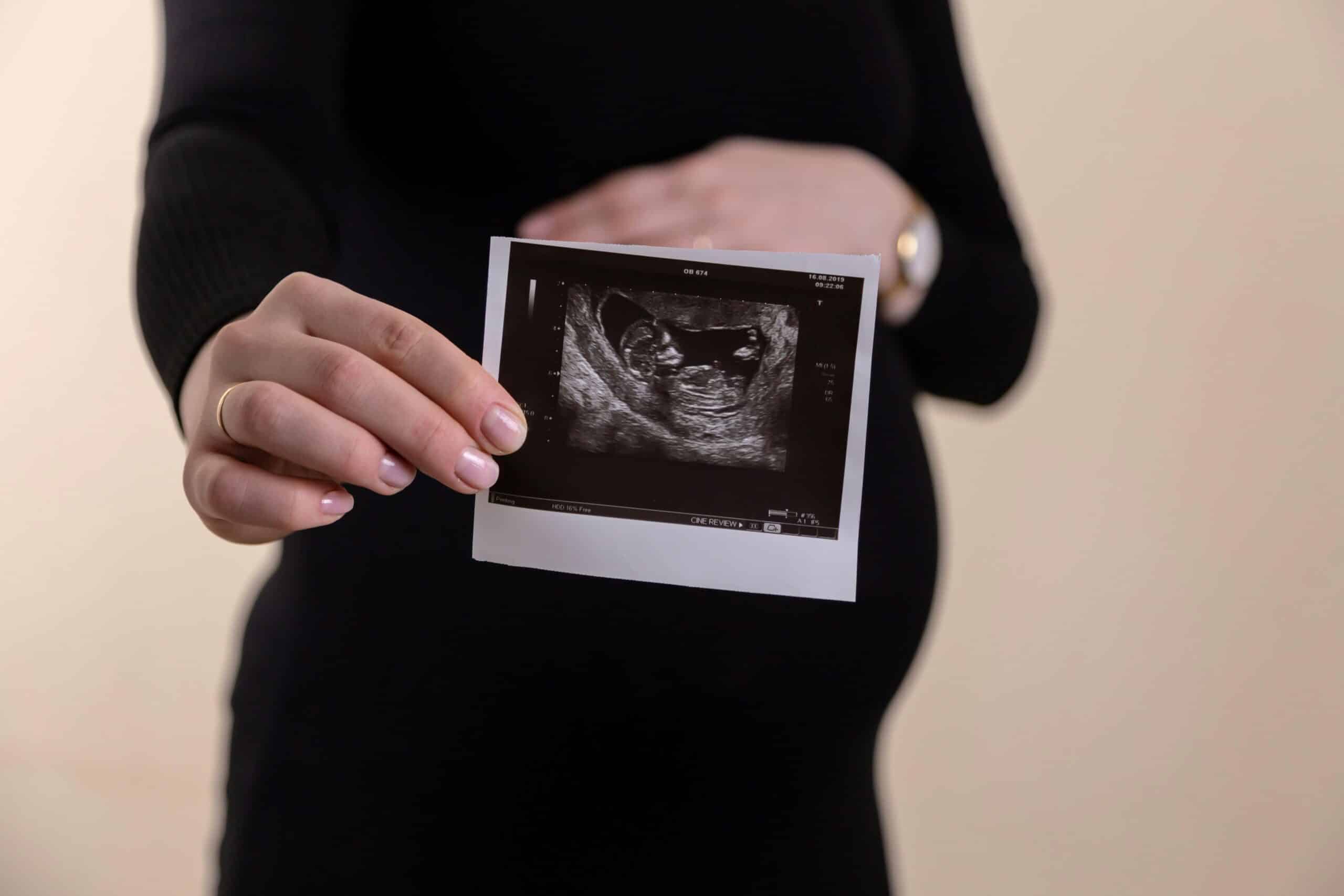
Endometriosis can present challenges to natural conception, but a variety of fertility-preserving strategies can help improve your chances of success.
How Does Endometriosis Impact Conception and Pregnancy?
- Reduced ovarian reserve, often indicated by lower Anti-Müllerian Hormone (AMH) levels.
- Impaired movement of the fallopian tubes, affecting egg capture.
- Chronic inflammation in the pelvic cavity that can affect sperm and embryo viability.
Understanding these mechanisms is crucial for fertility counseling and developing a personalized treatment plan.
What Fertility-Sparing Treatments Are Available for Patients with Endometriosis?
- Conservative Excision Surgery – This procedure removes lesions and adhesions while preserving reproductive organs.
- Targeted Medical Suppression – Short-term hormonal therapy may be used to optimize conditions before surgery or IVF cycles.
- Oocyte Cryopreservation – Freezing eggs before undergoing extensive surgical intervention.
Combining surgical intervention with medical support can maximize opportunities for natural conception.
How Can Assisted Reproductive Technologies Like IVF Be Beneficial?
- Controlled ovarian stimulation allows for the retrieval of multiple eggs.
- Embryo transfer bypasses potential issues with tubal function.
- Success rates typically range from 30–50% per cycle, influenced by factors such as patient age and disease severity.
IVF offers a viable path forward when conservative measures are not sufficient.
What Are Holistic and Lifestyle Approaches to Living with Endometriosis?

In addition to medical and surgical care, lifestyle adjustments and robust support systems can significantly enhance symptom management and emotional resilience.
How Can Diet and Nutrition Contribute to Managing Endometriosis Symptoms?
An anti-inflammatory diet, rich in omega-3 fatty acids, antioxidants, and fiber, can help moderate the inflammation associated with endometriosis lesions.
Targeted nutritional strategies can support overall balance alongside your medical treatment plan.
What Role Does Physical Therapy Play in Pain Relief?
- Techniques may include myofascial release and biofeedback training.
- Aims to improve pelvic muscle coordination and reduce muscle spasms.
- Empowers patients with exercises they can perform at home for continued relief.
Integrating physical therapy can enhance your comprehensive pain management strategy.
How Can Emotional Support and Mental Health Care Improve Quality of Life?
- Counseling and Cognitive Behavioral Therapy (CBT) – Provide tools for coping with chronic pain.
- Support Groups – Offer a sense of community and connection with others facing similar experiences.
- Mindfulness and Stress Reduction Techniques – Can help improve mood and pain tolerance.
Addressing emotional well-being is a vital component of a comprehensive treatment plan.
How Can You Find an Endometriosis Specialist and a Supportive Network?
- Seek out a gynecologist with advanced credentials in minimally invasive surgery.
- Verify their professional affiliations with endometriosis research organizations.
- Connect with local or online support groups recommended by your specialist.
Accessing specialized expertise and peer support can strengthen your long-term symptom management efforts.
What Are the Risks, Recurrence Rates, and Long-Term Outcomes of Endometriosis Treatments?

Understanding potential complications and expected outcomes helps you set realistic expectations and plan for ongoing care.
What Are the Potential Risks and Complications Associated with Surgical and Medical Therapies?
- Surgical Risks: Include bleeding, infection, and potential injury to nearby organs.
- Medical Risks: May involve hypoestrogenic effects on bone density and mood changes.
- Risk Mitigation Strategies: Employing preoperative optimization, monitoring bone health, and using tailored medication dosages.
Proactive risk management is essential for ensuring patient safety and satisfaction.
How Frequent Is Endometriosis Recurrence After Treatment?
- Approximately 40% of patients may experience recurrence within five years following conservative surgery.
- Recurrence rates tend to be lower when surgical excision is combined with postoperative medical suppression.
- Adopting lifestyle modifications may further help reduce the likelihood of lesion regrowth.
Surgical Outcomes in Patients With Endometriosis: A Systematic Review
A review of studies suggests that some patients may experience recurrent symptoms or require additional surgery after treatment for deep endometriosis. The review emphasizes the need for standardized reporting and detailed follow-up protocols post-surgery.
Consistent monitoring and maintenance therapy are key to sustaining symptom relief over time.
What Are the Success Rates for Pain Relief and Fertility Improvement?
These figures highlight the importance of personalized, evidence-based care plans.
How Does a Multidisciplinary Approach Enhance Treatment Effectiveness?
- Addresses the multifaceted nature of endometriosis pathophysiology.
- Promotes comprehensive recovery and potentially reduces the risk of recurrence.
- Supports both pain management and fertility objectives through coordinated care.
A team-based strategy fosters long-term improvements in symptoms, functional capacity, and emotional well-being.
Endometriosis presents with a range of symptoms—including pelvic pain, heavy bleeding, infertility, and bowel or bladder dysfunction—all stemming from estrogen-responsive lesions and inflammation. Accurate diagnosis, utilizing imaging and laparoscopy, is crucial before selecting medical or surgical treatments aimed at pain relief and fertility preservation. Integrating hormonal therapies, advanced excision surgery, assisted reproductive technologies, lifestyle adjustments, and mental health support can optimize symptom control and enhance your overall quality of life.
To discuss a personalized treatment plan with specialists dedicated to excision surgery and holistic care, we invite you to schedule a consultation with Endometriosis Excellence Center today.