

Menstrual cramps are common during adolescence, but severe or persistent pelvic pain should not always be considered a normal part of the menstrual cycle. In some teens, symptoms that appear to be routine period pain may actually be caused by endometriosis, a chronic condition in which tissue similar to the uterine lining grows outside the uterus and triggers inflammation and pain.
Distinguishing primary dysmenorrhea (typical menstrual cramps) from endometriosis-related pain is important because the two conditions differ in severity, progression, and treatment approach. Many adolescents assume intense pain is normal, which can delay medical evaluation and allow symptoms to worsen over time.
This article explains the key differences between typical period pain and endometriosis in teenagers, outlines the early symptoms that may signal endometriosis, and describes when specialist evaluation may be necessary. Understanding these distinctions can help teens, parents, and clinicians recognize when pelvic pain requires further assessment and appropriate care.
What Is Normal Period Pain in Teenagers?

Menstrual cramps are common during adolescence as the body adjusts to regular hormonal cycles. Many teens experience discomfort during their periods, particularly in the first few years after menstruation begins. In most cases, this pain is considered primary dysmenorrhea, a normal condition caused by hormonal changes rather than an underlying disease. Understanding how typical menstrual cramps present can help distinguish normal period pain from symptoms that may indicate a more complex condition such as endometriosis.
Primary Dysmenorrhea Explained
Primary dysmenorrhea refers to menstrual pain that occurs without an underlying pelvic disorder. It is primarily caused by the release of prostaglandins, hormone-like substances produced by the uterine lining during menstruation. These chemicals stimulate uterine contractions that help shed the lining of the uterus.
While these contractions are a normal part of the menstrual process, higher levels of prostaglandins can make the contractions stronger and more painful. As a result, some adolescents experience noticeable cramping during their periods even when there is no underlying medical condition.
Typical Symptoms of Menstrual Cramps
Typical menstrual cramps usually follow a predictable pattern during the menstrual cycle. Pain often begins shortly before or at the start of menstruation and tends to improve within the first few days of bleeding.
Common symptoms of primary dysmenorrhea include:
- Cramping pain in the lower abdomen
- Mild lower back discomfort
- Temporary fatigue or low energy
- Occasional nausea or headaches
For most teenagers, these symptoms remain manageable and do not significantly interfere with school, sports, or daily activities.
How Typical Period Pain Is Usually Managed
Primary dysmenorrhea is commonly managed with treatments that reduce inflammation and uterine contractions. Nonsteroidal anti-inflammatory drugs (NSAIDs), such as ibuprofen, are often recommended because they help lower prostaglandin levels and relieve cramping.
Hormonal contraceptives may also be prescribed to regulate the menstrual cycle and reduce menstrual pain by suppressing ovulation. In addition, supportive measures such as applying heat to the lower abdomen, maintaining regular physical activity, and getting adequate rest can help alleviate symptoms for many adolescents.
What Is Endometriosis?
Endometriosis is a chronic gynecological condition in which tissue similar to the lining of the uterus grows outside the uterus. These growths can develop on organs and structures within the pelvis, including the ovaries, fallopian tubes, and the lining of the pelvic cavity. Because this tissue responds to hormonal changes during the menstrual cycle, it can trigger inflammation, irritation, and pain over time.
Although endometriosis is often diagnosed in adults, symptoms frequently begin during adolescence. Recognizing how endometriosis differs from typical menstrual cramps is important for identifying when pelvic pain may require medical evaluation.
Understanding Endometriosis
In endometriosis, endometrial-like tissue forms implants or lesions outside the uterus. Like the normal uterine lining, this tissue responds to hormonal signals during the menstrual cycle. However, because it is located outside the uterus, the tissue cannot exit the body during menstruation.
This can lead to inflammation, swelling, and the formation of scar tissue in the surrounding pelvic structures. Over time, these changes may contribute to chronic pelvic pain and other symptoms associated with endometriosis.
Why Endometriosis Can Begin in Adolescence
Endometriosis can begin during the teenage years, sometimes soon after the onset of menstruation. In many cases, early symptoms are mistaken for normal period pain, which can delay diagnosis for several years.
Adolescents may experience progressively worsening menstrual pain, pelvic discomfort between periods, or other symptoms that are not typical of primary dysmenorrhea. Increased awareness of adolescent endometriosis has helped clinicians recognize that severe menstrual pain in teenagers should not always be dismissed as a normal part of menstruation.
How Endometriosis Differs From Typical Menstrual Pain
Pain related to endometriosis often differs from normal menstrual cramps in both severity and duration. Instead of occurring only during menstruation, the pain may begin before a period starts and persist after bleeding ends. Some adolescents also experience pelvic pain at other times during the menstrual cycle.
In addition to severe menstrual cramps, teens with endometriosis may experience symptoms such as heavy menstrual bleeding, fatigue, gastrointestinal discomfort, or chronic pelvic pain. When menstrual pain becomes persistent, severe, or disruptive to daily activities, further evaluation may be necessary to determine whether endometriosis or another condition is present.
Key Differences Between Period Pain and Endometriosis
Although menstrual cramps and endometriosis-related pain may appear similar at first, the two conditions often differ in severity, duration, and overall impact on daily life. Recognizing these differences can help adolescents, parents, and healthcare providers determine when symptoms may require further evaluation.
While typical menstrual cramps tend to follow a predictable pattern and improve with common treatments, endometriosis-related pain is often more persistent and disruptive. Understanding these distinctions is an important step in identifying when pelvic pain may indicate an underlying condition.
Pain Severity and Duration
The intensity and timing of pain are often key indicators when distinguishing between normal menstrual cramps and endometriosis. Primary dysmenorrhea typically causes cramping that begins shortly before or at the start of menstruation and improves within a few days.
In contrast, endometriosis-related pain may begin earlier in the menstrual cycle and persist longer than typical cramps. Some adolescents experience pain that continues even after their period ends or occurs at other times during the month.
Response to Medication
Typical menstrual cramps often respond well to common treatments such as nonsteroidal anti-inflammatory drugs (NSAIDs) or hormonal contraceptives. These medications work by reducing prostaglandin levels or regulating the menstrual cycle.
Endometriosis-related pain, however, may not improve as effectively with these treatments. When pain persists despite medication or progressively worsens over time, clinicians may consider evaluating for underlying conditions such as endometriosis.
Impact on Daily Activities
Another important distinction involves how symptoms affect daily functioning. For many adolescents with primary dysmenorrhea, menstrual discomfort may be noticeable but does not significantly interfere with regular activities.
Endometriosis-related pain, however, can disrupt school attendance, participation in sports, and other aspects of daily life. Some teens may miss classes or struggle to concentrate due to ongoing pelvic pain and fatigue.
Early Signs of Endometriosis in Teens
Recognizing early symptoms of endometriosis is important because the condition often begins during adolescence but may go undiagnosed for years. Many teenagers assume severe cramps are simply part of normal menstruation, which can delay medical evaluation.
While symptoms vary between individuals, certain patterns of pain and menstrual changes may suggest the possibility of endometriosis. Identifying these signs early can help guide appropriate medical assessment and treatment.
Severe Menstrual Cramps That Interfere With Daily Life
One of the most common warning signs of endometriosis in adolescents is intense menstrual pain that interferes with normal activities. Teens may struggle to attend school, participate in sports, or complete daily tasks during their periods.
When menstrual cramps become severe enough to disrupt routine activities or require frequent medication, further evaluation may be appropriate.
Pelvic Pain Outside of the Menstrual Cycle
Unlike typical menstrual cramps, which are closely tied to the menstrual cycle, endometriosis can cause pelvic pain at other times of the month. Some adolescents experience persistent pelvic discomfort even when they are not menstruating.
This ongoing pain may be mild for some individuals but severe for others, particularly if inflammation or scar tissue has developed in the pelvic area.
Gastrointestinal or Urinary Symptoms
Endometriosis can sometimes affect organs near the pelvis, which may lead to symptoms involving the digestive or urinary systems. Some adolescents report discomfort with bowel movements, abdominal bloating, or nausea during menstruation.
These symptoms may occur alongside pelvic pain and can sometimes be mistaken for gastrointestinal conditions rather than a gynecological disorder.
Heavy or Irregular Menstrual Bleeding
Changes in menstrual bleeding patterns may also occur in adolescents with endometriosis. Some teens experience unusually heavy periods or irregular cycles in addition to pelvic pain.
Although heavy bleeding can occur for several reasons, when it appears alongside severe menstrual cramps or persistent pelvic discomfort, clinicians may consider further evaluation to determine the underlying cause.
Why Endometriosis Is Often Missed in Teenagers
Endometriosis can begin during adolescence, yet it is frequently overlooked or misdiagnosed in young patients. Many teens with significant pelvic pain are told that severe menstrual cramps are a normal part of growing up. As a result, symptoms may persist for years before the underlying cause is investigated.
Several factors contribute to delayed diagnosis, including symptom normalization, limited awareness of adolescent endometriosis, and treatments that temporarily suppress symptoms without addressing the condition itself.
Symptoms Are Often Dismissed as Normal Period Pain
Severe menstrual cramps are commonly assumed to be a routine part of menstruation, especially in teenagers who have only recently begun having periods. Because of this assumption, adolescents may be advised to manage symptoms with over-the-counter medication without further investigation.
When intense pain becomes normalized, both teens and caregivers may delay seeking medical evaluation. This can allow symptoms associated with endometriosis to continue without proper diagnosis or treatment.
Hormonal Treatments May Mask Symptoms
Hormonal contraceptives are sometimes prescribed to adolescents who experience severe menstrual cramps. These medications can reduce bleeding and suppress ovulation, which may temporarily improve symptoms.
While hormonal therapy can help manage pain, it may also mask underlying endometriosis. If symptoms return or worsen after treatment changes, further evaluation may be needed to determine the underlying cause.
Limited Awareness of Adolescent Endometriosis
Historically, endometriosis was thought to affect primarily adult women. However, research now shows that symptoms frequently begin during adolescence. Despite this growing awareness, many teens with pelvic pain are not initially evaluated for endometriosis.
Improving awareness among patients, parents, and healthcare providers is important for recognizing when severe menstrual pain may signal a more complex condition.
When Should a Teen See an Endometriosis Specialist?
Although menstrual cramps are common, certain symptoms suggest that pelvic pain may require evaluation by a specialist. Persistent or severe symptoms that interfere with daily life should not be ignored, particularly if they do not improve with standard treatments.
An endometriosis specialist can evaluate symptom patterns, review medical history, and determine whether further diagnostic testing or treatment may be necessary.
Persistent Pain Despite Medication
Typical menstrual cramps often improve with medications such as NSAIDs or hormonal contraceptives. When pain continues despite these treatments, it may indicate that another condition is present. Persistent pelvic pain that does not respond to standard therapies is one reason clinicians may consider evaluating for endometriosis.
Pain That Disrupts School or Daily Activities
Severe menstrual pain can significantly affect a teenager’s ability to attend school, participate in sports, or maintain regular routines. Frequent absences or difficulty concentrating due to pain may signal that symptoms are more than typical menstrual discomfort.
When pelvic pain begins to interfere with normal activities, further medical evaluation is often recommended.
Family History of Endometriosis
Endometriosis can occur more frequently in individuals with a family history of the condition. Teens who have close relatives with endometriosis may have an increased likelihood of developing similar symptoms.
For adolescents experiencing severe menstrual pain along with a family history of endometriosis, early evaluation by a specialist may help identify the condition sooner.
Symptoms That Worsen Over Time
Another important warning sign is progressively worsening menstrual pain. Typical menstrual cramps tend to remain relatively consistent from cycle to cycle. When symptoms become more intense or occur more frequently over time, further assessment may be needed.
Monitoring changes in pain patterns can help clinicians determine whether additional testing or specialist care should be considered.
How Endometriosis Is Diagnosed in Adolescents
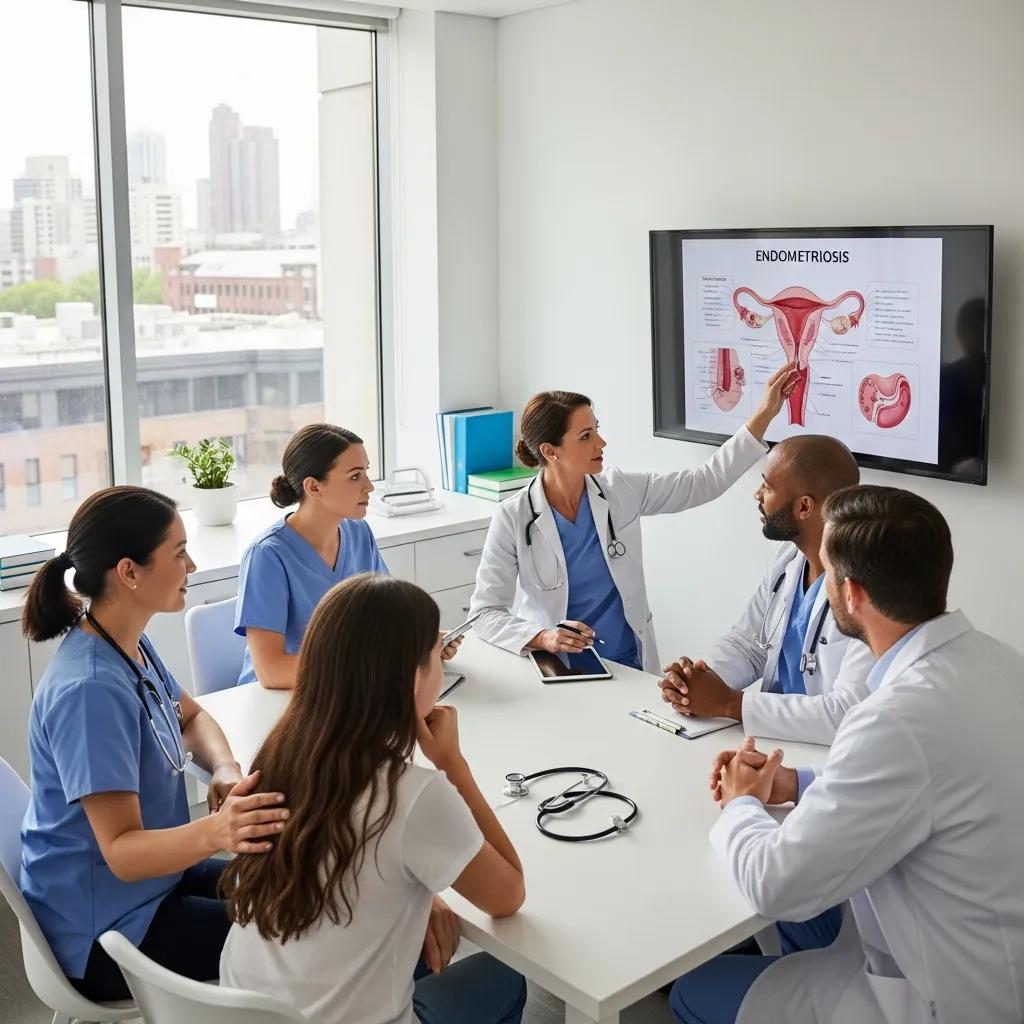
Diagnosing endometriosis in teenagers can be challenging because symptoms often overlap with typical menstrual cramps and other pelvic conditions. Healthcare providers usually begin with a careful evaluation of symptoms, medical history, and menstrual patterns before recommending diagnostic tests. Because early endometriosis may not always appear on imaging studies, diagnosis often relies on a combination of clinical assessment and, in some cases, minimally invasive surgical evaluation.
Medical History and Symptom Tracking
A detailed medical history is an important first step in evaluating pelvic pain in adolescents. Clinicians typically ask about the timing, intensity, and pattern of menstrual pain, as well as other symptoms such as heavy bleeding, fatigue, or gastrointestinal discomfort.
Keeping a symptom diary can also help identify patterns related to the menstrual cycle. Tracking pain severity, menstrual flow, and associated symptoms over several months provides valuable information that may assist healthcare providers in determining whether endometriosis should be considered.
Imaging Studies
Imaging tests may be used to evaluate pelvic structures and rule out other conditions. Pelvic ultrasound is often the first imaging tool used because it can identify ovarian cysts or other abnormalities.
In some cases, magnetic resonance imaging (MRI) may be recommended to obtain more detailed images of pelvic organs. However, early-stage endometriosis lesions are often too small to appear on imaging, which means that normal imaging results do not necessarily rule out the condition.
Diagnostic Laparoscopy
The most definitive way to confirm endometriosis is through diagnostic laparoscopy, a minimally invasive surgical procedure. During laparoscopy, a surgeon inserts a small camera through tiny incisions in the abdomen to directly examine the pelvic organs.
If endometriosis lesions are identified, they may be removed or treated during the same procedure. Laparoscopy allows specialists to both confirm the diagnosis and assess the extent of the disease.
Treatment Options for Endometriosis in Teens
Treatment for endometriosis in adolescents focuses on reducing pain, managing symptoms, and improving quality of life. The appropriate treatment approach depends on several factors, including the severity of symptoms, the extent of disease, and the individual needs of the patient.
Management plans often combine medical treatments with supportive care strategies to address both the physical and emotional effects of chronic pelvic pain.
Hormonal Therapies
Hormonal therapies are commonly used to help control endometriosis symptoms. These treatments work by suppressing ovulation and reducing menstrual bleeding, which can decrease inflammation and pain associated with the condition.
Options may include oral contraceptives, progestin-based medications, or other hormonal treatments that regulate the menstrual cycle. These therapies can be effective for managing symptoms, although they do not eliminate endometriosis lesions.
Multimodal Pain Management
Because endometriosis can involve chronic pelvic pain, many patients benefit from a multimodal pain management approach. This may include medications to reduce inflammation, pain-relief strategies recommended by healthcare providers, and therapies that address muscle tension or pelvic floor dysfunction.
Combining different treatment strategies often provides more effective symptom control than relying on a single method alone.
Lifestyle and Supportive Measures
Supportive strategies may also play a role in managing symptoms. Maintaining regular physical activity, practicing stress-reduction techniques, and ensuring adequate rest can help some adolescents cope with chronic pain.
While these measures do not treat endometriosis itself, they may improve overall well-being and support other medical treatments.
The Role of Laparoscopic Surgery in Treating Endometriosis
For some adolescents with endometriosis, surgery may be recommended when symptoms are severe or do not respond to medical treatment. Modern surgical approaches use minimally invasive techniques that allow surgeons to diagnose and treat endometriosis with smaller incisions and shorter recovery times.
Surgical treatment is typically performed by gynecologic surgeons with specialized experience in managing endometriosis.
What Is Laparoscopic Endometriosis Surgery?
Laparoscopic surgery is a minimally invasive procedure that allows surgeons to examine the pelvic organs using a small camera inserted through tiny abdominal incisions. This technique provides a detailed view of the pelvic cavity, making it possible to identify endometriosis lesions that may not be visible through imaging studies.
The procedure is performed under anesthesia and generally involves a shorter recovery period compared with traditional open surgery.
Excision of Endometriosis Lesions
During laparoscopic surgery, surgeons may remove endometriosis lesions or scar tissue. This process, known as excision, involves carefully cutting away the abnormal tissue from affected areas within the pelvis.
Removing these lesions can help reduce inflammation and relieve pain associated with the disease. In some cases, excision surgery may also improve long-term symptom control.
Benefits of Minimally Invasive Surgery
Minimally invasive laparoscopic surgery offers several potential benefits compared with more invasive surgical approaches. Smaller incisions typically result in reduced postoperative pain and faster recovery.
Many patients are able to resume normal activities relatively quickly following the procedure. When performed by experienced surgeons, minimally invasive techniques can effectively address endometriosis while minimizing disruption to surrounding tissues.
Frequently Asked Questions
Patients and families often have questions about endometriosis, particularly when symptoms begin during adolescence. The following answers address some of the most common concerns about diagnosis, treatment, and long-term outlook.
Can teenagers develop endometriosis soon after their first period?
Yes. Although endometriosis is sometimes diagnosed later in life, symptoms can begin during adolescence. Some teens may start experiencing pelvic pain or severe menstrual cramps within a few years of their first period.
Does birth control cure endometriosis?
Hormonal contraceptives can help manage symptoms by suppressing ovulation and reducing menstrual bleeding. However, these medications do not eliminate endometriosis lesions and are typically used as part of symptom management rather than a cure.
Is surgery safe for teenagers with endometriosis?
Minimally invasive laparoscopic surgery is commonly used to diagnose and treat endometriosis. When performed by experienced surgeons, it is generally considered safe and may help relieve symptoms in patients whose condition does not respond to medical therapy.
Can endometriosis affect fertility later in life?
Endometriosis can affect reproductive health in some individuals, particularly if the disease progresses or causes scarring within the pelvis. Early diagnosis and appropriate management may help reduce long-term complications.
How can parents support teens experiencing severe menstrual pain?
Parents can support teens by taking their symptoms seriously, encouraging open discussion about menstrual health, and helping them seek medical evaluation when pain becomes severe or persistent. Keeping track of symptoms and menstrual patterns can also be helpful during medical consultations.
Conclusion
Severe menstrual pain during adolescence deserves careful attention. Many teenagers experience primary dysmenorrhea, which causes menstrual cramps linked to normal hormonal changes. However, persistent or intense pelvic pain may indicate conditions such as endometriosis that require medical evaluation and specialized care.
Symptoms including severe cramps, pelvic pain outside the menstrual cycle, heavy bleeding, fatigue, and disruption of school or daily activities can signal the need for further assessment. Early recognition of these patterns allows healthcare providers to evaluate symptoms thoroughly and recommend appropriate diagnostic and treatment options.
Timely diagnosis and personalized treatment can help adolescents manage symptoms, improve daily functioning, and support long-term health. When menstrual pain becomes severe, persistent, or difficult to manage, consultation with a qualified healthcare provider or endometriosis specialist can provide guidance and access to effective care.