

Endometriosis can begin during the teenage years, but it is often overlooked because severe period pain and pelvic discomfort are frequently dismissed as normal menstrual symptoms. When pain is persistent, worsens over time, or interferes with school and daily activities, it may indicate endometriosis in adolescents and should be evaluated by a specialist.
Diagnosing endometriosis in teenagers involves recognizing key symptoms, reviewing medical history, and using appropriate diagnostic tools. In some cases, minimally invasive laparoscopy is used to confirm the presence of endometriosis lesions and assess the extent of the disease.
This article explains the common symptoms of teen endometriosis, how the diagnostic process works, and what treatment options may follow a confirmed diagnosis. It also outlines how specialized care at the Endo Excellence Center supports teenagers and families seeking accurate diagnosis and effective management of endometriosis.
What Are the Common Symptoms and Early Signs of Endometriosis in Teenagers?
Symptoms of endometriosis often begin soon after a teenager starts menstruating. Painful periods and pelvic discomfort are common early indicators. These symptoms can gradually intensify and begin to interfere with school, sports, and everyday activities. Identifying these warning signs early allows families and clinicians to pursue appropriate evaluation and prevent prolonged suffering.
Severe Period Pain (Dysmenorrhea)
Many teenagers experience menstrual cramps, but endometriosis-related pain tends to be more intense and persistent. Pain may begin before menstruation starts and continue throughout the cycle. Teenagers with severe dysmenorrhea may miss school, avoid activities, or rely heavily on pain medication for relief. When period pain significantly disrupts normal routines, further evaluation for endometriosis becomes important.
Chronic Pelvic Pain in Teenagers
Pelvic pain linked to endometriosis can occur outside the menstrual cycle. Some teenagers describe constant aching or pressure in the lower abdomen. Others experience sharp or stabbing pain that appears unpredictably. Over time, persistent pelvic pain can affect concentration, physical activity, and overall quality of life.
Heavy or Irregular Periods
Changes in menstrual flow may also indicate endometriosis. Teenagers may experience unusually heavy bleeding, prolonged periods, or irregular cycles. These patterns can lead to fatigue and anemia and may accompany other pelvic symptoms.
Digestive Symptoms During Menstruation
Endometriosis can also affect the digestive system. Some teenagers report bloating, nausea, constipation, or diarrhea during their menstrual cycle. These symptoms often appear alongside pelvic pain and may worsen during menstruation.
Fatigue and Whole-Body Symptoms
Chronic inflammation and ongoing pain frequently lead to persistent fatigue. Teenagers may feel physically drained even after adequate rest. Fatigue can make it difficult to maintain academic performance, social engagement, and daily routines.
When Should a Teen Be Evaluated for Endometriosis?

Certain symptoms and patterns signal the need for medical evaluation by a clinician experienced in endometriosis care. Early assessment helps determine the source of pain and guides appropriate diagnostic steps. Teenagers who experience persistent symptoms benefit from timely consultation because early care supports better symptom control and long term reproductive health.
When Does Severe Period Pain Indicate a Need for Evaluation?
Severe menstrual pain that disrupts school attendance, sports, or normal routines warrants clinical attention. Pain that begins early in adolescence and intensifies with each cycle often reflects an underlying pelvic condition. Evaluation becomes important when over the counter pain medications provide limited relief or when the pain prevents normal daily activities.
When Does Pelvic Pain Between Periods Require Medical Attention?
Pelvic pain that continues outside the menstrual cycle often raises concern for endometriosis. Some teenagers experience constant aching in the lower abdomen while others report intermittent sharp pain that interferes with concentration and physical activity. Persistent pelvic discomfort lasting several months should prompt evaluation by a healthcare professional.
When Should Symptoms That Do Not Improve With Standard Treatments Be Investigated?
Many teenagers initially receive treatments such as nonsteroidal anti inflammatory medications or hormonal therapies for painful periods. Continued severe symptoms despite these treatments suggest the need for further assessment. Clinicians may then consider additional diagnostic steps to determine whether endometriosis is present.
When Does Family History Increase the Need for Screening?
A family history of endometriosis raises the likelihood that a teenager may develop the condition. Adolescents with a parent or close relative diagnosed with endometriosis benefit from closer monitoring when symptoms such as severe period pain or pelvic discomfort appear.
When Do Digestive Symptoms During Periods Suggest Possible Endometriosis?
Digestive symptoms that appear repeatedly during menstruation may indicate pelvic disease. Teenagers may report bloating, nausea, constipation, or diarrhea that occur alongside pelvic pain during their menstrual cycle. These recurring patterns often justify further medical evaluation.
When Do Symptoms Affecting School or Daily Life Require Specialist Care?
Pain and fatigue that interfere with academic performance, social activities, or sleep deserve careful medical attention. Early consultation with an endometriosis specialist helps families understand the cause of symptoms and explore appropriate diagnostic and treatment options.
How Is Endometriosis Diagnosed in Teens?
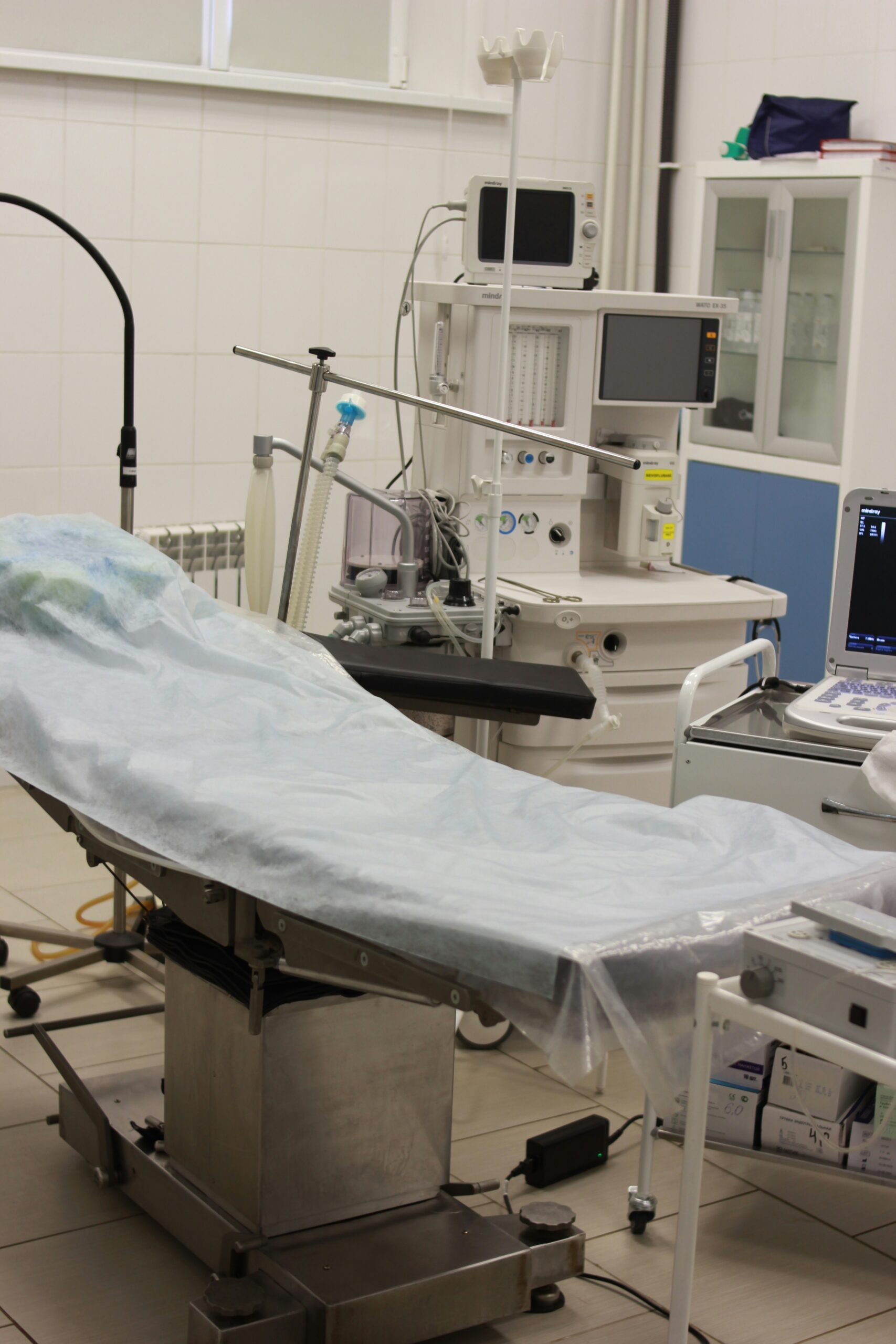
Diagnosing endometriosis in teenagers requires a careful clinical evaluation that considers symptoms, menstrual history, and the impact of pain on daily life. Because symptoms can overlap with other conditions, clinicians rely on a structured diagnostic approach that combines medical assessment with imaging and, when necessary, minimally invasive procedures. Early evaluation improves the likelihood of identifying the condition before symptoms become severe.
What Information Does Medical History and Symptom Assessment Provide?
The diagnostic process begins with a detailed review of symptoms and menstrual history. Clinicians evaluate when pain began, how it changes during the menstrual cycle, and whether it interferes with school, physical activity, or sleep. Teenagers may also be asked about digestive symptoms, fatigue, or family history of endometriosis. Tracking these patterns helps clinicians determine whether the symptoms follow patterns commonly associated with endometriosis.
How Does a Physical Examination Help Identify Possible Endometriosis?
A physical examination allows clinicians to assess areas of tenderness in the abdomen or pelvis and evaluate signs of pelvic pain. In adolescents, the examination is performed carefully and with consideration for age and comfort. The goal is to identify physical findings that support further investigation while ensuring that the evaluation remains appropriate for the patient.
What Role Do Imaging Tests Play in Diagnosis?
Imaging studies help clinicians evaluate pelvic structures and rule out other possible causes of pain. Ultrasound is commonly used to examine the uterus and ovaries and may detect ovarian cysts related to endometriosis. Magnetic resonance imaging may also be used in certain cases to provide a more detailed view of pelvic anatomy. Imaging does not detect all endometriosis lesions, so normal results do not eliminate the possibility of the disease.
When Is Laparoscopy Used to Confirm Endometriosis?
Laparoscopy provides the most accurate method for confirming endometriosis. This minimally invasive procedure allows a surgeon to view the pelvic cavity using a small camera inserted through tiny incisions in the abdomen. During the procedure, surgeons can identify endometriosis lesions and obtain tissue samples for biopsy. In many cases, visible lesions can also be removed during the same procedure, which helps relieve symptoms and supports effective long term management.
Why Is Laparoscopy Considered the Most Accurate Way to Diagnose Endometriosis?
Laparoscopy provides direct visualization of the pelvic cavity and allows surgeons to identify endometriosis lesions that may not appear on imaging tests. This minimally invasive procedure uses small incisions and a specialized camera to examine pelvic organs in detail. Surgeons can evaluate the location, depth, and extent of endometriosis during the procedure, which helps guide treatment decisions.
How Does Direct Visualization Improve Diagnostic Accuracy?
During laparoscopy, surgeons examine the uterus, ovaries, fallopian tubes, and surrounding pelvic structures. Endometriosis lesions may appear in different forms, including small implants, deeper infiltrating tissue, or scar tissue known as adhesions. Direct visualization allows specialists to identify these changes clearly and determine the extent of disease involvement.
Why Is Biopsy Important for Confirming Endometriosis?
Surgeons can collect small tissue samples during laparoscopy when suspicious lesions are present. Pathologists analyze these samples under a microscope to confirm the presence of endometriosis. Tissue confirmation strengthens diagnostic accuracy and helps distinguish endometriosis from other pelvic conditions that can produce similar symptoms.
Can Diagnosis and Treatment Occur During the Same Procedure?
Laparoscopy also allows surgeons to treat visible lesions during the same procedure. Many specialists perform laparoscopic excision surgery to remove endometriosis lesions and restore normal pelvic anatomy. This approach allows patients to receive both confirmation of the diagnosis and surgical treatment during a single procedure, which can improve symptom control and support long term management.
What Are the Treatment Options After a Diagnosis of Endometriosis in Teenagers?

Long-TermTreatment for endometriosis in teenagers focuses on reducing pain, controlling disease activity, and protecting long term reproductive health. Care plans depend on symptom severity, the extent of disease, and the teenager’s overall health goals. Physicians often use a combination of medical therapy, pain management strategies, and surgical intervention when necessary.
How Do Hormonal Therapies Help Manage Symptoms?
Hormonal treatments aim to regulate the menstrual cycle and reduce stimulation of endometriosis lesions. Physicians may prescribe hormonal contraceptives, progestin based medications, or other hormone regulating therapies. These treatments can reduce inflammation and lessen menstrual related pain. Hormonal therapy often serves as an initial management strategy while clinicians continue to monitor symptoms.
What Pain Management Strategies Are Used for Teen Endometriosis?
Pain management forms an important part of treatment. Physicians may recommend nonsteroidal anti inflammatory medications to reduce menstrual pain and pelvic inflammation. Additional strategies may include lifestyle adjustments, physical therapy, and supportive care that address chronic pain patterns. A comprehensive approach helps teenagers maintain daily activities while managing symptoms.
When Is Excision Surgery Recommended?
Surgical treatment may be considered when symptoms remain severe or persist despite medical therapy. Excision surgery involves the careful removal of endometriosis lesions while preserving surrounding healthy tissue. This approach aims to reduce pain, improve pelvic function, and limit disease progression. Specialists experienced in excision techniques evaluate each case to determine whether surgery provides the best therapeutic option.
How Does Endometriosis Affect Fertility and Quality of Life in Teenagers?
Endometriosis can influence several aspects of a teenager’s physical and emotional wellbeing. The condition may alter pelvic anatomy and produce chronic inflammation, which can affect reproductive organs and daily functioning. Early diagnosis and effective treatment help minimize these effects and support long term health.
How Can Endometriosis Affect Fertility?
Endometriosis may affect fertility by altering the structure and function of reproductive organs. Lesions and scar tissue can interfere with the normal movement of eggs through the fallopian tubes. Inflammation within the pelvis can also affect the environment necessary for conception. Early treatment helps preserve reproductive potential and allows physicians to monitor fertility related concerns as teenagers transition into adulthood.
How Does Chronic Pain Impact Daily Life?
Persistent pelvic pain often affects a teenager’s ability to attend school, participate in sports, and maintain social relationships. Recurrent pain episodes may lead to missed classes and reduced physical activity. Addressing pain early helps teenagers maintain normal routines and supports healthy development.
What Emotional and Mental Health Challenges Can Occur?
Living with chronic pain and ongoing medical symptoms can create emotional stress. Teenagers may experience anxiety, frustration, or mood changes when symptoms disrupt daily activities. Access to counseling, family support, and coordinated medical care helps teenagers manage the psychological effects of chronic illness while maintaining overall wellbeing.
Can Early Diagnosis Improve Long Term Outcomes?
SEarly diagnosis of endometriosis allows clinicians to address symptoms before the disease progresses and begins to affect multiple aspects of health. Timely evaluation helps guide treatment decisions that focus on controlling inflammation, managing pain, and preserving reproductive function. Teenagers who receive early care often experience better symptom control and improved quality of life.
How Does Early Treatment Help Limit Disease Progression?
Endometriosis can gradually worsen when symptoms remain untreated. Lesions may grow or spread within the pelvic cavity, which can increase pain and lead to the formation of scar tissue. Early medical evaluation allows clinicians to identify the condition sooner and begin treatment strategies that reduce inflammation and limit further progression.
How Does Early Care Support Fertility Preservation?
Protecting reproductive health remains an important consideration for teenagers diagnosed with endometriosis. Early management helps preserve the structure and function of reproductive organs by reducing ongoing inflammation and tissue damage. Physicians can also monitor reproductive health over time and adjust treatment strategies as needed.
Why Does Coordinated Care Improve Long Term Management?
Endometriosis often requires ongoing medical attention. Coordinated care that involves experienced clinicians, pain management strategies, and supportive services allows teenagers to receive comprehensive treatment. This approach helps maintain symptom control while supporting physical, emotional, and reproductive health over the long term.
What Supportive Care Options Help Improve Quality of Life for Teenagers With Endometriosis?
Supportive care plays an important role in managing endometriosis. These services complement medical and surgical treatments by addressing physical function, emotional wellbeing, and lifestyle factors that influence symptoms. A comprehensive care plan allows teenagers to maintain normal daily activities while managing chronic pelvic pain.
How Does Pelvic Floor Physical Therapy Help Reduce Pain?
Pelvic floor physical therapy focuses on improving muscle function in the pelvic region. Chronic pelvic pain can cause muscles to tighten or become dysfunctional over time. Specialized physical therapy techniques help relax these muscles, improve mobility, and reduce pain during daily activities.
What Role Does Nutrition Play in Managing Symptoms?
Nutrition can influence inflammation and overall wellbeing. Some patients benefit from dietary adjustments that emphasize whole foods, fruits, vegetables, and balanced nutrient intake. Proper nutrition supports energy levels and helps teenagers maintain strength while managing chronic symptoms.
How Does Mental Health Support Benefit Teenagers With Endometriosis?
Chronic pain and ongoing medical concerns can affect emotional wellbeing. Counseling and psychological support provide teenagers with tools to manage stress, cope with pain, and maintain resilience during treatment. Emotional support also helps families navigate the challenges of chronic illness together.
How Can Family and Community Support Improve Care?
Family involvement plays a meaningful role in managing endometriosis during adolescence. Parents and caregivers can help teenagers track symptoms, attend medical appointments, and advocate for school accommodations when needed. Strong support systems encourage open communication and help teenagers remain engaged in their education, friendships, and activities while receiving care.
Frequently Asked Questions
Can teenagers develop endometriosis?
Yes. Endometriosis can begin during adolescence and symptoms often appear soon after menstruation starts. Severe period pain, pelvic discomfort, digestive symptoms during menstruation, and fatigue may indicate the presence of endometriosis in teenagers. Early evaluation helps clinicians determine whether these symptoms reflect normal menstrual changes or an underlying condition that requires treatment.
What age can endometriosis start?
Endometriosis can develop during the teenage years and sometimes earlier. Many patients report symptoms beginning within the first few years after their first menstrual cycle. Because early symptoms are often mistaken for typical menstrual cramps, diagnosis may be delayed unless persistent pain or other symptoms lead to medical evaluation.
Is severe period pain normal for teenagers?
Mild menstrual cramps are common, but severe pain that prevents a teenager from attending school, participating in activities, or sleeping normally should be evaluated by a clinician. Pain that worsens over time or does not respond to standard medications may indicate endometriosis or another pelvic condition.
How long does it usually take to diagnose endometriosis?
Many patients experience several years of symptoms before receiving a confirmed diagnosis. Symptoms can overlap with other conditions, which can make diagnosis more complex. Early consultation with a clinician experienced in endometriosis can shorten this timeline and improve access to appropriate care.
Can endometriosis affect fertility later in life?
Endometriosis can affect fertility in some patients because inflammation and scar tissue may influence reproductive organs. Early diagnosis and appropriate treatment help protect reproductive health and allow physicians to monitor fertility related concerns as patients move into adulthood.
What type of doctor diagnoses endometriosis in teenagers?
Gynecologists with experience in adolescent care and endometriosis evaluation typically diagnose and manage the condition. Specialists trained in laparoscopic excision surgery often provide advanced care for patients with confirmed disease. These clinicians focus on accurate diagnosis, symptom management, and long term treatment planning.
Conclusion
Endometriosis can begin during adolescence and often presents with symptoms such as severe period pain, persistent pelvic discomfort, digestive changes during menstruation, and fatigue. Recognizing these early signs allows families to seek medical evaluation and begin appropriate diagnostic steps.
Accurate diagnosis relies on a thorough clinical assessment that may include symptom review, imaging studies, and minimally invasive laparoscopy when confirmation is required. Once diagnosed, treatment strategies focus on controlling pain, limiting disease progression, and protecting long term reproductive health.
Early recognition and specialized care play an important role in improving outcomes for teenagers with endometriosis. With timely evaluation and individualized treatment, adolescents can manage symptoms effectively and maintain healthy, active lives.