

Endometriosis causes chronic pelvic pain for many women. Physical therapy offers non-surgical options that reduce pain and improve daily life. This article explains which techniques help, how they work, and what to expect from treatment. Knowing these mechanisms can help women find real relief and better function.
Endometriosis is a debilitating condition that affects many women, often leading to chronic pelvic pain that can significantly impact their quality of life. This pain arises as a result of endometrial-like tissue growing outside the uterus, creating inflammation and discomfort. For those affected, managing this pain can be a daunting challenge. Traditional treatments range from medication to invasive surgeries, but for many, the appeal of non-surgical options, such as physical therapy, offers a promising alternative. Physical therapy techniques can provide not only immediate relief but also long-term improvements in daily functioning.
Physical therapy for endometriosis focuses on addressing the muscle tension and pelvic floor dysfunction that can accompany the condition. Techniques such as manual therapy, stretching exercises, and biofeedback can work to release tight muscles and improve pelvic alignment. These methods help reduce pain by promoting better blood flow and easing tension in the pelvic region.
What Is Endometriosis and How Does It Cause Pelvic Pain?

Endometriosis is a chronic condition that affects millions of women worldwide, yet it often remains misunderstood. Essentially, endometriosis occurs when tissue similar to the lining of the uterus, called the endometrium, grows outside of the uterus. This tissue can attach to various organs in the pelvic region, including the ovaries, fallopian tubes, and the lining of the pelvis itself. Because it is hormone-sensitive, this misplaced tissue responds to the hormonal fluctuations of the menstrual cycle, leading to inflammation and the formation of scar tissue. This process not only disrupts the regular functioning of the reproductive organs but also can lead to a significant amount of pain, particularly during menstruation.
Pelvic pain is one of the most common symptoms associated with endometriosis, and it can manifest in various ways. Women may experience sharp, debilitating pain during their periods, known as dysmenorrhea, or they might have chronic pelvic pain that persists throughout the month. This pain can result from the inflammation caused by the misplaced tissue, as well as from the pressure it places on surrounding organs. In some cases, endometriosis can even cause pain during intercourse, urination, or bowel movements. As the condition often goes undiagnosed for years, many women may find themselves enduring intense discomfort without understanding the underlying cause. Education and awareness about endometriosis are crucial for symptoms to be recognized and addressed, allowing those affected to seek the necessary treatment and support.
How Does Endometriosis Affect Pelvic Floor Muscles?
Endometriosis can tighten and dysregulate the pelvic floor muscles. Inflammation from misplaced tissue leads to chronic muscle tension and poor muscle control. Pelvic floor therapy and related techniques aim to ease that tension, restore function, and reduce pain.
Research further supports the critical role of pelvic floor physiotherapy in addressing these specific muscular issues.
Pelvic Floor Physiotherapy for Endometriosis Muscle Dysfunction
The patients had a high prevalence of pain and dysfunction of the pelvic floor muscles, such as low muscle endurance and difficulty to relax. It shows that these patients should be referred to a pelvic floor physiotherapist, as soon as they have the diagnosis of endometriosis, to be assessed to prevent and/or treat pelvic floor impairments.
Sensory and muscular functions of the pelvic floor in women with endometriosis–cross-sectional study, 2023
What Are Common Symptoms of Endometriosis-Related Pelvic Pain?
Common symptoms include persistent pelvic pain, pain that worsens with your period, pain during intercourse, and pain with bowel movements.
- Severe Back Pain: Many women experience intense lower back pain that can radiate to the legs.
- Muscle Aches: Chronic muscle tension in the pelvic area can lead to persistent aches and discomfort.
- Nausea and Bloating: Women may also experience gastrointestinal symptoms, including nausea and bloating, particularly during their menstrual cycle.
Recognising these signs helps guide effective treatment and symptom management.
Which Physical Therapy Techniques Are Used for Endometriosis Pain Relief?

Endometriosis is a chronic condition that affects many individuals, leading to debilitating pain and discomfort. Fortunately, physical therapy offers a range of techniques designed specifically to alleviate symptoms and improve quality of life. One of the most common methods utilized in physical therapy for endometriosis is myofascial release. This hands-on technique involves gentle manipulation of the connective tissues surrounding muscles and organs. By targeting tight or restricted areas, myofascial release can help alleviate pain and promote better mobility, making it a valuable option for those grappling with endometriosis-related discomfort.
Another effective technique is pelvic floor therapy, which focuses on the muscles in the pelvic region. Many individuals with endometriosis experience pelvic floor dysfunction, leading to further pain and tension. Through targeted exercises and manual therapy, pelvic floor therapy aims to strengthen these muscles, improve flexibility, and relieve pressure. Additionally, therapeutic modalities such as heat therapy, electrical stimulation, or ultrasound may be incorporated to enhance pain relief and promote healing. By combining these various techniques, physical therapy provides a comprehensive approach to managing endometriosis pain, empowering individuals to regain control and enhance their overall well-being.
These methods are often combined into a personalised plan that matches each patient’s needs and goals.
How Does Pelvic Floor Therapy Help Manage Endometriosis Pain?
Pelvic floor therapy targets the pelvic muscles and surrounding tissue. It improves tissue mobility, eases tightness, and boosts circulation. Many patients notice meaningful pain reduction and better function after a course of therapy.
What Role Do Manual Therapy and Exercise Therapy Play?
Manual therapy addresses tight tissues and trigger points to improve blood flow and reduce pain. Exercise therapy builds strength, flexibility, and endurance in the pelvic region. Together they improve organ support and lower pain levels.
How Can Physical Therapy Serve as a Non-Surgical Treatment Option for Endometriosis?
Physical therapy offers a holistic, non-invasive route to manage endometriosis pain. It focuses on root causes like muscle dysfunction and posture, not just symptom relief.
Indeed, a comprehensive review of rehabilitation interventions highlights their effectiveness in managing endometriosis symptoms and improving quality of life.
Physical Rehabilitation for Endometriosis Pain & Quality of Life
Objectives:The aim of this study is to summarize recent evidence of the effectiveness of rehabilitation interventions in managing symptoms related to endometriosis and adenomyosis.Methods:The review protocol was registered previously (CRD42022236516). A systematic search was conducted in the Medline, Web of Science, and Scopus databases for studies published up to 23 July 2025 that reported the effects of any rehabilitation intervention in women diagnosed with endometriosis or adenomyosis. Risk of bias was assessed, and meta-analyses were performed.Results:A total of 970 studies were identified, of which 19 reports from 17 trials met the inclusion criteria. Approximately one-third of the trials focused on electrophysical agents, another third on exercise programs, and the remaining studies included manual therapy-based interventions—such as pelvic floor physiotherapy (PFP), or Swedish massage—as well as other modalities. Most trials assessed changes in pain, quality of life (Qo
Impact of Physical Rehabilitation on Endometriosis and Adenomyosis-Related Symptoms: A Systematic Review and Meta-Analysis, 2025
Can Physical Therapy Replace Surgery for Endometriosis Pain?
Physical therapy can greatly reduce pain and improve life quality, but it won’t replace surgery for everyone. It works well as a complementary option for those who want to avoid or postpone invasive treatment. Many patients use therapy to reduce symptoms and delay surgery.
What Are the Benefits of Personalized Physical Therapy Programs?
Personalised programs target your specific symptoms and needs. They often involve a team approach to ensure coordinated care. The result is faster recovery, better function, and improved overall health.
What Should Patients Expect During a Physical Therapy Consultation for Endometriosis?
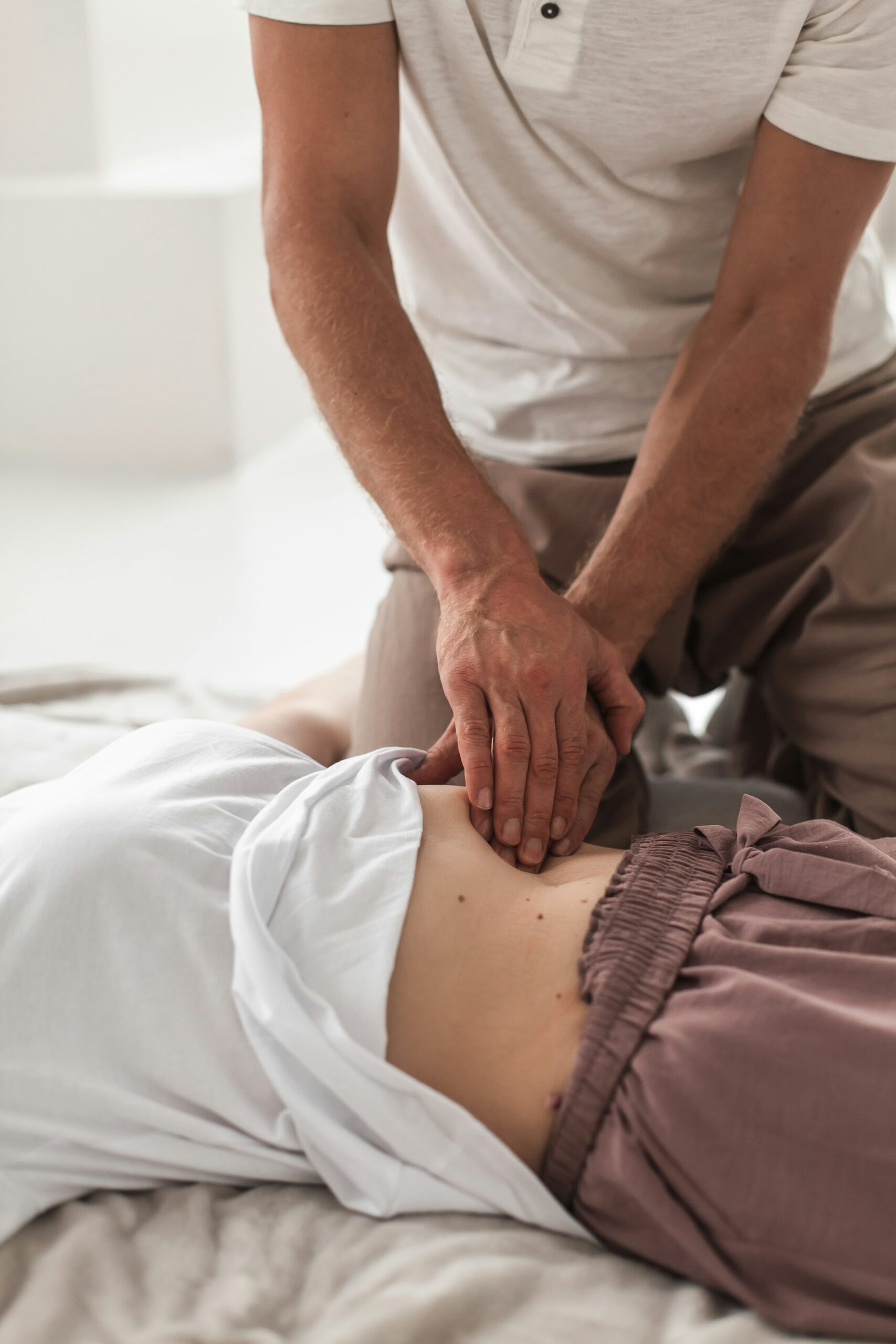
During a physical therapy consultation for endometriosis, patients can anticipate a supportive and informative environment tailored to their unique needs. The initial session typically begins with a thorough discussion of the patient’s medical history and specific symptoms. This stage is crucial, as it enables the physical therapist to gain a comprehensive understanding of how endometriosis affects the individual’s daily life. Patients are encouraged to share details about their pain levels, menstrual cycles, and any other relevant factors. By doing so, they help the therapist devise a personalized treatment plan aimed at alleviating discomfort and improving overall well-being.
Once the initial assessment is complete, the therapist may perform a physical examination to evaluate the patient’s posture, range of motion, and muscle strength. They may focus on areas commonly affected by endometriosis, such as the abdominal, pelvic, and lower back regions. Based on this assessment, patients can expect to receive a combination of manual therapy techniques, exercises, and education about self-management strategies. The goal of the consultation is not only to relieve pain but also to empower patients with tools and knowledge to manage their condition more effectively at home. Overall, the physical therapy consultation serves as a vital step in the journey toward optimizing health and enhancing quality of life for those dealing with endometriosis.
Expect a detailed assessment of symptoms, a review of your medical history, and a discussion of your goals. The therapist will create a tailored treatment plan based on that assessment.
How Long Does Pelvic Floor Therapy Take to Relieve Pain?
Pelvic floor therapy can be an essential part of recovery for individuals experiencing pelvic pain, but the timeline for relief can vary significantly from person to person. Generally, clients may start to notice improvements within a few weeks of initiating therapy, especially when they consistently engage in prescribed exercises and adhere to the treatment plan outlined by their therapist. The duration of the therapy often depends on the specific condition being treated, the intensity and frequency of the sessions, and how well the individual responds to the therapeutic techniques employed.
It’s important for patients to understand that while some may feel a reduction in pain relatively quickly, others might require more time to see substantial changes. Factors such as overall health, the complexity of the condition, and the individual’s commitment to the therapy are all critical components that can influence the process. Most therapists recommend a course of treatment lasting several months, typically around six to eight sessions, to achieve optimal results. Ultimately, patience and an open line of communication with the therapist can pave the way to a successful journey to pain relief and improved quality of life.
Pelvic floor therapy usually requires multiple sessions. Many patients see improvement in 6–8 weeks, though results depend on symptom severity and individual factors.
What Exercises Are Recommended for Endometriosis Pain Management?
Recommended exercises often include pelvic floor work, gentle stretching, and low-impact aerobic activity. These support strength, flexibility, and overall fitness without overloading the body.
- Pelvic Floor Exercises: Strengthening and relaxing the pelvic floor muscles.
- Stretching: Gentle stretches to improve flexibility and reduce tension.
- Low-Impact Aerobic Activities: Activities like walking or swimming to enhance overall fitness without straining the body.
When combined into a therapy plan, these exercises help reduce pain and improve daily function and quality of life.
Frequently Asked Questions
What qualifications should a physical therapist have to treat endometriosis?
Choose a licensed physical therapist with extra training in pelvic health. Look for coursework or certifications in pelvic floor therapy and experience treating women with endometriosis. That expertise ensures care tailored to your needs and better chances of pain relief.
How can I find a physical therapist specializing in endometriosis?
Ask your healthcare provider for recommendations. Search professional directories like the American Physical Therapy Association (APTA) or the Pelvic Health Physical Therapy Section. Local endometriosis support groups may also share referrals. Ask potential therapists about their experience with endometriosis and pelvic floor therapy.
Are there any risks associated with physical therapy for endometriosis?
Physical therapy is generally safe, though some people feel temporary soreness during or after sessions. Tell your therapist about any pain so they can change techniques or exercises. A full assessment helps avoid methods that aren’t suitable for you.
How often should I attend physical therapy sessions for endometriosis?
Session frequency varies by need. Many start with weekly visits, then move to bi-weekly or monthly as symptoms improve. Your therapist will track progress and adjust the schedule. Staying consistent boosts results.
Can physical therapy help with emotional aspects of endometriosis?
Yes. Reducing pain often eases anxiety and stress. Therapists also offer education, coping strategies, and encouragement. Better physical function commonly improves mood and reduces isolation.
What lifestyle changes can complement physical therapy for endometriosis?
Alongside therapy, a balanced diet with anti-inflammatory foods, good hydration, and regular low-impact exercise help manage symptoms. Stress-reduction practices like yoga or mindfulness can also support wellbeing. Work with your healthcare team to combine these changes with your therapy plan.
Conclusion
Physical therapy takes a holistic approach to endometriosis pain by easing muscle tension and improving pelvic health. With personalised plans, many patients gain significant relief and better quality of life. Understanding these benefits helps you take active steps in managing pain. Discover how our specialised physical therapy services can support your path to wellness today.