

Pelvic floor strength is an important, often overlooked part of managing endometriosis-related pain. Strong, well-coordinated pelvic muscles can reduce discomfort, improve function, and help break the cycle of pain and muscle guarding that many people with endometriosis experience. Gentle, low-impact activities like Pilates, including targeted stretching and guided pelvic floor exercises, build tone without stressing sensitive tissues, improve circulation, and ease menstrual cramping. When combined with pelvic floor physical therapy and a balanced activity–rest plan, these approaches can meaningfully improve day-to-day well‑being for people living with endometriosis.
Expectations matter: pelvic floor work is usually gradual and cumulative. Improvements often come from consistent practice, careful pacing, and adapting activity to symptom patterns. Working with a trained clinician helps ensure exercises target the right muscles and that any increase in sensitivity is managed safely. Over weeks to months, many people report better bladder and bowel control, reduced cramping, and less pain during sexual activity when pelvic floor care is part of a coordinated plan.
Clinical studies show structured exercise programs can reduce pelvic pain and improve posture in people with endometriosis.
Exercise Program Efficacy for Endometriosis Pelvic Pain
[Purpose] To evaluate whether an exercise program affects pelvic pain and posture in people with endometriosis. [Results] After eight weeks of the program, participants had a statistically significant reduction in pain intensity and improvement in thoracic kyphosis angle compared with baseline.
Efficacy of exercise on pelvic pain and posture associated with endometriosis: within subject design, A Yousef, 2017
What Is the Connection Between Pelvic Floor Dysfunction and Endometriosis?

Pelvic floor dysfunction, difficulty coordinating or relaxing the pelvic muscles, is common among people with endometriosis. Inflammation, lesions, and hormonal influences can trigger muscle guarding and spasms, which in turn increase pain and limit function. Recognizing this relationship is a key step toward targeted treatment and better symptom control.
How Does Endometriosis Cause Pelvic Floor Muscle Tightness?
Endometriosis can cause local inflammation and nerve irritation at sites of ectopic tissue. That irritation often prompts reflexive tightening and spasms of the pelvic floor. Over time, this protective guarding becomes persistent, worsening pain and creating a feedback loop that makes relaxation and normal muscle coordination more difficult. Addressing tightness with focused therapies helps interrupt that cycle.
Early recognition of tightness helps avoid compensatory patterns that spread to the hips, lower back, and abdomen. Simple self-checks—noticeable difficulty when trying to relax during breathing, pain when inserting a tampon or during intercourse, or frequent urinary urgency without infection—can suggest an overactive pelvic floor. Reporting these patterns to a clinician early increases the chances that conservative measures such as manual therapy, relaxation training, and graded exercise will restore more normal function.
Research has reported a higher prevalence of pelvic floor muscle spasms in people diagnosed with deep endometriosis.
Deep Endometriosis and Pelvic Floor Muscle Spasms
Women with deep endometriosis show an increased prevalence of pelvic floor muscle spasms compared with control groups.
Assessment of pelvic floor muscles in women with deep endometriosis, 2016
What Symptoms Indicate Pelvic Floor Dysfunction in Endometriosis Patients?
- Deep pain with intercourse (dyspareunia): Pain that affects intimacy and quality of life.
- Pelvic muscle spasms: Recurrent tightness or cramping in the pelvic floor.
- Persistent pelvic pain: Ongoing localized or more diffuse pelvic discomfort.
- Bowel symptoms: Pain with bowel movements, constipation, or a feeling of obstruction.
- Bladder symptoms: Urgency, painful urination, or increased frequency.
These signs may point to local structural issues and deserve further clinical evaluation.
How Can Pelvic Floor Physical Therapy Alleviate Endometriosis Pelvic Pain?
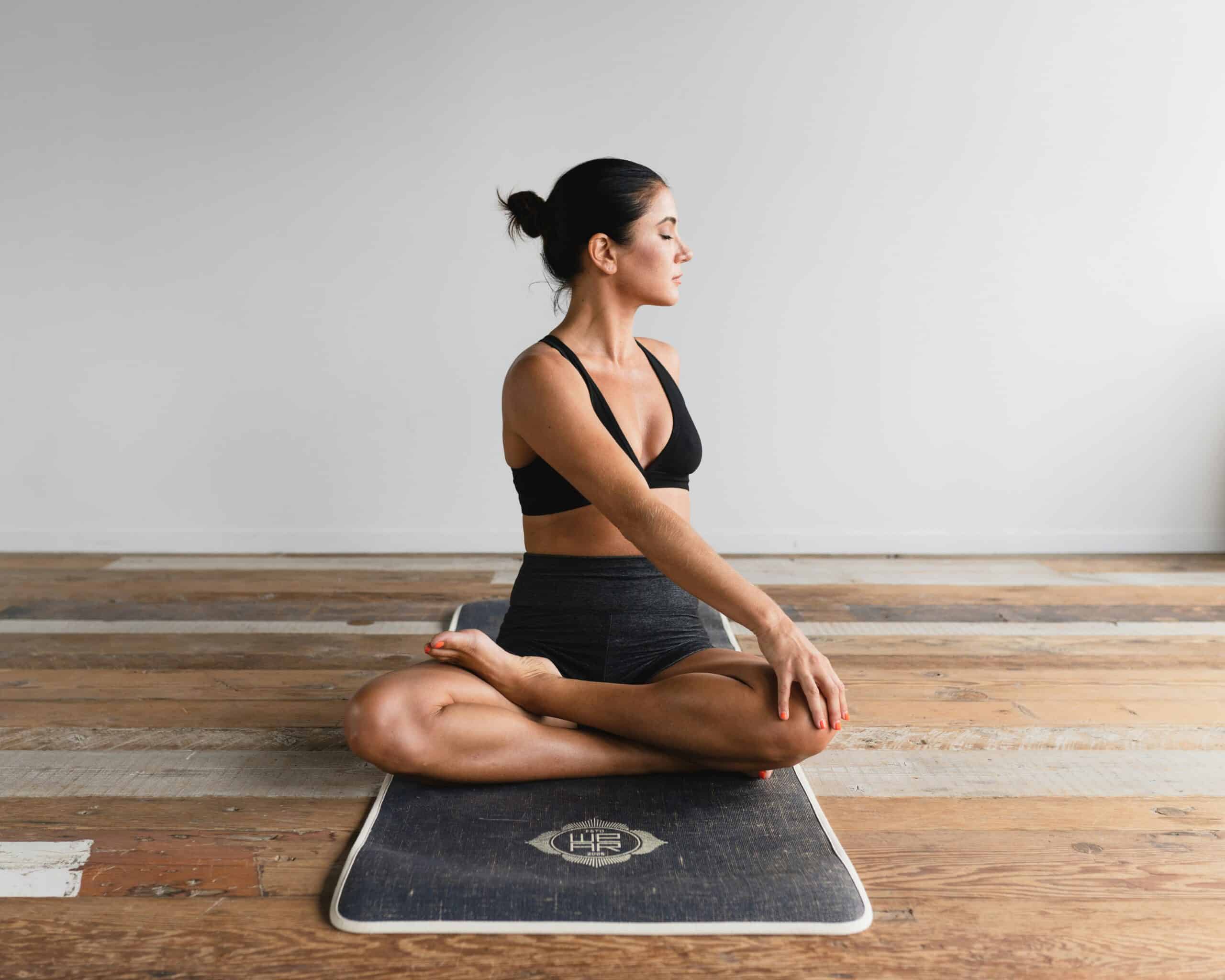
Pelvic floor physical therapy can restore muscle coordination, reduce myofascial pain, and teach practical strategies for relaxation and pacing. As part of a multidisciplinary plan that includes nutrition, mental health support, and, when appropriate, surgical care, therapy helps improve function and quality of life. Early post‑operative therapy can also limit compensatory guarding that otherwise prolongs pain.
What Are the Key Benefits of Pelvic Floor Physical Therapy for Endometriosis?
- Pain relief: Targeted therapy reduces myofascial contributors to pelvic pain.
- Improved function: Better muscle coordination supports bladder, bowel, and sexual function.
- Coordinated care: Therapy works best alongside nutrition, mental health care, and medical or surgical treatment.
- Lower perioperative anxiety: Preoperative pelvic floor work can improve pain coping and reduce anxiety around surgery.
Together, these benefits form part of a holistic strategy to manage symptoms and support long‑term recovery.
What Does a Typical Pelvic Floor Therapy Session Involve?
A session usually begins with an assessment of muscle tone, movement patterns, and symptom triggers. Treatment may include manual techniques to relieve myofascial tension, guided pelvic floor exercises, posture and breathing training, and home strategies such as gentle stretching, relaxation exercises, and mindfulness practices. The goal is practical—reduce pain, improve coordination, and teach tools patients can use daily.
In practice a clinician often combines hands-on release of tight muscles with training that helps you feel and control the pelvic floor during ordinary tasks, standing, lifting, walking, and sexual activity. A typical plan includes clear home guidance: simple daily relaxation drills, short practice sets of targeted contractions and lengthening exercises, and activity modifications to avoid flares. Progress is measured by symptom diaries, functional milestones, and gradual increases in tolerance rather than by pain alone.
Which Pelvic Floor Exercises Are Effective for Managing Endometriosis Symptoms?

Effective exercises include gentle walking, Pilates, and targeted stretching—each chosen to improve circulation, build supportive muscle tone, and relieve cramping without overloading sensitive areas. Regular rest and pacing are important to avoid flare‑ups; integrating gentle yoga and listening to your body are also helpful.
Concrete examples that clinicians often recommend include short, easy walks that increase by minutes per session rather than intensity; gentle Pilates moves that emphasize core stability without Valsalva (holding the breath); and hip-opening stretches that lengthen the muscles surrounding the pelvis. Exercises should feel restorative rather than painful—if an activity provokes a flare, reduce duration or modify the movement and discuss adjustments with your therapist.
Comprehensive programs led by women’s health physiotherapists often combine pelvic floor muscle training with strength, flexibility, and relaxation work to help people manage endometriosis pain.
Exercise and Pelvic Floor Training for Endometriosis Pain
A weekly group program led by women’s health physiotherapists combined individualized, progressive strength training of large muscle groups and pelvic floor muscles with endurance, flexibility, and relaxation training. Individual programs followed the same principles and were performed 3–5 times per week depending on intensity. Pelvic floor muscle training (PFMT) was recommended daily. Participants also received a group pain‑management course that emphasized exercise as self‑management.
… exercise training and pelvic floor muscle training be used as an empowering tool among women with endometriosis? Experiences among women with endometriosis …, MK Tennfjord, 2024
How Do Kegel and Reverse Kegel Exercises Help with Pelvic Floor Dysfunction?
Kegel exercises (contract‑and‑hold) strengthen pelvic floor muscles, which can improve bladder control and support pelvic stability. Reverse Kegels focus on gentle relaxation and lengthening of the pelvic floor to relieve tightness and reduce spasms. Used together, these techniques help restore a functional balance between strength and relaxation.
Practical guidance helps make these techniques usable. Begin with gentle awareness: breathe diaphragmatically and notice the pelvic floor at rest. For strengthening, start with a small number of controlled, comfortable contractions—focus on quality and timing with breath rather than force. For relaxation, practice slow, easy lengthening breaths and a conscious softening of the pelvic floor muscles. Your therapist can tailor repetitions, hold times, and progression so practice supports daily activities without causing increased tension.
What Role Do Yoga and Breathing Techniques Play in Pelvic Floor Relaxation?
Yoga and paced breathing reduce stress‑related muscle tension, lower inflammation driven by chronic stress, and improve flexibility. Simple practices—deep, rhythmic breathing and restorative yoga poses—can help the pelvic floor relax, improve emotional well‑being, and offer practical tools for managing flare‑ups.
Accessible practices include diaphragmatic breathing while lying on the back with knees bent, gentle supported forward folds that avoid strain, and restorative poses such as child’s pose with props to allow full relaxation. Breathing cues—slow inhales through the nose and long, mindful exhales, support pelvic floor lengthening. Use these techniques as short daily rituals or as on-demand tools during a flare to reduce muscle guarding and anxiety.
How Does a Tight Pelvic Floor Worsen Endometriosis Symptoms?

Tight pelvic floor muscles amplify pelvic pain and can worsen bladder, bowel, and sexual symptoms. Increased muscle tension raises pain sensitivity and may interfere with normal organ function, so addressing tightness is often a meaningful step toward symptom relief.
What Causes Pelvic Floor Muscle Spasms in Endometriosis?
Spasms are commonly triggered by local inflammation, nerve irritation, and the presence of ectopic endometrial tissue. These factors provoke protective muscle tightening, which can become chronic if not treated.
How Do Tight Pelvic Muscles Affect Bladder, Bowel, and Sexual Function?
- Bladder symptoms: Urgency, painful urination, or localized pelvic tenderness linked to muscle spasm or nearby tissue involvement.
- Bowel symptoms: Pain with bowel movements, constipation, or a sense of incomplete evacuation related to pelvic muscle tension.
- Sexual function: Dyspareunia (painful intercourse) and deep pelvic pain during sex, often driven by pelvic floor spasms.
Recognizing these links helps guide targeted evaluation and treatment.
How Is Pelvic Floor Therapy Integrated with Endometriosis Excision Surgery?

In coordinated care models, pelvic floor therapy is used before and after excision surgery to optimize outcomes. Preoperative work prepares muscles and teaches coping strategies; early postoperative therapy reduces compensatory guarding and supports timely return to function. Combined with nutritional counseling and mental health support, this approach aims to lower recurrence risk and improve recovery.
What Are the Benefits of Combining Pelvic Floor Therapy with Excision Surgery?
Combining therapy with excision surgery can improve muscle function, reduce myofascial pain, lower the chance of persistent pain, speed return to normal activities, and support emotional recovery. Addressing both the surgical and musculoskeletal contributors to pain gives patients a better chance at long‑term improvement.
How Does Pre- and Post-Operative Pelvic Floor Care Improve Recovery?
Pre‑and post‑operative care provides structured support: wound care guidance, safe movement progressions, pelvic floor retraining, and nutritional strategies that promote tissue healing. Multidisciplinary follow‑up allows timely reassessment and adjustment of the plan, helping to protect gains and reduce the risk of symptom recurrence.
After surgery, graded return-to-activity plans and early guided pelvic floor retraining help reduce compensatory patterns that commonly cause prolonged pain. Education on safe body mechanics, scar mobility when appropriate, and gradual reintroduction of core and aerobic work can support recovery milestones and patient confidence during the first months after excision.
What Holistic Approaches Support Pelvic Floor Health in Endometriosis Management?

The following strategies are most effective when tailored and combined as part of an integrated treatment plan.
- Pelvic floor physical therapy: Restores coordination and relieves myofascial pain.
- Mind–body practices: Mindfulness‑based approaches and yoga lower stress and pain sensitivity.
- Acupuncture: May modulate central pain pathways and reduce perceived pain intensity.
- Targeted supplements: Omega‑3s and magnesium can support anti‑inflammatory balance and muscle relaxation when used under clinical guidance.
How Does Stress Reduction Impact Pelvic Floor Muscle Function?
Reducing stress eases pelvic muscle tension and lowers central pain sensitivity. Techniques such as controlled breathing, relaxation training, and therapy help break the stress‑tension–pain cycle, improving muscle coordination and coping capacity.
What Lifestyle Changes Enhance Pelvic Floor Strength and Symptom Relief?
- Pelvic floor physical therapy: Structured therapy to restore muscle balance and reduce pain.
- Gentle physical activity: Low‑impact exercise—walking, swimming—improves circulation and reduces inflammation.
- Dietary adjustments: High‑fiber foods, lean proteins, healthy fats, and omega‑3s support overall health and may lower inflammation.
- Hydration: Adequate fluids reduce bladder irritation.
- Mindfulness and stress management: Controlled breathing, meditation, and relaxation techniques help manage symptoms.
- Targeted supplements: Magnesium and B vitamins, used with clinical oversight, can support muscle relaxation and tissue health.
Small, practical changes often have a meaningful effect. Improving sleep quality, using ergonomic seating and lumbar support, and modifying lifting techniques can reduce pelvic floor strain during daily activities. Working with a dietitian or therapist to create sustainable routines helps reinforce gains from physical therapy and reduces the likelihood of setbacks.
For people working in sedentary jobs, brief movement breaks and gentle stretches every hour can reduce pelvic and hip stiffness. For those with manual jobs, pacing, and use of supportive belts or modified mechanics during heavy tasks may be recommended on an individualized basis.
When combined, these habits can lower baseline pain and improve quality of life.
What Are Common Patient Questions About Pelvic Floor Strength and Endometriosis?
Here are answers to frequently asked questions that help clarify the role of pelvic floor care in endometriosis management.
Can Pelvic Floor Physical Therapy Cure Endometriosis?
Pelvic floor physical therapy can significantly reduce symptoms and improve function, but it does not cure endometriosis. It is an important component of a comprehensive care plan that may include medical or surgical treatments.
How Long Does It Take to See Improvement with Pelvic Floor Therapy?
Many patients notice meaningful improvement in pain and function within 6–12 weeks of consistent therapy and home practice, though full healing can take several months. Individual recovery depends on the extent of disease, prior treatments, and adherence to the rehabilitation plan.
Progress is highly individual. If symptoms do not improve as expected, clinicians may adjust the plan, explore adjunctive treatments, or coordinate care with gynecology, pain medicine, or mental health professionals to address contributing factors.
Where Can Patients Find Expert Care for Pelvic Floor Dysfunction and Endometriosis?

Expert care is available at specialized centers that offer excision surgery alongside coordinated, multidisciplinary management. The Endometriosis Center of Excellence, led by Dr. Rachael Ann Haverland in the Dallas area, provides this type of integrated approach with experience in minimally invasive gynecologic surgery.
Why Choose the Endometriosis Center of Excellence for Pelvic Floor Therapy?
The center combines surgical expertise in precise excision with collaborative care—pelvic floor physical therapy, fertility coordination, nutrition, and long‑term symptom monitoring. Dr. Haverland and her team plan treatments to preserve fertility when possible and tailor care to each patient’s needs, grounded in evidence and clinical experience.
How to Schedule a Consultation with Dr. Rachael Ann Haverland?
To schedule a consultation, contact the Endometriosis Center of Excellence directly to discuss your symptoms and treatment options. The team offers personalized guidance and coordinated care to support your recovery journey.
Frequently Asked Questions
What are the signs that pelvic floor therapy might be beneficial for someone with endometriosis?
Persistent pelvic pain, pain during intercourse, and bowel or bladder symptoms are common indicators that pelvic floor therapy could help. Muscle tightness, spasms, or trouble relaxing the pelvic floor are specific signs that warrant evaluation by a trained therapist.
How often should one engage in pelvic floor exercises for optimal results?
Consistency matters. Many programs recommend daily pelvic floor practice, with structured PFMT (pelvic floor muscle training) and supplemental strength, flexibility, and relaxation work several times per week. A physical therapist can design a plan that matches your condition and tolerance.
Can pelvic floor therapy help with emotional well-being in endometriosis patients?
Yes. By reducing physical pain and teaching relaxation and coping skills, pelvic floor therapy often lessens anxiety and improves emotional resilience. Combining therapy with mental health support amplifies these benefits.
What should patients expect during their first pelvic floor therapy session?
The first session typically includes a detailed history, symptom review, and a physical assessment of posture and muscle function. From there, the therapist outlines a tailored treatment plan that may include manual therapy, exercises, and home strategies. Open communication about pain and goals helps create a supportive plan.
Are there any risks associated with pelvic floor therapy for endometriosis?
Therapy is generally safe, but some people experience temporary soreness or increased sensitivity early in treatment, especially if muscles are very tight. It’s important to tell your therapist about any discomfort. A thorough assessment ensures techniques are chosen to suit your needs.
How can patients track their progress in pelvic floor therapy?
Keep a symptom diary noting pain levels, frequency of symptoms, and functional changes. Share this with your therapist so the plan can be adjusted. Setting measurable goals—like reduced pain during specific activities, helps track meaningful progress.
Conclusion
Supporting pelvic floor health is a practical, evidence‑informed way to reduce pain and improve function for people with endometriosis. Targeted therapy, gentle exercise, stress reduction, and coordinated multidisciplinary care together offer the best chance for meaningful symptom relief. If you’re seeking guidance, consider reaching out to a specialized center or pelvic health professional to build a personalized plan that fits your needs.
Start with small, sustainable steps: brief daily breathing and relaxation practice, short walks that build tolerance, and consistent communication with your care team. With focused attention and coordinated support, many people achieve measurable improvements in pain, function, and quality of life.