

Endometriosis is a chronic gynecologic condition in which tissue resembling the uterine lining grows outside the uterus, and menopause is the life stage defined by the end of menstrual cycles with substantial decline in circulating estrogen.
Although many women experience symptom improvement as systemic estrogen falls during and after menopause, endometriosis can persist, recur, or even present newly in older patients due to local estrogen production and structural disease factors.
This article explains how hormonal changes across perimenopause and postmenopause affect lesion activity, outlines common postmenopausal symptoms, describes an evidence-informed diagnostic pathway, and compares treatment options including excision surgery and hormone replacement therapy (HRT).
You will also find practical monitoring strategies for rare malignant transformation, non-hormonal management tactics, and guidance on when to seek specialist evaluation.
Throughout, the focus is clinical clarity: understand why symptoms may continue, how to assess risk, and what therapeutic choices best balance symptom relief and safety.
Does Endometriosis Go Away After Menopause? Understanding Persistence and Recurrence
Endometriosis often becomes less symptomatic after menopausal estrogen decline, but it does not reliably “go away” for every patient; persistence or recurrence occurs because lesions can maintain local estrogen synthesis and because structural disease remains. Local aromatase expression within endometriosis nodules allows lesions to produce estrogen independently of ovarian function, which can sustain inflammation and pain even when systemic estrogen is low. Understanding these mechanisms clarifies why some women require ongoing surveillance or intervention after menopause.
Why Can Endometriosis Persist or Recur After Menopause?
Persistence or recurrence of endometriosis after menopause stems from biological and structural factors that allow disease to remain active despite low systemic estrogen. First, many lesions express aromatase and other steroidogenic enzymes, enabling local estrogen production that fuels lesion survival and inflammation. Second, adhesions and scar tissue created by prior disease can cause chronic pain independent of active lesion proliferation. Third, residual microscopic disease after incomplete excision may reactivate if exposed to exogenous hormones or local factors. Recognizing these pathways helps clinicians choose targeted therapies that address both active lesions and the mechanical sources of pain.
How Do Hormonal Changes During Menopause Affect Endometriosis?
Perimenopause is characterized by fluctuating estrogen levels that can transiently exacerbate endometriosis symptoms, whereas sustained low estrogen after menopause generally lowers lesion activity but does not guarantee remission. During the transition, irregular ovulatory cycles and estrogen peaks may provoke cyclical or unpredictable pain flares, which often prompt clinical reassessment. Once postmenopausal hypoestrogenism is established, many patients experience symptom reduction, yet local estrogen synthesis, exogenous hormones, or lesion autonomy can maintain disease activity. Clinicians should therefore monitor symptom trajectories closely during the transition and adapt management as endocrine status evolves.
Research highlights that hormonal shifts during menopause significantly influence endometriosis activity.
Hormonal Changes and Endometriosis Symptoms Post-Menopause
Although many women experience symptom improvement as systemic estrogen falls during and after menopause, endometriosis can persist, recur, or even present newly in older patients due to local estrogen production and structural disease factors.
What Is the Prevalence of Postmenopausal Endometriosis?
Reported prevalence of symptomatic endometriosis persisting into or presenting after menopause varies across recent studies but commonly falls in a low single-digit percentage range, with estimates often cited between approximately 2% and 5% among older cohorts. Recurrence or continued symptoms are more likely in women with a history of moderate-to-severe premenopausal disease, incomplete prior surgery, or exposure to unopposed estrogen therapy. Data limitations include retrospective reporting and referral bias, so absolute risks must be individualized; nonetheless, the evidence supports vigilance in symptomatic postmenopausal patients and targeted evaluation when red flags appear.
Different causes contribute to ongoing activity in postmenopausal endometriosis; this table summarizes key mechanisms and clinical implications.
Local estrogen production, residual tissue, and treatment exposure all influence persistence and recurrence.
What Are the Common Symptoms of Endometriosis After Menopause?
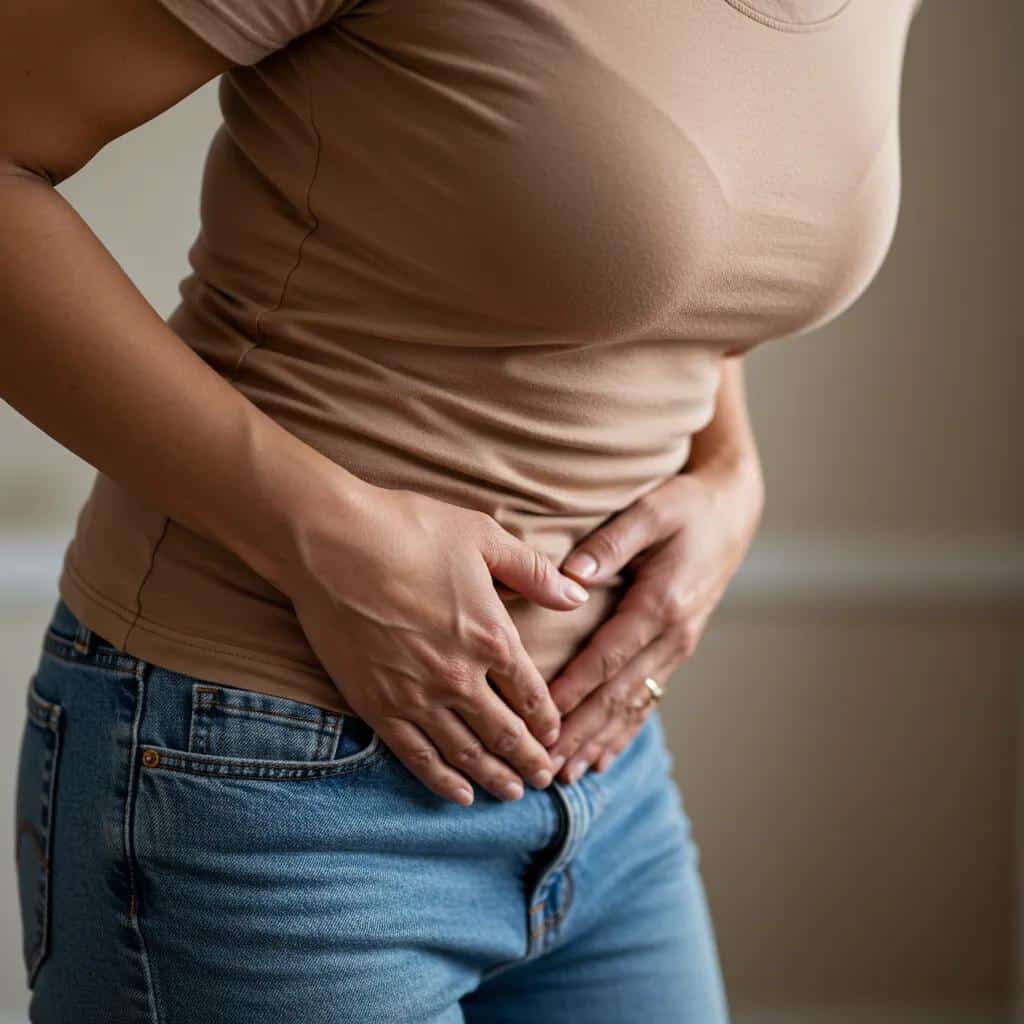
Active endometriosis after menopause most commonly presents with persistent pelvic pain, deep dyspareunia, and gastrointestinal or urinary symptoms, and may include adnexal masses or abnormal bleeding that warrant urgent evaluation. Because some menopausal symptoms overlap (e.g., pelvic discomfort sometimes attributed to vulvovaginal atrophy), careful characterization of pain quality, timing, and associated bowel or bladder symptoms is indispensable. Early recognition of atypical features speeds appropriate imaging and referral, reducing delays in diagnosis and treatment.
How Can You Differentiate Endometriosis Symptoms from Menopausal Symptoms?
Differentiating endometriosis from menopausal complaints relies on symptom pattern, pain characteristics, and associated organ symptoms rather than age alone. Menopausal vasomotor symptoms such as hot flashes and night sweats are systemic and not associated with focal pelvic tenderness, whereas endometriosis-related pain is often focal, worsens with intercourse or bowel movements, and may be accompanied by bloating or urinary urgency. Red flags that point away from simple menopausal change include new postmenopausal bleeding, rapidly enlarging adnexal mass, or persistent focal pelvic tenderness—each of which requires prompt gynecologic assessment.
What Pelvic Pain and Gastrointestinal Symptoms Indicate Postmenopausal Endometriosis?
Pelvic pain from postmenopausal endometriosis often presents as constant or activity-related lower abdominal or pelvic pressure, deep dyspareunia, and pain related to bowel movements when deep infiltrating lesions involve the rectovaginal septum or bowel. Gastrointestinal manifestations can include bloating, constipation, or alternating bowel habits that mimic irritable bowel syndrome but are focal, reproducible with pelvic exam, or linked to pelvic tenderness. When bowel symptoms are prominent or progressive, combined gynecologic and colorectal evaluation—including targeted imaging—is recommended to determine lesion extent and guide management.
Are Urinary Issues and Ovarian Cysts Signs of Endometriosis After Menopause?
Urinary symptoms such as frequency, urgency, dysuria, or hematuria can arise when endometriosis involves the bladder or ureter, and in postmenopausal women these signs warrant careful assessment for other etiologies as well. Adnexal masses or ovarian cysts discovered after menopause are more concerning than in premenopausal women because of elevated malignancy risk; however, endometriosis-associated ovarian cysts can persist or present as complex adnexal lesions. The evaluation should include targeted imaging and tumor marker assessment when indicated, and urology or gynecologic oncology referral thresholds must be lower in older patients.
How Is Postmenopausal Endometriosis Diagnosed? Challenges and Advanced Techniques
Diagnosing endometriosis after menopause requires a stepwise approach: detailed history and focused pelvic exam, selective use of advanced imaging such as MRI or specialized transvaginal ultrasound, and laparoscopic excision with histologic confirmation when indicated. Noninvasive tests can suggest but not confirm active disease, and imaging plays a central role in mapping deep infiltrating lesions and complex adnexal masses in older patients. Ultimately, surgical visualization and excision with pathology remain the diagnostic gold standard when intervention is planned or malignancy cannot be excluded.
What Role Do Medical History and Pelvic Exams Play in Diagnosis?
A thorough medical history—documenting prior endometriosis diagnosis, previous surgeries, symptom chronology, hormone exposures, and patterns of pain—creates the clinical scaffold for diagnosis and targeted examination. Pelvic exam findings such as focal nodularity, a fixed retroverted uterus, or localized adnexal tenderness increase pretest probability and guide imaging choices. This clinical synthesis helps prioritize which patients need advanced imaging or early surgical referral, ensuring efficient and appropriate evaluation.
How Are Imaging Techniques Used for Older Women?
Imaging in postmenopausal women prioritizes MRI and specialized transvaginal ultrasound to detect deep infiltrating disease, complex adnexal masses, and relationships to bowel or urinary structures. MRI offers superior soft-tissue contrast for mapping deep lesions and surgical planning, while 3D transvaginal ultrasound excels at detailed adnexal assessment and can be highly informative in expert hands. Imaging cannot replace laparoscopy for definitive diagnosis, but it refines risk assessment and helps distinguish lesions from other pelvic pathologies, supporting shared decision-making about surgery.
Why Is Laparoscopic Excision Surgery the Definitive Diagnostic Method?
Laparoscopic excision provides direct visualization of disease, the opportunity for complete removal of nodules and adhesions, and tissue for histologic confirmation—making it both a diagnostic and therapeutic procedure. Complete excision reduces residual disease burden, often improves symptoms, and enables pathologic evaluation to exclude malignancy when suspicious masses are present. Surgical outcomes depend on technique and surgeon expertise; therefore, referral to surgeons trained in endometriosis excision is important for optimal results and lower recurrence rates.
Endo Excellence Center uses a multidisciplinary diagnostic approach that combines careful history-taking, advanced imaging, and referral for laparoscopic evaluation when indicated. Their model emphasizes collaboration among specialists to interpret complex imaging and plan excision when appropriate, ensuring patients receive targeted evaluation and a clear plan for next steps.
A concise imaging-to-surgery pathway helps patients and clinicians move from suspicion to definitive management efficiently.
- Initial clinical assessment: Detailed history and focused pelvic exam to define risk.
- Targeted imaging: MRI or specialized transvaginal ultrasound for lesion mapping.
- Surgical evaluation: Laparoscopic excision for definitive diagnosis and treatment.
This stepwise pathway improves diagnostic accuracy and streamlines care for patients with persistent or atypical postmenopausal pelvic symptoms.
What Are the Treatment Options for Endometriosis After Menopause? Surgery, Hormones, and More

Treatment choices for postmenopausal endometriosis depend on symptom severity, lesion burden, malignancy risk, and patient priorities; options include surgical excision, tailored hormone replacement strategies, progestogens, aromatase inhibitors, and non-hormonal adjuncts such as physical therapy and pain management. Excision surgery is favored when structural disease causes symptoms or when there is diagnostic uncertainty, while medical therapies target hormonal drivers or inflammation when surgery is contraindicated or as adjunctive care. Decision-making should weigh benefits and risks, particularly regarding HRT and ovarian pathology in older patients.
Why Is Endometriosis Excision Surgery Considered the Gold Standard?
Excision surgery removes disease nodules and associated adhesions, permitting both symptomatic relief and histologic assessment, and it achieves superior outcomes compared with ablative approaches that may leave residual disease. Complete excision minimizes the substrate for persistent pain and reduces recurrence risk when performed by surgeons experienced in endometriosis techniques. Specialist training and minimally invasive approaches optimize recovery and preserve pelvic structures, which is particularly important for complex deep infiltrating disease.
How Does Hormone Replacement Therapy Affect Endometriosis After Menopause?
Hormone replacement therapy can improve menopausal symptoms but may reactivate residual endometriosis, especially when estrogen is unopposed. Clinical evidence and expert guidance suggest that combined estrogen–progestogen regimens are generally safer than estrogen-only formulations for women with a history of endometriosis because progestogens counteract estrogen-driven lesion stimulation. Individualized risk–benefit assessment is essential, accounting for uterus status, prior disease extent, and personal cancer risk factors; shared decision-making with an experienced clinician helps align symptom control with safety.
What Are the Differences Between Combined and Estrogen-Only HRT?
Combined HRT pairs estrogen with a progestogen, which provides endometrial protection and may suppress residual endometriosis activity, while estrogen-only HRT lacks progestogenic counterbalance and therefore poses a higher theoretical risk of stimulating residual lesions. For women who have had a hysterectomy, estrogen-only therapy may be considered but still requires careful evaluation of prior endometriosis severity and lesion persistence. Choice between regimens should be individualized and made with specialist input when prior endometriosis or complex adnexal disease exists.
The following table compares common treatment options, their mechanisms, and suitability for postmenopausal patients.
Surgical expertise and a multidisciplinary plan often produce the best outcomes for symptomatic postmenopausal disease.
Endo Excellence Center offers personalized, multidisciplinary care with emphasis on minimally invasive endometriosis excision performed by specialists trained in advanced techniques. Led by Dr. Rachael Ann Haverland, a board-certified specialist with Mayo Clinic training, the center focuses on individualized planning that addresses pelvic pain, bowel and bladder health, fertility considerations, and emotional well-being. Patients who need surgical evaluation or tailored HRT counseling can schedule an assessment at the center to review imaging, discuss excision options, and develop a coordinated plan with supportive services.
- Recognize symptoms early and seek evaluation when pain persists or atypical features appear.
- Advocate for multidisciplinary assessment when imaging or symptoms suggest deep or complex disease.
- Pursue individualized care plans that balance symptom relief with safety concerns about HRT and malignancy risk.
What Is the Risk of Malignant Transformation in Postmenopausal Endometriosis?
Malignant transformation of endometriosis is rare but clinically important, most often involving endometriosis-associated ovarian carcinoma; published estimates for malignant transformation generally fall in the 0.7%–2.5% range, and epidemiologic data suggest a relative increase in ovarian cancer risk among women with endometriosis. Recognizing red flags—such as new postmenopausal bleeding, rapidly enlarging adnexal masses, or suspicious imaging features—is essential to prompt evaluation. Monitoring strategies combine symptom vigilance, targeted imaging, and surgical assessment when concern arises.
How Common Is Ovarian Cancer Associated with Endometriosis After Menopause?
Reported prevalence estimates for malignant transformation vary by study design and population, but many reviews cite a range roughly from 0.7% to 2.5% for endometriosis-related malignancy overall, with certain histologic subtypes (e.g., clear cell and endometrioid carcinomas) more closely linked to endometriosis. These numbers represent population-level risk and must be contextualized: the absolute risk for any individual woman is typically low, but a history of endometriosis is a recognized risk factor that warrants attentive surveillance in postmenopausal patients.
The persistence of endometriosis in postmenopausal women is a complex issue, with local estrogen production playing a key role.
What Monitoring and Prevention Strategies Are Recommended?
Recommended monitoring emphasizes symptom surveillance and targeted imaging rather than routine universal screening; prompt evaluation of new postmenopausal bleeding, enlarging adnexal masses, or systemic symptoms should trigger referral and imaging such as transvaginal ultrasound or MRI. Shared decision-making may consider prophylactic surgery in select high-risk individuals, especially when imaging or pathology suggests atypical or premalignant change. Conservative strategies include regular clinical review and low threshold for surgical assessment when red flags emerge.
This table summarizes reported risk metrics and monitoring recommendations to guide clinical follow-up.
These metrics underscore that while malignant transformation is rare, clinical vigilance and timely evaluation are key to early detection.
How Can Women Live Well with Endometriosis After Menopause? Managing Pain and Quality of Life
Long-term management focuses on multimodal pain control, functional rehabilitation, and psychosocial support to optimize quality of life for postmenopausal women with persistent endometriosis. Combining pharmacologic strategies, pelvic floor physical therapy, cognitive-behavioral approaches, and interventional pain techniques when needed produces better outcomes than isolated treatments. Lifestyle adaptations and support networks also play an important role in daily symptom control and emotional well-being.
What Strategies Help Manage Chronic Pelvic Pain Post-Menopause?
Effective chronic pelvic pain management after menopause uses a biopsychosocial framework: targeted medications (analgesics, neuropathic agents), pelvic floor rehabilitation to address myofascial contributors, and cognitive-behavioral or mindfulness-based strategies to reduce pain-related distress. Interventional pain procedures may be considered for refractory cases in collaboration with pain specialists. Early incorporation of multimodal approaches improves function and reduces reliance on single-modality therapies.
Practical multimodal options include:
- Medications: Neuropathic agents or targeted analgesics for chronic pain control.
- Physical therapy: Pelvic floor therapy to address muscle dysfunction and pain.
- Psychological support: CBT or mindfulness to improve coping and reduce symptom burden.
Together, these approaches strengthen daily functioning and quality of life for women living with persistent postmenopausal pelvic pain.
When Should You Seek Specialist Care for Postmenopausal Endometriosis?
Specialist referral is indicated for persistent or progressive pelvic pain despite conservative measures, new postmenopausal bleeding, enlarging or complex adnexal masses, or symptoms that substantially impair quality of life. Referral criteria also include suspected deep infiltrating disease, bowel or urinary involvement, and the need for surgical excision or complex multidisciplinary planning. Early specialist input enables targeted imaging, appropriate surgical planning, and coordinated care with colorectal or urology colleagues when necessary.
How Does Endo Excellence Center Provide Personalized Care for Postmenopausal Endometriosis?
Endo Excellence Center delivers personalized, multidisciplinary care focused on pelvic pain, bowel and bladder health, fertility considerations, and emotional well-being, with an emphasis on minimally invasive endometriosis excision surgery and compassionate support. Led by Dr. Rachael Ann Haverland, a board-certified specialist with Mayo Clinic training, the center integrates advanced imaging interpretation, collaborative surgical planning, and coordinated non-surgical therapies to address both lesion-driven disease and functional contributors to pain. Patients seeking evaluation can request an assessment that reviews prior history, imaging, and individualized treatment options aimed at improving quality of life and reducing pain.
- Recognize symptoms early and seek evaluation when pain persists or atypical features appear.
- Advocate for multidisciplinary assessment when imaging or symptoms suggest deep or complex disease.
- Pursue individualized care plans that balance symptom relief with safety concerns about HRT and malignancy risk.
These steps help women navigate care pathways and maintain quality of life after menopause while addressing endometriosis-related needs.
Frequently Asked Questions
What lifestyle changes can help manage endometriosis symptoms after menopause?
Managing endometriosis symptoms post-menopause often involves lifestyle modifications that can enhance overall well-being. Regular physical activity, such as yoga or low-impact exercises, can help alleviate pain and improve mood. A balanced diet rich in anti-inflammatory foods, like fruits, vegetables, and omega-3 fatty acids, may also reduce symptom severity. Additionally, stress management techniques, including mindfulness and relaxation exercises, can be beneficial. Establishing a strong support network, whether through friends, family, or support groups, can provide emotional relief and practical advice for coping with ongoing symptoms.
How can women monitor their symptoms effectively after menopause?
Effective symptom monitoring after menopause involves keeping a detailed journal that tracks pain levels, triggers, and any changes in symptoms. This can help identify patterns and inform discussions with healthcare providers. Women should note the timing, intensity, and nature of their pain, as well as any associated symptoms like gastrointestinal or urinary issues. Regular check-ins with a healthcare professional are essential for adjusting treatment plans based on symptom progression. Utilizing mobile health apps designed for chronic pain management can also facilitate tracking and provide reminders for follow-up appointments.
What are the potential complications of untreated endometriosis after menopause?
Untreated endometriosis after menopause can lead to several complications, including chronic pelvic pain, which can significantly impair quality of life. Additionally, there is a risk of developing adhesions, which can cause organ dysfunction or complications during surgical procedures. In rare cases, untreated endometriosis may lead to malignant transformation, particularly in the ovaries. Therefore, ongoing monitoring and timely intervention are crucial to prevent these complications and ensure that any changes in symptoms are addressed promptly.
What role does emotional support play in managing endometriosis after menopause?
Emotional support is vital for women managing endometriosis after menopause, as chronic pain and associated symptoms can lead to feelings of isolation, anxiety, and depression. Engaging with support groups, whether in-person or online, can provide a sense of community and shared experience. Counseling or therapy can also be beneficial, helping women develop coping strategies and address emotional challenges. Building a strong support network of friends, family, and healthcare providers fosters resilience and encourages proactive management of both physical and emotional health.
Are there any specific warning signs that indicate the need for immediate medical attention?
Yes, certain warning signs should prompt immediate medical attention for women with endometriosis after menopause. These include new or worsening pelvic pain, unexpected postmenopausal bleeding, rapidly enlarging adnexal masses, or significant changes in bowel or urinary habits. Additionally, symptoms that severely impact daily functioning or quality of life should not be ignored. Prompt evaluation by a healthcare provider can help rule out serious complications and ensure appropriate management of endometriosis-related issues.
How can women advocate for their health when dealing with endometriosis after menopause?
Women can advocate for their health by being informed about endometriosis and its potential impacts post-menopause. Keeping a detailed symptom diary and preparing questions for healthcare appointments can facilitate productive discussions. Seeking second opinions or referrals to specialists, particularly those experienced in endometriosis, can also be beneficial. Additionally, women should feel empowered to express their concerns and preferences regarding treatment options, ensuring that their voices are heard in the decision-making process for their care.
Conclusion
Understanding the interplay between hormonal changes and endometriosis after menopause is crucial for effective management and symptom relief. By recognizing the potential for persistent or recurrent symptoms, women can seek timely evaluations and tailored treatment options that prioritize their quality of life. Engaging with specialized care, such as that offered by the Endo Excellence Center, can provide the necessary support and expertise for navigating this complex condition. Take the first step towards better health by scheduling a consultation today.