
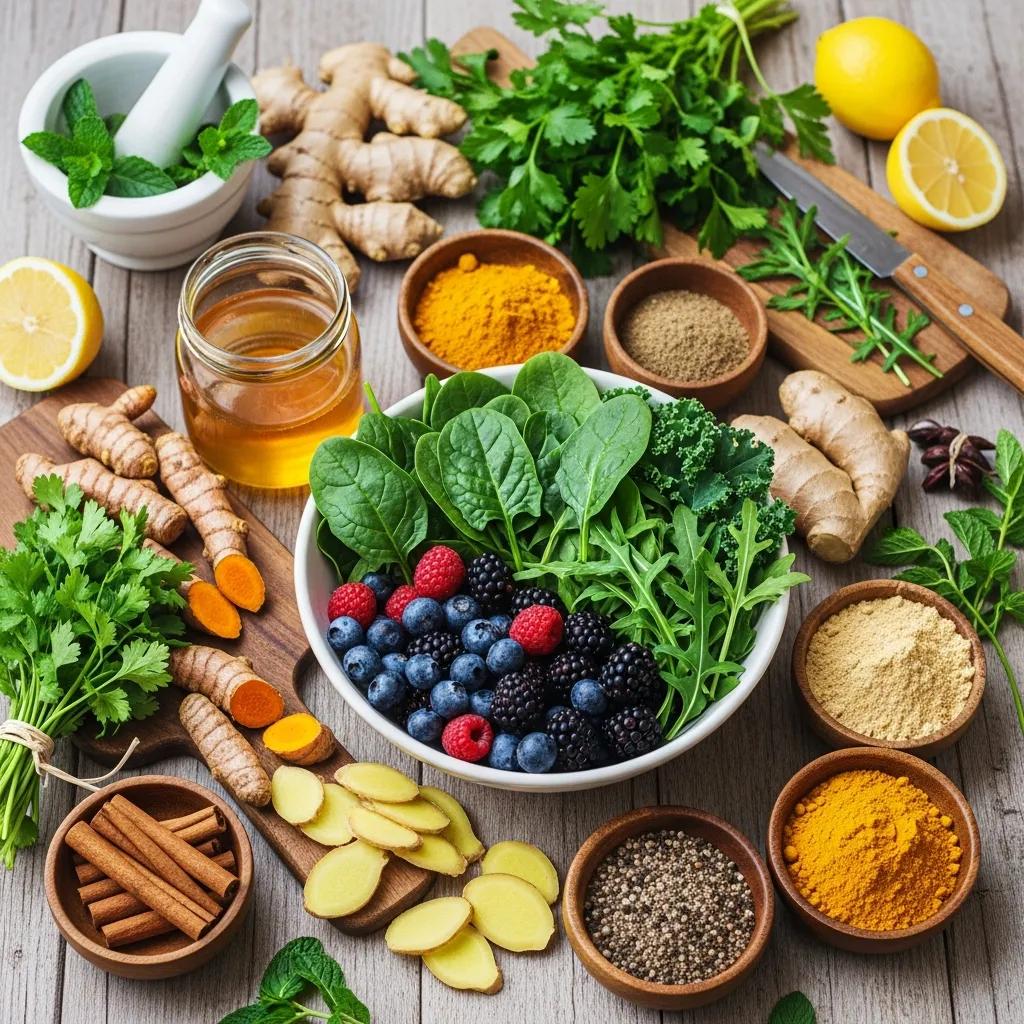
Endometriosis is a chronic and often progressive condition that can cause significant pelvic pain, fatigue, digestive disturbances, and disruption to work, relationships, and daily functioning. It is a complex disorder that affects many aspects of a person’s life, making day-to-day activities challenging. While hormonal therapies, pain medications, and surgical interventions remain the foundation of medical management, some individuals continue to experience persistent or recurrent symptoms despite these treatments. When standard treatments do not fully control pain or improve quality of life, many people explore additional supportive approaches to complement their medical care and enhance their overall well-being.
This article provides an overview of holistic strategies that may help reduce symptom burden and improve overall well-being for those living with endometriosis. It summarizes commonly used natural remedies, including anti-inflammatory supplements and herbal options that are often discussed in integrative care settings. Additionally, it explores mind–body practices such as mindfulness, breathwork, cognitive techniques, and gentle movement therapies that may help regulate the stress response and decrease pain sensitivity, offering a more comprehensive approach to managing this challenging condition.
What Are the Most Effective Natural Remedies for Endometriosis Relief?

Several natural approaches have been found to reduce inflammation, ease pain, and support overall wellbeing in individuals with endometriosis. These options are often used alongside conventional treatments to provide additional relief and improve quality of life. Commonly recommended natural remedies include:
- Massage Therapy: This therapy can relieve pelvic pain and improve circulation, offering short-term comfort and relaxation. It may also help reduce muscle tension and promote a sense of well-being.
- Acupuncture: A traditional practice that involves stimulating specific points on the body, acupuncture is reported to reduce pain and improve quality of life for some people with endometriosis, although the evidence varies and more research is needed to confirm its effectiveness.
- Dietary Adjustments: Incorporating anti-inflammatory foods into the diet and reducing potential dietary triggers can support symptom control and overall health, potentially reducing inflammation and pain associated with endometriosis.
Below is a table that compares these natural remedies and highlights their main benefits to help guide individuals considering these options as part of their care plan.
These remedies may be useful as part of a broader, individualized treatment plan. For personalized advice and to ensure safety, it is important to consult specialists at a dedicated endometriosis center or your healthcare provider before starting any new therapies.
How Does Nutritional Therapy Reduce Endometriosis Symptoms?
Nutritional therapy focuses on using diet to lower inflammation and ease pain associated with endometriosis. Emphasizing anti‑inflammatory food choices such as oily fish rich in omega-3 fatty acids, flaxseeds, and a variety of vegetables can help modulate the body’s inflammatory response. Additionally, limiting processed sugars and red meat intake may further reduce inflammation and contribute to symptom relief. A well-balanced diet tailored to individual needs can support overall health and improve quality of life for those affected by endometriosis.
Which Herbal Supplements Support Endometriosis Pain Management?
Some herbal supplements are commonly used to manage pain and inflammation related to endometriosis. These natural options include:
- Turmeric : Contains curcumin, a compound that may reduce inflammation and provide antioxidant benefits.
- Ginger : Known for its anti-inflammatory properties, ginger may help relieve menstrual pain for some individuals.
- Chaste Tree (Vitex) : Traditionally used to support hormonal balance, though clinical evidence supporting its effectiveness in endometriosis is limited and further research is needed.
While these supplements can complement other treatment approaches, the evidence regarding their effectiveness is mixed. It is essential to discuss any supplement use with your healthcare provider to ensure safety and avoid potential interactions with other medications.
Dietary Supplements as Natural Endometriosis Relief
In recent years, dietary supplements have emerged as popular “natural” alternatives to conventional pharmacological treatments for various conditions, including endometriosis. The growing popularity of supplements for endometriosis-associated pain, fueled by an expanding and minimally regulated market, underscores the need for robust evidence of efficacy, as a prerequisite for any consideration on effectiveness.
Dietary supplements for endometriosis-associated pain: a systematic review and meta-analysis of randomized placebo-controlled trials, N Salmeri, 2026
Always consult a healthcare provider before starting any supplements to ensure they are appropriate for your individual health needs and circumstances.
How Can Mind-Body Approaches Help Manage Endometriosis Pain?

Mind‑body practices offer a connection between mental and physical health and provide valuable tools for coping with chronic pain. Techniques such as mindfulness, meditation, and gentle yoga can help lower stress levels and promote relaxation, which may aid in managing symptoms of endometriosis. These approaches focus on enhancing awareness and acceptance of the present moment, which can reduce the emotional impact of pain and improve overall well-being.
What Role Does Mindfulness Meditation Play in Stress Reduction?
Mindfulness meditation teaches individuals to focus on the present moment with openness and without judgment. This practice can reduce stress by helping people manage their reactions to pain and other challenging symptoms. Research suggests that mindfulness may lower pain perception and improve emotional wellbeing for people living with chronic conditions such as endometriosis, making it a valuable complementary strategy in symptom management.
Mindfulness for Endometriosis Pain & Stress
The results showed that bMBI improves the sensory (B= −6.09 [−9.81, −2.52],β= −0.42) and affective (B= −3.40 [−5.02, −1.80],β= −0.47) pain. The bMBI effect on psychological stress reduction was mediated by these changes in sensory (B= −2.81 [−6.06, −0.41],β= −0.21) and affective (B= −1.97 [−5.07, −0.17],β= −0.15) pain.
Mindfulness intervention effect on endometriosis-related pain dimensions and its mediator role on stress and vitality: a path analysis approach, MF Moreira, 2024
How Do Mind-Body Techniques Complement Conventional Treatments?
When used alongside medical care, mind‑body techniques can improve coping skills, reduce stress, and support better pain control by addressing both emotional and physical needs together. These practices empower individuals to take an active role in managing their symptoms and can enhance the effectiveness of conventional treatments by promoting relaxation and reducing the overall burden of pain.
What Diet Strategies Are Recommended for Endometriosis Symptom Relief?

Diet plays an important role in influencing symptoms of endometriosis. Practical dietary strategies focus on reducing inflammation and supporting overall health to help manage symptoms more effectively. Making thoughtful food choices can contribute to better symptom control and improved quality of life.
- Anti-Inflammatory Diet : Emphasize consumption of fruits, vegetables, whole grains, and healthy fats such as those found in nuts and olive oil, which can help reduce inflammation in the body.
- Limit Processed Foods : Reducing intake of processed and sugary items that can promote inflammation is recommended to support symptom management.
- Hydration : Maintaining adequate fluid intake is essential for general health and may help ease symptoms by supporting bodily functions and reducing fatigue.
Which Anti-Inflammatory Foods Benefit Women with Endometriosis?
Key anti‑inflammatory foods that may benefit women with endometriosis include:
- Berries : These are rich in antioxidants and have anti-inflammatory properties that can help combat oxidative stress.
- Leafy Greens : Nutrient-dense vegetables such as spinach and kale provide vitamins and minerals that support immune function and reduce inflammation.
- Fatty Fish : Salmon, mackerel, and other fatty fish are excellent sources of omega-3 fatty acids, which have been shown to reduce inflammation and may alleviate pain.
How Can Personalized Nutrition Plans Improve Quality of Life?
A tailored nutrition plan takes into account individual symptoms, dietary preferences, and nutritional needs. Working with a qualified nutritionist or dietitian can help create a balanced, anti‑inflammatory eating plan designed to help control symptoms and improve overall wellbeing. Personalized plans can also address any nutritional deficiencies and support long-term health goals.
Which Alternative Therapies Support Holistic Endometriosis Care?

Complementary therapies can provide additional symptom relief and holistic support when used alongside conventional medical treatment. These therapies focus on improving physical function, reducing pain, and enhancing quality of life through non-pharmacological means.
- Acupuncture : This therapy may reduce pain for some individuals by stimulating specific points on the body to promote natural pain relief mechanisms.
- Physical Therapy : Targeted physical therapy can address pelvic floor dysfunction and posture issues, helping to relieve discomfort and improve mobility.
- Pelvic Floor Exercises : Exercises designed to strengthen and improve the function of pelvic floor muscles can reduce pain and improve muscle control for many people with endometriosis.
How Effective Is Acupuncture for Endometriosis Pain?
Some studies report that acupuncture may provide benefit in reducing endometriosis-related pain, but findings vary and higher-quality clinical trials are needed to establish its effectiveness conclusively. Acupuncture aims to stimulate specific points on the body that may help activate natural pain relief pathways and improve overall well-being.
What Are the Benefits of Physical Therapy and Pelvic Floor Exercises?
Physical therapy and pelvic floor exercises offer several benefits for individuals managing endometriosis symptoms, including:
- Strengthen Muscles : These therapies improve pelvic muscle tone and support.
- Enhance Mobility : They increase flexibility and functional movement, which can reduce stiffness and discomfort.
- Reduce Pain : Targeted exercises can lessen pelvic pain and improve muscle coordination.
Research also explores how exercise and pelvic‑floor training empower people managing symptoms by improving physical function and enhancing quality of life.
Endometriosis Relief: Exercise & Pelvic Floor Training
The potential benefit of exercise in alleviating symptoms of endometriosis is unclear. Still, exercise may be used to empower women and manage disease symptoms. The purpose of this study was to explore how regular supervised group- and individual exercise training, including pelvic floor muscle training (PFMT), is experienced among women with endometriosis after participating in a randomized controlled trial (RCT).
… exercise training and pelvic floor muscle training be used as an empowering tool among women with endometriosis? Experiences among women with endometriosis …, 2024
Incorporating these therapies into a holistic care plan can improve symptom control and enhance quality of life for many individuals living with endometriosis.
Frequently Asked Questions
What lifestyle changes can help manage endometriosis symptoms?
Small but consistent lifestyle changes can make a meaningful difference in managing endometriosis symptoms. Regular gentle physical activity such as yoga or walking, effective stress management techniques, balanced nutrition, adequate sleep, and proper hydration all contribute to better symptom control and overall health.
Are there any risks associated with using herbal supplements for endometriosis?
Herbal supplements may interact with medications and vary widely in quality and potency. It is important to choose reputable brands and consult a healthcare provider before starting any supplement regimen to ensure safety and avoid adverse effects.
How can support groups benefit women with endometriosis?
Support groups offer emotional support, practical advice, and a sense of community for individuals living with endometriosis. They help reduce feelings of isolation and empower members to advocate for their care and share coping strategies.
What role does exercise play in managing endometriosis symptoms?
Exercise supports overall health by reducing stress, improving circulation, and potentially reducing pain. Low-impact activities and pelvic-floor strengthening exercises are often recommended to help manage symptoms effectively.
How can I find a qualified practitioner for holistic endometriosis care?
Seek practitioners experienced in integrative care, including nutritionists, acupuncturists, physical therapists, and mind‑body practitioners. Use referrals from trusted healthcare providers and schedule consultations to find a practitioner who is a good fit for your needs.
What are the long-term benefits of adopting a holistic approach to endometriosis management?
Adopting a holistic approach can lead to reduced pain, improved emotional wellbeing, and better overall health. This approach may also lower reliance on medications and support sustainable symptom management over time.
Conclusion
Embracing holistic approaches can significantly enhance quality of life by reducing pain and supporting overall wellbeing for individuals living with endometriosis. Integrating natural remedies, dietary changes, and mind‑body techniques empowers people to manage symptoms alongside conventional medical care. For personalized options and guidance, consult qualified practitioners and take proactive steps toward better symptom control and improved health today.