

Endometriosis often causes persistent pain that affects daily life. Local endometriosis physical therapy clinics provide focused, non-surgical care designed to reduce pain and improve pelvic function. These specialized clinics offer targeted pelvic floor therapy tailored to the unique needs of individuals living with endometriosis.
Below is a concise guide to how pelvic health therapy helps, the common techniques used, and practical steps to find a qualified clinic near you. Understanding the role of physical therapy in managing endometriosis can empower patients to take control of their symptoms and improve their overall well-being.
What is Endometriosis Physical Therapy and How Does It Relieve Pain?

Endometriosis physical therapy targets muscles, connective tissue, and movement patterns that contribute to pelvic pain. Therapists evaluate pelvic floor function, muscle tension, and referred pain, then use hands‑on treatment, guided exercises, and movement education to reduce tightness, improve mobility, and support symptom management. This approach is tailored to each individual’s unique presentation, recognizing that endometriosis symptoms can vary widely. By addressing the musculoskeletal components of pain, physical therapy complements medical and surgical treatments, offering a holistic path to relief.
Physical therapists trained in pelvic health work closely with patients to identify specific areas of dysfunction and develop personalized plans that address both acute symptoms and long-term management. This comprehensive care often includes education on body mechanics and lifestyle modifications that can prevent symptom exacerbation.
How Pelvic Floor Physical Therapy Supports Endometriosis Pain Management
Pelvic floor therapy focuses on pelvic muscles and connective tissues. Common techniques myofascial release, trigger-point work, and tailored exercises aim to restore muscle balance and circulation. Many patients report less pain and improved tolerance for daily activities after a course of therapy. The pelvic floor muscles play a crucial role in supporting pelvic organs and maintaining continence, and dysfunction in these muscles can exacerbate endometriosis symptoms.
Clinical research supports addressing contributors such as myofascial trigger points as part of a comprehensive pain plan. These trigger points can cause referred pain and muscle spasms that intensify discomfort. By releasing these areas and retraining muscle function, therapy helps break the cycle of pain and tension.
What Techniques Do Endometriosis Specialist Physical Therapists Use?
Specialists combine evidence‑informed techniques and adapt them to each person. Common approaches include:
- Manual Therapy: Targeted hands‑on techniques to reduce soft tissue tension and improve mobility. This may involve gentle stretching, massage, and mobilization of pelvic joints and muscles to alleviate pain and restore function.
- Therapeutic Exercises: Tailored exercises to improve pelvic floor coordination, core support, and flexibility. These exercises help strengthen weak muscles, relax overactive muscles, and enhance overall pelvic stability.
- Education: Practical guidance on posture, pacing, self‑care, and home strategies to manage flare‑ups. Patients learn how to modify activities and incorporate relaxation techniques to minimize symptom triggers.
These methods work together to lower pain, restore function, and teach self‑management. Therapists often incorporate breathing exercises and mindfulness practices to address the interconnectedness of physical and emotional aspects of chronic pain.
How to Find Endometriosis Physical Therapy Clinics Near Me?
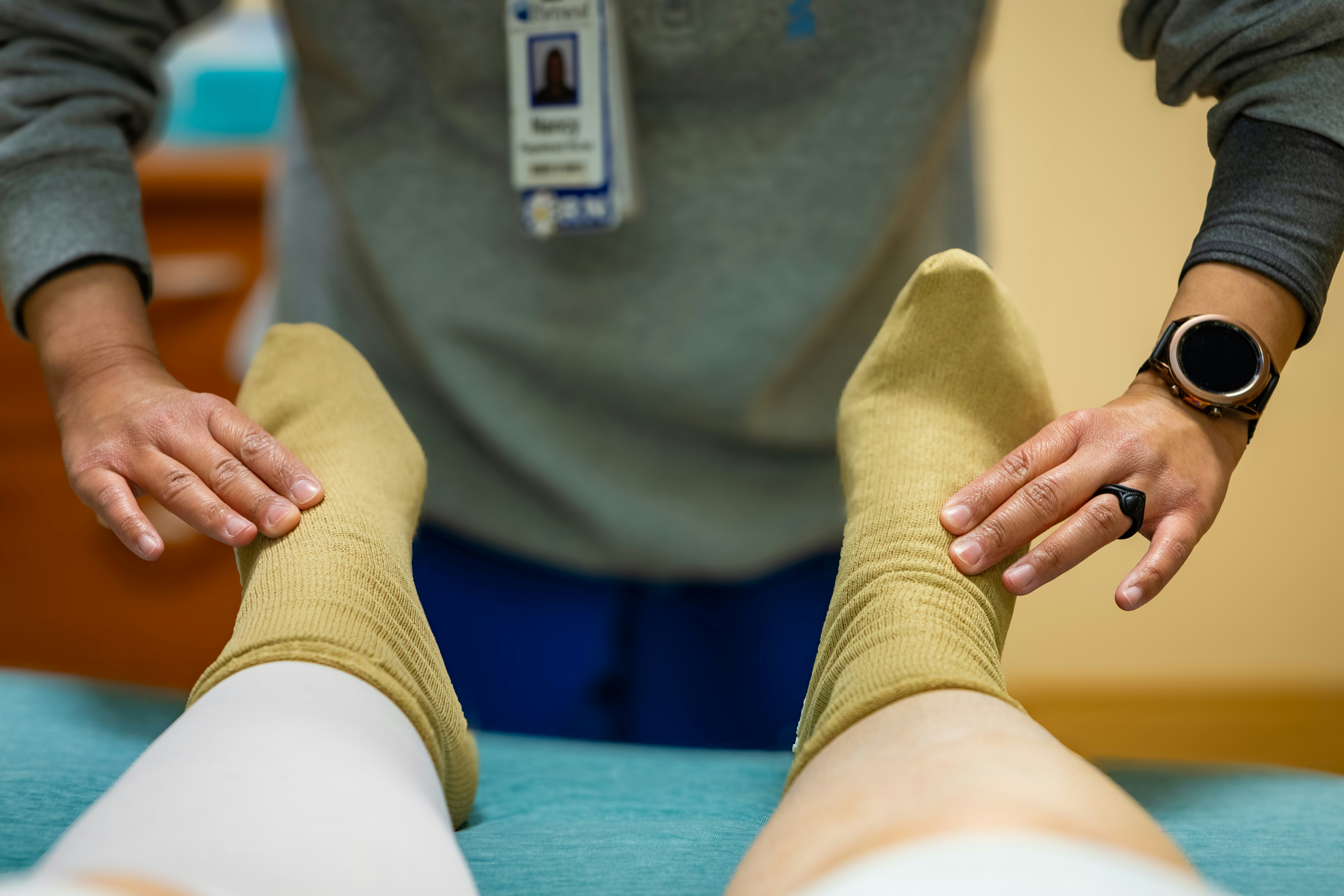
To locate a specialist, try a combination of methods:
- Online Searches: Search clinics that list pelvic floor or women’s health expertise and review service descriptions. Many clinics provide detailed information about their approach and therapist qualifications online.
- Referrals: Ask your gynecologist or primary care provider for recommendations; many refer to experienced pelvic health therapists. Providers familiar with your medical history can guide you to therapists who specialize in endometriosis care.
- Support Groups: Local or online endometriosis communities can share firsthand clinic suggestions and experiences. These groups often provide valuable insights into the quality of care and therapist communication.
When searching, consider the clinic’s accessibility, insurance acceptance, and whether they offer telehealth options for ongoing support. Scheduling a consultation can help determine if the therapist’s approach aligns with your needs.
What Should You Look for in a Local Endometriosis Treatment Physical Therapist?
Key qualifications and qualities to consider:
- Specialization: Experience treating endometriosis or chronic pelvic pain with pelvic floor therapy. Therapists with specialized training understand the complexities of endometriosis and can tailor treatments accordingly.
- Credentials: Valid licensure and additional training or certifications in women’s health or pelvic rehab. Certifications such as the Pelvic Rehabilitation Practitioner (PRPC) credential indicate advanced expertise.
- Patient Reviews: Testimonials that reflect communication, individualized plans, and measurable progress. Positive feedback about therapist empathy and responsiveness is also important.
Choosing a therapist with relevant experience helps ensure holistic, informed care. It is beneficial to find someone who collaborates with your broader healthcare team to provide integrated support.
Are There Specialized Clinics Offering Pelvic Floor Therapy for Endometriosis?
Yes. Many specialty centers combine pelvic floor therapy with complementary services pain management, nutrition counseling, and behavioral health, so care is coordinated and tailored to your needs and medical history. These multidisciplinary clinics often provide a comprehensive approach that addresses physical, emotional, and lifestyle factors contributing to endometriosis symptoms.
Such centers may also offer advanced diagnostic tools and access to clinical trials or emerging therapies. Coordinated care helps optimize outcomes and supports patients through the complexities of managing a chronic condition.
What Are the Benefits of Physical Therapy for Endometriosis Pain Relief?

Physical therapy offers practical benefits, including:
- Pain Reduction: Focused interventions can lessen muscle‑related and referred pain. By addressing the underlying musculoskeletal contributors, therapy helps break the cycle of chronic pain and inflammation.
- Improved Mobility: Therapy restores movement and function to ease daily tasks. Enhanced flexibility and strength reduce stiffness and improve posture, which can alleviate secondary discomfort.
- Better Quality of Life: Reduced pain and improved function support work, relationships, and activities. Patients often experience increased energy and a greater sense of control over their health.
When added to a broader treatment plan, therapy can produce measurable improvements in symptoms and daily life. The holistic nature of physical therapy also supports mental and emotional well-being, which are often impacted by chronic pain conditions.
How Does Physical Therapy Improve Quality of Life for Endometriosis Patients?
Therapy addresses physical contributors to pain and teaches strategies to reduce symptom burden. Many patients report greater confidence, increased activity, and improved mood and social engagement after treatment. The empowerment gained through education and self-management techniques helps patients navigate flare-ups more effectively and maintain a more active lifestyle.
Physical therapy also fosters a supportive therapeutic relationship, which can alleviate feelings of isolation and frustration commonly experienced by those with endometriosis. This comprehensive support contributes to overall life satisfaction and resilience.
What Results Can You Expect from Consistent Endometriosis Physical Therapy?
Progress varies. Some people notice improvement within weeks; others improve steadily over months. With consistent sessions and home strategies, patients often achieve sustained reductions in pain and gains in pelvic strength and function. The gradual nature of recovery emphasizes the importance of patience and adherence to the prescribed program.
Therapists regularly reassess progress and adjust treatment plans to optimize outcomes. Many patients find that combining physical therapy with other modalities, such as medication or counseling, enhances their overall response.
How to Prepare for Your First Visit to an Endometriosis Physical Therapist?

To make the first appointment productive:
- Bring Medical Records: Imaging, surgical reports, or provider notes. Having comprehensive documentation helps the therapist understand your history and tailor the evaluation.
- List Your Symptoms: When pain occurs, triggers, relievers, and daily impact. Detailed symptom tracking provides valuable insight into patterns and potential treatment targets.
- Set Goals: Specific outcomes you want, such as less pain or better exercise tolerance. Clear goals guide therapy and help measure success.
Preparing questions and concerns in advance can also facilitate open communication and ensure your priorities are addressed during the session.
What Questions Should You Ask Your Endometriosis Specialist Physical Therapist?
Useful questions include:
- What is your experience treating endometriosis and chronic pelvic pain? Understanding the therapist’s background helps build trust.
- Which techniques do you recommend for my symptoms and why? This clarifies the rationale behind the treatment plan.
- How long before I might notice improvement, and how will we measure progress? Setting expectations supports motivation and adherence.
Additional questions might cover home exercise recommendations, strategies for managing flare-ups, and how therapy integrates with other treatments you are receiving.
What Should You Expect During Your Initial Physical Therapy Session?
The first visit typically includes a medical history review, an assessment of mobility and muscle function, and a discussion of your goals and treatment plan. This evaluation helps identify pelvic floor issues such as muscle spasms or trigger points. Posture, gait, and breathing patterns may also be assessed to better understand factors contributing to your pain.
Based on the findings, the therapist will outline a personalized plan and begin building a collaborative path toward recovery.
Endometriosis physical therapy often includes:
- Manual therapy – Hands-on techniques to release tight tissue and improve mobility.
- Therapeutic exercises – Targeted movements to strengthen pelvic floor coordination and core support.
- Education – Guidance on posture, pacing, and self-management strategies.
Common benefits include:
- Pain reduction
- Improved mobility
- Better daily comfort and function
Working with a local endometriosis physical therapy clinic can help restore function and improve quality of life through consistent, personalized care.
Frequently Asked Questions
What should I expect in terms of duration and frequency of physical therapy sessions for endometriosis?
Most sessions run 45–60 minutes. Many people start once or twice weekly, then taper as they improve; your therapist will tailor the schedule to your goals and response. The total length of therapy varies depending on symptom severity and individual progress, with some patients benefiting from ongoing maintenance sessions.
Can physical therapy help with emotional aspects of living with endometriosis?
Yes. By reducing pain and teaching coping and pacing strategies, therapy often improves mood, sleep, and confidence. The supportive environment and education provided can also reduce anxiety related to chronic pain and enhance overall mental health.
Are there any risks or side effects associated with endometriosis physical therapy?
Therapy is generally safe. Temporary soreness after manual work or new exercises can occur, communicate changes so the therapist can adjust care. Coordinate with your medical team if you have recent surgery or complex conditions. Therapists take care to customize treatments to minimize discomfort and ensure safety.
How can I integrate physical therapy with other treatments for endometriosis?
Physical therapy complements medications, surgery, nutrition, and pain management. Share your full treatment plan so the therapist can align exercises and manual techniques with other care. This integrated approach helps optimize symptom control and supports overall health.
What role does patient education play in endometriosis physical therapy?
Education is central: posture, movement, and breathing changes can reduce pain. Therapists teach self‑care, activity modifications, and home exercises to extend clinic gains. Understanding your body and how to manage symptoms empowers you to maintain improvements long-term.
How can I assess the effectiveness of my physical therapy for endometriosis?
Track pain intensity, flare frequency, mobility, and ability to do valued activities. Keep a symptom journal, set measurable goals, and review progress with your therapist to adjust the plan. Regular feedback ensures therapy remains aligned with your evolving needs.
Conclusion
Specialized pelvic physical therapy is an evidence‑informed option for managing endometriosis‑related pain and improving function. With an experienced therapist and a tailored plan, many people achieve meaningful pain reduction and better quality of life. Begin by researching local specialists, seeking referrals, and preparing for a thorough initial assessment. Taking an active role in your care through physical therapy can be a transformative step toward regaining comfort and control over your daily life.