

Endometriosis can continue to impact women even after menopause, or even appear for the first time. Understanding postmenopausal endometriosis is crucial for an accurate diagnosis and for receiving safe, effective care. This guide will walk you through how endometriosis presents after menopause, how our expert clinicians evaluate suspected cases with advanced imaging and laparoscopy, and what treatment options are available to you. These options range from definitive excision surgery—our gold standard—to personalized hormone replacement therapy (HRT) counseling and non-hormonal support. For those seeking specialized surgical care, the Endometriosis Center of Excellence, led by board-certified specialist Dr. Rachael Ann Haverland (trained at the renowned Mayo Clinic), is dedicated to providing personalized, multidisciplinary management with a strong emphasis on gold-standard excision and minimally invasive techniques. This article covers symptoms, diagnostic strategies, why excision is often preferred for postmenopausal patients, nuanced HRT decisions, adjunctive non-hormonal therapies, important cancer risk considerations, and long-term strategies for improving your quality of life. We’ve integrated practical lists, clear comparison tables, and real-world context to empower both women and their healthcare providers to make informed, safe decisions about postmenopausal endometriosis.
What Are the Common Symptoms of Endometriosis After Menopause?

For women after menopause, endometriosis most often shows up as persistent pelvic pain, ongoing abdominal or pelvic discomfort that isn’t tied to your cycle, and symptoms caused by deep infiltrating lesions affecting your bowel or bladder. These lesions can lead to localized nerve pain or a dull ache that doesn’t follow menstrual patterns, which is a key clue for diagnosis in postmenopausal women. Recognizing these symptom patterns helps us prioritize advanced imaging and specialist referral, as older patients may experience mass effects or less typical presentations. The following sections will explore specific pain patterns, how bowel and bladder issues can manifest, and the possibility of new endometriosis developing after menopause.
Common symptoms you might experience include:
- Persistent pelvic pain that is constant or changes with position, and is not linked to menstrual cycles.
- Pain with bowel movements, constipation, or new obstructive symptoms that could suggest deep infiltrating disease.
- Urinary urgency, frequent urination, or pelvic pressure when the bladder is involved.
- New vaginal bleeding or an adnexal mass found during an exam or on imaging.
If you experience these symptom patterns, it’s important to seek targeted imaging and a specialist evaluation. This helps us differentiate endometriosis from similar conditions like IBS, interstitial cystitis, or pelvic floor dysfunction. Early recognition and appropriate referral significantly improve your chances for a definitive diagnosis and effective treatment, helping you find relief sooner.
Which Pelvic Pain Patterns Suggest Endometriosis After Menopause?
Pelvic pain in postmenopausal endometriosis can be inflammatory, neuropathic (nerve-related), or mechanical. Pain localized to one side or deep pain during intercourse might suggest specific lesions. Inflammatory pain often feels like a constant ache with occasional sharp flares, while nerve pain can cause burning or electric sensations that radiate to the groin or thigh. Mechanical pain, which comes from adhesions or mass effect, may worsen with activity or bowel movements. Recognizing these distinct pain types helps guide us toward the right imaging and potential laparoscopic evaluation, rather than simply managing symptoms without a clear diagnosis.
How Do Bowel and Bladder Symptoms Appear in Postmenopausal Women?
Deep infiltrating endometriosis lesions that affect the rectum, sigmoid colon, or bladder often lead to painful bowel movements, constipation, a feeling of incomplete emptying (tenesmus), or urinary frequency and discomfort. These symptoms can often overlap with conditions like IBS and interstitial cystitis. Our clinicians use careful pattern recognition—such as symptoms worsening with a pelvic exam or positional changes, and association with focal tenderness—to raise suspicion for endometriosis. Red flags that prompt expedited imaging or surgical consultation include unexplained weight loss, progressively worsening bowel obstruction symptoms, or a palpable pelvic mass. Distinguishing between gastrointestinal and urologic sources is a vital step in creating a comprehensive, multidisciplinary treatment plan for you.
Can Endometriosis Develop for the First Time After Menopause?
While it’s commonly thought that endometriosis improves after ovarian function declines, new or persistent lesions can indeed occur after menopause. This can happen due to peripheral aromatization (the body’s ability to produce estrogen outside the ovaries), residual estrogen production, or previously undiagnosed disease. Current research shows that a minority of women experience persistent or new lesions during the postmenopausal period. Local aromatase activity within the lesions and the conversion of androgens to estrogen in fat tissue can sustain disease activity. Additionally, using exogenous estrogen (HRT) can stimulate any remaining disease if not managed with careful consideration. Understanding these mechanisms is key to making informed decisions about HRT selection and ongoing monitoring, which we’ll discuss in later sections.
How Is Endometriosis Diagnosed After Menopause?

Diagnosing endometriosis begins with a thorough clinical assessment and targeted imaging. This is followed by a laparoscopic evaluation if imaging or your symptoms suggest deep disease, a mass, or potential malignancy. The effectiveness of imaging varies: transvaginal ultrasound is excellent for detecting ovarian endometriomas, while pelvic MRI provides superior detail for deep infiltrating endometriosis and its involvement with the bowel or bladder. Because older patients can present with atypical symptoms, our clinicians maintain a low threshold for recommending MRI or surgical evaluation when initial results are unclear. The following sections will review the imaging tools we use, when laparoscopy is recommended, and the unique diagnostic challenges in older women.
Here’s our practical, step-by-step approach to diagnosis:
- We start with a detailed review of your medical history and a pelvic examination to pinpoint tenderness and identify any masses.
- We then perform a transvaginal ultrasound for suspected adnexal masses and consider a pelvic MRI if deep infiltrating disease is suspected.
- If imaging is suspicious or your symptoms persist, we proceed to diagnostic laparoscopy, which allows for direct visualization and the opportunity for excision or biopsy.
This carefully staged pathway balances noninvasive assessment with the crucial need for histologic confirmation and therapeutic excision when indicated, especially given the important cancer-risk considerations for postmenopausal lesions. Our goal is always to provide you with the most accurate diagnosis and the safest, most effective path forward.
What Imaging Tests Do We Use for Diagnosis After Menopause?
Transvaginal ultrasonography (TVUS) is our first-line imaging choice for suspected ovarian endometrioma, as it clearly shows characteristic cystic features. For deep infiltrating endometriosis and to map any involvement of the bowel or bladder, pelvic MRI offers superior contrast and detail. Cross-sectional imaging can also help us identify any suspicious solid components within a mass that might raise concern for malignant transformation, guiding our surgical planning. While CT has a more limited role, it can be useful for a broader abdominal assessment if malignancy or bowel obstruction is suspected. We carefully choose the most appropriate imaging modality based on your specific clinical questions and examination findings to ensure the most accurate diagnosis.
When Do We Recommend Laparoscopic Surgery for a Definitive Diagnosis?
Laparoscopy is recommended when persistent pain, a suspicious mass, or conservative therapies that haven’t worked warrant a definitive histologic confirmation and potential therapeutic excision. For postmenopausal patients, any adnexal mass, worsening symptoms, or imaging features that suggest solid components should prompt a lower threshold for operative assessment to rule out malignancy. Laparoscopy provides both diagnostic visualization and the crucial opportunity for complete excision of lesions, which is especially important for older patients where pathology findings can significantly alter management. Our perioperative planning always includes multidisciplinary input when bowel or bladder resection might be necessary, ensuring the most comprehensive care for you.
What Challenges Can Arise When Diagnosing Endometriosis in Older Women?
Diagnosing endometriosis in older women can be complex due to symptom overlap with other conditions like IBS, diverticular disease, interstitial cystitis, pelvic floor dysfunction, and even gynecologic malignancies. Atypical, non-cyclic pain and the presence of multiple other health conditions can unfortunately lead to misdiagnosis or delayed referral to a specialist. Our clinicians carefully integrate imaging, focused examinations, and a thorough consideration of cancer risk to determine when to proceed with laparoscopy. Seeking a specialist evaluation from a surgeon experienced in excision and supported by a multidisciplinary team significantly improves diagnostic accuracy and ensures a well-planned treatment path for you.
Why Is Excision Surgery Considered the Gold Standard Treatment for Endometriosis After Menopause?
Excision surgery is recognized as the gold standard for treating postmenopausal endometriosis because it allows for the complete removal of lesions, significantly reduces the chance of recurrence, and provides essential tissue for histologic evaluation to rule out any malignant transformation. Complete surgical excision directly addresses the sources of your pain, reduces the local estrogen-producing activity of the lesions, and enables precise management of deep infiltrating disease. Our minimally invasive approaches further reduce discomfort and shorten recovery times, offering better long-term functional outcomes for our older patients. Below, we’ll compare surgical options and describe the clinical benefits, the importance of surgeon expertise, and the typical patient outcomes you can expect after excision.
To help you understand your options, the following table objectively compares excision, ablation, and conservative management based on key factors relevant to postmenopausal patients.
This comparison clearly shows why excision is our preferred approach when definitive diagnosis, effective symptom control, and careful cancer-risk evaluation are top priorities. The ability to send tissue for pathology is especially critical for our postmenopausal patients, ensuring the most thorough and safe care.
What Are the Benefits of Minimally Invasive Excision Surgery?
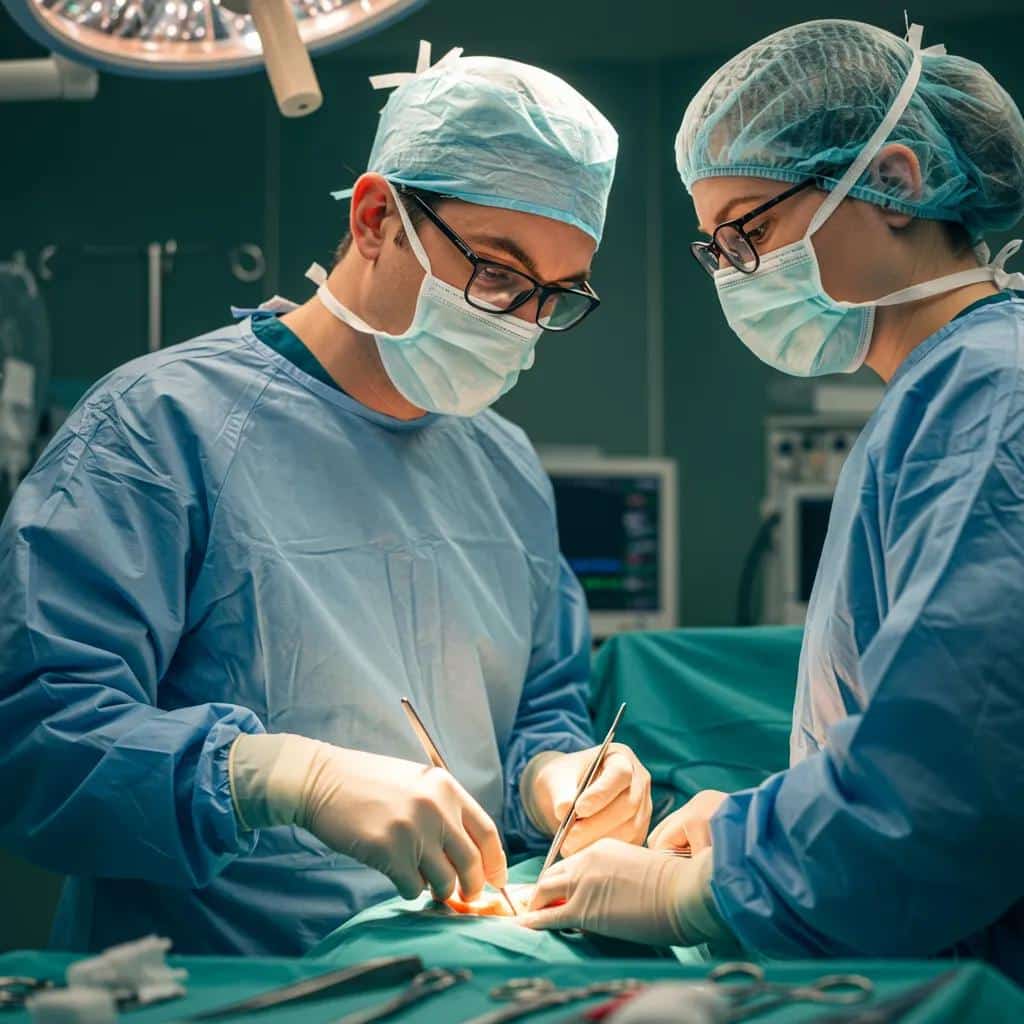
Minimally invasive excision surgery offers exceptional visualization of your pelvic anatomy, allowing for the meticulous removal of endometriotic tissue while preserving healthy structures. This leads to significantly improved pain relief and better functional outcomes for you. Compared to open surgery, you can expect reduced blood loss, shorter hospital stays, and a faster recovery, which is particularly beneficial for older patients with other health considerations. Precision excision also lowers the risk of recurrence and makes it easier to perform a thorough histologic assessment for any potential malignant transformation. Our perioperative coordination with colorectal or urologic specialists further enhances outcomes when multiple organs are involved, ensuring you receive comprehensive and integrated care.
How Does Dr. Rachael Haverland’s Expertise Enhance Surgical Success?
Dr. Rachael Ann Haverland’s extensive training at the Mayo Clinic and her board-certified specialization are key to exceptional surgical outcomes. Her expertise is reflected in her advanced techniques, meticulous attention to anatomic detail, and seamless multidisciplinary coordination for even the most complex cases. A surgeon’s experience with minimally invasive excision directly impacts the completeness of lesion removal and lowers complication rates, leading to better long-term symptom relief for you. At our specialty center, experienced surgeons like Dr. Haverland collaborate closely with colorectal and urology colleagues when deep disease involves other organs, optimizing both perioperative planning and your recovery. Patients truly benefit from this integrated expertise through individualized operative strategies and clear, realistic expectations for their outcomes.
What Are Patient Success Stories After Excision Surgery?
Many of our postmenopausal patients experience a remarkable reduction in pelvic pain, improved bowel and bladder function, and a renewed ability to enjoy daily activities after complete excision of their lesions. Typically, patients begin to feel symptom improvement within weeks, with progressive functional gains over several months as inflammation resolves and adhesions heal. Our clinic outcomes consistently show decreased reliance on pain medication and significant improvements in quality-of-life metrics following focused excision performed by our experienced team. If you are considering surgery, we encourage you to discuss your individualized expectations, the potential need for multidisciplinary input, and our follow-up plans to monitor for recurrence or any pathology-driven management. We are here to help you reclaim your life, free from pain and discomfort.
What Are the Risks and Benefits of Hormone Replacement Therapy for Women with Endometriosis After Menopause?
Hormone replacement therapy (HRT) can be a wonderful solution for relieving menopausal symptoms like hot flashes and genitourinary discomfort. However, for women with a history of endometriosis, it’s crucial to carefully balance these benefits against the risk of reactivating any residual endometriotic tissue and potential cancer implications. Unopposed systemic estrogen might stimulate leftover lesions, while combined estrogen-progestogen regimens generally help reduce this reactivation risk. We believe in individualized HRT counseling, thorough risk assessment, and close monitoring. Our multidisciplinary input helps us tailor therapy specifically for you, especially if you have a history of endometriosis. The table below compares common HRT approaches, considering recurrence risk, cancer implications, symptom benefits, and necessary monitoring.
This comparison helps clarify why we often prefer combined regimens or local therapy when appropriate, and it underscores the importance of making individualized decisions with expert input from our specialists.
Can HRT Reactivate or Worsen Endometriosis Symptoms?
Yes, it’s possible. Unopposed systemic estrogen can stimulate any remaining endometriotic tissue through estrogen receptor pathways and local aromatase activity, potentially worsening your pain or encouraging lesion growth. While clinical estimates suggest that only a minority of women experience symptom reactivation with HRT, the risk is real and is influenced by the extent of your prior disease and whether progestogen coverage is included. For women who have undergone prior excision and have no residual lesions visible on imaging, the absolute risk may be lower, but it still warrants careful monitoring. A clear and open discussion of both the benefits and risks is absolutely necessary when considering HRT after endometriosis, and we are here to guide you through that conversation.
Which HRT Regimens Are Safer for Women with a History of Endometriosis?
To minimize the stimulation of any residual endometriotic tissue, we generally prefer combined estrogen-progestogen regimens, continuous progestogen coverage, or the use of local vaginal estrogen for genitourinary symptoms. The best choice between systemic combined therapy and localized preparations depends on your specific symptom burden, the severity of your prior disease, and your individual cancer risk factors. Regular follow-up, including symptom assessment and imaging when indicated, is an integral part of your personalized monitoring plan. At our specialty center, our multidisciplinary HRT counseling helps ensure that your menopausal symptom control aligns perfectly with safe surveillance strategies, giving you peace of mind.
How Does HRT Impact Cancer Risk in Postmenopausal Endometriosis?
It’s important to know that endometriotic lesions carry a small but real potential for malignant transformation. Current estimates suggest this occurs in approximately 1–3% of selected populations, particularly when atypical features are present. Unopposed estrogen may increase the risk of endometrial proliferation and has been linked to certain ovarian cancer subtypes in observational data. Therefore, vigilant surveillance through imaging for new masses, timely surgical evaluation of any suspicious findings, and histologic examination remain central to mitigating risk when HRT is used. We believe in shared decision-making, and these surveillance plans will be a key part of our discussion with you.
What Non-Hormonal and Adjunctive Treatments Help Manage Endometriosis Symptoms After Menopause?
Non-hormonal and adjunctive therapies play a vital role for women who cannot, or prefer not to, use systemic hormones. These treatments also beautifully complement surgical management, helping to optimize your pain control and overall function. Pelvic floor physical therapy can address myofascial contributions to pelvic pain, while lifestyle changes can reduce systemic inflammation and enhance your overall well-being. Additionally, a range of non-opioid pharmacologic strategies can effectively modulate nerve-related and inflammatory pain. Below, you’ll find a practical comparison of common adjuncts to help guide your individualized treatment plan.
This table clarifies the mechanisms behind these therapies and helps our clinicians and patients choose complementary approaches based on your specific symptoms and goals.
Common adjunctive options we offer include:
- Pelvic floor physical therapy, specifically targeting trigger points and improving coordination.
- Neuropathic agents or SNRIs for centralized pain processing and to help with mood.
- Anti-inflammatory lifestyle measures, such as diet, exercise, and optimizing sleep, to reduce your overall symptom burden.
By integrating these therapies with surgical or hormonal care, we create a comprehensive, multimodal plan that addresses both the direct pain signals and the broader contributors to chronic pelvic pain. The next section will delve deeper into pelvic floor therapy and practical lifestyle steps you can take.
How Does Pelvic Floor Physical Therapy Help Alleviate Pain?
Pelvic floor physical therapy effectively treats pelvic myofascial dysfunction through manual therapy, biofeedback, relaxation training, and personalized home exercises. This approach works to reduce muscle spasm and improve neuromuscular control. For many women, addressing pelvic floor tightness significantly decreases baseline pain and enhances tolerance for daily activities and sexual function. Our collaboration between therapists and surgical or medical teams ensures that your therapy perfectly complements other treatments and addresses any referred pain patterns. You can typically expect to see benefits emerge over weeks to months with consistent therapy and adherence to your home program, helping you regain comfort and control.
What Lifestyle Changes Can Support Symptom Relief After Menopause?
Embracing anti-inflammatory dietary patterns, maintaining a healthy weight, engaging in regular low-impact exercise, and prioritizing both sleep and stress reduction can collectively lower systemic inflammation and improve your pain thresholds. Consider adopting a Mediterranean-style diet, incorporating gentle aerobic and pelvic mobility exercises, and practicing stress-management techniques like mindfulness or cognitive behavioral strategies. These interventions not only support symptom relief but also contribute to your overall cardiovascular and metabolic health, which is especially important for postmenopausal women. Lifestyle modification is a low-risk, powerful adjunct that truly amplifies the benefits of your medical and surgical care, empowering you to feel your best.
Which Pain Management Strategies Are Effective Without Hormones?
For chronic pelvic pain, non-hormonal pharmacologic options include NSAIDs for inflammatory flares, neuropathic agents (like gabapentin or pregabalin) or SNRIs for centralized pain, and topical or procedural interventions for cases that are more resistant to treatment. Interventional approaches such as nerve blocks or neuromodulation may be considered when conservative measures haven’t provided enough relief, and always after a thorough specialist assessment. We find that multimodal plans, which combine medication, physical therapy, and behavioral strategies, yield the best outcomes and can help reduce reliance on opioids. Our ongoing reassessment ensures that your treatment is continuously tailored to your evolving symptom patterns, providing you with the most effective and personalized relief.
What Are the Cancer Risks Associated with Endometriosis After Menopause?

It’s essential to recognize that endometriosis is associated with a small but real increased risk of certain malignancies. For our postmenopausal patients, vigilance for malignant transformation is absolutely critical. Estimates suggest that malignant transformation of endometriotic lesions occurs in approximately 1–3% of cases, as reported in specific studies. Associations are most commonly described for the ovarian clear cell and endometrioid subtypes. Early detection through advanced imaging, timely surgical evaluation, and histopathology are the cornerstones of our risk mitigation strategy. The following sections will quantify this transformation risk, list the associated cancers, and outline our comprehensive monitoring strategies to keep you safe and informed.
Key cancer-risk considerations we want you to be aware of:
- Malignant transformation is uncommon, but it is clinically significant in postmenopausal lesions.
- Ovarian cancers of clear cell and endometrioid histology show the strongest epidemiologic link to endometriosis.
- Prompt evaluation of rapid lesion growth, new bleeding, or suspicious imaging features is essential for early diagnosis.
These principles guide our decisions regarding excision versus watchful waiting and underscore our recommendation for histologic assessment whenever masses are present, ensuring your safety and peace of mind.
How Common Is Malignant Transformation in Postmenopausal Endometriosis?
Malignant transformation is rare, with combined estimates in medical literature suggesting it occurs in approximately 1–3% of patients with long-standing disease or specific lesion characteristics. However, the exact risk can vary depending on the study and methodology. Clinically, if you experience rapid enlargement of a mass, new postmenopausal bleeding, or the development of solid components on imaging, these are concerns that would prompt an immediate surgical evaluation. Histologic confirmation after excision provides a definitive diagnosis and guides any necessary oncologic referral. Therefore, we maintain a high level of vigilance and a low threshold for investigating any suspicious features, always prioritizing your health and safety.
What Types of Cancer Are Women with Endometriosis at Increased Risk For?
Epidemiologic studies indicate a higher association between endometriosis and certain ovarian cancer subtypes, particularly clear cell and endometrioid carcinomas. There are also potential links to endometrial pathology in specific cases. These associations likely stem from shared pathways involving chronic inflammation, hormonal influences, and local cellular transformation within endometriotic implants. Recognizing these specific cancer types helps us focus our surveillance efforts on adnexal masses and any atypical imaging findings. Understanding these specific risks influences both the urgency of surgical intervention and the thoroughness of pathologic assessment, ensuring you receive the most precise and proactive care.
How Can Early Detection and Monitoring Help Reduce Cancer Risks?
Early detection is paramount and relies on periodic imaging for any suspicious adnexal masses, prompt evaluation of new symptoms, and the strategic use of CA-125, while always being mindful of its limitations. We recommend surgical intervention if there’s rapid growth, new solid components on imaging, or unexplained postmenopausal bleeding. When surgery is performed, excision with thorough histologic analysis allows for early oncologic referral if any malignant features are found. Our multidisciplinary coordination ensures timely decision-making and minimizes any delays between detection and definitive treatment, providing you with the most proactive and reassuring care possible.
How Can Women Improve Their Quality of Life After Endometriosis Treatment in Menopause?
Restoring your function, emotional well-being, and sexual health after treatment requires a commitment to long-term follow-up, comprehensive multidisciplinary care, and targeted support services. Our coordinated teams, which include specialists in gynecology, colorectal surgery, urology, pelvic floor physical therapy, pain management, and mental health, work together to optimize your outcomes and address the complex challenges that can arise from chronic pelvic pain. Practical strategies we offer include carefully graded return-to-activity plans, sexual rehabilitation, and psychological support to help you navigate the emotional burden of chronic illness. Below, you’ll find resources and approaches designed to help you rebuild your quality of life after treatment, empowering you to thrive.
Supportive measures that significantly improve your recovery include:
- Structured pelvic rehabilitation and carefully graded exercise programs.
- Access to pain psychology, cognitive behavioral therapy, or peer support to help address emotional distress.
- Scheduled follow-up with our multidisciplinary team to monitor for recurrence and track your functional progress.
These components form a comprehensive, personalized plan that balances ongoing surveillance with essential rehabilitation and psychosocial care, guiding you toward a life of greater comfort and well-being.
What Emotional and Psychological Support Is Available?
We understand that living with chronic pain can take an emotional toll. That’s why we offer a range of emotional support options, including pain-focused psychotherapy, cognitive behavioral therapy to help you reframe pain coping strategies, and peer support groups where you can connect with others, normalize your experiences, and share practical tips. Our pain psychology approach integrates behavioral change, relaxation techniques, and multidisciplinary coordination to address central sensitization and any mood symptoms linked to chronic pain. Virtual resources can expand access to these vital services, and their integration into our clinical care pathways ensures timely referrals. Addressing your psychological health is absolutely essential for improving your participation in rehabilitation and enhancing your overall quality of life, helping you feel truly supported on your journey.
How Important Is Long-Term Follow-Up and Multidisciplinary Care?
Long-term follow-up is absolutely essential for detecting any recurrence, monitoring for potential malignant transformation, and coordinating care for any bowel, bladder, and sexual function issues that might persist after treatment. Our multidisciplinary teams streamline referrals, enable combined operative planning, and support rehabilitative services, all of which significantly improve your functional outcomes and overall satisfaction. Through scheduled assessments, careful symptom tracking, and proactive management of any co-occurring pelvic floor or bowel conditions, we reduce the risk of fragmented care. This continuity with our specialist team ensures your individualized surveillance and rehabilitation plans are consistently supported, empowering you to maintain your well-being for years to come.
Why Choose the Endometriosis Center of Excellence for Postmenopausal Endometriosis Care?
At the Endometriosis Center of Excellence, we are deeply committed to a personalized, multidisciplinary approach. Our care is centered on the expertise of our board-certified specialist, Dr. Rachael Ann Haverland, who brings Mayo Clinic training and a focus on gold-standard excision surgery and minimally invasive techniques. This unique model combines surgical mastery with coordinated perioperative care, comprehensive pelvic floor rehabilitation, and individualized HRT counseling to address both the physical and emotional aspects of your endometriosis journey. Patients seeking a focused evaluation for postmenopausal endometriosis will find an integrated assessment, evidence-informed treatment planning, and a warm invitation to discuss individualized care and follow-up with our dedicated team. We are here to listen, understand, and provide the exceptional care you deserve.
For women carefully considering their treatment options, discussing your goals, prior treatments, imaging findings, and menopausal symptom burden with a specialist is key to creating a tailored plan that perfectly balances symptom control and safety. The Endometriosis Center of Excellence’s unwavering emphasis on excision, minimally invasive techniques, and comprehensive multidisciplinary follow-up ensures evidence-based decisions and exceptional quality-of-life outcomes for our postmenopausal patients. We are here to help you find hope and lasting relief.
Frequently Asked Questions
What lifestyle modifications can help manage postmenopausal endometriosis symptoms?
Adopting a healthy lifestyle can significantly alleviate symptoms of postmenopausal endometriosis. We encourage you to focus on an anti-inflammatory diet, such as the Mediterranean diet, which is rich in fruits, vegetables, whole grains, and healthy fats. Regular low-impact exercise, like walking or swimming, can greatly improve your overall well-being and reduce pain. Additionally, prioritizing restful sleep and practicing stress management techniques, such as mindfulness or yoga, can enhance your resilience against chronic pain. These changes not only support symptom relief but also promote better cardiovascular and metabolic health, empowering you to feel your best.
How can pelvic floor physical therapy assist women with endometriosis?
Pelvic floor physical therapy is a highly effective treatment for women with endometriosis, especially for those experiencing persistent pelvic pain. This therapy focuses on gentle manual techniques to release muscle tension, improve neuromuscular control, and enhance overall pelvic floor function. By addressing myofascial dysfunction, it can significantly reduce pain and improve sexual function. Regular sessions, combined with a personalized home exercise program, can lead to remarkable improvements in pain management and your overall quality of life. Our collaboration with your healthcare providers ensures that this therapy perfectly complements your other treatments, providing comprehensive relief.
What role does emotional support play in managing endometriosis?
Emotional support is absolutely crucial for women navigating the chronic pain and challenges of endometriosis. Access to pain-focused psychotherapy, cognitive behavioral therapy, and peer support groups can provide invaluable tools to help you cope with the emotional burden of your condition. These resources offer strategies for managing pain, improving coping mechanisms, and fostering a vital sense of community. Integrating psychological support into your treatment plan enhances your overall well-being and encourages active participation in rehabilitation, ultimately leading to better health outcomes and a more fulfilling life.
What are the potential risks of hormone replacement therapy (HRT) for women with endometriosis?
While hormone replacement therapy (HRT) can be very effective in alleviating menopausal symptoms, it does carry specific considerations for women with a history of endometriosis. Unopposed systemic estrogen may reactivate any residual endometriotic tissue, potentially worsening your symptoms or promoting lesion growth. Therefore, careful selection of HRT regimens is essential. Combined estrogen-progestogen therapies are generally preferred to minimize these risks. We believe in regular monitoring and individualized counseling to carefully balance symptom relief with the potential for reactivation of endometriosis, ensuring your safety and comfort.
How can women monitor for cancer risks associated with endometriosis?
For women with endometriosis, particularly after menopause, it’s important to be vigilant about monitoring for potential cancer risks. Regular imaging, such as ultrasounds or MRIs, can help detect any suspicious changes in endometriotic lesions. Symptoms like rapid mass growth, unexplained postmenopausal bleeding, or new solid components on imaging should prompt immediate medical evaluation. Histologic analysis following surgical excision is vital for confirming any malignant transformation. A proactive approach to monitoring, guided by our specialists, can significantly enhance early detection and treatment of potential malignancies, giving you peace of mind.
What are the benefits of a multidisciplinary approach to treating postmenopausal endometriosis?
A multidisciplinary approach to treating postmenopausal endometriosis ensures comprehensive care that truly addresses your complex needs as a patient. This model involves seamless collaboration among gynecologists, colorectal surgeons, urologists, physical therapists, and mental health professionals. Such coordination enhances diagnostic accuracy, optimizes your treatment plans, and significantly improves your functional outcomes. By integrating various specialties, you receive tailored support that addresses both the physical and emotional aspects of your condition, leading to a better overall quality of life and greater satisfaction with your care journey.
Your Path to Relief Starts Here
Understanding the complexities of postmenopausal endometriosis is crucial for effective diagnosis and treatment, ensuring you receive the compassionate care you truly deserve. By exploring various treatment options, including our gold-standard excision surgery and individualized hormone replacement therapy, you can achieve significant improvements in your quality of life. Engaging with a specialized center like the Endometriosis Center of Excellence provides tailored support and expert guidance throughout your entire treatment journey. Take the first empowering step towards reclaiming your health and living pain-free by scheduling a consultation with our experienced team today. We are here to offer you hope and a path to a better life.