
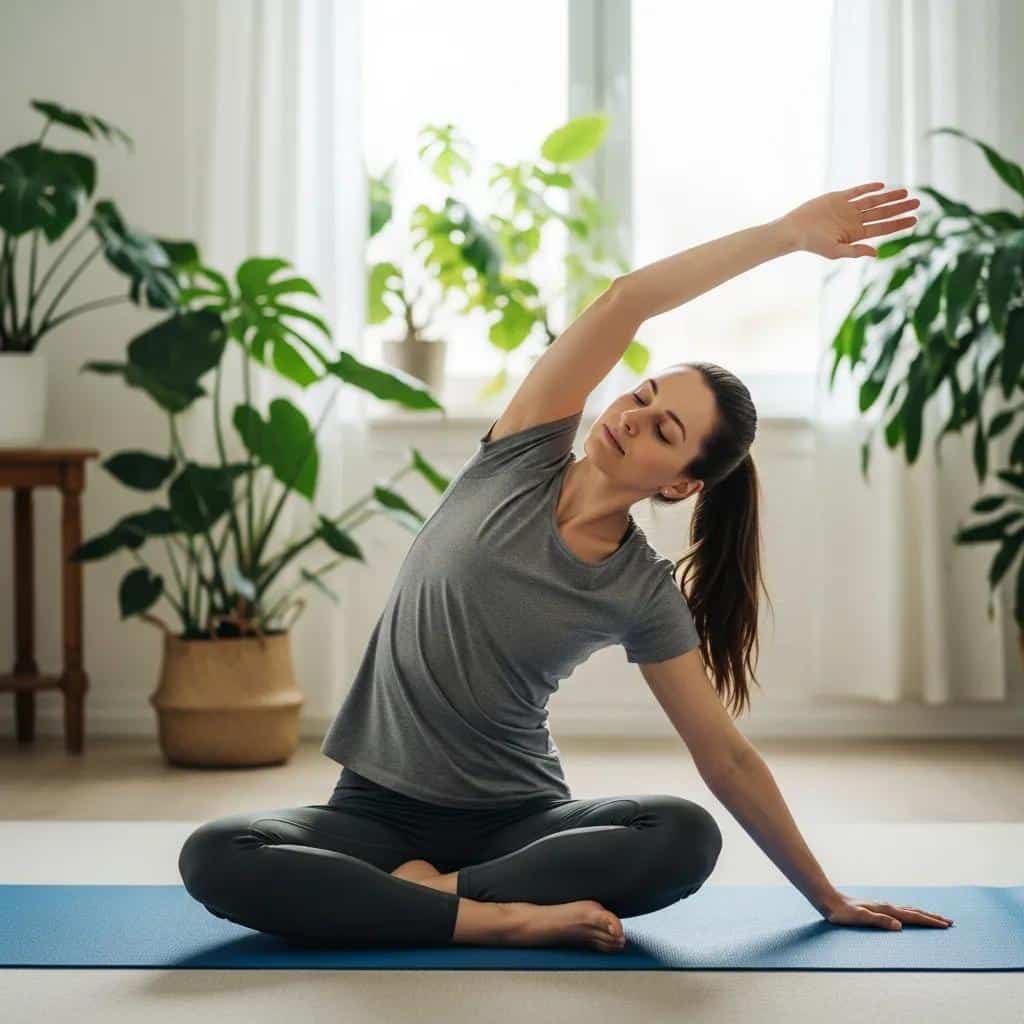
Gentle, well‑paced physical activity can be a valuable part of recovering from endometriosis. Moderate, low‑impact exercise, like walking, swimming, Pilates, and targeted stretching, can improve circulation, pelvic strength, and energy while limiting strain on sensitive tissues. Pair movement with rest, hydration and mindfulness to better manage symptoms. Below we summarize benefits, practical options, and the role of physical therapy within coordinated care.
What Are the Benefits of Movement for Endometriosis Recovery?

Movement can support recovery from endometriosis in several ways:
- Reduce pain and ease symptoms by lowering inflammation.
- Support hormonal balance and lessen persistent fatigue.
- Build pelvic strength without stressing lesions.
- Improve blood flow to support tissue health.
- Complement fertility treatments when part of a broader care plan.
- Boost overall well‑being and mood through manageable activity.
Low‑impact, consistent exercise tailored to the individual is usually most helpful. Individualized guidance helps movement aid healing without worsening symptoms.
How Does Exercise Reduce Endometriosis Pain and Inflammation?
Gentle exercise improves circulation, supports pelvic muscles and can help regulate hormones that influence pain. Low‑impact activities minimize mechanical strain while encouraging endurance and blood flow, which over time may reduce inflammation and support recovery when combined with rest and clinical oversight.
What Role Does Physical Activity Play in Sleep and Emotional Well‑being?
Regular gentle activity can improve sleep and emotional health by lowering pain and stress. Combining movement with relaxation techniques, controlled breathing, mindfulness or progressive muscle relaxation, reduces sympathetic arousal and improves coping.
Which Gentle Exercises Are Effective for Endometriosis Pain Relief?
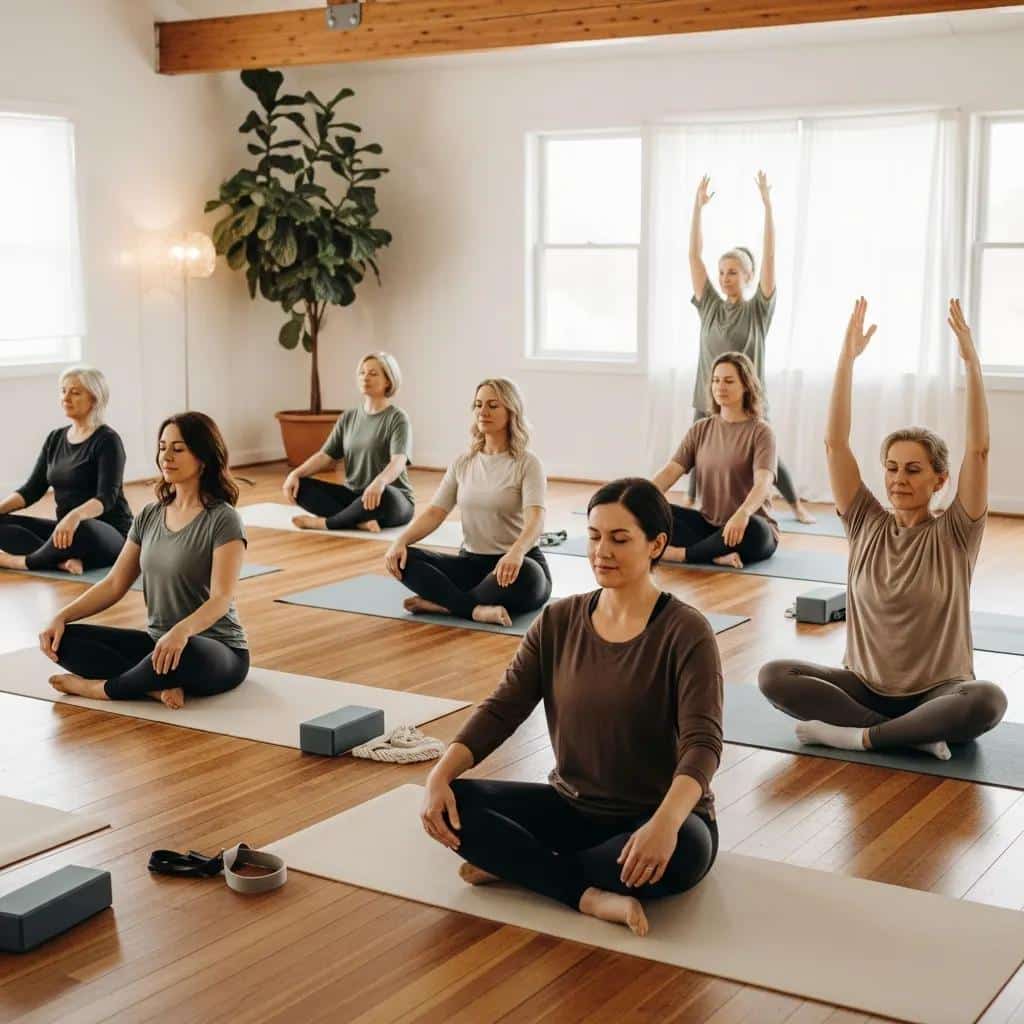
Common gentle exercises many people find helpful include:
- Gentle walking: improves circulation; include short rests to protect the pelvis.
- Swimming: low‑impact, builds strength and endurance without heavy joint load.
- Pilates: targets core and pelvic support; pair sessions with hydration and recovery time.
- Stretching: relieves muscle tension and cramps; follow with relaxation to rebalance nervous system tone.
- Gentle yoga: increases flexibility and may reduce pain intensity; work with an instructor who understands pelvic pain.
Balance activity with rest and adapt intensity to daily symptoms for best results.
Use this table as a starting point and adjust frequency and duration with your care team or therapist to match recovery goals.
What Are the Best Yoga and Stretching Poses for Pelvic Pain?
Restorative poses that open the hips and encourage diaphragmatic breathing, such as Child’s Pose, Cat‑Cow and gentle hip openers, are often helpful. Perform poses slowly and without force, and work with a clinician or instructor familiar with pelvic pain.
How Can Pilates and Aerobic Activities Support Endometriosis Recovery?
Pilates and low‑impact aerobic work improve circulation, strengthen core and pelvic muscles, and reduce deconditioning. Pace activities to symptoms, stay hydrated, rest as needed, and integrate exercise into a broader plan addressing nutrition and stress management.
How Should Movement Be Managed After Endometriosis Excision Surgery?

Postoperative movement is staged to protect healing tissues while preventing stiffness and complications:
- Early Recovery (Days 1–7): Focus on pain control, wound care and very gentle mobilization. Short, frequent walks help circulation and reduce clot risk.
- Intermediate Recovery (Weeks 2–6): Gradually increase light activity and return to desk‑based tasks. Avoid heavy lifting and high‑impact exercise until your surgeon clears you.
- Long‑Term Recovery (After 6–12 Weeks): Many people report improvement in pain and function; full tissue remodeling may take months and should be guided by follow‑up.
Coordinate follow‑up with surgery, pain management and pelvic physical therapy to support healing and lower the chance of persistent symptoms.
What Is the Recommended Timeline for Post‑Surgery Physical Activity?
Walking is typically encouraged the same day as surgery, with light activities increasing over the following days. Exact timelines vary, discuss pacing and progressive activity with your surgeon and physical therapist.
Which Movements Are Safe and Which Should Be Avoided Post‑Excision?
Safe early movements include gentle walking and light, pain‑free stretching. Avoid heavy lifting, straining and high‑impact exercise until cleared by your care team. Progress slowly and report any new or worsening symptoms.
How Does Pelvic Floor Physical Therapy Benefit Endometriosis Patients?
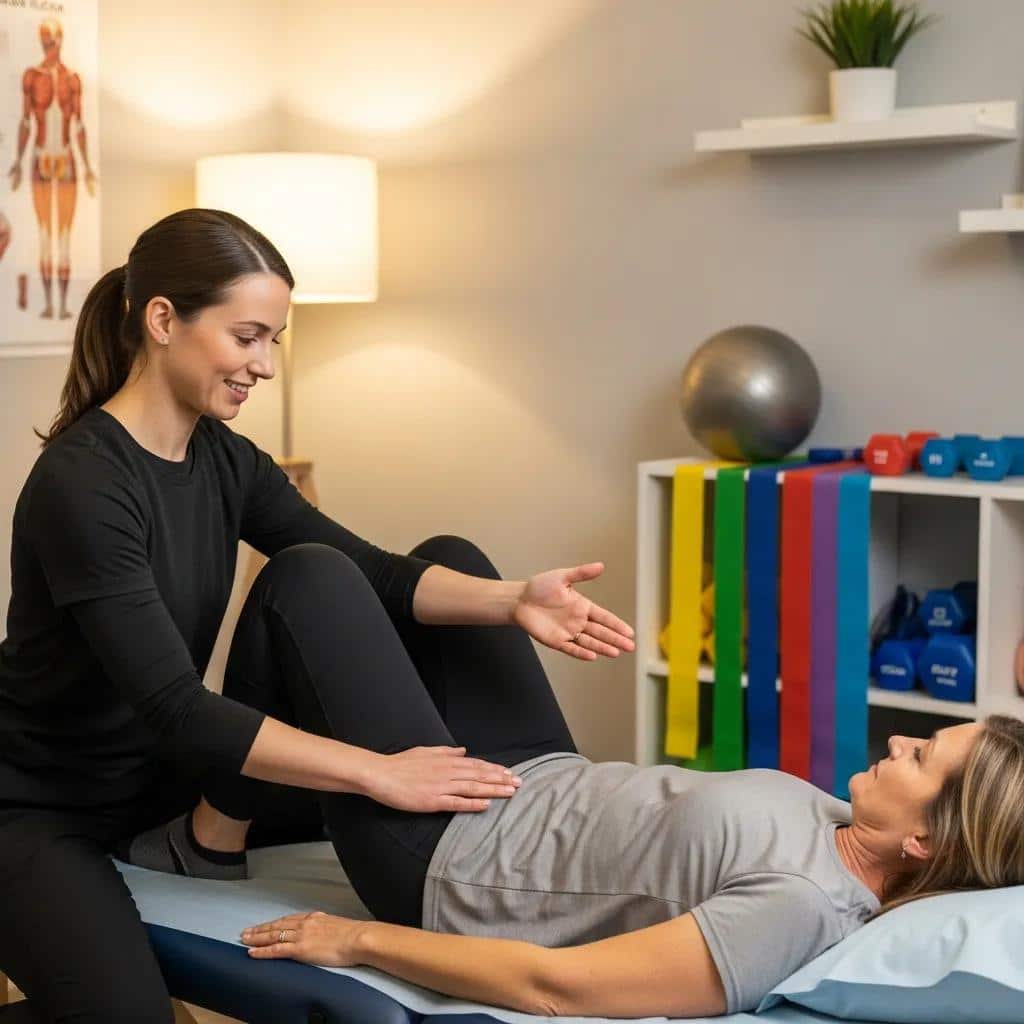
Pelvic floor physical therapy addresses muscle coordination and myofascial pain that often accompany endometriosis. Therapy can reduce compensatory guarding, improve pelvic mobility, and decrease pain that persists despite hormonal or surgical treatment. When part of a multidisciplinary plan, coordinated with surgery, nutrition and mental health care, patients often see better functional outcomes.
What Improvements Can Pelvic Floor Therapy Provide for Pain and Mobility?
Pelvic floor therapy can restore coordinated muscle function, reduce myofascial pain, and limit protective guarding that perpetuates discomfort. As part of a comprehensive plan, therapy improves mobility, tolerance of daily activities, and long‑term quality of life.
When Should Patients Seek Professional Physical Therapy Support?
Consider pelvic physical therapy after surgery or whenever pain limits function. Early referral often improves outcomes, seek therapists experienced with pelvic floor dysfunction and endometriosis to ensure tailored care.
Frequently Asked Questions
What lifestyle changes can complement exercise for endometriosis recovery?
Complement movement with an anti‑inflammatory diet, consistent hydration, good sleep and stress management. Foods like leafy vegetables and whole grains may help; consult a nutritionist for personalized guidance.
How can mindfulness practices enhance the benefits of exercise for endometriosis?
Mindfulness, meditation and controlled breathing reduce sympathetic arousal and improve pain awareness and coping. These practices combined with movement help manage intensity and emotional balance.
Are there specific breathing techniques that can help during exercise?
Diaphragmatic (deep belly) breathing promotes relaxation, better oxygen delivery and lower muscular tension. Practice slow, rhythmic breaths during gentle exercise to reduce tension and improve movement quality.
What should I do if I experience pain during exercise?
If exercise causes pain, stop and rest. Pain signals a need to modify intensity or activity and may warrant professional advice. A physical therapist can adapt movements to keep you active safely.
How can I find a qualified physical therapist for endometriosis?
Ask your gynecologist for referrals and search professional directories for pelvic floor specialists. Choose therapists who list pelvic pain or endometriosis experience and who coordinate with your medical team.
What role does nutrition play in managing endometriosis symptoms?
Nutrition affects inflammation and hormones. A focus on whole, anti‑inflammatory foods and reduced processed sugars may ease symptoms, discuss supplements and major changes with your clinical team.
Conclusion
Gentle, consistent movement, combined with rest, stress management and coordinated clinical care, can reduce pain and support recovery from endometriosis. Adopt an individualized plan that respects symptom limits, aligns with medical treatments, and includes pelvic physical therapy when appropriate. Small, steady steps often lead to improved function and quality of life; seek tailored resources and professional support to build a recovery plan that fits your journey.