Endometriosis occurs when tissue like the uterine lining grows outside the uterus, causing pelvic pain, inflammation, and cyclical symptoms. Research shows that ongoing inflammation and altered pain signaling play big roles in how severe symptoms feel. Thoughtful lifestyle changes — especially anti-inflammatory eating, gentle movement, pelvic floor care, and stress reduction — can lessen pain and improve day-to-day function. This article describes how food choices, low-impact exercise, pelvic-floor work, and mind–body practices influence inflammation, hormones, circulation, and nervous-system sensitivity. You’ll find practical food lists, exercise suggestions, stress-management techniques, and safe complementary options that fit alongside specialist medical care. Each section offers clear, actionable steps and safety notes so you can start making changes and coordinate them with clinical treatments like excision surgery when appropriate.
How Can an Anti-Inflammatory Diet Help Reduce Endometriosis Pain?
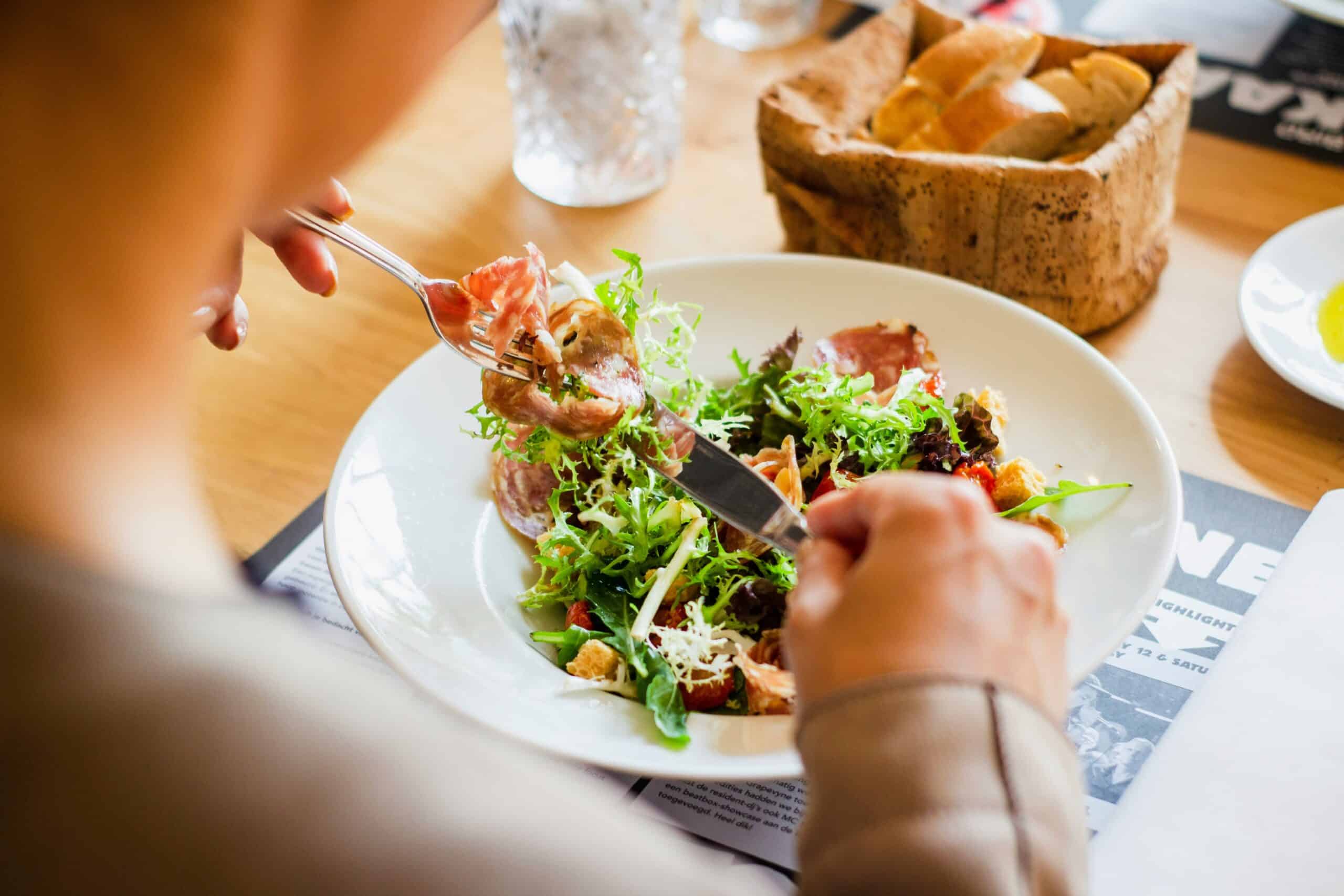
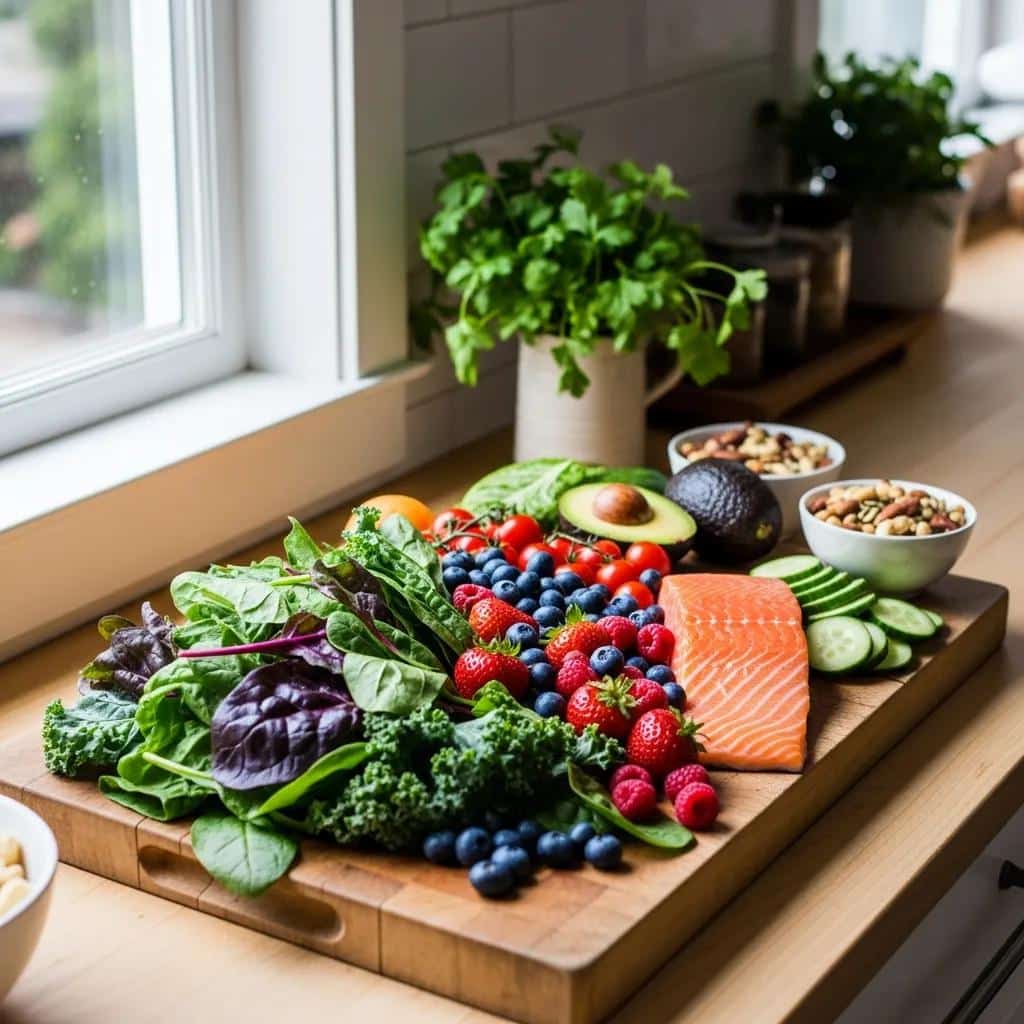
An anti-inflammatory eating pattern can lower overall inflammation and change prostaglandin activity, which helps reduce uterine and pelvic pain signaling. Choosing nutrient-dense, low-inflammatory foods raises blood levels of omega-3s and antioxidants, which blunt inflammatory mediators and can reduce pain sensitivity. Practical shifts focus on whole fruits and vegetables, omega-3 sources, fiber-rich grains, and cutting back on processed items that drive inflammation. These changes also support gut health and may reduce estrogen reabsorption by improving bowel regularity — a factor that can affect lesion activity and symptoms. Below are specific, patient-centered food tips and nutrient notes to help you begin.
Evidence suggests that eating anti-inflammatory foods can meaningfully improve quality of life and reduce symptom severity for people with endometriosis.
Anti-inflammatory diet and symptom reduction in endometriosis
This review summarizes current evidence on anti-inflammatory diets and their effects on endometriosis. Dietary approaches for chronic pain are gaining interest, and consuming anti-inflammatory foods appears to improve quality of life and reduce symptom severity in people with endometriosis.
Endometriosis and diet – can anti-inflammatory foods alleviate symptoms?, 2025
What foods should you eat and avoid for endometriosis?
These recommendations highlight foods that tend to lower inflammatory signaling and those that commonly worsen pelvic pain through pro-inflammatory pathways. Start by increasing whole plant foods and fatty fish while cutting back on processed meats, refined sugars, and trans fats that can intensify prostaglandin-driven cramping. Make changes gradually so you can track how your symptoms respond, and consider a referral to a dietitian for elimination diets or a low-FODMAP trial if gastrointestinal symptoms are present. These adjustments work best as part of coordinated medical care to reduce baseline inflammation and improve symptom control.
- Fill your plate with colorful vegetables and fruits daily for antioxidants and fiber.
- Choose fatty fish (salmon, sardines) or plant omega-3s (chia, flax) to lower inflammation.
- Limit red and processed meats, refined sugars, and fried or packaged snacks.
- Reduce heavy alcohol use and limit excess caffeine during flares to avoid worsening symptoms.
These swaps prioritize anti-inflammatory nutrients and can be tailored to your tolerance and medical needs.
When people try an anti-inflammatory diet, they report both obstacles and helpful strategies that affect long-term adherence.
Feasibility of an anti-inflammatory diet for patients
This study explored barriers and facilitators people with endometriosis experience when following an anti-inflammatory diet. Understanding practical challenges helps clinicians and patients design more sustainable eating plans.
The feasibility of an anti-inflammatory diet in endometriosis: barriers and facilitators perceived by endometriosis patients, 2024
Before moving on, compare key nutrients and food-based actions with clinical recommendations so supplements are used safely and effectively.
Which key nutrients and supplements support pain relief?
Certain nutrients support anti-inflammatory pathways and muscle relaxation, but supplements are adjuncts — not substitutes — for medical care. Omega-3 fatty acids can reduce prostaglandin-driven inflammation; aim for fatty fish twice weekly or discuss an EPA/DHA supplement with your clinician. Magnesium can help with muscle relaxation and cramping at modest doses. Correcting vitamin D deficiency supports immune regulation. Curcumin (turmeric) shows promise in early studies but can interact with blood thinners; always review supplements with your care team. Use supplements selectively, watch for side effects, and prioritize food sources when possible.
This comparison clarifies specific foods and nutrients to discuss with your provider.
Different anti-inflammatory foods and nutrients work through distinct mechanisms that translate into simple eating targets.
Many patients find it helpful to fold dietary changes into a broader care plan; Endo Excellence Center includes nutrition guidance within individualized, multidisciplinary treatment plans to support recovery and symptom control.
What Are the Best Exercises for Managing Endometriosis Pain?
Regular low-impact movement can lower pain by improving circulation, releasing endorphins, reducing inflammation, and supporting hormonal balance. Exercise increases pelvic blood flow and oxygenation, which may decrease nociceptive signaling from lesions and adhesions. We recommend consistent, low-impact activity and close attention to pain signals so you can avoid flares while building tolerance. Below are targeted activities and tips for adjusting them when symptoms fluctuate.
Which low-impact activities help reduce pelvic pain?
These low-impact options improve core stability, circulation, and pain regulation without excessive joint or pelvic strain. Start with short sessions and progress slowly; focus on breathing and pelvic relaxation while you move. On higher-pain days, reduce intensity or stick to gentle stretches to keep a routine without triggering flares. Using heat before or after movement often eases symptoms and supports longer-term gains in function.
- Walking briskly for 20–30 minutes most days to boost circulation and mood.
- Swimming or water aerobics for low-load, full-body movement that eases pelvic pressure.
- Gentle yoga sequences that emphasize hip opening and diaphragmatic breathing, 2–3× weekly.
These activities create a practical, adaptable exercise foundation to support pain reduction and overall wellbeing.
How does pelvic floor therapy improve endometriosis symptoms?
Pelvic floor dysfunction often occurs alongside endometriosis and can magnify pelvic pain through muscle tension and trigger points. Pelvic floor physical therapy uses manual release, relaxation training, biofeedback, and targeted exercises to reduce hypertonicity and restore coordinated pelvic muscle function. Typical therapy includes education, a home exercise program, and graded desensitization to internal or external palpation as tolerated. We recommend referral to a pelvic floor specialist when pain continues despite conservative measures or when dyspareunia, urinary, or bowel symptoms suggest muscular contributors.
Many patients find pelvic floor therapy complements medical care and improves outcomes when coordinated with their treatment team.
Endo Excellence Center offers pelvic floor therapy referrals and integrates movement plans into multidisciplinary care so exercise supports surgical and medical strategies.
How Does Stress Management Influence Endometriosis Pain?

Managing stress helps lower pain by reducing HPA-axis activation, correcting cortisol imbalances, and limiting neuroinflammation that heightens pain sensitivity. Psychoneuroimmunology shows chronic stress increases cytokine production and central sensitization, which can worsen endometriosis pain. Structured approaches — mindfulness, cognitive behavioral therapy, and breathing techniques — down-regulate stress responses and improve sleep, coping, and pain thresholds. The section below introduces easy practices and explains how to build them into daily life for measurable benefit.
What mindfulness and relaxation techniques are effective?
Short, structured mindfulness and breathing exercises reduce sympathetic activation and interrupt pain-amplifying cycles, producing both immediate and cumulative benefits. Try a three-minute paced breathing practice twice daily to lower heart rate and tension, and a 10–15 minute body scan to release pelvic and abdominal holding patterns. Cognitive behavioral strategies can help reframe pain catastrophizing and improve activity pacing, which supports rehabilitation and exercise. Seek behavioral-health support if anxiety or depression limits daily function or pain management.
- Practice diaphragmatic breathing for 3–5 minutes twice daily to ease tension.
- Use guided body scans (10–15 minutes) to notice and relax pelvic holding patterns.
- Work with a trained clinician on CBT techniques for pacing and pain coping as needed.
These brief practices build resilience and reduce biological drivers of pain when done consistently.
Cognitive behavioral therapy has shown meaningful benefits for pain, mood, stress, and quality of life in people with endometriosis.
Cognitive behavioral therapy for endometriosis-related pain and stress
This systematic review examined psychological interventions using CBT for endometriosis and chronic pelvic pain. Although only a few studies met criteria, CBT approaches were associated with reduced pain perception and improvements in depression, stress, and several quality-of-life measures.
Cognitive behavioral therapy in endometriosis, psychological based intervention: a systematic review, BC de Azevedo, 2022
How does the mind–body connection affect symptom severity?
Emotional states influence immune and pain pathways: stress heightens inflammatory signaling and pain sensitivity. Addressing emotional wellbeing through therapy, mindfulness, and social support reduces physiological drivers of pain and helps people stick with lifestyle changes. Clinically, patients who adopt mind–body practices alongside medical or surgical care often report better pain control and functional gains. Including psychological support in a coordinated plan promotes more durable symptom improvement.
Endo Excellence Center includes behavioral-health referrals and mindfulness programming in its comprehensive approach so patients receive coordinated emotional and medical support.
What natural remedies can complement lifestyle changes for endometriosis?
Natural remedies can complement lifestyle strategies by targeting inflammation, muscle relaxation, or localized symptom relief, but evidence varies and safety should guide use. Common options include turmeric (curcumin) for anti-inflammatory effect, ginger for dysmenorrhea, acupuncture for pain modulation, CBD for symptom relief, and topical heat for muscle relaxation. Each choice should be evaluated for evidence strength, drug interactions, and perioperative safety. Clinicians should monitor use so complementary therapies don’t interfere with hormonal treatments or surgery. The table below summarizes typical remedies, evidence levels, and safety notes to support informed decisions.
Which herbal and alternative therapies support symptom relief?
Overall evidence suggests some remedies offer modest pain relief but require clinician oversight for interactions and dosing. Turmeric shows anti-inflammatory activity in small trials; ginger can lessen menstrual cramping; acupuncture offers mixed but sometimes meaningful benefits; CBD research is emerging. Verify product quality, avoid herbal supplements just before surgery without surgical approval, and discuss any interactions with hormonal or anticoagulant medications. Use these options as adjuncts within a coordinated, multidisciplinary plan rather than as stand-alone treatments.
- Turmeric/curcumin: anti-inflammatory but may affect blood clotting; consult your provider.
- Ginger: may reduce menstrual cramping; consider short-term use during symptomatic days.
- Acupuncture: may help some patients; use alongside other therapies under a qualified practitioner.
These approaches can be trialed safely with clinician guidance and monitoring.
How can natural remedies be safely integrated with medical care?
Integrate complementary remedies by telling your care team about all supplements and therapies, pausing or adjusting products before surgery, and monitoring for interactions with hormones or anticoagulants. Build a shared plan that sequences lifestyle changes, complementary therapies, and medical or surgical interventions like excision surgery to maximize safety and benefit. For example, avoid certain herbal supplements in the perioperative window and confirm safe CBD or supplement use with your specialist. Clear communication ensures natural remedies support — rather than complicate — clinical care.
For personalized evaluation and to discuss how lifestyle strategies and complementary therapies fit with specialized medical care, contact Endo Excellence Center. Dr. Rachael Haverland and our multidisciplinary team create individualized plans combining gold-standard excision surgery, pelvic floor therapy, nutrition guidance, and behavioral-health support. Our clinic is at 5288 Towne Sq. Dr, Plano TX 75024 and can be reached at (214) 281-4460 for appointments and care coordination.
Frequently asked questions
What role does hydration play in managing endometriosis symptoms?
Staying hydrated supports digestion and circulation, which can reduce bloating and discomfort linked to endometriosis. Proper hydration also helps kidney function, which assists in hormone balance and elimination. Aim for about 8–10 cups of water daily, adjusting for activity and climate, and consider herbal teas like ginger or chamomile for gentle anti-inflammatory support.
Can stress management techniques be tailored for individuals with endometriosis?
Absolutely. Stress-management should be individualized. Some people benefit most from gentle yoga or breathing practices, while others prefer guided mindfulness or CBT with a clinician experienced in chronic pain. A tailored plan makes it easier to stick with techniques that fit your lifestyle and needs.
How can I monitor the effectiveness of lifestyle changes on my endometriosis symptoms?
Keep a simple symptom diary logging daily pain scores, foods eaten, exercise, and stress-management practices. Track patterns over several weeks to spot links between behaviors and symptom changes. Share this record with your healthcare team to help fine-tune your plan.
Are there specific foods that can worsen endometriosis symptoms?
Yes. Foods that commonly increase inflammation include ultra-processed items high in trans fats, refined sugars, and certain red and processed meats. Some people also notice dairy-related symptoms if they have lactose intolerance or sensitivity. Pay attention to your own reactions and work with a dietitian if you need structured guidance.
What is the importance of a multidisciplinary approach in managing endometriosis?
A multidisciplinary approach treats endometriosis from multiple angles — medical treatment, surgery when indicated, nutrition, pelvic-floor therapy, and psychological support. Coordinated care addresses the physical and emotional impacts of the condition and typically leads to better symptom control and quality-of-life outcomes.
How can I find support groups for individuals with endometriosis?
Look for support through online communities, social media groups, and dedicated endometriosis organizations. Local hospitals and clinics sometimes host support groups or educational meetings. Organizations such as the Endometriosis Foundation of America also offer resources and can help connect you with local or virtual communities.
Conclusion
Targeted lifestyle changes — an anti-inflammatory diet, consistent low-impact exercise, pelvic-floor care, and stress-management practices — can meaningfully reduce endometriosis pain and improve daily life. These strategies address inflammation, hormone balance, circulation, and nervous-system sensitivity while giving you practical tools to manage symptoms. For personalized planning and to see how lifestyle approaches fit with specialized medical care, contact Endo Excellence Center. Together we’ll build a tailored plan that supports your goals and improves your quality of life.