
Endometriosis often causes persistent pelvic pain that affects daily life. This article explains how pelvic‑floor physical therapy can reduce pain, restore function, and improve quality of life, with practical exercises and post‑surgical guidance to make recovery manageable.
What Is Pelvic Floor Physical Therapy and How Does It Help Endometriosis Pain?

Pelvic‑floor physical therapy targets pelvic muscles, connective tissue, and nerves. Therapists assess movement, muscle tone, and trigger points, then use targeted manual techniques and exercises to reduce tension, improve coordination, and restore pelvic function.
How Does Pelvic Floor Dysfunction Contribute to Endometriosis Pain?
When pelvic‑floor dysfunction coexists with endometriosis, muscle tightness, spasms, or weakness can amplify pain and cause pain with intercourse or bladder and bowel symptoms. Manual therapy, neuromuscular re‑education, and tailored exercise help lower pain and improve everyday movement.
Current research highlights how treating myofascial dysfunction and nervous system sensitization is a key piece of care for persistent pelvic pain.
Endometriosis Pain: Physical Therapy for Myofascial Dysfunction & Sensitization
Chronic pelvic pain in people with endometriosis often persists despite hormonal or surgical treatments because those interventions do not directly address central sensitization and myofascial trigger points. This review outlines how endometriosis can remodel neural pathways, fostering sensitization and painful myofascial trigger points. It proposes a clinical framework for identifying sensitization and trigger points, and reviews treatments that target myofascial pain—such as physical therapy, dry needling, anesthetic injections, and botulinum toxin—along with their putative mechanisms.
Relating chronic pelvic pain and endometriosis to signs of sensitization and myofascial pain and dysfunction, KJ Heyrana, 2017
Which Manual Therapy Techniques Are Used in Pelvic Floor Physical Therapy?
Manual therapy is central to pelvic‑floor care. Myofascial release, trigger‑point work, and soft‑tissue mobilization ease tight tissues, improve mobility, and reduce guarding. Paired with movement retraining and home strategies, these approaches support greater comfort in daily activities.
What Exercises Are Recommended for Endometriosis Pain Relief?

Targeted exercise builds flexibility, core stability, and pelvic control. A graded program reduces discomfort, boosts stamina and mood, and is adjusted to your tolerance and goals.
Which Stretching and Flexibility Exercises Alleviate Pelvic Pain?
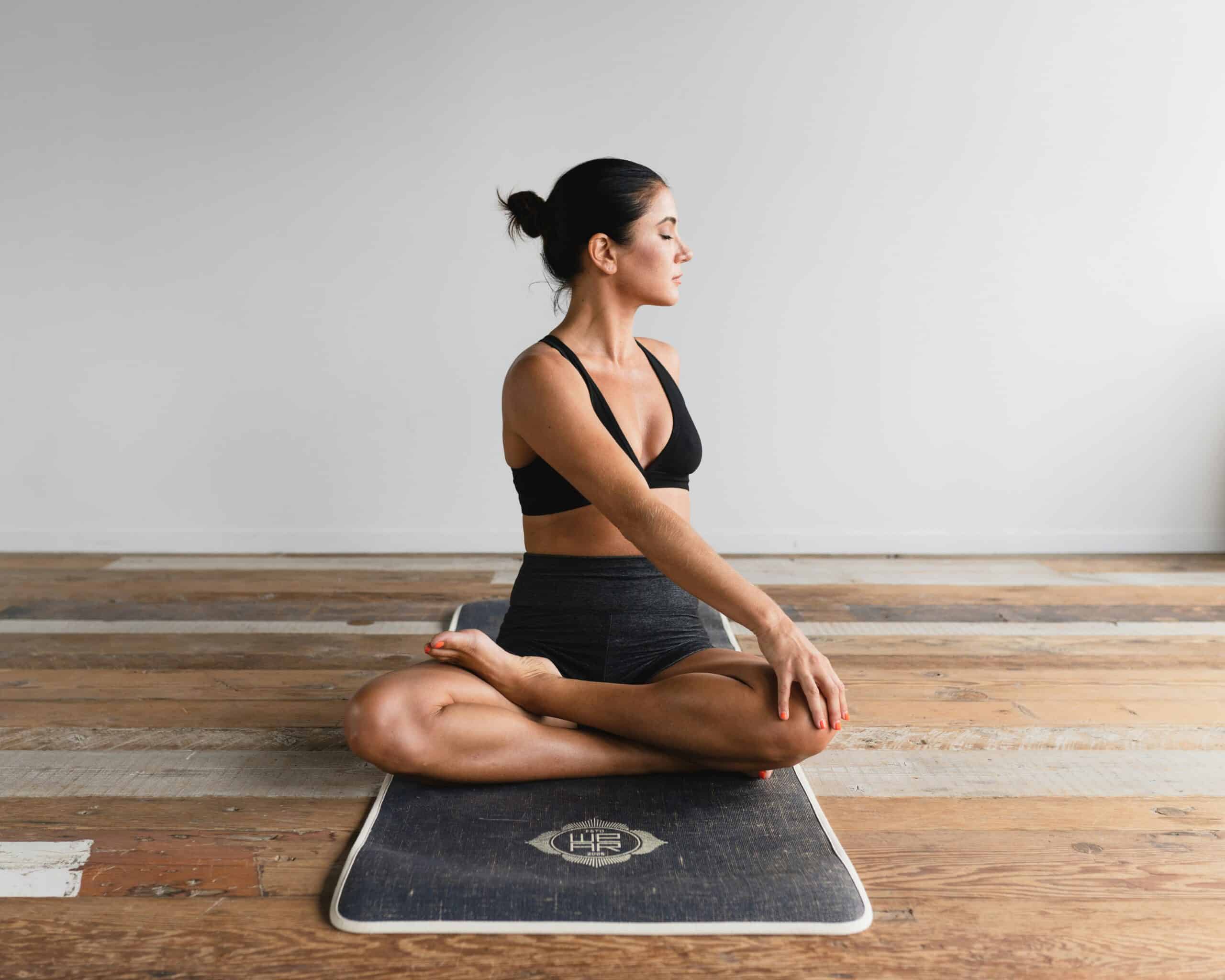
- Child’s Pose: A gentle, restorative stretch that helps the pelvic floor and lower back relax.
- Hip Flexor Stretch: Loosening tight hip flexors can reduce compensatory tension in the pelvis.
- Seated Forward Bend: Encourages length through the lower back and pelvis to ease stiffness.
Practicing these stretches regularly—within your comfort zone—can lower baseline tension and make other activities more comfortable.
How Do Core Strengthening and Breathing Techniques Support Pain Management?
Stronger core muscles provide stable support for the pelvis so the pelvic floor doesn’t overwork. Diaphragmatic breathing paired with core work calms the nervous system, reduces guarding, and gives practical tools for managing symptom flares.
How Does Physical Therapy Support Recovery After Endometriosis Surgery?
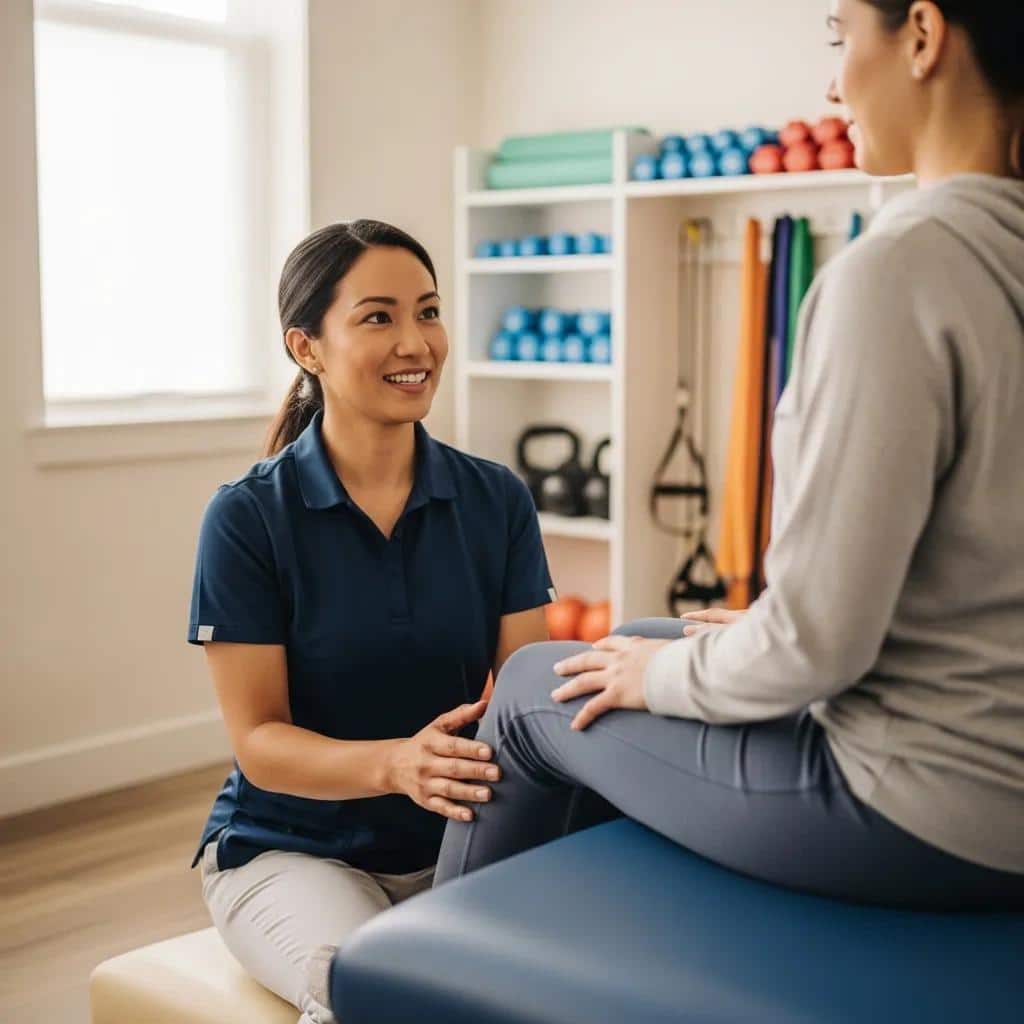
Physical therapy is a key part of post‑operative care. Early, progressive rehabilitation restores strength, mobility, and pelvic control while minimizing scar‑related restrictions and pain. Coordinated care with your surgical team supports a smoother recovery.
A coordinated, multidisciplinary pathway that includes pelvic‑floor rehabilitation is often key to optimizing recovery and minimizing post‑surgical problems.
Pelvic Floor PT for Post-Surgery Endometriosis Recovery
A notable number of patients develop voiding dysfunction after uterine‑related excision (UTE) surgery, pointing to the value of multidisciplinary pathways. Beyond lesion removal, co‑management with pelvic‑floor rehabilitation, targeted imaging, and neuromodulation can improve recovery. Future priorities include standardized urodynamic outcomes and prospective studies to guide best practices.
Surgical Management of Urinary-Symptom-Dominant Endometriosis: Addressing Persistent Voiding Dysfunction and Pelvic Floor Factors, 2025
What Is the Role of Physical Therapy in Post-Excision Surgery Rehabilitation?
After excision, individualized PT emphasizes pain control, gradual mobility restoration, and prevention of secondary issues like scar restriction or voiding problems. Therapists use hands‑on work, movement re‑education, scar mobilization, and progressive exercise to meet specific recovery goals.
How Does Scar Tissue Mobilization Improve Post-Surgical Outcomes?
Scar mobilization addresses adhesions and restricted fascial layers that limit motion. Gentle, targeted techniques improve tissue glide and range of motion, reducing persistent pain as healing progresses.
What Are the Benefits of Integrating Physical Therapy Into Endometriosis Pain Management?

Integrating PT treats musculoskeletal contributors to pain, teaches practical self‑management skills, and supports emotional recovery. Many people report less pain, greater mobility, and improved daily function when pelvic‑floor therapy is included in long‑term care.
How Does Physical Therapy Reduce Chronic Pelvic Pain and Improve Quality of Life?
PT targets muscle dysfunction, scar restrictions, and movement patterns that sustain pain. With individualized plans and adherence, people often resume avoided activities and see both physical and emotional improvement.
Why Is a Multidisciplinary Approach Essential for Effective Endometriosis Care?
A collaborative team—medical, surgical, and pelvic‑floor therapists—best addresses pain, function, and quality of life. That coordinated approach tailors care to individual needs and supports better outcomes.
When these approaches are combined and individualized, they can substantially improve pain control and daily function for people living with endometriosis.
Frequently Asked Questions
What are the signs that I may need pelvic floor physical therapy for endometriosis?
Consider pelvic‑floor PT if you have ongoing pelvic pain, painful sex, urinary or bowel symptoms, or a persistent sense of pelvic tightness or spasms. A therapist can evaluate muscle and movement contributions and recommend targeted rehabilitation.
How often should I attend physical therapy sessions for endometriosis pain management?
Frequency depends on goals and symptom severity. Many people begin with one to two sessions weekly, then reduce visits as they progress and follow a home program. Your therapist will tailor a schedule to fit recovery and daily life.
Can physical therapy help with emotional aspects of living with endometriosis?
Yes. Reducing pain and restoring function often eases anxiety and improves mood. Therapists also teach pacing, coping strategies, and self‑care skills that help you feel more in control and resilient.
Are there any risks associated with pelvic floor physical therapy?
Pelvic‑floor PT is generally safe; some temporary soreness can occur after treatment. Communicating discomfort lets your therapist adjust techniques. A thorough evaluation ensures appropriate, effective approaches for your situation.
How long does it typically take to see results from physical therapy for endometriosis?
Timelines vary. Some people feel better after a few sessions; others need several weeks of consistent therapy and home practice to notice meaningful change. Progress depends on symptom severity, adherence, and individual response.
What should I expect during my first pelvic floor physical therapy appointment?
Your first visit includes a detailed history and a physical assessment of pelvic‑floor function, posture, breathing, and movement. The therapist will outline a personalized plan, teach initial techniques or exercises, and set realistic short‑ and long‑term goals.
Conclusion
Physical therapy is a practical, evidence‑informed option to reduce endometriosis‑related pain, restore function, and improve quality of life. If pelvic symptoms limit daily activities, consult a qualified pelvic‑floor therapist to create a personalized plan and begin steps toward lasting relief.