surgery, pain, minimally invasive procedure, health, mayo clinic, dallas, inflammation, uterus, bladder, dysmenorrhea, teacher, pelvis, patient, medicine, pregnancy, human resources, physician, endometrium, medical school, residency, obstetrics, therapy, endometriosis foundation of america, injury, quality of life, pain management, phoenix, surgeon, orthopedic surgery, physical therapy, hysterectomy, fatigue, disease, menstruation, medication, clinic, organ, arizona, menopause, birth control, texas health presbyterian hospital dallas, nerve, mayo clinic arizona, center of excellence, texas health presbyterian, performance, management, abdomen, research
Frequently Asked Questions
Is Dr. Rachael Haverland a licensed medical practitioner?
Dr. Rachael Haverland is a licensed medical practitioner, specializing in the diagnosis and treatment of endometriosis and related conditions. Her expertise ensures that patients receive high-quality care and accurate information regarding their health concerns.
What conditions does Dr. Haverland specialize in?
Dr. Haverland specializes in conditions related to endometriosis, offering expert insights and treatment options for its effects on fertility, emotional well-being, and overall lifestyle.
What surgical techniques does Dr. Haverland use?
Dr. Haverland utilizes advanced minimally invasive surgical techniques, including laparoscopy and robotic-assisted surgery, to effectively diagnose and treat endometriosis while promoting faster recovery and reduced pain for patients.
How are endometriosis cases diagnosed by Dr. Haverland?
The diagnosis of endometriosis cases by Dr. Haverland involves a thorough evaluation, including a detailed medical history, physical examination, and possibly imaging tests such as ultrasounds or MRIs, as well as laparoscopic surgery for definitive diagnosis.
What follow-up care is offered by Dr. Haverland?
The follow-up care offered by Dr. Haverland includes personalized treatment plans, regular check-ups to monitor progress, and access to additional resources and support for managing endometriosis effectively.
What are Dr. Haverlands recommendations for managing symptoms?
Dr. Haverland's recommendations for managing endometriosis symptoms include lifestyle modifications such as a balanced diet, regular exercise, stress management techniques, and personalized treatment options like medication or therapy, tailored to each patient's specific needs.
What is the feedback from Dr. Haverlands patients?
The feedback from Dr. Haverland's patients is overwhelmingly positive, highlighting her compassion, expertise, and commitment to providing effective treatment for endometriosis and its related concerns. Many patients appreciate her thoroughness and the supportive environment at the center.
What are common misconceptions about endometriosis?
Common misconceptions about endometriosis include the belief that it solely affects fertility, that only those with severe symptoms have the condition, and that it can be cured simply with birth control. Understanding these myths is essential for proper awareness and management.
dr rachael haverland, rachael haverland, rachel haverland, endometriosis treatment, endometriosis, dr haverland, endometriosis center of excellence, dr rachel haverland, endometriosis insights and research, endometriosis health articles, endometriosis awareness information, endometriosis patient education blog, endometriosis medical insights, latest endometriosis research updates, endometriosis treatment insights, endometriosis expert advice, endometriosis symptoms and causes, endometriosis awareness, signs of endometriosis, chronic pelvic pain condition, endometriosis diagnosis insights, women’s reproductive health issues, endometriosis education, hormone-related disorders, endometriosis research updates, living with endometriosis, latest studies women health, clinical insights endometriosis, expert analysis gynecology, medical findings endometriosis, healthcare insights women, research trends endometriosis
Understanding Endometriosis: Causes, Symptoms, and Diagnosis
Endometriosis is a complex and often misunderstood condition that affects an estimated 176 million women worldwide. It occurs when the endometrium, the tissue that normally lines the inside of the uterus, grows outside of the uterus on other organs, such as the ovaries, fallopian tubes, and even the bladder or intestines. This misplaced tissue behaves like the uterine lining, thickening, breaking down, and bleeding with each menstrual cycle, but has no way to exit the body, leading to inflammation, scarring, and the formation of adhesions.
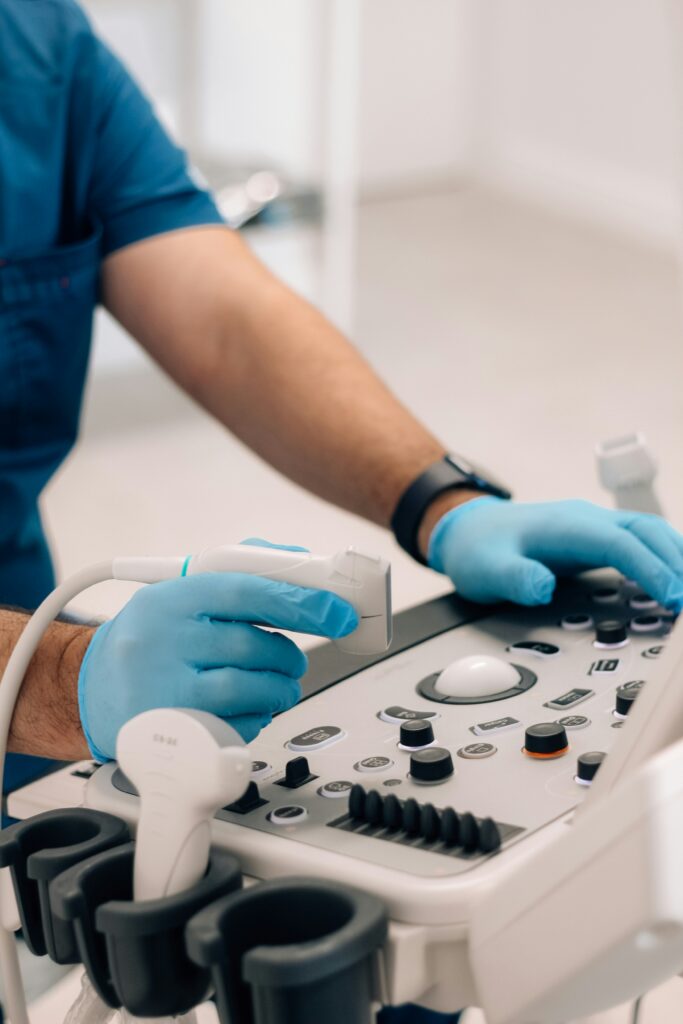
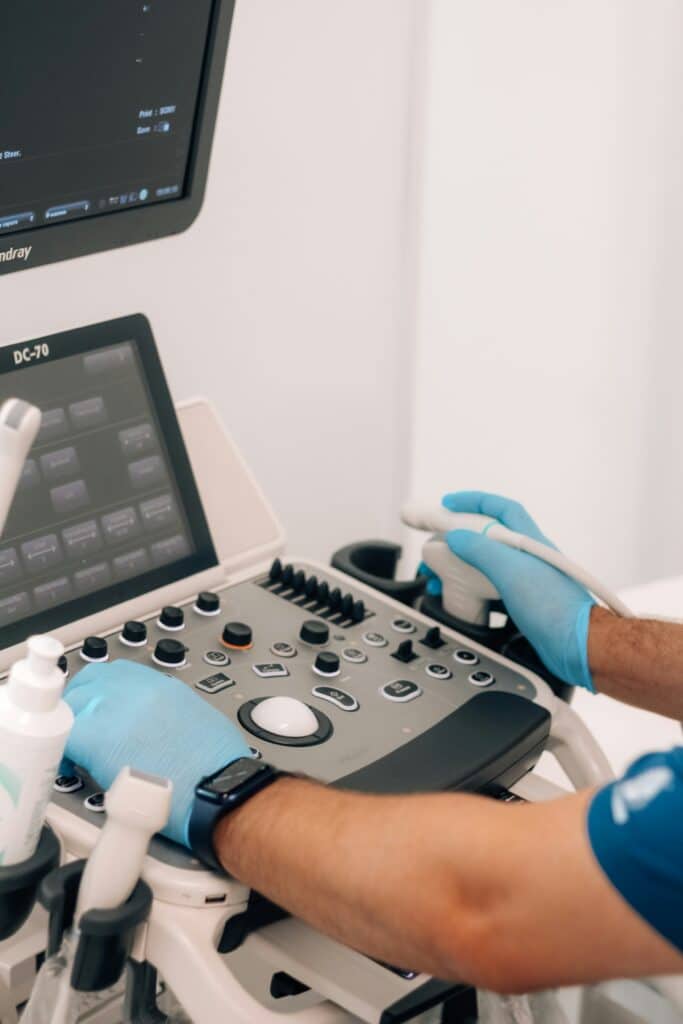
Symptoms of endometriosis can vary greatly, with some women experiencing debilitating pain and others having no symptoms at all. Common symptoms include pelvic pain, heavy or irregular periods, painful intercourse, fatigue, and infertility. Diagnosing endometriosis can be challenging, as there is no single test that can confirm the condition. A combination of medical history, physical examination, and imaging tests, such as ultrasound or magnetic resonance imaging (MRI), are typically used to evaluate and diagnose endometriosis.
The Emotional Impact of Endometriosis
Endometriosis not only affects a woman's physical health but can also have a significant impact on her emotional well-being. The chronic pain, fatigue, and disruption to daily life associated with endometriosis can lead to depression, anxiety, and social isolation. Many women with endometriosis report feeling misunderstood or dismissed by healthcare providers, further compounding the emotional burden of the condition.
Addressing the emotional aspects of endometriosis is crucial for improving overall quality of life. Supportive counseling, mindfulness practices, and connecting with others who understand the experience can all be valuable in managing the emotional toll of endometriosis. By acknowledging and addressing the mental health implications of this condition, women with endometriosis can better navigate their journey and find the support they need.
Treatment Options for Endometriosis
There is no cure for endometriosis, but there are a variety of treatment options available to manage symptoms and slow the progression of the condition. Pharmacological treatments, such as hormonal birth control, gonadotropin-releasing hormone (GnRH) agonists, and pain medications, can help alleviate pain and prevent the growth of endometrial implants.
For more severe cases of endometriosis, surgical interventions may be necessary. Laparoscopic surgery, which involves the use of a small camera and surgical tools inserted through tiny incisions, can be used to remove or destroy endometrial lesions and adhesions. In some cases, more extensive procedures, such as hysterectomy or oophorectomy (removal of the ovaries), may be recommended to provide long-term relief from endometriosis symptoms.
Optimizing Lifestyle for Endometriosis Management
In addition to medical treatments, lifestyle modifications can play a significant role in managing the symptoms of endometriosis. Adopting a healthy, anti-inflammatory diet rich in fruits, vegetables, whole grains, and lean proteins can help reduce inflammation and alleviate pain. Regular exercise, such as low-impact activities like yoga or swimming, can also improve symptoms by promoting blood flow, reducing stress, and strengthening the body.
Stress management techniques, such as meditation, deep breathing exercises, and mindfulness practices, can help women with endometriosis cope with the emotional and physical challenges of the condition. By incorporating these holistic approaches into their treatment plan, individuals with endometriosis can take an active role in their health and improve their overall quality of life.