
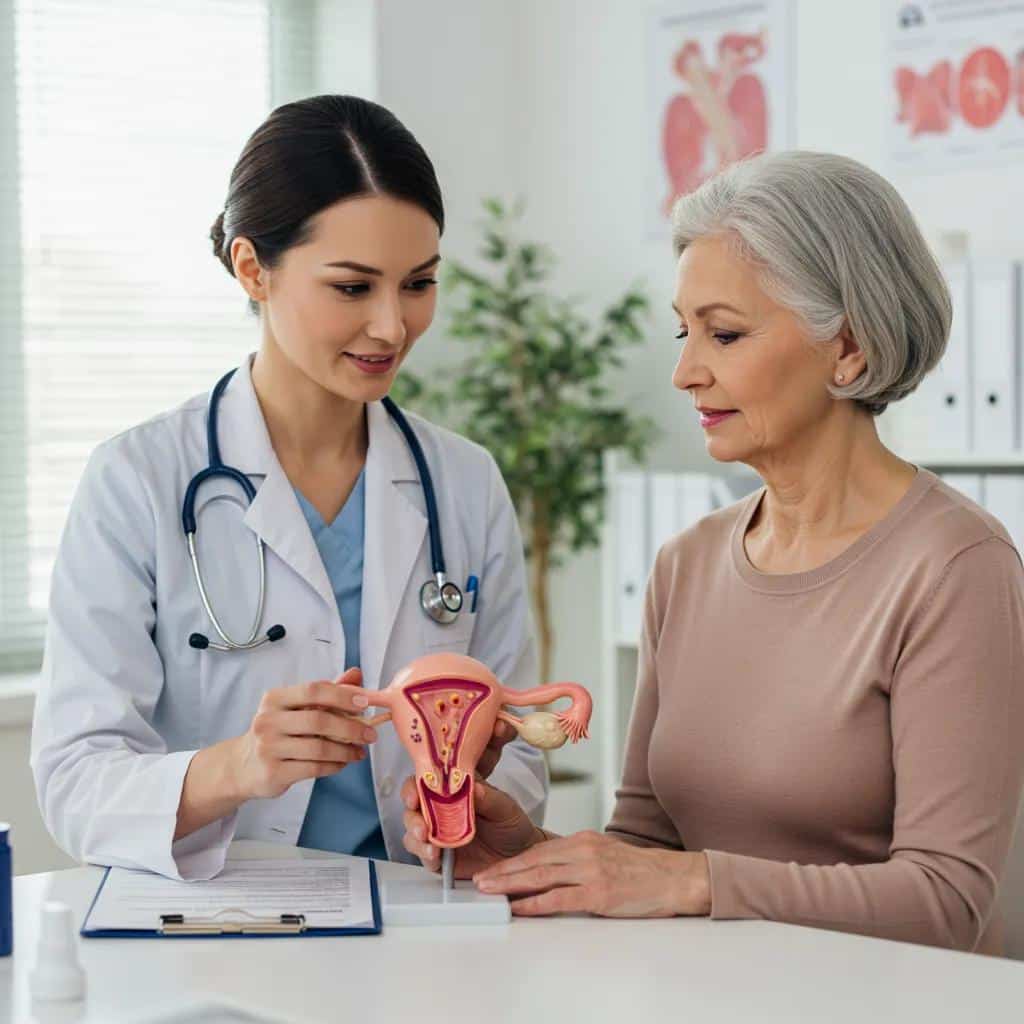
Endometriosis doesn’t always stop at menopause. Postmenopausal endometriosis is a condition where endometrial-like tissue persists or even appears after your menstrual cycles have ended. Understanding this is crucial because its symptoms can be subtle, often mimicking typical menopausal changes, and in some cases, may signal higher-risk findings that need prompt evaluation. This article will guide you through what postmenopausal endometriosis is, how common it is, how to recognize its symptoms, and the clear diagnostic pathway from initial exams and imaging to the gold standard of laparoscopic excision with histology. We’ll also explore how the risk of malignancy and hormone replacement therapy (HRT) can influence your management plan. You’ll find practical advice on treatment options—with a strong emphasis on excision surgery as both the diagnostic and therapeutic gold standard—and clear criteria for when to seek specialized care. Our focus throughout is on providing evidence-informed insights, outlining real-world diagnostic steps for both you and your clinicians, and demonstrating how a specialized multidisciplinary center can offer invaluable support for complex postmenopausal presentations.
Understanding Postmenopausal Endometriosis: What It Is and How Often It Occurs.

Postmenopausal endometriosis refers to endometriotic lesions that either remain or develop after menopause. These lesions are sustained by local estrogen production or external hormones, rather than the cyclical ovarian estrogen of your reproductive years. This condition differs from reproductive-age endometriosis in its mechanisms; peripheral aromatase activity and residual tissue responsiveness can keep lesions active. Early specialist evaluation is key for a clearer diagnosis and safer management. Recognizing whether the disease is new or a recurrence impacts how urgently and thoroughly it needs to be addressed. While the overall prevalence is low, it’s clinically significant, and a careful assessment is essential to distinguish benign persistent disease from findings that require excision and histologic analysis.
How Postmenopausal Endometriosis Differs from Endometriosis in Your Reproductive Years.
Postmenopausal endometriosis primarily differs in its hormonal environment and how lesions behave, often showing less cyclical activity and more subtle or atypical symptoms. Lesions may be sustained by extra-ovarian estrogen sources, such as fat tissue aromatase, or by external estrogen exposure. Implants might appear fibrotic or cystic, rather than the classic active bleeding implants seen in younger women. Clinically, pain is often less clearly cyclical and more likely to present as persistent, localized pain, adnexal masses, or new-onset bleeding, which raises suspicion for other diagnoses. These differences mean imaging and histology become even more important, and specialist surgical excision is frequently recommended to achieve a definitive diagnosis and obtain tissue to rule out malignancy.
What Causes Endometriosis After Menopause, and What Are the Risk Factors?
Several factors and mechanisms contribute to postmenopausal endometriosis, including a history of endometriosis, exposure to external hormones, estrogen production linked to obesity, and genetic or inflammatory predispositions. Hormone replacement therapy, especially unopposed estrogen or higher estrogen doses, can reactivate existing lesions or stimulate new growth in susceptible tissues. Estrogen produced by fat tissue can be sufficient to support lesion viability in obese patients, while chronic inflammation and epigenetic changes may allow ectopic endometrial tissue to persist. Identifying these risk factors helps guide your diagnostic evaluation and informs shared decision-making about HRT and ongoing surveillance strategies.
How Common Is Endometriosis in Postmenopausal Women?
Reported estimates for how common postmenopausal endometriosis is vary across studies, generally ranging from about 2–5% depending on the population and detection method. These differences arise because studies relying solely on imaging may undercount histologically proven disease, while surgical series tend to focus on symptomatic or complex cases, leading to higher reported rates. The practical takeaway is this: while postmenopausal endometriosis is uncommon, it is not rare. Any localized pelvic mass, persistent focal pain, or abnormal bleeding in a postmenopausal woman should prompt a targeted evaluation. Clinical vigilance and appropriate imaging or referral can significantly reduce diagnostic delays and ensure timely, effective management.
Recognizing the Symptoms of Endometriosis After Menopause.

Postmenopausal endometriosis can present with a range of specific and non-specific signs. Knowing which findings are most indicative of endometriosis helps us prioritize your evaluation and imaging. Symptoms can often overlap with other pelvic conditions and typical menopausal changes, so a structured symptom assessment and a focused physical exam are crucial for guiding further testing. The table below clarifies which symptoms are more specific to postmenopausal endometriosis and which are non-specific, helping both you and your clinicians decide when to proceed with imaging or a specialist referral. Early recognition of localized pelvic pain, adnexal masses, or any postmenopausal bleeding is essential, as these features may warrant surgical evaluation to obtain a definitive tissue diagnosis.
Here’s a quick guide to understanding symptom specificity:
This table highlights why specific findings and imaging results are so important after menopause; generalized symptoms need to be looked at alongside objective findings. Next, we’ll share practical lists of symptoms and “red flags” for both patients and healthcare providers.
Postmenopausal endometriosis often shows distinct patterns that signal the need for further investigation. Understanding the difference between specific and general symptoms can help you get a diagnosis sooner.
What Symptoms Are Most Specific to Endometriosis After Menopause?
Symptoms most suggestive of endometriosis after menopause include persistent, localized pelvic pain, an adnexal mass with a “ground glass” appearance on ultrasound (suggesting an endometrioma), and any episode of bleeding after menopause. These findings are more specific because they reflect localized tissue or cystic changes rather than systemic menopausal symptoms, and they increase the likelihood of endometriosis or other pelvic pathology. When such features are present, targeted imaging and surgical planning are reasonable steps to obtain a definitive tissue diagnosis and to rule out malignant transformation. Recognizing these specific signs helps us prioritize patients for specialist assessment and possible laparoscopic excision.
How to Tell Endometriosis Symptoms Apart from Typical Menopausal Changes.
Differentiating symptoms relies on their quality, focality, and any associated objective findings. Menopausal hot flashes, mood changes, or night sweats are typically diffuse and systemic. In contrast, endometriosis-related pain is often localized and reproducible upon examination or imaging. “Red flags” that point towards endometriosis include progressive, localized pelvic pain, pelvic masses detected by touch or imaging, and unexplained bleeding. If you experience hot flashes, mood swings, and night sweats without any localized pelvic findings, these are more consistent with menopause. When there’s clinical uncertainty, the next diagnostic step is targeted imaging, such as a transvaginal ultrasound or MRI, to look for endometriomas or deep infiltrating disease. Clear differentiation helps reduce unnecessary delays and ensures you receive appropriate specialist care.
What Are the Common, Non-Specific Symptoms to Be Aware Of?
Non-specific features that can accompany postmenopausal endometriosis include bowel or bladder dysfunction, a feeling of pelvic heaviness, intermittent bloating, and fatigue. These symptoms can overlap with conditions like IBS, interstitial cystitis, or musculoskeletal pelvic floor disorders. Because these signs are shared with other conditions, a detailed history that looks for specific triggers, any prior endometriosis history, and the presence of localized tenderness or masses can significantly improve diagnostic accuracy. If non-specific symptoms persist despite conservative management, your clinician should consider cross-sectional imaging and a multidisciplinary evaluation to identify any hidden endometriosis implants. Structured symptom tracking and targeted physical exam findings often reveal clues that point towards surgical assessment.
How We Diagnose Postmenopausal Endometriosis

Diagnosing postmenopausal endometriosis follows a clear, stepwise pathway. Your clinical history and a pelvic exam guide initial imaging (transvaginal ultrasound, possibly with an MRI). However, a definitive diagnosis requires laparoscopic visualization with excision and a tissue analysis (histology). While a pelvic exam can detect localized tenderness or masses, its sensitivity is limited. Imaging refines the anatomical picture and helps us plan surgery, while laparoscopy offers both therapeutic benefits and tissue for histologic confirmation to rule out malignancy. Below is a concise comparison of common diagnostic tests and their role in this pathway, designed to help both you and your clinicians understand what to expect and what comes next.
Here’s a look at the diagnostic tests and their roles:
This comparison clarifies that each modality adds valuable information, and that laparoscopy remains the diagnostic gold standard when imaging and clinical features are inconclusive or suspicious. The following subsections summarize the role of each evaluation component in more detail and explain why excision is definitive.
What’s the Role of a Pelvic Exam in Diagnosing Endometriosis?
The pelvic exam is an essential first step that can reveal localized pelvic tenderness, fixed pelvic organs, or palpable adnexal masses, helping us prioritize further imaging. However, exam findings are often non-specific in postmenopausal patients because atrophy and body habitus can mask subtle abnormalities, meaning a normal exam doesn’t rule out clinically significant disease. When the exam raises suspicion—such as a palpable mass, nodularity, or localized pain—a prompt transvaginal ultrasound or MRI is indicated to further characterize any lesions. Thus, pelvic exam findings help us assess risk and determine the urgency for imaging and specialist referral.
How Do We Use Imaging to Diagnose Endometriosis?
Transvaginal ultrasound is our preferred initial imaging method for adnexal masses and endometriomas, with the classic “ground glass” appearance of cyst contents often suggesting an endometrioma. It’s accessible and frequently sufficient for initial decision-making. Pelvic MRI adds significant value when we suspect deep infiltrating disease, complex pelvic anatomy, or multiple implants, improving preoperative mapping and surgical planning. A CT scan is less sensitive for endometriosis itself but can be useful in complex or oncologic evaluations where cross-sectional staging is necessary. Choosing the right imaging modality depends on your clinical suspicion and our goal, whether it’s to clarify benign disease or to rule out malignancy.
Why Laparoscopic Excision Surgery is the Gold Standard for Diagnosis.
Laparoscopic excision allows for direct visualization of lesions, complete removal of suspicious tissue, and retrieval of specimens for detailed histologic analysis—making it both diagnostic and therapeutic. Excision provides definitive histopathology to confirm endometriosis and, critically for postmenopausal patients, to rule out malignant transformation in any suspicious lesions. Complete excision also reduces symptomatic recurrence more effectively than superficial ablation when performed by experienced surgeons. It also clarifies the need for additional oncologic care if pathology indicates malignancy. Consequently, laparoscopy with excision should be considered when imaging is inconclusive or when “red flags” raise concern.
At specialized centers like ours, which emphasize excision, experienced surgical teams streamline the transition from diagnosis to treatment. The Endometriosis Center of Excellence, led by Dr. Rachael Haverland—a board-certified specialist with advanced excision training—focuses on laparoscopic excision as the definitive diagnostic and therapeutic approach for complex postmenopausal endometriosis, carefully coordinating imaging and histology to ensure safe, precise, and definitive care.
Understanding the Risk of Malignancy with Postmenopausal Endometriosis

Postmenopausal endometriosis carries a measurable, though relatively low, risk of malignant transformation, reported in various studies as approximately 0.7–2.5% overall. This risk is primarily concentrated in lesions involving ovarian endometriomas and is epidemiologically linked to specific ovarian cancer types, such as clear cell and endometrioid subtypes. Our risk assessment carefully considers the type of lesion, your individual factors (age, obesity, HRT exposure), and any suspicious findings from imaging or clinical evaluation. When concern exists, excision with histology is indicated to rule out malignancy and to guide any necessary oncologic management. Early expert evaluation helps reduce diagnostic delays, which in turn improves surgical planning and outcomes in the uncommon event of malignant transformation.
Here’s how different factors can influence risk:
This table helps you understand how certain factors can influence the likelihood of malignancy and the urgency of diagnosis. Below, we’ll dive deeper into the numbers and what they mean for you.
What’s the Actual Risk of Malignant Transformation?
Published estimates generally place the rates of malignant transformation in endometriosis within the range of 0.7–2.5%, though the precision of these figures can be affected by differences in studies and selection bias. Surgical series that include symptomatic or suspicious cases tend to report higher rates, while population-based imaging studies yield lower absolute numbers. Nevertheless, even a low percentage warrants careful attention given the potential clinical consequences. Your clinicians will interpret these figures with caution, using them to inform shared decision-making, and will adopt a low threshold for excision and histology when imaging or symptoms raise concern. Timely specialist evaluation optimizes both diagnostic accuracy and your safety.
Which Cancers Are Most Often Linked to Postmenopausal Endometriosis?
The cancers most commonly associated with endometriosis are clear cell carcinoma and endometrioid ovarian carcinoma, which may develop within or adjacent to long-standing endometriomas. These cancer types have distinct pathological features and may present as adnexal masses or with atypical symptoms. Their connection to endometriosis highlights the importance of histologic assessment of any resected tissue. When imaging or your clinical presentation suggests possible malignant transformation, surgical excision with thorough histopathologic evaluation and, if indicated, oncologic staging is essential. Early specialist involvement ensures coordinated care between surgical and oncologic teams when needed.
Why Early Detection and Expert Care Make All the Difference.
Early detection and referral to specialized care significantly shorten the time to a definitive diagnosis, enable complete excision when necessary, and reduce the risk of incomplete removal or a missed malignancy. Specialist surgeons experienced in excision techniques can lower recurrence rates and improve symptom outcomes. Furthermore, multidisciplinary coordination ensures appropriate oncologic follow-up if pathology reveals malignancy. Histologic confirmation guides subsequent treatment choices and surveillance planning, making early expert input a cornerstone of safe and effective management. For patients with suspicious findings, prompt referral for specialist assessment optimizes both diagnostic accuracy and therapeutic outcomes.
How Hormone Replacement Therapy (HRT) Impacts Endometriosis After Menopause

Hormone replacement therapy can influence endometriosis activity because external estrogen (with or without progestin) has the potential to reactivate existing lesions or stimulate new growth in susceptible individuals. This interaction depends on the HRT formulation, dose, and your individual predisposition. Therefore, decisions about HRT for women with a history of endometriosis or suspicious postmenopausal pelvic findings require a personalized assessment. Management strategies include careful selection of HRT regimens, diligent monitoring for symptom recurrence, and considering alternatives or additional medical suppression in consultation with a specialist. The following subsections summarize the risks and practical management approaches to help you balance menopausal symptom relief with endometriosis safety.
Can HRT Make Endometriosis Symptoms Return or Worsen?
Yes—HRT can reactivate or worsen endometriosis symptoms in some women, especially when estrogen is given without adequate progestin coverage or in those with residual lesions. The degree of risk is influenced by the type, dose, and duration of HRT, as well as individual factors like prior disease severity and estrogen produced by fat tissue. Clinical monitoring and a low threshold for imaging or specialist reassessment are prudent if symptoms return after starting HRT. Shared decision-making, weighing the quality-of-life benefits against potential lesion stimulation, guides your individualized therapy.
What Are the Best Management Strategies for Women Using HRT?
Management strategies focus on individualized HRT selection, close monitoring, and multidisciplinary planning when needed. Options include using combined estrogen-progestin regimens when appropriate, employing the lowest effective estrogen dose, considering non-hormonal alternatives for severe menopausal symptoms, or using medical suppression like aromatase inhibitors in select cases. A specialist consultation helps tailor HRT plans for women with a history of endometriosis or suspicious pelvic findings and coordinates imaging surveillance when warranted. For patients with high-risk imaging features, definitive surgical excision may be advised before initiating or continuing HRT to minimize the risk of a missed malignancy.
Your Treatment Options for Endometriosis After Menopause.
Treatment options range from medical management aimed at reducing peripheral estrogen production to surgical excision that removes lesions and provides a definitive tissue diagnosis. Excision surgery is considered the gold standard for definitive treatment and diagnosis in many postmenopausal presentations. Medical options, such as aromatase inhibitors, can limit local estrogen synthesis and may serve as an additional or palliative therapy for selected patients, while non-hormonal symptom control addresses pain and functional issues. A multidisciplinary approach—integrating surgical expertise, pain management, colorectal/urogynecology collaboration, and psychosocial support—improves outcomes, reduces recurrence, and addresses complex symptom sources. The following subsections explain the advantages of excision, medical approaches, and the benefits of team-based care.
Here’s a summary of your treatment options:
- Surgical Excision: The definitive way to remove lesions, get a diagnosis, and rule out malignancy.
- Medical Therapy: Medications like aromatase inhibitors or symptom-focused treatments to reduce estrogen and manage pain.
- Multidisciplinary Care: A coordinated approach involving surgery, pain management, uro/colorectal specialists, and pelvic floor therapy to restore your well-being.
- Ongoing Monitoring & HRT Management: Personalized plans to manage menopausal symptoms while carefully watching for any recurrence.
These options often work best together, creating a comprehensive plan tailored to your needs for the best possible outcome.
Why Excision Surgery is Our Gold Standard Treatment.
Excision surgery removes visible disease, provides tissue for definitive histologic confirmation, and reduces recurrence more effectively than superficial ablation when performed expertly. For postmenopausal patients, the dual benefit of therapeutic symptom relief and the ability to rule out malignancy through histology makes excision particularly important. Complete excision minimizes residual disease that could reactivate and allows for precise mapping of implants for multidisciplinary planning when bowel or bladder involvement exists. When carried out by experienced excision specialists, outcomes include improved pain control, clearer pathology-driven follow-up, and a reduced need for repeat procedures.
What Medical Management Options Are There?
Medical options after menopause focus on reducing local estrogen production and controlling symptoms. Aromatase inhibitors are a primary choice because they lower peripheral estrogen synthesis and can reduce lesion activity. Symptom-directed therapies—such as analgesics, neuromodulators, or pelvic floor rehabilitation—address pain and functional impairment but do not provide a histologic diagnosis or eliminate malignant risk. Medical management can serve as a bridge to surgery, an adjunct to reduce lesion size before excision, or as palliative care for patients who are not surgical candidates. Decisions about medical therapy require carefully weighing benefits, side effects, and the need for tissue diagnosis in suspicious cases.
How Our Multidisciplinary Approach Leads to Better Outcomes.
A multidisciplinary approach brings together excision surgeons, pain specialists, urogynecologists or colorectal surgeons, radiologists, and pelvic floor therapists to address the anatomical, neurological, and psychosocial components of postmenopausal endometriosis. This coordination improves surgical planning for complex lesions, reduces diagnostic delays, and enhances post-operative rehabilitation and pain control. Multidisciplinary teams also streamline pathways for oncologic consultation when histology reveals malignancy, ensuring appropriate staging and treatment. Integrating these areas of expertise leads to better symptom relief, functional recovery, and overall improvements in your quality of life.
The Endometriosis Center of Excellence emphasizes a personalized, multidisciplinary model that centers on minimally invasive excision surgery as the core therapeutic strategy. Led by Dr. Rachael Haverland—a board-certified specialist with advanced excision training—our center coordinates imaging, specialist consultations, and individualized surgical planning to achieve optimal diagnostic clarity and patient-centered outcomes. For patients considering excision, our center’s approach illustrates how specialized teams can reduce recurrence and address complex postmenopausal presentations safely and effectively.
When to Seek Specialized Care for Endometriosis After Menopause.

A specialist referral is warranted for clear “red flags,” persistent localized symptoms, suspicious imaging findings, or recurrent disease despite prior treatment. Timely specialist assessment streamlines diagnosis, planning from imaging to surgery, and histologic confirmation when needed. A structured referral checklist helps both primary clinicians and patients decide when to escalate care, and preparing relevant documentation in advance expedites your specialist evaluation. The practical steps below outline what symptoms prompt referral, how specialist expertise benefits patients, and actionable guidance to prepare for your initial consultation.
Here’s a quick checklist to help you decide when to seek specialized care:
- Persistent, localized pelvic pain that hasn’t improved with other treatments.
- An adnexal mass or concerning findings on imaging (like complex cysts).
- New bleeding after menopause or any unexplained pelvic symptoms.
- Endometriosis that has returned after previous treatment or incomplete excision.
This checklist highlights key reasons to consider a specialist, and we’ll explore these further below.
What Symptoms or Signs Mean It’s Time to See an Endometriosis Specialist?
A consultation is indicated for persistent or localized pelvic pain, adnexal masses on imaging, abnormal postmenopausal bleeding, or symptom recurrence after prior therapy. These signs raise the likelihood of significant disease and may require surgical excision with histology. Specialist evaluation is also appropriate when imaging reveals complex anatomy or when bowel/bladder symptoms suggest deep infiltrating disease that benefits from multidisciplinary planning. Early referral reduces delays to a definitive diagnosis and ensures coordinated care across surgical and non-surgical modalities. Using the referral checklist streamlines decision-making for both you and your clinicians.
How Dr. Rachael Haverland’s Expertise Can Help Postmenopausal Patients.
Dr. Rachael Haverland is a board-certified specialist trained at the Mayo Clinic with advanced experience in minimally invasive excision surgery for complex endometriosis. This extensive training translates into precise diagnostic evaluation and expert surgical technique. Her expertise improves the likelihood of complete excision, accurate histologic diagnosis, and coordinated multidisciplinary planning when implants involve the bowel, bladder, or pelvic floor. Patients benefit from evidence-based, individualized surgical planning and access to teams that address the full spectrum of functional and oncologic considerations. This specialization enhances diagnostic confidence and optimizes postoperative outcomes, giving you the best possible care.
Ready to Schedule Your Consultation at Endo Excellence Center?
To prepare for your specialist consultation, please gather any prior imaging reports, operative notes, and pathology results you have. Also, document a focused history of your symptoms, highlighting any localized pain, bleeding, or previous treatments. When requesting an appointment, please indicate the presence of any “red-flag” symptoms or suspicious imaging to help us prioritize a timely evaluation. Your initial visit will typically include a review of your records, targeted imaging recommendations, and a discussion about whether laparoscopic excision is indicated. Expect a coordinated plan that may include a preoperative MRI, multidisciplinary input if needed, and clear next steps for diagnosis and treatment. Bringing your prior records and a concise symptom timeline will help us expedite your specialist assessment and planning.
Here’s a simple checklist to help you prepare for your consultation:
- Any previous imaging reports and images you have.
- Operative reports and pathology results from any past surgeries.
- A clear timeline of your symptoms and a list of all current medications.
Preparing these materials helps our specialist team create an efficient, evidence-based plan tailored to your unique needs.
This article has outlined how postmenopausal endometriosis can persist or arise anew, detailing the key symptoms and diagnostic steps that prioritize your safety and the exclusion of malignancy. We’ve also covered the role of HRT and medical management, and explained why excision surgery within a multidisciplinary context often provides the most definitive care. When clinical features or imaging raise concern, a specialist evaluation led by experienced excision surgeons offers the best pathway to an accurate diagnosis, therapeutic excision, and appropriate follow-up, helping you regain comfort and quality of life.
Frequently Asked Questions
What’s the typical age for a postmenopausal endometriosis diagnosis?
Postmenopausal endometriosis can occur in women typically aged 50 and older, as this is the average age of menopause. However, cases have been reported in women in their late 40s and even early 60s. The persistence or emergence of endometriosis after menopause is often linked to factors such as hormone replacement therapy, obesity, and a prior history of endometriosis. Therefore, while the condition is uncommon, it is essential for women in this age group to be aware of the symptoms and seek evaluation if they experience concerning signs.
How can lifestyle changes help manage postmenopausal endometriosis?
Lifestyle changes can play a significant role in managing postmenopausal endometriosis. Maintaining a healthy weight through diet and exercise can help reduce estrogen levels produced by fat tissue, potentially alleviating symptoms. Additionally, stress management techniques such as yoga, meditation, and regular physical activity can improve your overall well-being and may help manage pain. While lifestyle modifications alone may not eliminate endometriosis, they can complement medical and surgical treatments, enhancing your quality of life and symptom control.
Are there specific dietary recommendations for postmenopausal endometriosis?
While there is no one-size-fits-all diet for postmenopausal endometriosis, some studies suggest that a diet rich in fruits, vegetables, whole grains, and omega-3 fatty acids may help reduce inflammation and improve symptoms. Limiting processed foods, red meat, and trans fats can also be beneficial. Staying hydrated and maintaining a balanced diet can support your overall health. Consulting with a nutritionist familiar with endometriosis can provide personalized dietary strategies that align with your individual health needs and treatment plans.
What role does mental health play in managing postmenopausal endometriosis?
Mental health is a crucial aspect of managing postmenopausal endometriosis, as chronic pain and the uncertainty of symptoms can lead to anxiety and depression. Women may benefit from psychological support, including counseling or therapy, to address emotional challenges. Support groups can also provide a sense of community and shared experiences. Integrating mental health care with physical treatment plans can improve overall outcomes, as emotional well-being is closely linked to physical health and pain management.
How often should you have follow-up appointments for postmenopausal endometriosis?
Follow-up appointments for women with postmenopausal endometriosis should be individualized based on your symptoms and treatment plans. Generally, it is advisable to have regular check-ups every 6 to 12 months, especially if you are undergoing hormone replacement therapy or after surgical intervention. These appointments allow your healthcare providers to monitor symptoms, adjust treatment plans, and conduct necessary imaging or evaluations to ensure that any changes in your condition are addressed promptly. Open communication with your healthcare providers is essential for effective management.
What are the potential complications if postmenopausal endometriosis goes untreated?
Untreated postmenopausal endometriosis can lead to several complications, including chronic pain, the formation of adhesions, and the development of endometriomas, which are cysts that can cause further discomfort and complications. There is also a risk of malignant transformation in certain types of endometriotic lesions, particularly ovarian endometriomas. Additionally, untreated symptoms can significantly impact your quality of life, leading to emotional distress and functional impairment. Early diagnosis and management are crucial to prevent these complications.
Conclusion
Understanding postmenopausal endometriosis is crucial for timely diagnosis and effective management, as it can present with subtle symptoms that often overlap with other conditions. The benefits of early specialist evaluation and laparoscopic excision are significant, providing both diagnostic clarity and therapeutic relief while minimizing the risk of malignancy. If you or someone you know is experiencing concerning symptoms, we encourage you to consider seeking a consultation with our specialized center for comprehensive, compassionate care. Explore our resources to learn more about the next steps in managing postmenopausal endometriosis and reclaiming your well-being.