

Endometriosis does not always stop at menopause. For a portion of women the disease can persist, recur, or appear for the first time after ovarian function declines. Understanding how it behaves later in life is important for safe, evidence-based care. This article outlines how postmenopausal endometriosis may present, why lesions can remain active despite lower ovarian estrogen, and which diagnostic and treatment options clinicians use to manage symptoms and rule out rare malignant change. You’ll learn the red-flag signs that prompt further evaluation, when imaging or laparoscopy is appropriate, and how surgical and medical approaches are adapted after menopause. We reference contemporary research—local estrogen production and aromatase activity are recognized drivers—and offer practical next steps for women seeking assessment.
Can Endometriosis Return After Menopause? Understanding Postmenopausal Persistence

“Postmenopausal persistence” refers to endometriotic tissue that remains hormonally active even after ovarian estrogen falls. Although uncommon overall, a meaningful minority of symptomatic older women show persistent or recurrent disease. Persistence can be driven by local estrogen production within lesions via aromatase, by remaining implants or adhesions from prior disease, or by exposure to external hormones. Clinical signs that should trigger evaluation include new or focal pelvic pain, a newly palpable pelvic mass, or any postmenopausal bleeding—each requires careful assessment to exclude malignancy. For women with persistent or reactivated disease, specialist evaluation emphasizes targeted imaging, tissue diagnosis when indicated, and individualized management. The Endo Excellence Center provides multidisciplinary diagnostic assessment and coordinated referral for advanced surgical care when appropriate.
This review underscores that endometriosis can be symptomatic or incidental after menopause, and that assessing the possibility of malignancy is an important part of evaluation.
Postmenopausal Endometriosis: Clinical Insights, Imaging, and Management
Postmenopausal endometriosis is likely under-recognized and represents an area where Radiology contributes meaningfully to care. Patients may present with pelvic pain or bowel symptoms, but endometriosis is also frequently an incidental imaging finding. A prior history of endometriosis is not required. Factors that increase systemic or local estrogen can raise the risk of persistence or recurrence. Because lesions can occur throughout the body and age increases cancer risk, radiologists should consider endometriosis in their differential, recommend appropriate exams such as MRI and ultrasound, and raise concern for endometriosis-associated malignancy when imaging features are suspicious. Formal guidance on imaging surveillance in this population is limited.
Endometriosis in the postmenopausal female: clinical presentation, imaging features, and management, WM VanBuren, 2020
Why Does Endometriosis Persist or Reactivate After Menopause?
Endometriotic lesions can produce estrogen locally through aromatase activity, sustaining inflammation and lesion growth even when ovarian estrogen levels drop. Genetic and epigenetic changes in lesion cells may upregulate aromatase and inflammatory pathways, creating a microenvironment that resists simple regression. Residual implants and adhesions from earlier disease provide structural sites for ongoing symptoms, and metabolic factors—such as higher body mass—can raise peripheral estrogen and support lesion activity. Understanding these mechanisms explains why some patients need medical suppression or surgical excision after menopause, and why therapies that target local estrogen production can be effective.
What Role Does Hormone Replacement Therapy Play in Postmenopausal Endometriosis?
Hormone replacement therapy (HRT) can reactivate dormant endometriotic implants in some women by restoring systemic estrogen exposure. Decisions about HRT should be individualized and made with a clinician experienced in endometriosis. Estrogen-only regimens carry a higher theoretical risk of reactivation than combined estrogen–progestogen approaches, since progestogens oppose proliferative signaling in endometrial-type tissue. When HRT is considered for menopausal symptom relief in someone with a history of endometriosis, careful regimen selection and close follow-up—including repeat clinical assessment or imaging if symptoms recur—are recommended. Shared decision-making helps balance menopausal quality-of-life benefits against the small risk of reactivation and the need for surveillance.
Although endometriosis generally lessens after menopause, it can persist or recur—particularly in women exposed to exogenous estrogen through HRT.
Hormonal Replacement Therapy and Endometriosis Recurrence in Menopause
Endometriosis tends to regress after menopause, but cases of persistence or recurrence have been reported, especially among women using hormone replacement therapy. The idea that exogenous estrogen can reactivate implants remains debated, so HRT decisions should be individualized and monitored.
Hormonal replacement therapy in menopausal women with history of endometriosis: a review of literature, 2019
What Are the Symptoms of Endometriosis After Menopause? Recognizing Postmenopausal Signs

After menopause, endometriosis most commonly presents with focal pelvic pain, painful intercourse (dyspareunia), bowel or bladder symptoms, and occasionally a palpable pelvic mass or unexpected bleeding. These complaints differ from classic vasomotor menopausal symptoms. Pain from endometriosis is often localized, reproducible on exam, or provoked by bowel or bladder activity; menopausal symptoms such as hot flashes, night sweats, and mood changes are systemic and diffuse. Clinicians use timing, symptom location, and response to standard menopausal treatments to help distinguish causes; persistent focal pain or new masses merit further workup. Seek evaluation when pain is progressive, when urinary or bowel function changes, or if postmenopausal bleeding occurs.
Signs and symptoms to watch for include:
- Persistent, localized pelvic pain that may be constant or worse with bowel/bladder activity.
- New or worsening deep pain with intercourse after menopause.
- Ongoing bowel or urinary symptoms—painful bowel movements, constipation, or dysuria—that don’t improve with typical menopausal care.
These clinical clues guide imaging and referral decisions because targeted pelvic findings are more suggestive of endometriosis than generalized menopausal complaints.
This side-by-side helps explain why a focused pelvic evaluation is important when pelvic-specific symptoms persist after menopause.
How Is Postmenopausal Endometriosis Diagnosed? Advanced Diagnostic Approaches

Diagnosis follows a stepwise path: a targeted clinical exam, appropriate imaging, and—when indicated—surgical inspection with excision and histopathology for confirmation. Transvaginal ultrasound and pelvic MRI are complementary: ultrasound is effective for identifying ovarian endometriomas, while MRI excels at mapping deep infiltrating disease and guiding surgical planning. Laparoscopic visualization with excisional biopsy remains the diagnostic gold standard and also allows symptom-directed treatment and tissue sampling to exclude rare malignant transformation in postmenopausal lesions. Because other conditions—pelvic malignancy, IBS, interstitial cystitis—can mimic symptoms, coordinated assessment by experienced gynecologic specialists improves accuracy and safety.
Postmenopausal endometriosis can appear even without HRT and is sometimes found incidentally on imaging performed for other reasons.
Postmenopausal Endometriosis: Clinical Insights and Imaging Considerations
Endometriosis has been reported in postmenopausal patients not taking hormone replacement therapy and may be found incidentally during imaging for unrelated issues. Recognizing this helps guide appropriate follow-up and management.
Postmenopausal endometriosis: Clinical insights and imaging considerations, WM VanBuren, 2024
What Are the Gold-Standard Diagnostic Methods for Postmenopausal Endometriosis?
Diagnostic laparoscopy with excisional biopsy is the gold-standard because it provides direct visualization, allows removal of visible disease, and supplies tissue for histologic assessment—especially important in postmenopausal patients where malignant change, though uncommon, must be ruled out. Preoperative imaging helps map disease and identify suspicious masses that could require more extensive resection. In older patients, surgical planning emphasizes minimally invasive techniques when feasible to reduce morbidity. Referral to multidisciplinary centers and surgeons experienced in excision improves diagnostic clarity and therapeutic outcomes.
How Do Imaging Tools Like Ultrasound and MRI Aid in Diagnosis?
Transvaginal ultrasound is typically the first-line test for ovarian masses and can identify endometriomas when performed by experienced sonographers. Pelvic MRI provides higher sensitivity for deep infiltrating disease and multiplanar detail useful for surgical planning, particularly when bowel or bladder involvement is suspected. Imaging cannot always distinguish benign endometriosis from neoplasm in postmenopausal women, so suspicious features frequently prompt surgical biopsy for definitive diagnosis. Clinicians use ultrasound and MRI together to prioritize patients for operative evaluation or targeted surveillance.
- Imaging complements the clinical exam and helps determine urgency of referral.
- Ultrasound is best for identifying ovarian/endometrioma lesions; MRI maps deep disease and involvement of adjacent organs.
- When imaging cannot exclude malignancy, surgical biopsy is necessary for a definitive diagnosis.
These diagnostic steps underline the value of timely specialist input for older women with new pelvic symptoms.
What Are the Best Treatment Options for Endometriosis After Menopause? Surgery and Medical Management
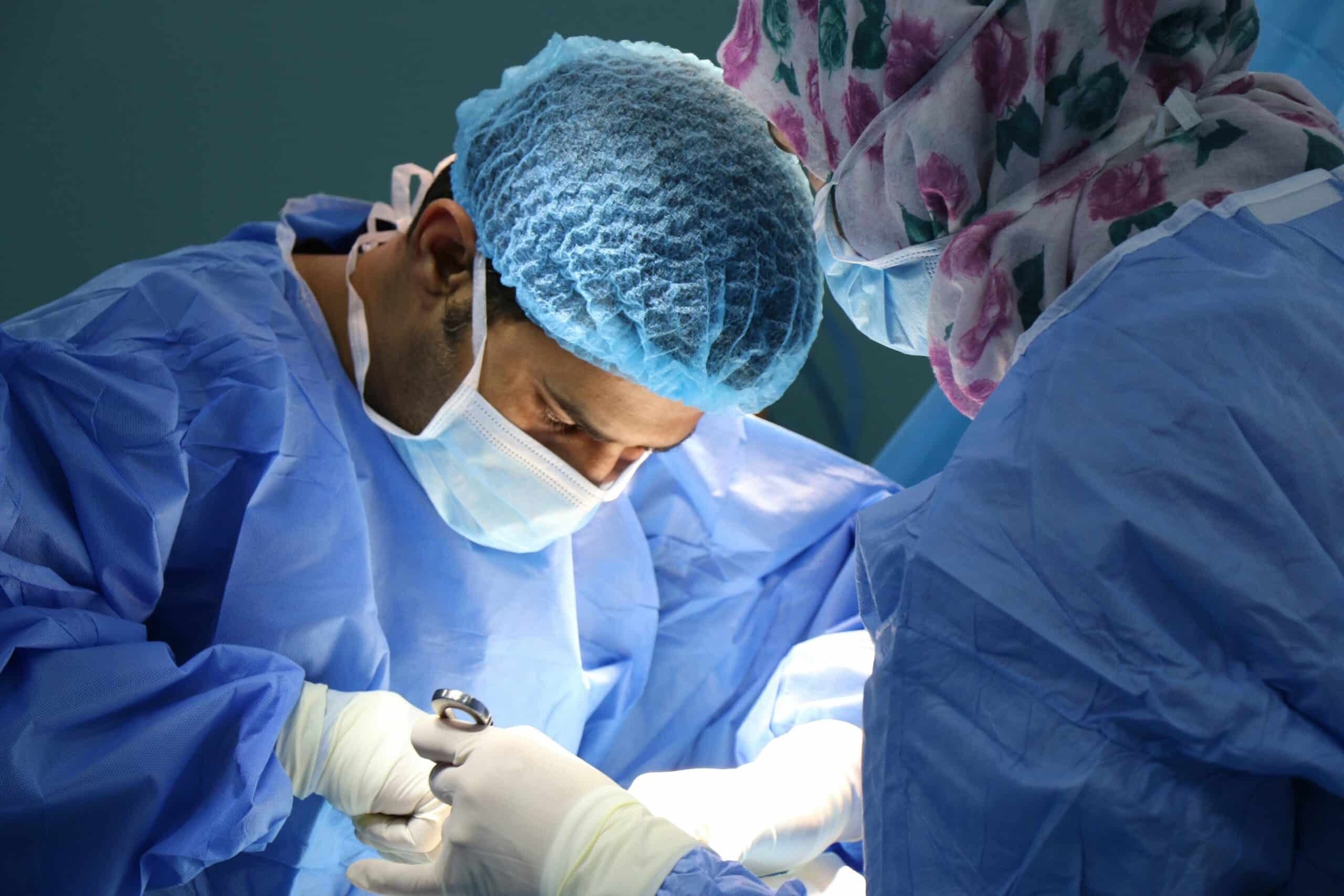
Treatment weighs symptom control, cancer-risk assessment, and the patient’s overall health. Excision surgery is often preferred for symptomatic or suspicious lesions because it removes disease and yields tissue for histology. When surgery is not appropriate or is used alongside other approaches, medical options such as aromatase inhibitors or progestogens can suppress local estrogen production and reduce symptoms—but they require monitoring for side effects. Supportive care—multimodal pain management, pelvic floor physical therapy, and coordinated follow-up—helps restore function and quality of life. If there is concern for malignancy, surgical management is commonly prioritized to obtain tissue diagnosis.
Why Is Excision Surgery Considered the Gold Standard for Postmenopausal Endometriosis?
Excision removes visible disease, relieves symptoms, and provides tissue for histologic evaluation—particularly valuable in postmenopausal patients where the small risk of malignant transformation must be excluded. Minimally invasive laparoscopy shortens recovery and lowers morbidity when feasible; specialist surgeons trained in excisional techniques tend to achieve more complete removal and better long-term symptom control. For women with masses suspicious on imaging or with progressive focal symptoms, excision both treats and clarifies the diagnosis, supporting its role as the preferred intervention in many cases.
This overview helps patients and clinicians weigh options based on goals, surgical fitness, and cancer-risk considerations.
How Do Aromatase Inhibitors and Hormonal Therapies Support Treatment?
Aromatase inhibitors lower intra-lesional estrogen and can reduce pain and lesion activity in selected postmenopausal patients, but they carry risks such as bone density loss and require specialist monitoring. Progestogens may provide symptom relief as alternatives or complements to surgery for those who are not surgical candidates. Treatment choice depends on symptom severity, overall health, malignancy considerations, and patient preference; specialist oversight ensures appropriate monitoring and dose adjustments. For patients seeking advanced surgical care, the Endo Excellence Center provides multidisciplinary planning and surgical excision by Dr. Rachael Ann Haverland, a Mayo Clinic–trained, board-certified specialist who emphasizes minimally invasive and whole-person care.
- Supportive therapies include multimodal pain management and pelvic floor physical therapy to restore function.
- Coordination with bowel or bladder specialists may be needed for organ-specific involvement.
- Regular follow-up and symptom surveillance are important after any treatment.
These combined strategies aim to maximize symptom relief while minimizing risk; specialist referral helps align treatment with the patient’s goals and overall health.
Frequently Asked Questions
Can endometriosis be diagnosed in women who have never had symptoms before menopause?
Yes. Endometriosis can be diagnosed in postmenopausal women who had no prior symptoms. It may be discovered incidentally on imaging or become active later due to hormonal or other influences. Any new pelvic symptoms after menopause should be evaluated so that endometriosis and other causes can be assessed.
What lifestyle changes can help manage symptoms of endometriosis after menopause?
Lifestyle measures can support symptom management. Regular physical activity, an anti-inflammatory diet rich in fruits, vegetables, whole grains, and omega-3s, and stress-reduction practices such as yoga or mindfulness may help. Pelvic floor therapy and sleep quality also influence pain and function. Discuss personalized strategies with your healthcare team to align lifestyle changes with your overall medical plan.
What are the risks associated with untreated postmenopausal endometriosis?
Untreated postmenopausal endometriosis can cause ongoing pain and, in some cases, organ-specific problems such as bowel or bladder dysfunction. Rarely, endometriotic lesions can undergo malignant change, so unexplained postmenopausal symptoms warrant timely evaluation. Left unchecked, chronic pain may affect quality of life and daily function; appropriate assessment and follow-up are important.
How does the presence of endometriosis affect the risk of developing other health conditions?
Endometriosis has been associated with a higher incidence of some other health issues, including certain ovarian cancers in specific contexts, as well as infertility and chronic pain syndromes. The inflammatory nature of the disease may contribute to broader health effects. Regular monitoring and a comprehensive care plan help address potential risks and comorbidities.
What should women do if they experience new symptoms after menopause?
If you notice new pelvic pain, unexpected bleeding, or changes in bowel or bladder function after menopause, seek medical evaluation promptly. These symptoms may signal endometriosis or other conditions that require imaging, targeted testing, or specialist referral. Early assessment helps guide appropriate treatment and rules out more serious causes.
Are there any non-surgical treatment options for postmenopausal endometriosis?
Yes. Non-surgical options include hormonal therapies—such as progestogens and aromatase inhibitors—that can suppress local estrogen production and ease symptoms for some patients. Pain management techniques, pelvic floor physical therapy, and complementary approaches may also provide relief. Discuss risks and benefits with a specialist to choose the safest, most effective plan for your situation.
Conclusion
Postmenopausal endometriosis requires careful attention: recognizing symptoms, using targeted diagnostics, and choosing individualized treatments can markedly improve comfort and function. Specialist evaluation ensures appropriate imaging, timely tissue diagnosis when needed, and access to surgical or medical options tailored to each person’s risks and goals. If you have new pelvic symptoms after menopause, consult a clinician experienced in endometriosis to review next steps and personalized care choices.