

Physical therapy can play a central role in managing endometriosis-related pain and supporting recovery. When tailored to each person, gentle movement and low-impact exercise improve circulation, reduce inflammation, and build pelvic strength without overloading sensitive tissues. Activities such as swimming and restorative yoga often reduce strain while promoting endurance and function.
Equally important is stress management and guided rehabilitation. Mindful breathing, relaxation techniques, and a structured rehab plan help people tolerate activity, recover after procedures, and prevent the muscle guarding that can prolong pain. Together, movement, manual care, and stress strategies form a practical, evidence-informed approach that supports better day-to-day functioning and quality of life.
How Does Physical Therapy Alleviate Endometriosis Pain?

Physical therapy reduces pain by combining targeted, low‑impact exercise with hands‑on techniques and strategies that address the factors that amplify symptoms. Gentle movement improves blood flow and tissue mobility, stretching and strengthening restore muscle balance, and relaxation practices reduce sympathetic arousal that can worsen pain. When balanced with appropriate rest, these components work together to lower inflammation, ease cramps, and support pelvic health.
An initial physical therapy assessment typically includes a detailed history, symptom mapping, posture and movement screening, and an evaluation of pelvic floor muscle coordination. Therapists use these findings to set measurable short- and long-term goals, for example, reducing pain during specific activities, improving walking tolerance, or restoring comfortable sexual function. Progress is tracked through patient-reported outcomes and observable functional changes.
Understanding Pelvic Floor Dysfunction in Endometriosis
Pelvic floor dysfunction difficulty relaxing or coordinating the pelvic muscles is common in people with endometriosis and often contributes to pelvic pain, painful intercourse, and urinary or bowel symptoms. Recognizing and treating pelvic floor dysfunction with targeted physical therapy can reduce symptom severity and help restore normal function and comfort.
Symptoms that suggest pelvic floor involvement include worsening pain with prolonged sitting, difficulty emptying the bladder or bowels, pain during intercourse, and a sense of tightness or pressure. A trained pelvic health clinician will teach down-training and release strategies, often combining manual release with breathing and paced activity to reduce guarding and restore coordinated contractions.
Research supports early assessment and referral to pelvic floor physiotherapy after an endometriosis diagnosis to prevent and treat pelvic floor impairments.
Pelvic Floor Physiotherapy for Endometriosis Pain & Dysfunction
Patients showed a high prevalence of pelvic floor pain and dysfunction features such as low muscle endurance and difficulty relaxing. The findings support referring patients with endometriosis to a pelvic floor physiotherapist early after diagnosis for assessment and tailored treatment to prevent or address pelvic floor impairments.
Sensory and muscular functions of the pelvic floor in women with endometriosis – cross-sectional study, 2023
Techniques Used in Pelvic Floor Physical Therapy
Techniques commonly used in pelvic floor physical therapy include:
- Restoring Muscle Coordination : Targeted exercises teach the pelvic floor to engage and relax in the right sequence, easing pain and improving function.
- Easing Pelvic Myofascial Pain : Manual therapy addresses trigger points and tight fascial areas that contribute to persistent discomfort.
- Manual Techniques : Hands‑on approaches reduce tension, improve mobility, and support other therapeutic exercises.
- Electrophysical Modalities : Modalities such as electrical stimulation can be used selectively to modulate pain and support muscle activation.
- Structured Rehabilitation Post-Surgery : Individualized rehab protocols support recovery and prevent compensatory patterns after surgical treatment.
These methods are combined and adapted to each person’s symptoms and goals to improve muscle function and reduce pelvic pain.
Practical examples of clinic techniques include guided diaphragmatic breathing to reduce pelvic floor resting tone, graded pelvic floor down-training drills (learning to relax on command), gentle scar mobilization after surgery, and progressive loading of hip and core muscles to restore support. Education on pacing, sleep, and activity modification is central to reduce fear and prevent flare cycles.
Recent trials and program descriptions further illustrate how comprehensive, progressive training benefits people with endometriosis.
Endometriosis Exercise & Pelvic Floor Training for Pain Relief
Weekly group training, led by women’s health physiotherapists, combined individualized strength work for large muscle groups and the pelvic floor with endurance, flexibility, and relaxation training. Individual programs followed the same principles and were performed multiple times per week, with pelvic floor muscle training recommended daily. A group pain‑management course emphasized exercise as a self‑management tool.
…exercise training and pelvic floor muscle training used as an empowering tool among women with endometriosis? Experiences among women with endometriosis…, MK Tennfjord, 2024
What Are the Key Physical Therapy Techniques for Endometriosis Relief?

Key techniques that commonly form part of a physical therapy plan include:
- Gentle Exercises : Low‑impact activities swimming, walking, Pilates improve circulation, tone muscles, and reduce cramping without aggravating lesions. Therapists often prescribe short, frequent sessions that respect symptom limits while gradually increasing tolerance.
- Stretching Exercises : Targeted stretches relieve muscular tension and ease period‑related discomfort. Stretching is paired with breathing to avoid reflexive tightening.
- Mindfulness and Relaxation Practices : Deep breathing and mindfulness lower stress responses that amplify pain. These practices are taught as practical tools to use during flares and before exercises to improve engagement.
- Pelvic Floor Physical Therapy : Early and ongoing pelvic floor care prevents guarding and restores coordination. Interventions include both internal and external techniques as appropriate and always with informed consent.
- Acupuncture : May reduce short‑term pain and help with anxiety in some patients. When available, it can be integrated with a rehabilitation program to support relaxation and pain coping.
- Hydration and Nutrition : Adequate fluid intake and an anti‑inflammatory diet support recovery and activity tolerance. Nutrition advice is coordinated with dietitians when dietary changes are needed to manage inflammation and energy.
These elements are selected and combined based on individual need to improve function and reduce symptoms.
Targeted Exercises to Improve Pelvic Floor Muscle Function
Targeted routines such as graded pelvic floor strengthening, relaxation drills, and appropriate Kegel variations focus on coordination and endurance rather than forcing maximal contractions. Combined with gentle stretching, these exercises reduce pain, support pelvic stability, and form an essential part of comprehensive therapy.
A typical exercise progression starts with guided awareness and breathing, moves to short, low-load contractions coordinated with exhale, and then advances to functional tasks that integrate the pelvic floor with the hips, core, and lower back. Home programs emphasize short practice sessions multiple times a day rather than long, fatiguing sets.
Manual Therapy and Its Role in Pain Reduction
Manual therapy provides hands‑on strategies to release tight tissue, restore normal movement patterns, and reduce myofascial pain. When paired with active rehabilitation, manual approaches can accelerate symptom relief and improve tolerance for daily activities and exercise.
Manual techniques may include external soft tissue release, joint mobilizations for nearby joints that contribute to pelvic mechanics, and careful internal work when indicated. Clinicians explain each technique in advance and monitor responses closely to avoid flare-ups.
How Does Physical Therapy Complement Excision Surgery for Endometriosis?
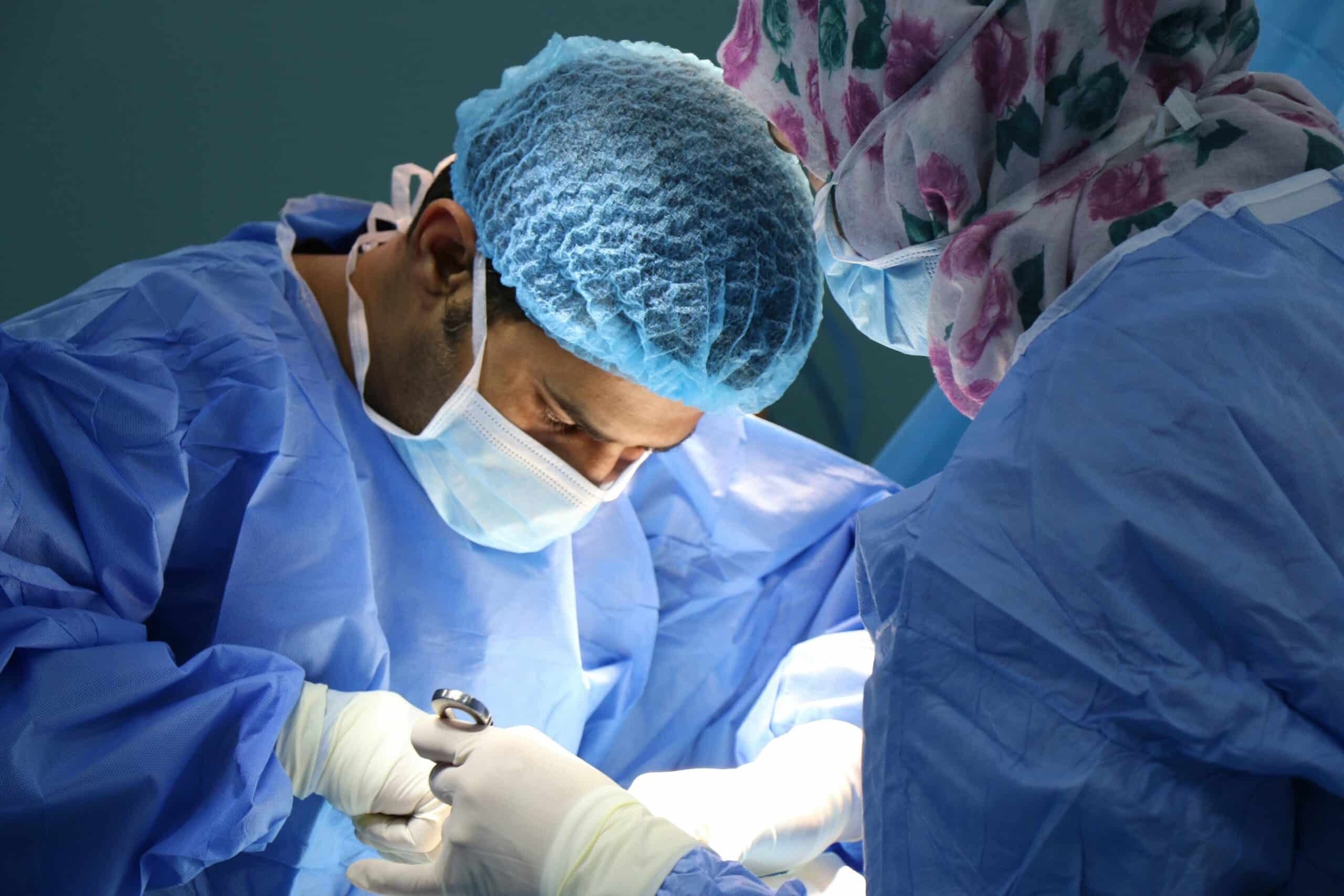
Physical therapy complements excision surgery by preparing muscles and tissues before an operation and by providing progressive rehabilitation afterward. Preoperative optimization can reduce anxiety and improve postoperative coping. Early pelvic floor therapy after surgery helps avoid compensatory guarding and supports a smoother recovery when coordinated with the surgical team.
Preoperative PT (“prehab”) often targets breathing, gentle mobility, and education about expected postoperative restrictions. This preparation can help patients resume safe activity more quickly and follow rehabilitation milestones with clearer expectations.
Post-Excision Surgery Rehabilitation Protocols
The post‑excision rehabilitation process typically progresses through phases:
- Early Recovery (Days 1–7) : Pain control, incision care, and gentle mobilization. Short walks are encouraged to support circulation and reduce clot risk.
- Intermediate Recovery (Weeks 2–6) : Gradual return to light work and daily activities; avoid heavy lifting until cleared by your surgeon.
- Long-Term Recovery (After 6–12 Weeks) : Healing continues over months for complex cases. Many people report meaningful pain reduction and improved energy during this period.
Early goals focus on safe mobility, sleep and pain control, and preventing protective patterns. Intermediate goals introduce progressive strengthening, scar desensitization, and restoration of day-to-day tasks. Long-term goals emphasize return to full function, gradual reintroduction of higher-load activities, and strategies to maintain gains.
Red flags that require prompt medical review include signs of infection at incision sites, severe worsening pain unresponsive to prescribed management, fever, or new neurological symptoms. Therapists coordinate closely with surgeons and primary care teams when concerns arise.
Benefits of Combining Surgery with Physical Therapy
- Lower Risk of Pain Recurrence : Rehabilitation and muscle re‑education can reduce patterns that lead to returning pain.
- Faster Return to Function : Tailored rehab often speeds the safe return to daily activities.
- Better Emotional Outcomes : A recovery plan that includes mental health support improves coping and well‑being.
- Improved Muscle Function : Pelvic floor work before and after surgery enhances coordination and reduces myofascial pain.
- Reduced Inflammation : Nutrition counseling that targets inflammation supports tissue healing.
- Enhanced Pain Coping : Psychological support helps lower anxiety and strengthen pain‑management skills.
Together, these elements create a more complete recovery pathway that addresses both physical and emotional needs.
What Non-Surgical Treatments Enhance Endometriosis Pain Management?

Non‑surgical options that can complement physical therapy include:
- Pelvic Floor Physical Therapy : Restores coordination and eases myofascial symptoms.
- Mind-Body Practices : MBSR, yoga, and similar approaches lower stress and pain sensitivity.
- Acupuncture : May influence central pain pathways and reduce perceived pain.
- Targeted Supplements : Omega‑3s and magnesium can support anti‑inflammatory and neuromuscular balance (use under clinical guidance).
- Cognitive Behavioral Therapy (CBT) : Helps reframe pain‑related thinking, increase graded activity, and improve daily function.
- Dietary Changes : Anti‑inflammatory nutrition can support symptom management.
- Stress Management Techniques : Practices such as controlled breathing and mindfulness reduce the stress that amplifies pain.
Combining these strategies with individualized physical therapy often yields the best results for lowering baseline pain and improving quality of life.
In practice, non-surgical treatments are chosen to match individual goals and tolerances. For example, a patient with prominent anxiety about pain may start with CBT and gentle breathing exercises alongside low‑impact exercise, while someone with dominant myofascial pain may prioritize pelvic floor release and manual therapy.
Role of Multidisciplinary Approaches Including Physical Therapy
Multidisciplinary care where surgeons, physiotherapists, nutritionists, and mental health providers coordinate offers a clear advantage. Physical therapy restores movement and reduces guarding, while other specialists address inflammation, fertility concerns, and emotional resilience. When teams communicate, patients receive a consistent recovery plan that supports both short‑term symptom relief and longer‑term function.
Practical coordination may include shared treatment goals, joint clinic notes, and agreed-upon timelines for returning to activities. This coordination reduces mixed messages and supports safer, more efficient recovery.
Integrating Pain Management Strategies with Therapy
Integrating pain management with therapy means selecting evidence‑based tools that match each person’s symptom drivers. A typical integrated plan might include pelvic floor therapy, mind‑body practices, acupuncture where appropriate, targeted supplements under medical supervision, and CBT to address pain beliefs and avoidance. Tailored combinations reduce baseline pain, improve tolerance for interventions, and strengthen daily coping skills.
- Pelvic Floor Physical Therapy : Helps restore muscle coordination and alleviate pelvic myofascial pain.
- Mind-Body Practices : Techniques like MBSR and yoga lower stress and pain sensitivity.
- Acupuncture : Modulates pain signaling through central pathways.
- Targeted Supplements : Omega‑3 and magnesium support anti‑inflammatory and neuromuscular balance.
- Cognitive Behavioral Therapy (CBT) : Addresses maladaptive beliefs and promotes graded activity to reduce pain perception and improve mental health.
- Mindfulness Techniques : Cultivates nonreactive awareness, reducing chronic stress and pain sensitivity.
These strategies are most effective when personalized, combined, and adjusted over time to meet changing goals and responses.
Which Anatomical Structures Are Targeted in Physical Therapy for Endometriosis?

Physical therapy targets the pelvic floor muscles, surrounding connective tissues, and areas affected by adhesions that limit mobility or contribute to pain. The goal is to improve muscle function and reduce secondary sources of pain; it does not treat ectopic endometrial lesions themselves, which require medical or surgical management.
Pelvic Floor Muscles and Their Importance
The pelvic floor is central to restoring coordination and easing myofascial pain. Pelvic floor work is often combined with mind‑body practices, acupuncture, and nutrition strategies to lower baseline pain and improve readiness for any medical or surgical interventions.
Addressing Nerve Pain and Inflammation Through Therapy
- Pelvic Floor Physical Therapy : Restores muscle coordination and reduces myofascial contributors to pain.
- Acupuncture : May modulate central pain processing and reduce perceived pain.
- Mind-Body Practices : MBSR, yoga, and similar methods lower stress and pain sensitivity.
- Cognitive Behavioral Therapy (CBT) : Reframes pain responses and promotes graded re‑engagement in activity.
- Targeted Supplements : Omega‑3 and magnesium can support anti‑inflammatory effects and muscle relaxation when supervised clinically.
These strategies are most effective when tailored to individual symptom drivers and combined as part of a coordinated plan.
What Recent Research Supports Physical Therapy for Endometriosis Relief?

Recent studies highlight the benefits of gentle exercise and structured physical therapy programs for people with endometriosis. Low‑impact activity like swimming and Pilates improves circulation and pelvic strength while limiting tissue strain. Early post‑operative pelvic floor therapy helps prevent maladaptive muscle guarding. Broadly, integrating physical therapy with manual and psychological interventions has been shown to improve quality of life and reduce perceived stress.
Clinical Studies from 2020-2023 on Therapy Efficacy
Evidence through 2023 indicates that structured physical therapy programs produce measurable reductions in pain and improvements in function for many patients. Studies describe individualized and group‑based regimens that combine strength, flexibility, and relaxation training with pelvic floor work and self‑management education.
Expert Guidelines and Recommendations
Clinical guidance increasingly recommends incorporating physical therapy into endometriosis care plans. Experts emphasize individualized programs that address both physical and psychological aspects of the condition to optimize outcomes and quality of life.
Frequently Asked Questions
What should I expect during my first physical therapy session for endometriosis
Your first session typically includes a thorough intake: medical history, symptom review, and goal‑setting. The therapist will assess pelvic floor function, posture, and movement to identify tension patterns. From that assessment they will create a personalized plan that may start with gentle exercises, education, and simple manual techniques. The visit will also include guidance on pacing and home strategies you can use between appointments.
How often should I attend physical therapy sessions for endometriosis?
Frequency depends on symptom severity and goals. Many people begin with one to two sessions per week during the active phase of care, then taper to biweekly or monthly visits as they progress. Your therapist will adjust the schedule based on your response and recovery milestones consistency is key to meaningful improvement.
Can physical therapy help with emotional symptoms related to endometriosis?
Yes. Physical therapy often includes relaxation and mindfulness techniques that reduce stress and sympathetic overactivation. When combined with counseling or CBT, rehabilitation helps improve mood, coping, and daily function. The therapeutic relationship itself also provides validation and practical support that many patients find emotionally beneficial.
Are there any risks associated with physical therapy for endometriosis?
Physical therapy is generally safe, but temporary soreness or increased discomfort can occur, particularly when starting new exercises. The risk is minimized when therapists are trained in pelvic health and programs are individualized. Open communication about pain during sessions is essential so exercises can be adjusted safely.
How can I find a qualified physical therapist for endometriosis?
Ask your gynecologist or care team for referrals to pelvic health specialists. Look for therapists with women’s health or pelvic floor certifications and experience treating chronic pelvic pain or endometriosis. Professional directories (for example, the APTA’s women’s health section), patient reviews, and clinic descriptions can help identify experienced providers.
What lifestyle changes can complement physical therapy for endometriosis?
Lifestyle changes that support physical therapy include an anti‑inflammatory diet rich in fruits, vegetables, whole grains, and omega‑3s; regular low‑impact exercise such as walking or swimming; consistent sleep; hydration; and stress‑reduction practices like mindfulness or gentle yoga. These habits enhance recovery and improve resilience to flare‑ups.
Conclusion
Physical therapy is a practical, evidence‑informed component of endometriosis care that addresses muscle function, mobility, and the stress responses that amplify pain. By combining gentle exercise, manual care, mindfulness, and tailored rehabilitation, people can often reduce symptoms and improve daily functioning. If you’re navigating endometriosis, a coordinated program that links PT with surgical, nutritional, and psychological support offers the best chance for lasting improvement. Learn how our programs can help you build a sustainable path to better function and quality of life.