

Endometriosis occurs when tissue similar to the uterine lining grows outside the uterus. In adolescents it often shows up as severe period pain and other ongoing symptoms that can be mistaken for typical cramps. This guide explains early signs of endometriosis in teenagers, how clinicians approach adolescent endometriosis diagnosis, and the range of treatment and support options so families can recognize red flags and pursue timely care. Many teens and parents find it hard to tell routine dysmenorrhea from pathological pain; early recognition matters because prompt evaluation shortens diagnostic delay and improves day-to-day function and future fertility outcomes. You’ll learn the common symptoms teen girls report, what to expect during a diagnostic workup, treatment paths beyond simple pain relief, and practical strategies for managing school, sports, and emotional wellbeing. We also map clear “when to see a doctor” checkpoints, explain how excisional laparoscopy is used both diagnostically and therapeutically, and list resources for advocacy and specialist referral. Keywords such as symptoms of endometriosis in teenagers and adolescent endometriosis diagnosis are woven through this parent- and clinician-focused guide to help families act with confidence.
What Are the Common Signs and Symptoms of Endometriosis in Teen Girls?
In teens, endometriosis most often causes severe menstrual cramps (dysmenorrhea), chronic pelvic pain, and sometimes heavy periods (menorrhagia). These complaints in adolescents should prompt evaluation rather than routine reassurance. The condition involves ectopic endometrial‑like lesions—on the ovaries, pelvic peritoneum, or involving bowel/bladder—that drive inflammation, referred pain, and adhesions. Early awareness speeds referral for appropriate testing and management. Teens commonly describe pain starting before or during menses that limits school or sports, and digestive or urinary symptoms may occur alongside pelvic pain. Recognizing these patterns helps parents and clinicians prioritize further assessment instead of dismissing symptoms as “normal periods.” Below are practical symptom cues and red flags to watch for.
Common signs to scan for include:
- Severe cramps that regularly keep the teen home from school or confined to bed.
- Heavy or prolonged bleeding that disrupts daily activities and energy levels.
- Chronic pelvic pain between periods or pain that worsens over months.
- Bowel or bladder symptoms linked to the menstrual cycle, such as painful bowel movements or urinary urgency.
- Significant fatigue, nausea, or dizziness that accompanies menstrual pain.
- Pain with tampon use or with sexual activity (in older teens) that is new or getting worse.
These signs point toward an evaluation for adolescent endometriosis and lead into the diagnostic pathway described below.
Intro to symptom comparison table: The table below summarizes core symptoms and how they typically present in teenagers to make quick scanning easier for parents and clinicians.
This quick reference clarifies how symptoms commonly show up in adolescents and underscores why patterns—not single episodes—warrant further evaluation.
How Do Severe Menstrual Cramps Indicate Endometriosis in Teenagers?
Severe cramps (dysmenorrhea) are the hallmark symptom that raises suspicion for endometriosis when they’re much worse than expected and limit daily function. Ectopic lesions produce inflammation and nerve sensitization that amplify pain. Parents should note if pain leads to missed school days, frequent use of stronger pain medications beyond simple NSAIDs, or symptoms like vomiting or fainting—these functional impacts help distinguish pathological pain from typical period discomfort. Pain that begins early and progressively worsens, or pain that doesn’t respond to first‑line treatments, increases the likelihood that endometriosis is involved. A practical cue: pain that rates high on a numeric scale and prevents routine activities is a red flag prompting clinical evaluation. Watching cramps in this way helps trigger assessment for other non‑cramping symptoms that often accompany endometriosis.
What Other Symptoms Like Heavy Periods and Pelvic Pain Should Teens Watch For?
Beyond cramping, heavy periods and pelvic pain between cycles are common features. Heavy bleeding can lead to iron deficiency and fatigue, while non‑cyclic pelvic pain suggests ongoing inflammatory disease. Teens may also report gastrointestinal symptoms—bloating, constipation or diarrhea—or urinary complaints such as urgency or painful urination that overlap with IBS or interstitial cystitis; noting whether these symptoms follow the menstrual cycle is key. Fatigue, mood changes, and social withdrawal frequently follow persistent pain and missed activities, highlighting the need for a holistic evaluation. Tracking timing, pattern, and impact on school or sports creates useful documentation for clinicians and helps prioritize imaging or specialist referral.
How Is Endometriosis Diagnosed in Adolescents? What Parents and Teens Need to Know
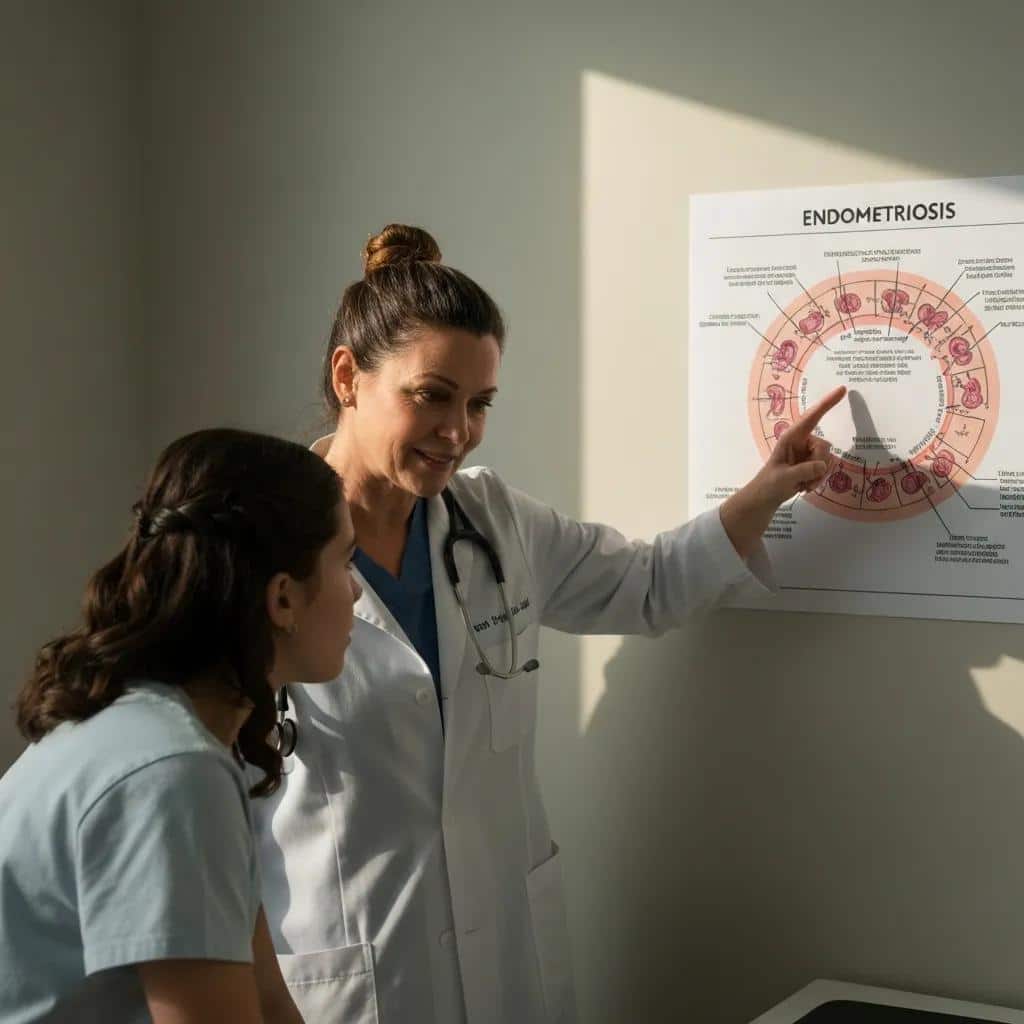
Diagnosis starts with a focused medical history and an age‑appropriate physical exam; this clinical foundation guides which tests, if any, are useful and helps avoid unnecessary procedures. Imaging—pelvic ultrasound (transabdominal or transvaginal when appropriate) and sometimes MRI—can identify ovarian endometriomas and map deep disease but may miss small peritoneal lesions common in adolescents. Thus imaging complements but does not replace careful clinical judgment. The diagnostic gold standard remains diagnostic laparoscopy with excision, which allows direct visualization, tissue diagnosis, and removal of lesions; in modern adolescent care this step is both diagnostic and therapeutic when indicated. Parents can prepare for the diagnostic pathway by documenting symptom history and school/sports impact and by discussing exam options and potential referral to a pediatric gynecologist or endometriosis specialist.
The following numbered steps summarize a practical diagnostic pathway:
- Document symptom timing, severity, and the effect on daily life to bring to the first visit.
- Undergo a targeted physical exam and consider pelvic ultrasound or MRI if ovarian involvement is suspected.
- Ask for a specialist referral when symptoms are progressive, disabling, or imaging is inconclusive.
- If indicated, pursue diagnostic laparoscopy with excision for definitive diagnosis and treatment.
Intro to diagnostic table: The table below outlines each diagnostic step, what it can show, and practical limitations so teens and families have realistic expectations.
Advanced excisional laparoscopy performed by experienced surgeons offers the best diagnostic accuracy and the greatest chance of symptom relief. For complex adolescent cases or when conservative care fails, specialized centers focused on excision can evaluate the need for diagnostic and therapeutic laparoscopy. Families may prefer multidisciplinary teams that combine surgical expertise with pelvic physical therapy and mental health support. Surgeons trained in excisional techniques aim to remove all visible disease to reduce recurrence and improve outcomes, and clinicians experienced with adolescents tailor perioperative planning and recovery expectations accordingly.
What Treatment Options Are Available for Teenage Endometriosis Beyond Pain Relief?

Care for teens is multidisciplinary, combining symptom control, hormonal options, physical therapy, and sometimes surgery. The goals are to reduce pain, preserve daily function, and support long‑term reproductive health. NSAIDs and other analgesics treat acute pain, while hormonal therapies—combined oral contraceptives, progestins, and other agents—suppress cyclical inflammation and are effective as primary management for many adolescents. Pelvic physical therapy addresses coexisting pelvic floor dysfunction and can improve pain and sexual comfort. Lifestyle measures—sleep hygiene, nutrition, and graded exercise—support resilience. When symptoms are severe, progressive, or refractory to medical therapy, laparoscopic excision by an experienced surgeon is considered because excision removes disease rather than only ablating surface lesions, which can deliver superior long‑term relief.
Intro to treatment comparison table: Below is a concise comparison of common treatments with benefits and teen‑specific considerations.
How Does Endometriosis Excision Surgery Help Teens Live Pain-Free?
Excisional laparoscopy removes endometriotic implants and scar tissue, which lowers inflammatory signaling and nerve irritation—the processes that sustain pain. Evidence and clinical experience show that complete excision by surgeons skilled in adolescent care often leads to longer‑lasting symptom control and can reduce reliance on high‑dose hormonal suppression. The practical benefits include improved school attendance and return to sports. Recovery usually involves rest, a gradual return to activity, and adjunctive pelvic rehabilitation. Perioperative planning for adolescents should be family‑centered and cover goals, fertility considerations, and pain control. Because excision is technically demanding, families should seek surgeons experienced in pediatric or adolescent endometriosis to optimize outcomes and minimize recurrence.
What Are the Roles of Hormonal Therapy, Physical Therapy, and Lifestyle Changes?
Hormonal suppression—through continuous combined oral contraceptives or progestin‑only options—reduces cyclical inflammation and can control symptoms long term, often delaying or avoiding surgery. Pelvic physical therapy targets pelvic floor dysfunction, myofascial trigger points, and mobility restrictions to complement medical or surgical care and improve pain and sexual comfort. Lifestyle strategies—regular sleep, anti‑inflammatory food choices, graded aerobic exercise, and stress management—support overall symptom resilience and may reduce flare frequency. Families should integrate these approaches with medical plans rather than relying on them alone. Together, non‑surgical options form a comprehensive plan that preserves future choices, including excision if symptoms progress.
How Does Endometriosis Impact the Daily Life and Mental Health of Teenagers?
Endometriosis affects more than pelvic pain—it can disrupt school attendance, sports participation, friendships, and emotional development. Chronic pain often leads to missed classes, trouble concentrating, and falling grades; fear of flares can cause withdrawal from social activities and athletic teams, increasing the risk of anxiety and depression. Addressing the mental health impact means validating the teen’s experience, coordinating with schools for accommodations, and involving mental health professionals when mood or functioning are impaired. Integrated care teams that treat the whole adolescent yield better outcomes by combining medical, physical, and psychological supports.
In What Ways Can Endometriosis Affect School, Sports, and Social Activities?
Endometriosis frequently causes unpredictable absences, reduced participation in practices or games, and avoidance of social plans because of pain or fatigue—changes that can erode confidence and peer relationships. Timely interventions help preserve academic and athletic goals. Practical steps include documenting medical visits, arranging 504/IEP accommodations when appropriate, and creating graded return‑to‑activity plans with coaches and school nurses so the teen can participate safely. Helpful accommodations include flexible deadlines, excused absences with make‑up options, permission for rest breaks, and access to medication at school. These measures protect education and social integration and make it easier to address emotional concerns if withdrawal or low mood appears.
Intro to short list of school advocacy steps: The list below provides concrete actions families can take to reduce academic impact.
- Keep a dated symptom and absence log to share with school officials.
- Request a medical note outlining limitations and suggested accommodations.
- Meet with teachers, counselors, and coaches to explain flare patterns and agree on supports.
Using these steps helps preserve educational progress and ties into emotional coping strategies that support the teen’s identity and resilience.
How Can Parents and Teens Manage the Emotional Challenges of Endometriosis?
Emotional support starts with validation, honest conversation, and normalizing that chronic pain affects mood. This reduces isolation and improves engagement with treatment. Practical coping tools include cognitive‑behavioral strategies, teen support groups for chronic illness, and referral to adolescent mental health specialists when anxiety or depression interfere with daily life. Parents can encourage small, achievable goals to rebuild routine and identity around activities the teen can manage, and coordinate with the medical team so mental health care is part of the overall plan. Early attention to emotional wellbeing improves adherence to medical therapies and builds resilience through diagnostic and surgical processes.
When Should Teenagers and Parents Seek Expert Medical Care for Endometriosis Symptoms?
Families should seek expert medical care when pain is progressive, disabling, or accompanied by cycle‑linked bowel/bladder symptoms. Early referral shortens the diagnostic delay common in adolescent endometriosis and opens access to multidisciplinary planning, consideration of diagnostic laparoscopy with excision when indicated, and fertility‑preserving strategies. Clinicians generally recommend specialist referral if pain regularly causes missed school, requires strong analgesics, or if imaging suggests an ovarian endometrioma—these signs suggest conservative care may be insufficient. Clear thresholds empower families to act rather than wait, supporting better physical and emotional outcomes.
Featured red-flag checklist: Parents should seek specialist care if any of the following occur:
- Pain that regularly forces the teen to miss school or sports.
- Pain that steadily worsens month to month or is not relieved by NSAIDs.
- Cycle‑linked bowel or urinary symptoms that interfere with function.
- Heavy bleeding causing significant fatigue or iron deficiency.
What Are the Warning Signs That Differentiate Normal Period Pain from Endometriosis?
Routine menstrual cramps are usually predictable, mild‑to‑moderate, and respond to NSAIDs or hormonal cycles. Endometriosis‑related pain tends to be severe, progressive, and function‑limiting—the difference is best measured by impact on daily life. Associated symptoms such as bowel or bladder pain tied to periods, pain with tampon use or intercourse, and persistent non‑cyclic pelvic pain raise suspicion for endometriosis rather than isolated dysmenorrhea. Concrete thresholds for evaluation include repeated missed school days, need for prescription pain control, or increasing symptom burden despite initial therapy. Tracking severity, duration, and functional impact gives clinicians objective information and prompts timely specialist referral when patterns are concerning.
Why Is Early Diagnosis and Treatment Critical for Teen Endometriosis?
Early diagnosis and treatment can slow disease progression and limit adhesion formation, shorten years of untreated pain, and improve fertility‑related outcomes by addressing lesions before irreversible damage occurs. The mechanism is interruption of inflammation and lesion growth. Clinically, timely excision of lesions reduces chronic pain signaling and may lower recurrence compared with delayed or incomplete interventions. Mental health and school functioning also recover sooner when pain is controlled early—another reason not to dismiss severe adolescent menstrual pain and to pursue a comprehensive workup when red flags are present.
What Resources and Support Are Available for Teens Living with Endometriosis?
Teens and families benefit from a mix of clinical, educational, and community supports that reduce isolation and improve functioning. Clinical resources include pediatric gynecology, pelvic physical therapy, adolescent mental health providers, and multidisciplinary endometriosis teams that coordinate these services. Community options—peer support groups and reputable educational organizations—offer validation and practical coping strategies, while school advocacy tools help secure accommodations that keep teens academically engaged. Families should prioritize providers with adolescent expertise, and when surgery is needed, seek centers that offer excisional laparoscopy and coordinated perioperative support.
Intro to resource list: The following bullets highlight actionable resources and what they accomplish for teens and families.
- Clinical teams combining surgery, pelvic physical therapy, and mental health care to treat the whole adolescent.
- School advocacy supports, including sample letters and 504/IEP coordination to protect attendance and accommodations.
- Peer and online support groups that connect teens with others facing similar challenges.
These resources create a practical support network that helps teens continue school, sports, and social life while treatment proceeds.
How Can Families Advocate for Teens with Endometriosis in School and Healthcare Settings?
Advocacy starts with clear documentation: a symptom log, clinic notes, and a concise medical summary that explains limitations and recommended accommodations. Such documents are persuasive with school teams and athletic departments. Families should use direct, factual language when requesting supports—for example, time‑limited excused absences, extended deadlines during flares, and permission for medication at school—and offer to meet with counselors and coaches to build a shared plan. When needed, request specialist referrals and ask clinicians for written summaries schools can rely on. Proactive advocacy reduces friction and keeps adolescents engaged in activities.
Where Can Teens Find Specialized Care and Community Support?
When specialized care is required, prioritize centers offering a personalized, multidisciplinary approach with surgeons experienced in laparoscopic excision, pelvic physical therapists, and integrated mental health support. Endo Excellence Center in Plano, TX, is an example of a center focused on comprehensive, multidisciplinary endometriosis care with specialization in excisional surgery and a mission to help patients live pain‑free. Families should ask prospective teams about adolescent‑focused services, surgical technique (excisional laparoscopy), and coordinated post‑operative rehabilitation so expectations are clear. Choosing a specialist team that combines surgical skill with compassionate, whole‑person care can materially improve the teen’s trajectory.
Practical checklist for choosing a specialist:
- Confirm the surgeon’s experience with excisional laparoscopy in adolescents.
- Verify availability of pelvic physical therapy and adolescent mental health services.
- Ask how the center coordinates school accommodations and perioperative planning for teens.
Using this checklist helps families select a team that prioritizes long‑term function and quality of life.
For families ready to pursue expert evaluation, consider contacting a multidisciplinary center offering excisional laparoscopy, pelvic rehabilitation, and adolescent‑centered support. Providers and teams with experience in adolescent endometriosis combine technical skill with compassionate, individualized care to help teens return to normal activities. Involving a center experienced in adolescent endometriosis supports thorough diagnostic evaluation, evidence‑based treatment planning, and coordinated follow‑up that addresses both physical and emotional recovery.
Frequently Asked Questions
What lifestyle changes can help manage endometriosis symptoms in teenagers?
Healthy lifestyle habits can ease endometriosis symptoms. Regular, graded exercise, a balanced diet with anti‑inflammatory choices, and consistent sleep support overall wellbeing. Stress‑reduction practices such as yoga, mindfulness, or guided breathing can help manage pain and emotional strain. Keeping a symptom diary helps identify personal triggers and patterns so families and clinicians can refine treatment. These lifestyle measures work best when combined with medical care.
How can parents support their teens emotionally while dealing with endometriosis?
Emotional support is crucial. Parents can encourage open conversation, validate the teen’s experience, and normalize the emotional effects of chronic pain. Involving mental health professionals—therapists or counselors—can offer coping skills, and peer support groups help teens connect with others who understand. Practical support and empathy reduce isolation and improve engagement with treatment.
What role does pelvic physical therapy play in managing endometriosis?
Pelvic physical therapy is a key part of care for many teens, especially when pelvic floor dysfunction contributes to pain. Specialized therapists use manual techniques, targeted exercises, and education to reduce muscle tension, improve mobility, and increase comfort with daily activities and sexual function. When paired with medical or surgical treatment, pelvic PT often enhances overall outcomes.
How can schools accommodate students with endometriosis?
Schools can support students with endometriosis through tailored accommodations: flexible attendance policies, scheduled rest breaks, and access to medication on campus. Educating teachers and staff about the condition fosters empathy. Formalizing supports with a 504 Plan or IEP ensures consistent accommodations so the student can succeed academically while managing health needs.
What are the long-term implications of untreated endometriosis in teenagers?
Untreated endometriosis can result in persistent pain, possible fertility concerns, and emotional distress. The disease may progress, causing adhesions or ovarian cysts, and the psychological toll can include anxiety, depression, and social withdrawal that undermine school and relationships. Early diagnosis and treatment reduce these risks, improve quality of life, and help preserve reproductive health.
What should families consider when seeking specialized care for endometriosis?
When looking for specialized care, prioritize clinics experienced in adolescent care and offering a multidisciplinary approach. Ask about the surgeon’s experience with excisional laparoscopy—the preferred surgical technique for thorough lesion removal—as well as access to pelvic physical therapy and adolescent mental health services. Reviewing patient feedback and outcomes can help families make informed choices.
Conclusion
Recognizing endometriosis symptoms in teenagers is essential for timely care and better quality of life. Early diagnosis and a multidisciplinary approach can substantially reduce pain, protect school and social development, and support emotional wellbeing. Families are encouraged to seek specialized care and advocate for their teen’s needs in both medical and educational settings. Explore available resources to help guide your next steps toward effective management and support for adolescent endometriosis.