Endometriosis Diagnosis and Symptoms
Endometriosis is a complex condition where the tissue similar to the uterine lining grows outside the uterus. This can lead to a range of symptoms, including pelvic pain, heavy or irregular periods, and infertility. Understanding the diagnostic process and recognizing the common signs of endometriosis is crucial for seeking appropriate medical care and managing the condition effectively.
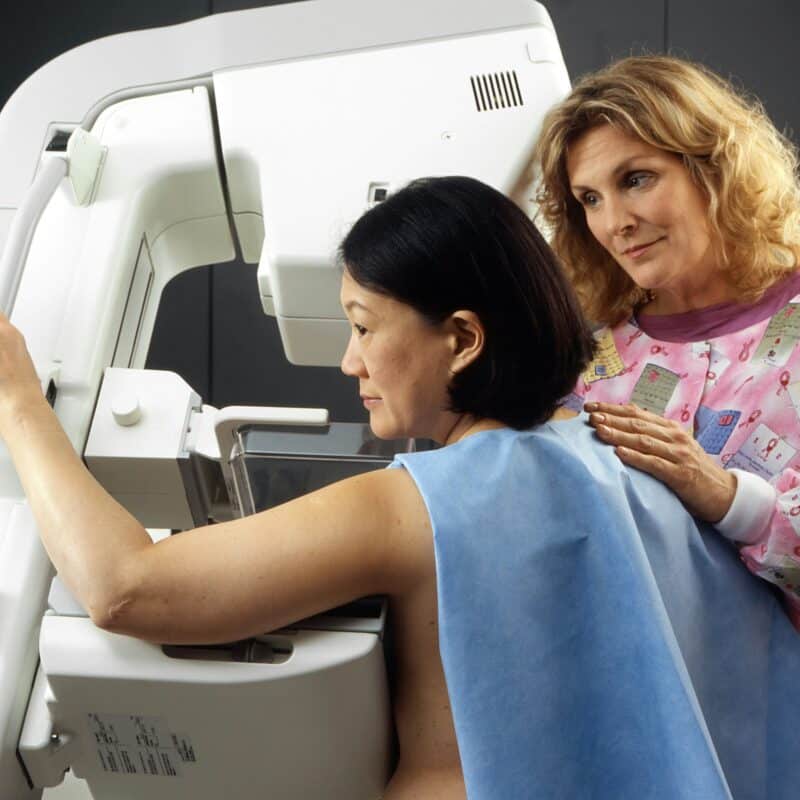
Endometriosis is often difficult to diagnose, as the symptoms can vary widely between individuals. A combination of physical exams, imaging tests, and sometimes laparoscopic surgery may be required to confirm the diagnosis. Tracking menstrual patterns, pain levels, and other symptoms can help healthcare providers develop a comprehensive understanding of the individual's condition and guide the appropriate treatment plan.
Endometriosis Treatment Options
There are several treatment options available for managing endometriosis, and the most suitable approach will depend on the individual's symptoms, the extent of the disease, and their personal preferences. Medication, such as hormonal therapy or pain relievers, can help alleviate symptoms, while surgical interventions, like laparoscopic excision, may be recommended in more severe cases to remove or destroy the endometrial tissue.
In addition to medical treatments, lifestyle modifications, such as maintaining a healthy diet, exercising regularly, and managing stress, can also play a significant role in managing endometriosis. Complementary therapies, including physical therapy, acupuncture, and mind-body practices, may also provide relief for some individuals.
Endometriosis and Fertility
Endometriosis can have a significant impact on fertility, as the growth of endometrial tissue outside the uterus can interfere with the normal reproductive processes. This can lead to difficulties in conceiving, and endometriosis is a leading cause of infertility in women.
However, there are various treatment options available to help individuals with endometriosis-related infertility, including medication, surgical interventions, and assisted reproductive technologies, such as in vitro fertilization (IVF). Working closely with a healthcare provider who specializes in endometriosis and fertility can help develop a personalized treatment plan and optimize the chances of achieving a successful pregnancy.
Endometriosis and Mental Health
Living with endometriosis can have a significant impact on an individual's mental health, as the chronic pain, debilitating symptoms, and challenges in managing the condition can lead to increased rates of anxiety, depression, and other mental health issues.
Addressing the mental health aspects of endometriosis is crucial for overall well-being and effective disease management. Seeking support from mental health professionals, joining support groups, and practicing stress-management techniques can all play a vital role in supporting individuals with endometriosis and improving their quality of life.