
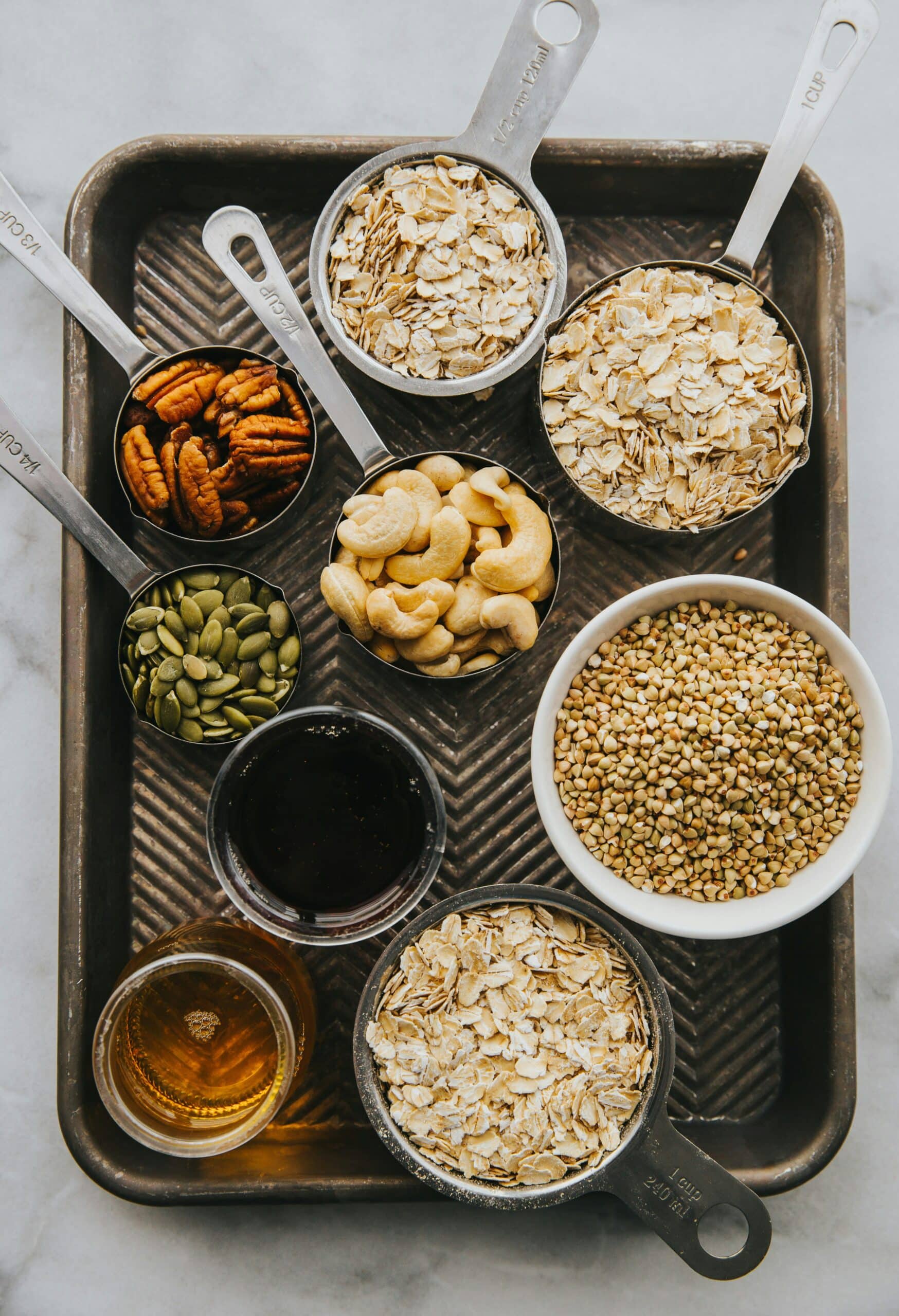
Endometriosis is a condition that affects millions of women, often causing ongoing pain and hormonal disruptions. While medical treatment is essential, diet can also play a key role in symptom management. One area gaining attention is the impact of gluten on inflammation and digestive health. For some, eliminating gluten helps ease discomfort and supports overall wellness. At the Endometriosis Center of Excellence, we explore all avenues of care, including dietary strategies. This blog covers how a gluten-free approach might benefit those navigating endometriosis.
Key Takeaways
- Gluten may trigger inflammation and worsen endometriosis-related symptoms like pain and bloating.
- A gluten-free diet can support gut health, hormone balance, and energy levels.
- Avoiding common gluten-containing foods is key to reducing immune response and discomfort.
- Adding whole, naturally gluten-free foods helps maintain nutrition while managing symptoms.
- Personalized plans from experts, like those at Endometriosis Center of Excellence, enhance results.
What Is Endometriosis and How Does It Affect Women?
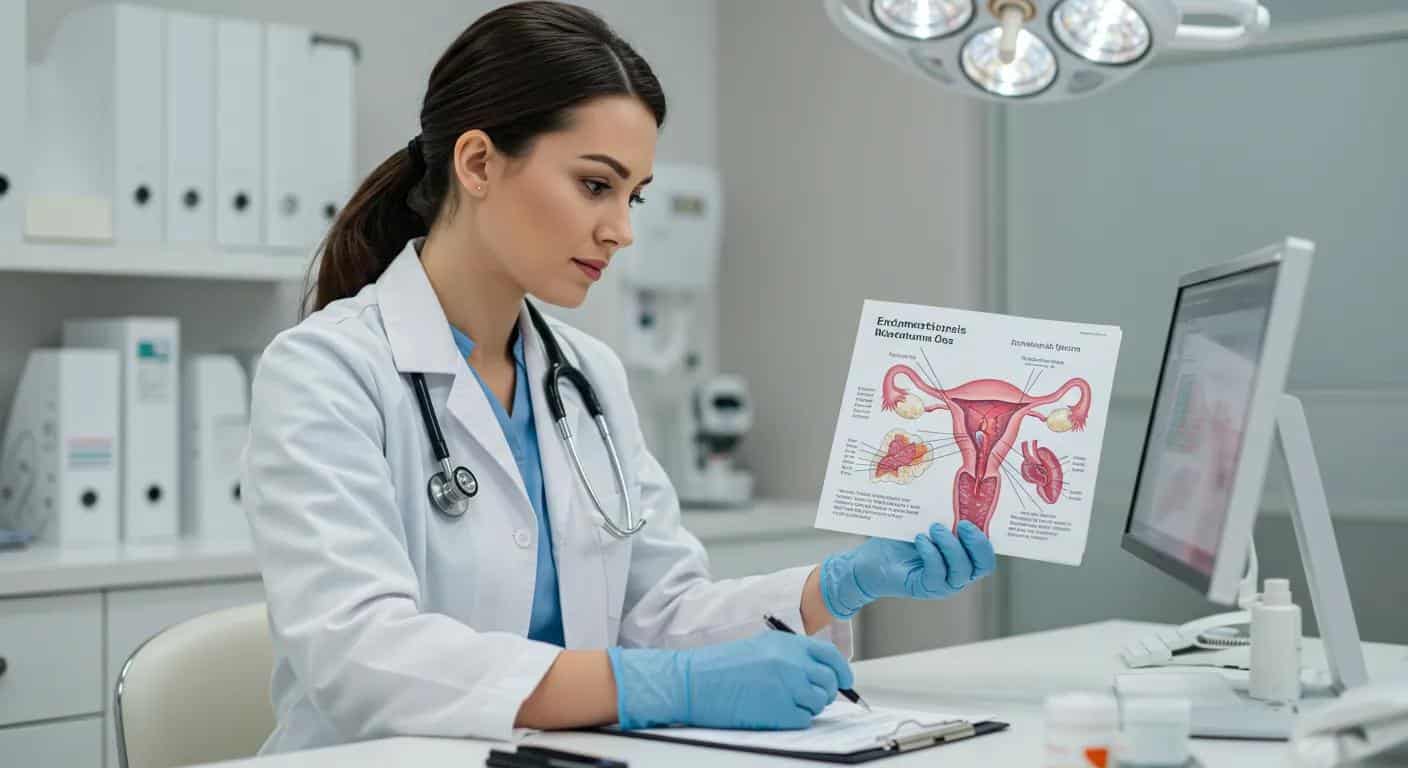
Endometriosis is a chronic condition where tissue similar to the uterine lining grows outside the uterus, causing pelvic pain, heavy bleeding, and sometimes infertility. This abnormal tissue growth triggers inflammation that may worsen pain and affect both physical and emotional health. Early diagnosis and proper management can reduce its long-term impact.
What Are the Common Symptoms of Endometriosis?
Common symptoms include severe pelvic pain during menstruation, pain during or after sexual intercourse, chronic fatigue, and sometimes gastrointestinal issues like bloating, constipation, or diarrhea. These symptoms can vary in intensity and significantly disrupt daily life, often prompting medical consultation.
How Is Endometriosis Diagnosed?
Diagnosis generally involves reviewing the patient’s medical history, pelvic exams, and imaging tests (ultrasound or MRI). Laparoscopy is considered the gold standard for confirming the presence and extent of lesions, with biopsy analysis further ensuring an accurate diagnosis. This process helps tailor effective treatment plans.
What Are Conventional Treatments for Endometriosis?
Treatments include hormonal therapies to regulate or stop the menstrual cycle, NSAIDs for pain relief, and surgical options like laparoscopy to remove endometrial tissues. While these methods can alleviate symptoms, potential side effects lead some women to explore complementary therapies such as dietary modifications.
How Does Gluten Impact Endometriosis Symptoms and Inflammation?

Gluten, a protein in wheat, barley, and rye, may worsen inflammation and digestive discomfort. It can trigger an immune response in susceptible individuals, increasing inflammatory cytokines that intensify pain and contribute to a “leaky gut,” further fueling inflammation.
What Is Gluten and Which Foods Contain It?
Gluten is found in wheat, barley, and rye. Common sources include bread, pasta, cereals, and baked goods, along with processed foods that may hide gluten. Recognizing and avoiding these foods is key for those whose inflammation and immune response are affected by gluten.
How Does Gluten Trigger Inflammation in Endometriosis?
By stimulating the immune system, gluten may increase the production of inflammatory cytokines, leading to greater tissue damage and pain. This heightened immune response can also disrupt hormonal balance, making a gluten-free diet a practical strategy for reducing endometriosis symptoms.
What Is the Connection Between Gluten and Hormonal Imbalance?
Gluten-induced inflammation can disturb hormone levels by affecting insulin resistance and estrogen metabolism. These hormonal imbalances may amplify menstrual pain and other symptoms, underscoring the benefit of dietary modifications in managing the condition.
What Are the Key Benefits of a Gluten-Free Diet for Endometriosis Relief?

Eliminating gluten can decrease the overall inflammatory load, leading to reduced pain and improved gastrointestinal function. A gluten-free diet also promotes gut health, aiding nutrient absorption and hormone regulation, which together enhance overall quality of life and may lower the need for pain medications.
How Does a Gluten-Free Diet Reduce Inflammation and Pain?
Removing gluten from the diet minimizes immune triggers, lowering pro-inflammatory markers and thus reducing pelvic and abdominal pain. This decrease in inflammation can help improve mobility and energy levels, contributing to an active lifestyle alongside conventional treatment methods.
Can a Gluten-Free Diet Improve Gut Health and Hormonal Balance?
Yes, by preventing intestinal permeability and supporting a balanced microbiome, a gluten-free diet enhances nutrient absorption and detoxification. Improved gut health can stabilize mood and energy levels while promoting hormonal balance, crucial for long-term symptom management.
What Evidence Supports Gluten-Free Diets for Endometriosis?
Studies and patient testimonials suggest that a gluten-free diet lowers pain levels and improves digestive health. Reported benefits include more regular menstrual cycles and reduced fatigue, indicating that nutritional interventions can serve as a valuable complement to traditional endometriosis treatments.
Which Foods Should Be Avoided on a Gluten-Free Diet for Endometriosis?
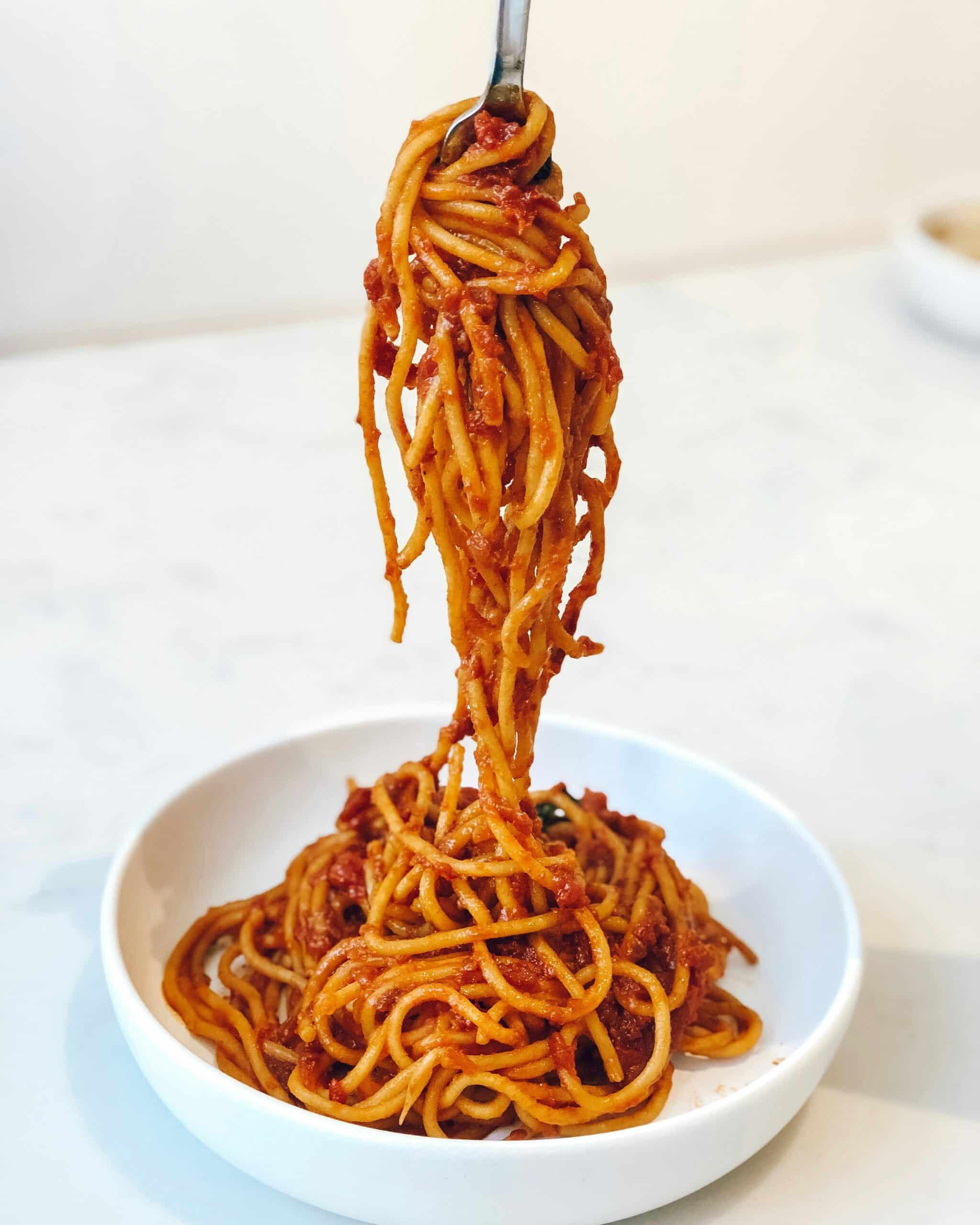
Women are advised to avoid gluten-containing foods such as bread, pasta, cereals, and baked goods made from wheat, barley, or rye. Additionally, processed foods and condiments with hidden gluten should be avoided to prevent inflammation and immune activation.
What Are Common Gluten-Containing Foods to Avoid?
Avoid all wheat-based products, including breads, pastas, and pastries, as well as barley and rye items like malt and rye bread. Careful label reading on processed foods is crucial in maintaining a strict gluten-free diet.
Are There Other Foods That May Worsen Endometriosis Symptoms?
Foods high in refined sugars, saturated fats, and dairy may worsen symptoms by promoting inflammation. Similarly, excessive red meat and certain processed snacks can exacerbate discomfort, making it important to minimize these items.
How Can You Identify Hidden Sources of Gluten?
Gluten can appear in sauces, soups, and processed foods as thickeners. Choosing certified gluten-free products and consulting a dietitian to develop a comprehensive shopping guide can help avoid unintentional gluten exposure.
What Are the Best Foods to Eat on a Gluten-Free Diet for Endometriosis?

A healthy gluten-free diet should emphasize naturally gluten-free grains, nutrient-rich fruits and vegetables, lean proteins, and healthy fats. These choices help reduce systemic inflammation and support overall reproductive health and energy levels while maintaining hormonal balance.
Which Gluten-Free Grains and Carbohydrates Are Recommended?
Grains like quinoa, rice, buckwheat, and millet are excellent gluten-free options that provide essential carbohydrates and fiber, supporting digestive health and stable blood sugar levels.
What Fruits, Vegetables, and Proteins Support Endometriosis Relief?
Consuming berries, leafy greens, and cruciferous vegetables supplies antioxidants and anti-inflammatory compounds. Lean proteins from fish, poultry, or plant sources support tissue repair and hormonal regulation, which are vital for managing chronic pain.
How Do Healthy Fats and Supplements Aid Symptom Management?
Healthy fats from avocados, olive oil, and nuts support cell function and hormone production. Omega-3 fatty acids from fatty fish and flaxseeds can further reduce inflammation, while supplements like vitamin D and magnesium may also help lower symptom severity.
How Can You Plan Gluten-Free Meals and Recipes for Endometriosis?
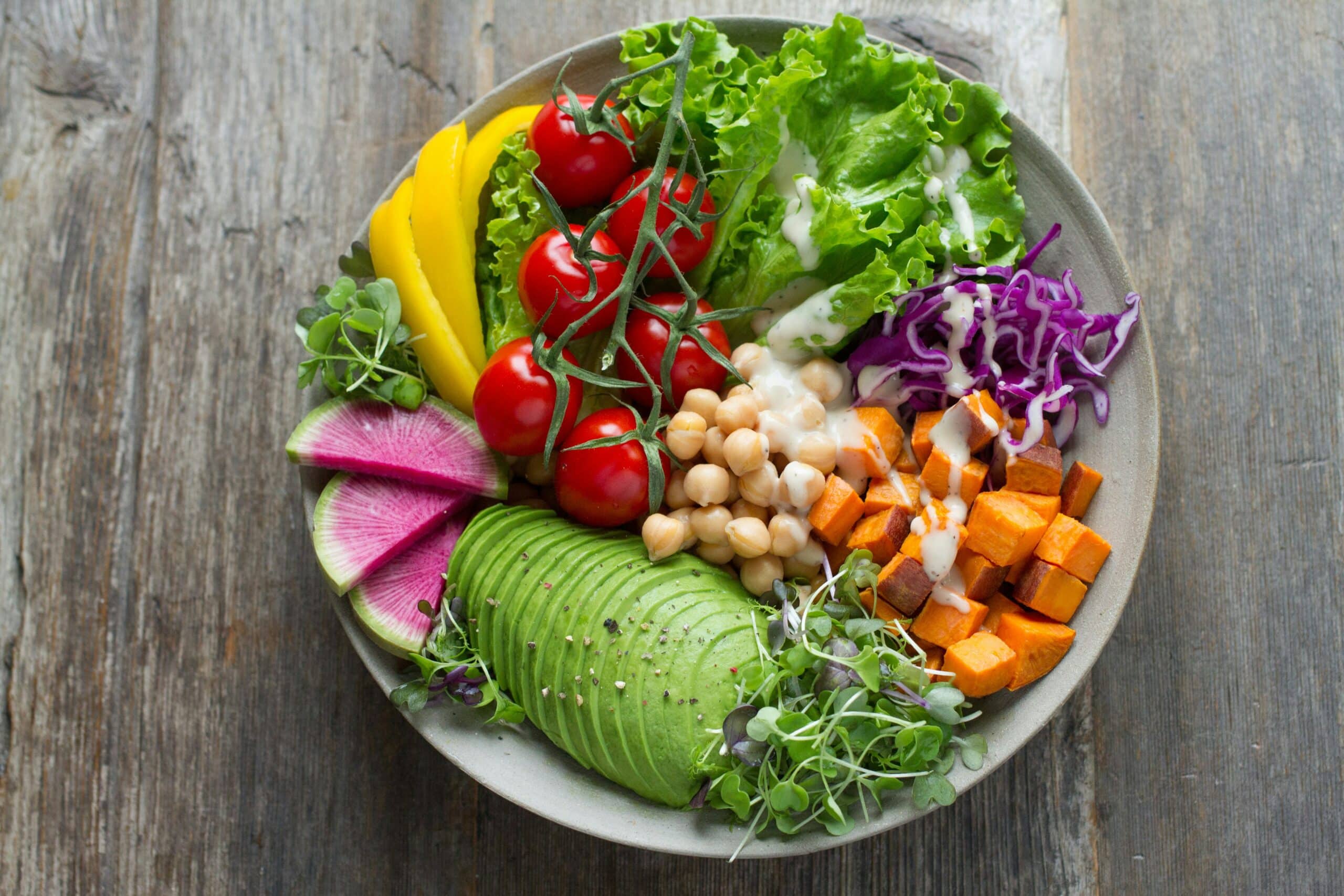
Meal planning is essential to successfully maintain a gluten-free diet. By preparing recipes that include whole grains, lean proteins, and various fruits and vegetables, women can meet their nutritional needs while avoiding gluten, thereby reducing the risk of accidental exposure.
What Are Easy and Nutritious Gluten-Free Recipes for Endometriosis?
Simple recipes such as quinoa salads, roasted vegetables with lean proteins, or smoothies with berries and greens are effective. These dishes are easy to prepare and provide anti-inflammatory benefits that support overall health.
How to Create a Gluten-Free Shopping Guide for Endometriosis?
A shopping guide should clearly list gluten-containing items to avoid and suggest safe alternatives, including options for grains and dairy substitutes. Working with a dietitian can ensure the guide is accurate and builds confidence in dietary choices.
What Lifestyle Factors Complement a Gluten-Free Diet for Managing Endometriosis?
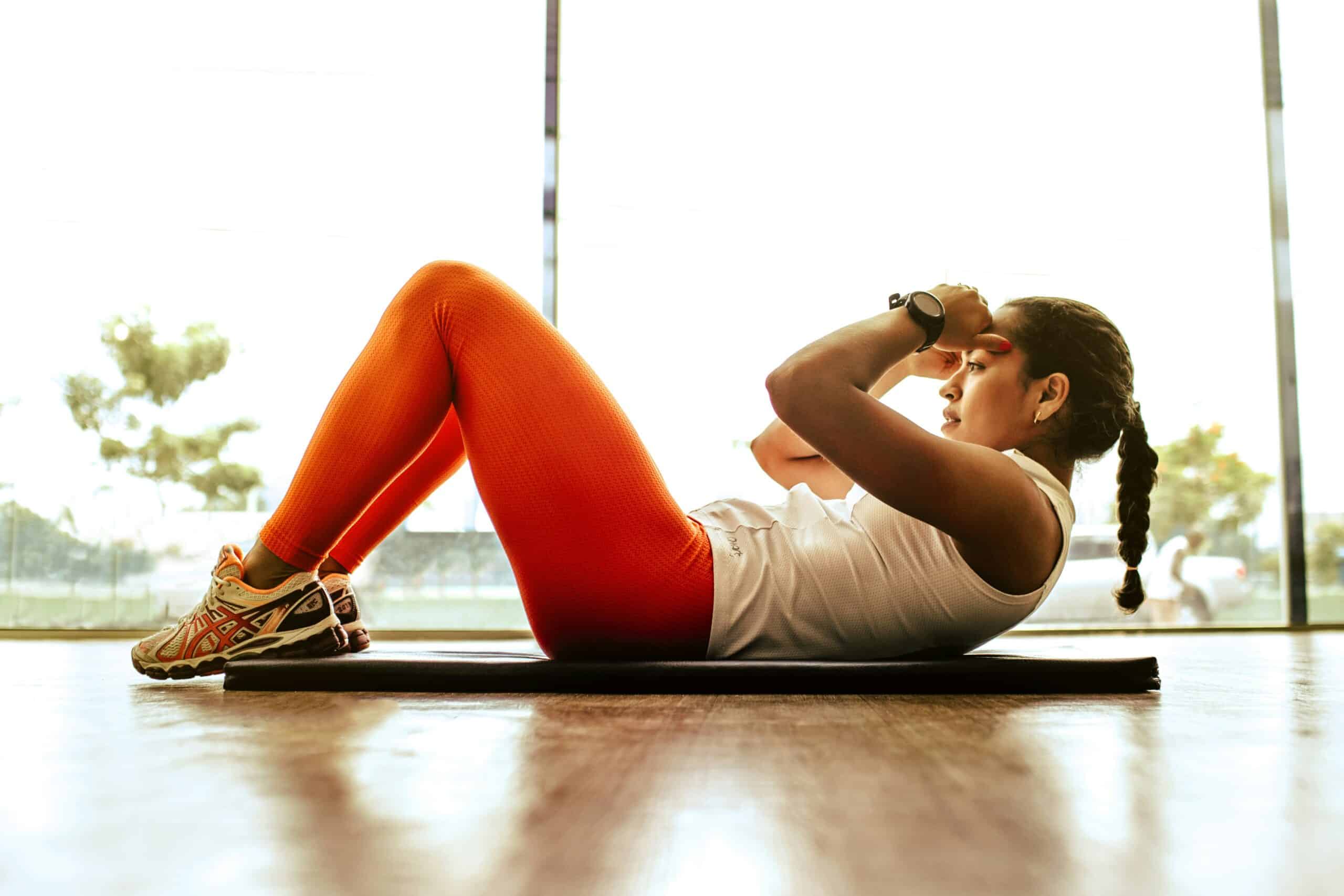
In addition to diet, regular exercise, stress management, and quality sleep are vital in reducing inflammation and balancing hormones. These lifestyle choices work together to improve overall health and lessen endometriosis symptoms.
How Does Exercise Support Endometriosis Symptom Relief?
Physical activity enhances blood circulation, reduces stress, and releases natural pain-relieving endorphins. Regular exercise also supports immune function and contributes to lasting symptom relief.
What Role Does Stress Management Play in Endometriosis?
Stress-reduction techniques such as meditation, yoga, and deep breathing help lower cortisol levels, reducing inflammation and pain. Improved stress management also supports better sleep and hormonal balance.
Why Is Quality Sleep Important for Endometriosis and Diet Success?
Adequate sleep is critical for hormone regulation and tissue repair. It enhances immune function, reduces inflammation, and improves clarity and energy—all of which support dietary adherence and overall health.
Where Can You Find Expert Advice and Support for a Gluten-Free Diet and Endometriosis?

Expert guidance can be found through registered dietitians, support groups, and reputable online resources. These professionals offer personalized dietary plans and evidence-based advice to help manage endometriosis effectively.
How Can Registered Dietitians Help Personalize Your Gluten-Free Diet?
Dietitians tailor meal plans based on individual nutritional needs, lifestyle, and symptom severity, ensuring anti-inflammatory benefits while covering all essential nutrients.
What Are the Benefits of Joining Support Groups for Endometriosis?
Support groups provide emotional support, practical meal planning tips, and a community of shared experiences, all of which help reinforce dietary adherence and inform users of new treatment strategies.
Where to Access Reliable Information and Latest Research?
Accurate information is available through reputable medical journals, university research centers, and trusted health websites that offer current insights and practical advice.
Frequently Asked Questions
Does a gluten-free diet significantly reduce endometriosis pain?
Many women report less pain and inflammation due to the reduced immune response when gluten is eliminated.
How long does it usually take to see improvements after switching to a gluten-free diet?
Improvements may take 6–12 weeks as the body gradually lowers systemic inflammation.
Can other dietary changes complement a gluten-free diet for endometriosis?
Yes, adding anti-inflammatory foods and reducing processed sugars and fats can further ease symptoms.
Are gluten-free products nutritionally sufficient for endometriosis management?
With careful planning, a gluten-free diet can meet all nutritional needs, especially when balanced with fruits, vegetables, and lean proteins.
Should I consult a dietitian before changing my diet for endometriosis?
Yes, consulting a registered dietitian ensures your diet meets your specific nutritional needs.
Conclusion
Managing endometriosis requires a well-rounded approach that looks beyond medication alone. For many, going gluten-free has led to noticeable improvements in pain, digestion, and energy. By focusing on anti-inflammatory foods, women can take an active role in their well-being. At the Endometriosis Center of Excellence, we support both medical and lifestyle-based care options. With expert guidance, a gluten-free diet can be both effective and sustainable. When combined with movement, stress relief, and rest, it becomes a powerful part of your healing journey.