

Living with endometriosis often involves navigating a wide range of symptoms that can affect physical health, emotional well-being, relationships, work responsibilities, and long-term life goals. While some individuals successfully manage their symptoms through conservative treatment approaches, others continue to experience significant challenges despite ongoing care. In these situations, questions about advanced surgical treatment frequently arise.
Determining whether surgery is appropriate is rarely a simple decision. Endometriosis affects every patient differently, and treatment recommendations depend on multiple factors, including symptom severity, disease extent, previous treatment responses, and personal priorities. For some patients, surgery may become an important part of a comprehensive treatment plan. For others, non-surgical management may remain the most appropriate approach.
Understanding the factors that influence surgical decision-making can help patients participate more actively in conversations with their healthcare providers. By learning how symptoms, diagnostic findings, quality-of-life concerns, and treatment goals contribute to treatment planning, individuals can make more informed decisions about the next steps in their endometriosis journey.
When Advanced Surgical Evaluation May Be Appropriate

Endometriosis treatment exists on a spectrum. Some patients respond well to symptom management strategies, while others continue to experience pain and functional limitations that affect their daily lives. The possibility of surgery often enters the discussion when symptoms persist despite appropriate treatment efforts, or when diagnostic findings suggest more extensive disease involvement.
Advanced surgical evaluation is not based on a single symptom or imaging result. Instead, it involves a comprehensive assessment of the patient’s overall experience with the condition.
Why Surgery Is Not a One-Size-Fits-All Solution
One of the most challenging aspects of endometriosis treatment is the significant variation in symptom presentation. Some individuals experience severe pelvic pain despite limited disease findings, while others have extensive endometriosis with relatively mild symptoms.
Because of this variability, healthcare providers focus on the patient’s unique situation rather than applying the same treatment pathway to everyone. A recommendation that is appropriate for one person may not be suitable for another, even if their diagnoses appear similar on paper.
Treatment decisions are often guided by a combination of symptom burden, quality-of-life impact, treatment history, and personal goals. This individualized approach helps ensure that recommendations are tailored to the patient’s needs rather than the disease label alone.
What Factors Typically Lead to Surgical Discussions?
The decision to discuss surgery usually develops over time rather than during a single appointment. Patients often seek additional evaluation when symptoms begin interfering with activities they previously managed without difficulty.
Persistent pelvic pain, painful periods, bowel symptoms, urinary discomfort, fatigue, and painful intercourse are among the concerns that may prompt further investigation. Healthcare providers also evaluate how symptoms affect work performance, physical activity, sleep quality, and emotional well-being.
When symptoms continue to impact daily life despite appropriate treatment efforts, advanced surgical evaluation may become an important consideration.
The Value of Symptom Tracking
Many patients underestimate how helpful symptom tracking can be during treatment planning. A symptom journal provides valuable context that may not be obvious during a routine medical appointment.
Brief notes regarding pain severity, menstrual cycle timing, symptom triggers, and treatment responses can help identify patterns over time. This information often contributes to more productive discussions about treatment effectiveness and whether additional interventions should be considered.
Symptom Severity and Treatment Recommendations

While diagnostic findings play an important role in treatment planning, symptom severity often remains one of the most influential factors in determining whether surgical evaluation is appropriate.
Healthcare providers want to understand not only what symptoms are present, but also how those symptoms affect daily functioning.
When Does Pelvic Pain Become More Than a Symptom?
Pelvic pain is one of the most common symptoms associated with endometriosis, but its impact varies considerably from person to person.
For some individuals, pain occurs primarily during menstruation and remains manageable with conservative treatment. For others, discomfort extends throughout the month and begins affecting multiple aspects of daily life.
Persistent pain can influence concentration, mobility, productivity, sleep quality, and social participation. Over time, chronic discomfort may lead patients to alter their routines, avoid activities they once enjoyed, or limit physical movement to prevent symptom flare-ups.
When pain reaches this level of disruption, treatment discussions often shift from symptom management alone toward exploring more comprehensive solutions.
How Bowel and Urinary Symptoms Affect Clinical Decisions
Endometriosis can sometimes affect structures beyond the reproductive organs, contributing to bowel or urinary symptoms that complicate the overall clinical picture.
Patients may experience discomfort during bowel movements, digestive disturbances that worsen around menstruation, urinary urgency, or bladder-related pain. Because these symptoms can overlap with other conditions, they are sometimes overlooked during early evaluation.
When bowel or urinary symptoms become persistent or cyclical, healthcare providers often investigate whether deeper disease involvement may be contributing to the problem. Understanding the relationship between these symptoms and the menstrual cycle can provide valuable diagnostic clues.
Why Quality of Life Matters in Treatment Planning
Modern endometriosis care increasingly recognizes that symptom severity cannot be measured solely through pain scores or imaging findings.
Quality-of-life assessments help providers understand how symptoms affect daily functioning. A patient who struggles to maintain employment because of chronic pain may require a different treatment approach than someone with similar imaging findings but minimal lifestyle disruption.
Areas commonly evaluated include:
- Work and professional responsibilities
- Physical activity and exercise
- Personal relationships
- Sleep quality
- Emotional well-being
- Social engagement
Understanding these impacts helps create treatment recommendations that address the full experience of living with endometriosis.
Role of Diagnostic Findings in Surgical Decisions

Although symptoms remain central to treatment planning, diagnostic findings provide important information that helps healthcare providers better understand disease extent and anatomical involvement.
Diagnostic evaluation allows providers to identify factors that may influence both treatment recommendations and surgical planning.
The Role of Imaging in Endometriosis Evaluation
Imaging studies can provide valuable insight into the location and extent of disease. Depending on the patient’s symptoms and clinical presentation, providers may recommend transvaginal ultrasound, MRI, or other imaging approaches. For more detail, see our article Finding Hidden Disease: How Advanced MRI and Ultrasound Map Endo Before Surgery.
These studies may reveal ovarian endometriomas, deep infiltrating endometriosis, anatomical distortion, or other findings that contribute to symptom development.
However, imaging is only one piece of the puzzle. Endometriosis is not always visible through imaging alone, which is why healthcare providers continue to rely heavily on clinical evaluation and symptom assessment.
Why Imaging and Symptoms Must Be Evaluated Together
One of the most important principles in endometriosis care is that imaging findings do not always correlate with symptom severity.
A patient with significant imaging findings may report minimal symptoms, while another individual experiences severe pain despite relatively limited visible disease.
This disconnect reinforces the importance of evaluating patients as individuals rather than making treatment decisions based solely on test results. Clinical judgment, symptom history, and patient goals remain essential components of comprehensive care.
When Minimally Invasive Surgical Evaluation May Be Considered
In some situations, minimally invasive surgical evaluation may provide additional clarity regarding disease extent and treatment options.
This approach allows specialists to directly assess pelvic structures and gain a better understanding of how endometriosis may be contributing to symptoms. Surgical evaluation is typically considered when symptoms remain severe, diagnostic uncertainty exists, or treatment planning requires additional information.
The Role of Minimally Invasive Surgery
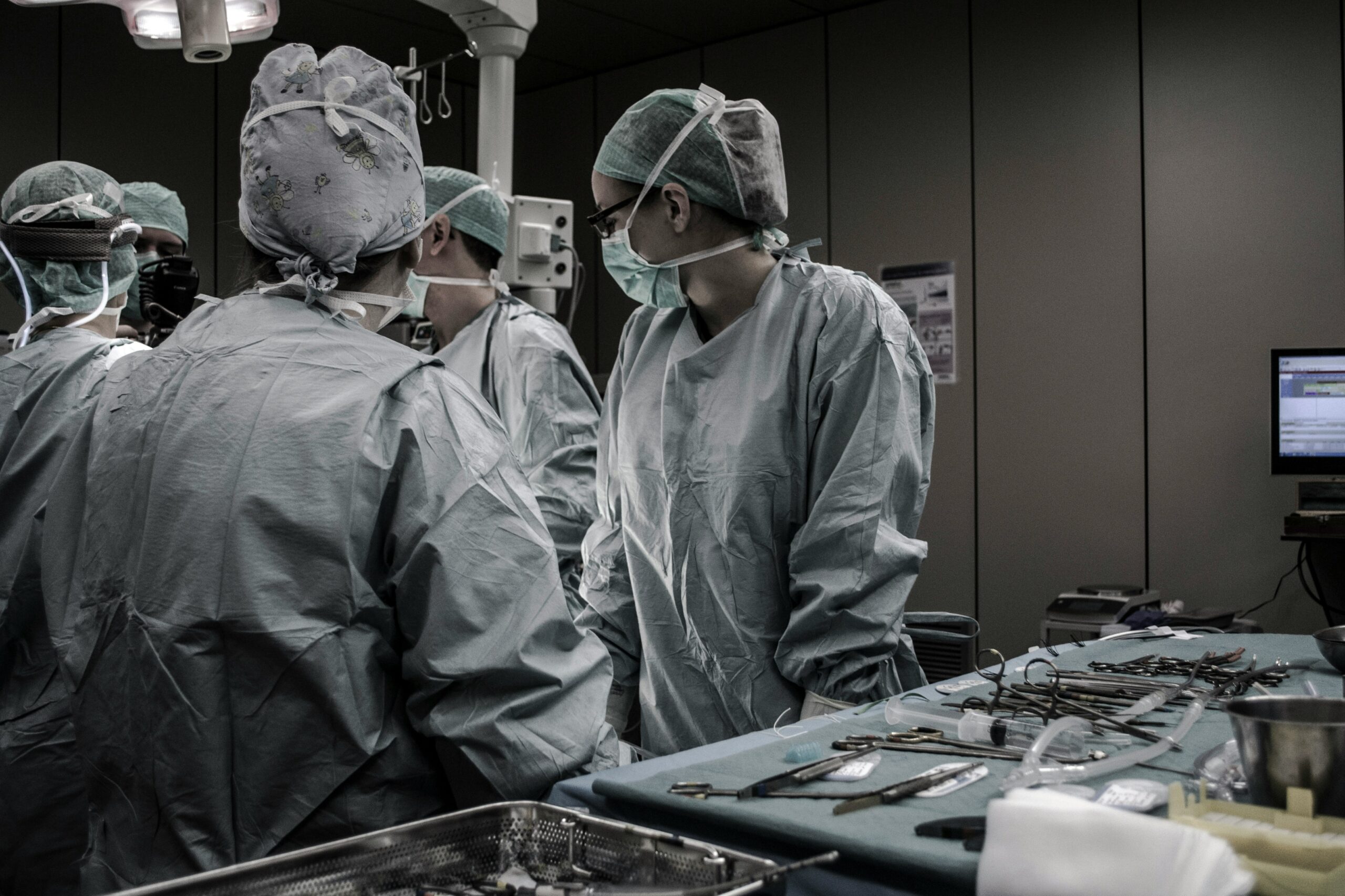
Minimally invasive surgery has become an important treatment option for many patients with endometriosis. These techniques allow surgeons to evaluate and treat disease while minimizing disruption to surrounding tissues. Read more in Will Endo Surgery Hurt My AMH Levels? What to Know.
For appropriately selected patients, surgery may become one component of a broader long-term management strategy.
What Is Endometriosis Excision Surgery?
Excision surgery focuses on removing endometriosis tissue from affected areas while preserving healthy surrounding structures whenever possible.
Because endometriosis can involve multiple pelvic structures, surgical planning requires careful evaluation and individualized decision-making. The specific approach depends on disease location, symptom burden, diagnostic findings, and overall treatment goals.
Excision surgery is not appropriate for every patient, but it remains an important option for individuals whose symptoms continue to affect quality of life despite other treatment efforts. See how endometriosis excision surgery is performed by our team.
Potential Benefits of Minimally Invasive Techniques
Minimally invasive approaches are commonly used because they offer several advantages compared with traditional open surgery.
These advantages may include:
- Smaller incisions
- Reduced postoperative discomfort
- Less visible scarring
- Faster recovery periods
- Earlier return to normal activities
While individual experiences vary, these characteristics often contribute to a more manageable recovery process.
Why Surgical Planning Matters
Successful treatment begins long before the day of surgery. Comprehensive planning helps ensure that treatment recommendations align with patient goals and clinical findings.
During surgical discussions, patients are encouraged to ask questions about expected recovery, treatment objectives, potential risks, and long-term management strategies. Clear communication supports informed decision-making and realistic expectations.
Long-Term Endometriosis Management Strategy

Whether surgery becomes part of treatment or not, endometriosis management is rarely a one-time event. Symptoms can evolve over time, making ongoing evaluation an important part of long-term care.
Successful management often involves balancing symptom control, functional improvement, and quality-of-life goals.
The Importance of Collaborative Care
Because endometriosis can affect multiple aspects of health, treatment planning often benefits from collaboration among healthcare professionals.
Depending on individual needs, care may include minimally invasive gynecologic surgery, pelvic floor physical therapy referrals, non-opioid pain management approaches, and collaborative specialist care.
This coordinated approach helps ensure that treatment recommendations remain comprehensive and responsive to changing patient needs.
How Patients Can Participate in Treatment Decisions
Patients play an important role in shaping their treatment journey. Open communication helps healthcare providers better understand priorities, concerns, and expectations.
Questions about symptom progression, treatment alternatives, recovery timelines, and long-term planning should be encouraged. The more information providers have about a patient’s goals and challenges, the better they can tailor recommendations.
Why Ongoing Follow-Up Remains Essential
Even when symptoms improve, regular follow-up remains valuable. Endometriosis is a chronic condition, and treatment needs may change over time.
Continued monitoring allows healthcare providers to assess progress, address new concerns, and adjust management strategies when necessary. This proactive approach supports long-term symptom management and helps patients maintain the highest possible quality of life.
Frequently Asked Questions
Does every patient with endometriosis eventually need surgery?
No. Many individuals successfully manage symptoms through non-surgical approaches. Treatment recommendations depend on symptom severity, treatment response, diagnostic findings, and personal goals.
Can imaging results alone determine whether surgery is necessary?
No. Imaging findings provide valuable information, but treatment decisions are based on a combination of symptoms, clinical evaluation, treatment history, and patient priorities.
How do I know if my symptoms warrant specialist evaluation?
Symptoms that interfere with daily life, continue despite treatment, or significantly affect quality of life should be discussed with a healthcare provider for further assessment.
Can multidisciplinary care help even if surgery is not recommended?
Yes. Collaborative care can support symptom management, physical function, and overall well-being regardless of whether surgery becomes part of the treatment plan.
Conclusion
Deciding whether advanced surgery may be appropriate for endometriosis requires careful evaluation of symptoms, diagnostic findings, treatment history, and personal goals. While surgery can play an important role for some patients, the most effective treatment plans are those tailored to the individual’s unique experience with the condition. Understanding how healthcare providers assess symptom severity, quality-of-life impact, and disease involvement can help patients participate more confidently in treatment decisions and pursue care that aligns with their long-term health priorities. Read more in How to Identify the Need for Advanced Endometriosis Surgery.
Take the next step toward personalized endometriosis care by connecting with Endometriosis Center of Excellence. Our team provides comprehensive evaluations, advanced treatment options, and individualized care plans designed to help you move forward with confidence.
When you are ready to talk through your options, schedule an appointment with our team.