
Endometriosis is a chronic condition that can significantly affect reproductive health and is one of the most common causes of infertility among women of reproductive age. The condition occurs when tissue similar to the uterine lining grows outside the uterine cavity, leading to inflammation, scarring, adhesions, and pain. While some individuals with endometriosis conceive without difficulty, others experience challenges related to ovulation, implantation, or pelvic anatomy. Fortunately, advances in diagnostic techniques, fertility-focused surgery, and assisted reproductive technologies have expanded the range of treatment options available. Understanding how endometriosis affects fertility and the treatment options available can help patients make informed decisions about their reproductive future.
How Endometriosis Impacts Fertility and Reproductive Function

Endometriosis affects fertility through a combination of inflammatory, hormonal, and anatomical changes. Depending on the severity and location of the disease, these effects can interfere with multiple stages of the reproductive process. Understanding these mechanisms is essential when developing an individualized fertility treatment plan.
The Effects of Endometriosis on Ovulation and Fertility
Endometriosis can negatively affect fertility by creating a chronic inflammatory environment within the pelvis. This inflammation may interfere with normal ovarian function, follicle development, and ovulation. In some cases, endometriosis can alter the quality of eggs or disrupt the hormonal signals required for successful conception.
The condition may also affect the fallopian tubes and surrounding reproductive structures, making it more difficult for sperm and eggs to meet. These combined factors can reduce the likelihood of fertilization and implantation, contributing to infertility challenges for many patients.
How Deep Infiltrating Endometriosis Affects Reproductive Health
Deep infiltrating endometriosis is often associated with more severe fertility complications because it can significantly distort pelvic anatomy. Lesions may involve structures such as the bowel, bladder, uterosacral ligaments, or ovaries, leading to extensive scarring and adhesions that affect reproductive function.
In advanced cases, ovarian endometriomas can compromise ovarian reserve and reduce the number of healthy eggs available for conception. Treatment often requires careful surgical planning to balance disease removal with preservation of fertility potential.
Symptoms That May Indicate Fertility Challenges
Certain symptoms may suggest that endometriosis is affecting reproductive health. Chronic pelvic pain, painful menstrual periods, pain during intercourse, and difficulty conceiving are among the most common warning signs. Menstrual irregularities and unusually heavy bleeding may also indicate disease progression that warrants further evaluation.
Patients who have been trying to conceive without success, particularly when combined with persistent pelvic symptoms, should consider a fertility assessment. Early diagnosis and treatment can improve the range of options available and potentially enhance fertility outcomes.
Diagnostic Testing for Fertility Evaluation in Endometriosis
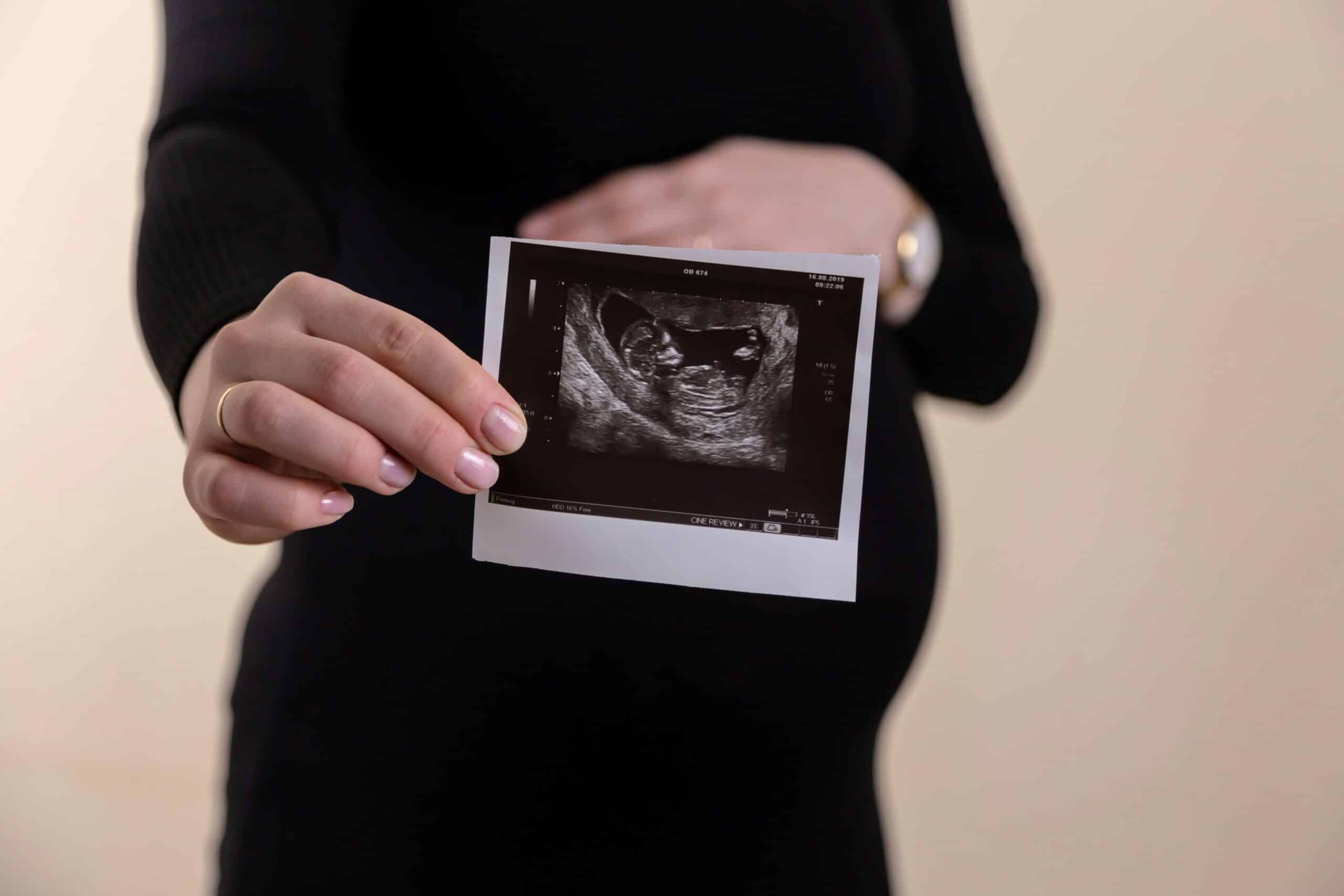
Accurate diagnosis is essential for understanding how endometriosis may be affecting fertility and determining the most appropriate treatment strategy. A comprehensive evaluation typically includes imaging, laboratory testing, and in some cases, surgical assessment.
The Role of Laparoscopy in Fertility Assessment
Laparoscopy remains the gold standard for diagnosing and evaluating endometriosis. This minimally invasive procedure allows surgeons to directly visualize endometriosis lesions, assess disease severity, and identify adhesions or anatomical abnormalities that may affect fertility.
In many cases, diagnostic laparoscopy can transition directly into treatment, allowing surgeons to remove lesions and restore normal pelvic anatomy during the same procedure. This dual benefit often makes laparoscopy a valuable tool in fertility-focused endometriosis management.
Imaging Tests Used to Evaluate Endometriosis
Imaging studies play an important role in identifying the location and extent of disease before surgery. Transvaginal ultrasound is commonly used to detect ovarian endometriomas and assess reproductive anatomy. MRI may be recommended when deep infiltrating endometriosis is suspected or when detailed surgical planning is required.
These imaging techniques help healthcare providers develop more accurate treatment plans while reducing uncertainty before surgical intervention.
Hormonal Testing and Ovarian Reserve Assessment
Hormonal testing provides valuable information about reproductive potential. Anti-Müllerian hormone (AMH) testing is frequently used to assess ovarian reserve and estimate the quantity of remaining eggs. Additional laboratory evaluations may help assess ovulatory function and overall reproductive health.
When combined with imaging and clinical history, hormonal assessments provide a more complete picture of fertility status and help guide treatment decisions.
Surgical Fertility Treatment Options for Endometriosis

Surgery remains one of the most effective fertility-focused treatment options for many patients with endometriosis. The choice of surgical technique depends on disease severity, reproductive goals, and the balance between symptom relief and fertility preservation.
How Laparoscopic Excision Surgery Improves Fertility
Laparoscopic excision surgery involves removing endometriosis lesions and associated scar tissue while preserving healthy reproductive structures whenever possible. By restoring pelvic anatomy and reducing inflammation, excision surgery can improve the conditions necessary for natural conception.
For many patients, successful excision reduces mechanical barriers to fertilization and implantation, thereby improving pregnancy rates and overall reproductive outcomes.
Excision Surgery Versus Ablation for Fertility Restoration
When fertility is a primary concern, excision surgery is often preferred over ablation. Excision removes diseased tissue completely, while ablation destroys surface lesions without removing them. Research suggests that complete excision may provide better long-term symptom control and improved fertility outcomes in appropriately selected patients. For more detail, see our article Endometriosis and Fertility: The Complete Authority Guide.
Although ablation may be suitable in certain situations, excision is frequently considered the more comprehensive treatment approach when preserving fertility is a major objective.
Fertility-Preserving Surgical Techniques
Modern endometriosis surgery emphasizes fertility preservation whenever possible. Surgeons use tissue-sparing techniques, careful dissection methods, and strategies designed to minimize damage to healthy ovarian tissue during treatment.
These approaches are particularly important when managing ovarian endometriomas or deep-infiltrating endometriosis. Preserving ovarian reserve while effectively treating endometriosis requires significant surgical expertise and individualized planning.
Fertility Preservation and Assisted Reproductive Options
For some patients, preserving future fertility becomes an important part of endometriosis management. Fertility preservation strategies and assisted reproductive technologies can provide additional pathways to parenthood when natural conception may be challenging.
When Fertility Preservation Should Be Considered
Fertility preservation is often recommended for patients with ovarian involvement, declining ovarian reserve, bilateral disease, or plans to delay pregnancy. It may also be considered before extensive surgery that could affect ovarian function.
By preserving reproductive potential before treatment, patients may have greater flexibility when planning future pregnancies and fertility treatments.
Available Fertility Preservation Techniques
Several fertility preservation options are available depending on a patient’s age, reproductive goals, and treatment timeline. Egg freezing allows patients to preserve unfertilized eggs for future use, while embryo freezing provides an option for those with a partner or donor sperm. For more detail, see our article What Endometriosis Means for Your Fertility.
Ovarian tissue cryopreservation may also be considered in selected circumstances. Each option has unique advantages and should be discussed with fertility specialists as part of a personalized treatment strategy.
The Role of IVF in Endometriosis-Related Infertility
In vitro fertilization (IVF) is often recommended for patients with severe endometriosis, diminished ovarian reserve, tubal damage, or persistent infertility despite treatment. IVF bypasses many of the anatomical barriers created by endometriosis and can significantly improve the likelihood of pregnancy. We cover this further in Endometriosis and Infertility: Overcoming Challenges.
The timing of IVF should be carefully coordinated with surgical planning and fertility preservation strategies to maximize reproductive outcomes while minimizing unnecessary procedures.
Personalized Fertility Care and Long-Term Outcomes

Successful fertility treatment often requires more than a single intervention. Comprehensive care combines surgical expertise, fertility counseling, and ongoing support to help patients achieve their reproductive goals. You may also find Where to Find an Endometriosis Specialist for Fertility Care helpful.
Benefits of a Multidisciplinary Treatment Approach
Endometriosis affects multiple aspects of health, underscoring the value of multidisciplinary care. Collaboration between gynecologic surgeons, reproductive endocrinologists, fertility specialists, pain management providers, and allied health professionals ensures that treatment plans address the full spectrum of patient needs.
This coordinated approach improves communication, streamlines decision-making, and supports more personalized fertility pathways.
How Specialized Surgical Expertise Improves Outcomes
Experienced surgeons play a critical role in fertility-focused endometriosis treatment. Advanced training in minimally invasive surgery allows specialists to remove disease thoroughly while protecting healthy reproductive tissues whenever possible.
This balance between effective disease management and fertility preservation often leads to better surgical outcomes and improved reproductive potential for patients.
What Patients Can Expect After Fertility-Focused Treatment
Many patients experience meaningful improvements in pain levels, daily function, and reproductive outcomes following comprehensive endometriosis treatment. While results vary based on individual circumstances, fertility-focused interventions can restore pelvic anatomy, improve quality of life, and increase the likelihood of natural conception or successful fertility treatment. We cover this further in Discover Natural Fertility Remedies for Endometriosis Today.
Ongoing follow-up care, fertility monitoring, and individualized treatment adjustments help ensure patients receive the support they need throughout their reproductive journey.
Frequently Asked Questions
What lifestyle changes can help manage endometriosis symptoms?
Evidence supports regular physical activity, weight optimization when indicated, and a diet emphasizing anti-inflammatory foods such as omega-3-rich sources, leafy vegetables, and antioxidant-rich fruit to reduce symptom burden. Stress-reduction practices like mindfulness and yoga may also assist with pain coping and emotional resilience.
Practical lifestyle measures include sleep hygiene, tobacco avoidance, and limiting excessive alcohol intake, which collectively support overall health and may indirectly influence reproductive potential. Integrating lifestyle interventions with medical or surgical therapies often enhances symptom control and well-being.
How does endometriosis affect pregnancy outcomes?
Pregnancy outcomes vary with disease extent. Although many women achieve successful pregnancies, there is an elevated risk of complications such as ectopic pregnancy or miscarriage in some cases. Close obstetric monitoring and individualized care are essential.
Preconception counseling and early engagement with obstetric providers allow risk-tailored antenatal care, surveillance for pregnancy complications, and planning for delivery mode when pelvic anatomy or prior surgery warrants consideration of operative delivery.
What are the emotional impacts of dealing with infertility due to endometriosis?
Infertility frequently produces significant emotional distress, including anxiety, grief, and frustration. Referral to counseling, support groups, or mental health services is recommended to address these effects as part of comprehensive care.
Psychological support can include individual therapy, couples counseling, and peer support networks. Addressing emotional health is integral to maintaining resilience through diagnostic evaluation, treatment, and any assisted-reproduction processes that may follow.
Are there alternative therapies that may help with endometriosis symptoms?
Certain complementary therapies, such as acupuncture, structured mindfulness practices, and selected herbal approaches, may provide symptomatic benefit for some patients. All complementary treatments should be discussed with the treating clinician to ensure safety and avoid interference with medical or surgical care.
Complementary modalities are best used as adjuncts rather than replacements for evidence-based medical or surgical treatments. Discussion with the clinical team ensures that chosen approaches are safe and integrated within the overall care plan.
How frequently should women with endometriosis undergo follow-up evaluations?
Follow-up frequency is individualized based on disease severity and treatment response. Routine review every six to twelve months is common, with more frequent assessment advised for those attempting conception or experiencing symptom progression.
Follow-up assessment may include symptom review, pelvic examination, repeat imaging where indicated, and serial ovarian reserve testing if fertility concerns persist. Open communication about changes in symptoms or reproductive intentions supports timely adjustment of management plans.
What role does nutrition play in managing endometriosis?
Nutrition supports symptom management by reducing systemic inflammation. A balanced diet high in whole foods, fiber, and micronutrients while limiting processed sugars and saturated fats can be beneficial. Consultation with a specialist nutritionist may facilitate the development of a tailored dietary plan aligned with reproductive goals.
Nutritional planning can also address perioperative optimization and support during fertility treatment cycles. Ensuring adequate micronutrient status and energy availability is important for general health and for optimizing response to fertility interventions.
Conclusion
Addressing fertility challenges associated with endometriosis requires timely diagnosis, evidence-based treatment selection and coordinated multidisciplinary care. Personalized strategies, including laparoscopic excision and fertility preservation when appropriate, can optimize reproductive outcomes. For expert evaluation and management, contact the Endometriosis Center of Excellence to arrange a consultation and begin a structured care plan aligned with your reproductive goals.
Successful management emphasizes informed decision-making, collaboration between surgical and reproductive specialists, and attention to the patient’s broader health and psychosocial needs. With contemporary surgical techniques, targeted fertility preservation and access to assisted reproductive technologies when needed, many patients with endometriosis achieve successful pregnancies and meaningful symptom relief.