
Endometriosis impacts roughly one in ten women of reproductive age, yet getting a definitive diagnosis often takes 7–10 years. This delay means treatment is postponed, and pain worsens. Promising accurate, non-invasive tests could lead to earlier detection, reduce surgical risks, and significantly improve quality of life.
In this guide, you’ll discover what endometriosis is, why laparoscopy is still the gold standard, the limitations of CA-125, exciting new blood tests (PromarkerEndo, EndomTest, DotEndo), how these assays stack up, when to consider them, and how the Endo Excellence Center expertly integrates cutting-edge diagnostics into your care.
What Is Endometriosis and Why Is Accurate Diagnosis So Crucial?

Endometriosis is a chronic condition where tissue similar to the uterine lining grows outside the uterus, causing inflammation, scarring, and pain. Identifying these lesions early and precisely allows for targeted treatment, helps preserve fertility, and prevents complications like adhesions and ovarian cysts.
What Are the Common Symptoms and Impact of Endometriosis?
Endometriosis symptoms are diverse and vary greatly depending on the individual and where the lesions are located. Common signs include:
- Pelvic pain and cramping that become more intense during your period
- Dysmenorrhea (painful periods) that interfere with daily life
- Dyspareunia (pain during intercourse) that affects intimacy
- Infertility, often linked to adhesions and altered anatomy
- Bowel and bladder issues, such as pain during bowel movements or urination
These challenges frequently lead to chronic fatigue, emotional distress, and reduced performance at work or school, highlighting the urgent need for timely intervention.
How Prevalent Is Endometriosis Worldwide?
Endometriosis affects an estimated 190 million individuals globally, about 10% of women of reproductive age. This prevalence represents a significant public health challenge, with higher rates often seen in developed nations where awareness and diagnostic capabilities are greater.
Why Does Diagnostic Delay Affect Patient Outcomes?
A delayed diagnosis, averaging 7–10 years, allows endometriosis lesions to progress, intensifying pain and increasing fertility risks. Longer delays are associated with higher healthcare costs, numerous specialist visits, and considerable emotional strain. Shortening this delay with reliable non-invasive testing can dramatically improve patient outcomes and reduce the overall societal burden.
Why Is Laparoscopy the Gold Standard for Endometriosis Diagnosis?
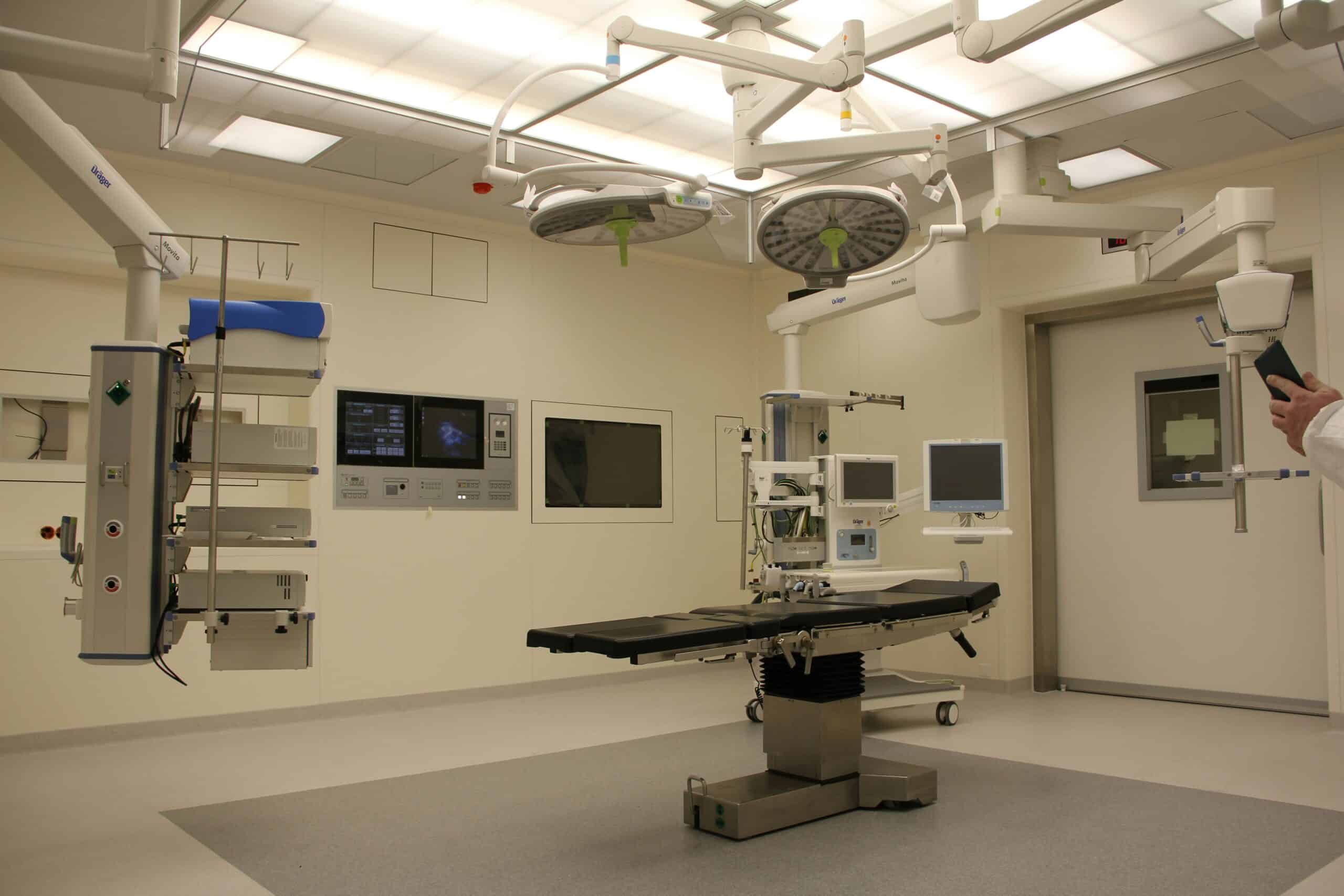
Laparoscopy is a minimally invasive surgical procedure that allows for direct visualization and biopsy of suspected endometriotic lesions, providing definitive confirmation.
How Does Laparoscopy Diagnose Endometriosis?
During laparoscopy, a thin video camera is inserted through a small abdominal incision to examine the pelvic organs. Surgeons identify characteristic lesions, which can range from clear to dark nodules, and collect tissue samples for histological analysis, ensuring high diagnostic accuracy (over 95%).
What Are the Risks and Limitations of Laparoscopy?
While highly accurate, laparoscopy carries surgical risks such as bleeding, infection, and complications related to anesthesia. Recovery may require several days of limited activity, and the procedure’s cost and invasive nature make it impractical as an initial screening tool. We cover this further in Essential Questions for Accurate Endometriosis Diagnosis.
When Is Surgery Necessary for Diagnosis and Treatment?
Surgical intervention is recommended when imaging and clinical assessments suggest moderate to severe disease, when medical therapies fail to manage symptoms, or when fertility evaluation is necessary. Excision surgery performed during laparoscopy can both confirm the diagnosis and remove lesions, alleviating pain and improving fertility prospects. For more detail, see our article The Significance of Accurate Endometriosis Diagnosis.
What Are the Limitations of Traditional Blood Markers Like CA-125?
CA-125 is a protein biomarker that is often elevated in women with endometriosis, but it lacks the necessary sensitivity and specificity for a standalone diagnosis. You may also find Why Accurate Endometriosis Diagnosis Can Be So Challenging helpful.
How Accurate Is CA-125 for Endometriosis Detection?
CA-125 levels are elevated in about 50% of moderate to severe cases, but remain normal in up to 50% of early-stage disease. Its sensitivity ranges from 24% to 94%, and specificity from 46% to 100%, making it an unreliable marker for routine screening.
Why Are CA-125 and Other Markers Not Recommended Alone?
Because CA-125 can be elevated in conditions such as pelvic inflammatory disease, fibroids, and even pregnancy, relying solely on this marker leads to a high rate of false positives. Without correlating imaging or surgical confirmation, CA-125 offers limited diagnostic confidence.
What Other Traditional Biomarkers Have Been Used?
Other serum markers, such as CA-19.9, interleukin-6 (IL-6), and anti-endometrial antibodies, have been investigated but similarly suffer from inconsistent accuracy. These biomarkers often lack reproducibility across different populations, reinforcing the need for multi-analyte panels and novel targets.
What Are the New Non-Invasive Blood Tests for Endometriosis?
Advances in proteomics and molecular diagnostics have led to specialized blood tests that combine multiple biomarkers and algorithms to improve detection accuracy.
How Does the PromarkerEndo Test Work and What Is Its Accuracy?
PromarkerEndo measures a panel of protein biomarkers identified through mass spectrometry. Using a proprietary algorithm, it generates a risk score. Clinical studies show a sensitivity of 85% and a specificity of 90% for moderate to severe endometriosis, making it a promising tool for ruling in the condition.
What Is the Mechanism and Reliability of the EndomTest?
EndomTest integrates CA-125, brain-derived neurotrophic factor (BDNF), and select clinical variables into a decision-support model. Validation cohorts indicate 80% sensitivity and 88% specificity. Its use as a triage test can help guide decisions about referring patients for surgical evaluation.
How Does DotEndo Detect Endometriosis and What Are Its Claims?
DotEndo analyzes circulating microRNAs and protein markers associated with endometriotic lesions. Early data suggest a sensitivity of around 75% and a specificity near 85%, with ongoing studies refining its marker panel. This approach focuses on molecular signatures to detect the disease’s underlying biology.
What Other Promising Biomarkers Are Being Researched?
Researchers are actively evaluating novel targets such as:
- HMGB1 in serum and peritoneal fluid for its role in inflammatory signaling
- Aromatase expression levels, reflecting local estrogen production
- Steroidogenic factor-1 (SF-1), associated with lesion proliferation
- Mitochondrial DNA mutations, which may indicate cellular stress in ectopic tissue
These emerging markers hold the potential to expand future non-invasive diagnostic options and further enhance accuracy.
How Do the New Blood Tests Compare in Accuracy, Availability, and Use?
Comparing key attributes clarifies each test’s strengths and its potential role in clinical practice.
Below is a table summarizing performance, method, availability, and primary benefit: You may also find Comprehensive Guide: Endometriosis Assessment Best Practices helpful.
What Are the Key Differences Between PromarkerEndo, EndomTest, and DotEndo?
PromarkerEndo utilizes an extensive proteomic signature for higher specificity.
EndomTest combines established biomarkers with clinical data to refine risk scoring.
DotEndo focuses on nucleic acid markers (miRNA) to capture molecular disease signals.
How Available Are These Tests and Where Can Patients Access Them?
PromarkerEndo and EndomTest require specialized laboratories and a physician’s referral. DotEndo is currently available through pilot programs. Availability is expected to expand as commercial partnerships and regulatory approvals progress.
What Are the Strengths and Limitations of Each Test?
PromarkerEndo: Offers high specificity but is currently limited to research centers.
EndomTest: Clinically validated in diverse populations, though algorithm transparency is limited.
DotEndo: Features an innovative miRNA approach, pending broader validation.
How Do These Tests Fit Into the Overall Diagnostic Pathway?
Blood tests serve as valuable triage tools to prioritize patients for laparoscopy, rather than replace surgical confirmation. They can shorten the diagnostic journey by identifying high-risk individuals early and guiding referral decisions.
When Should Patients Consider Using Endometriosis Blood Tests?
Yes, patients may consider non-invasive assays to complement their clinical evaluation, especially when symptoms are persistent and imaging results are inconclusive.
Can Blood Tests Replace Surgery for Diagnosis?
No, current blood tests cannot definitively replace laparoscopy; they function as adjuncts to assess risk and guide the necessity of surgical evaluation.
How Can Blood Tests Help Reduce Diagnostic Delay?
By providing actionable risk assessments, these assays can prompt earlier specialist referrals, significantly reducing the typical multi-year wait before undergoing laparoscopy and receiving treatment.
What Are the Emotional and Financial Benefits of Early Non-Invasive Testing?
Early blood screening can alleviate anxiety by offering objective data, reduce costs associated with repeated imaging, and expedite access to pain management or surgical intervention, saving both time and healthcare resources.
How Does the Endo Excellence Center Integrate Blood Tests Into Expert Diagnosis and Treatment?
The Endo Excellence Center combines the latest non-invasive diagnostics with personalized surgical care to optimize patient outcomes.
What Is the Role of Dr. Rachael Haverland in Endometriosis Diagnosis?
Dr. Haverland leads the interpretation of biomarker results and integrates blood test findings with comprehensive clinical evaluations, tailoring diagnostic plans that may include laparoscopy and excision surgery as needed. For more detail, see our article Clear Insights into Blood Test Results for Endometriosis.
How Does Multidisciplinary Care Improve Diagnostic Accuracy?
Collaboration among gynecologists, radiologists, pain specialists, and nutritionists ensures a thorough assessment of symptoms, imaging, and biomarker data, minimizing missed diagnoses and enhancing treatment sequencing.
How Are Blood Tests Combined With Excision Surgery and Patient Support?
When a non-invasive test indicates a high risk, patients receive expedited surgical planning for lesion excision. This is followed by comprehensive pain management, fertility counseling, and lifestyle support to address the full spectrum of endometriosis challenges.
What Does the Future Hold for Endometriosis Blood Test Accuracy and Diagnosis?
Ongoing innovations promise more precise, patient-friendly diagnostics that are poised to transform clinical practice.
What Emerging Research Is Advancing Non-Invasive Diagnostic Methods?
Large-scale proteomic and genomic studies are identifying multi-marker panels with improved sensitivity across all disease stages. Machine-learning algorithms trained on diverse patient cohorts are being developed to refine predictive models.
How Might Menstrual Blood Biomarkers Change Diagnosis?
Analyzing biomarkers found in menstrual fluid, such as HMGB1 or microRNA profiles, could offer direct lesion signatures from a home-collected sample, enabling point-of-care testing without the need for venipuncture.
What Are the Potential Improvements in Test Accuracy and Patient Outcomes?
Enhanced marker panels and algorithmic refinements could push sensitivity and specificity above 90%, leading to earlier intervention, reduced surgical burden, and better long-term outcomes for pain management and fertility.
Endometriosis blood testing is steadily evolving from a research concept to routine clinical support, offering women less invasive diagnostic options and faster access to expert care. As non-invasive assays and multidisciplinary treatment approaches converge, the path to timely relief and improved quality of life becomes increasingly clear.
To discuss your situation with a specialist, schedule an appointment at our center.
Conclusion
Advancements in non-invasive blood tests for endometriosis promise to revolutionize early diagnosis and treatment, significantly improving patient outcomes. By integrating these innovative assays with traditional methods, healthcare providers can offer more accurate assessments and timely interventions. This proactive approach not only alleviates pain but also enhances quality of life for those affected. Discover how the Endo Excellence Center can support your journey towards effective management and care today.