
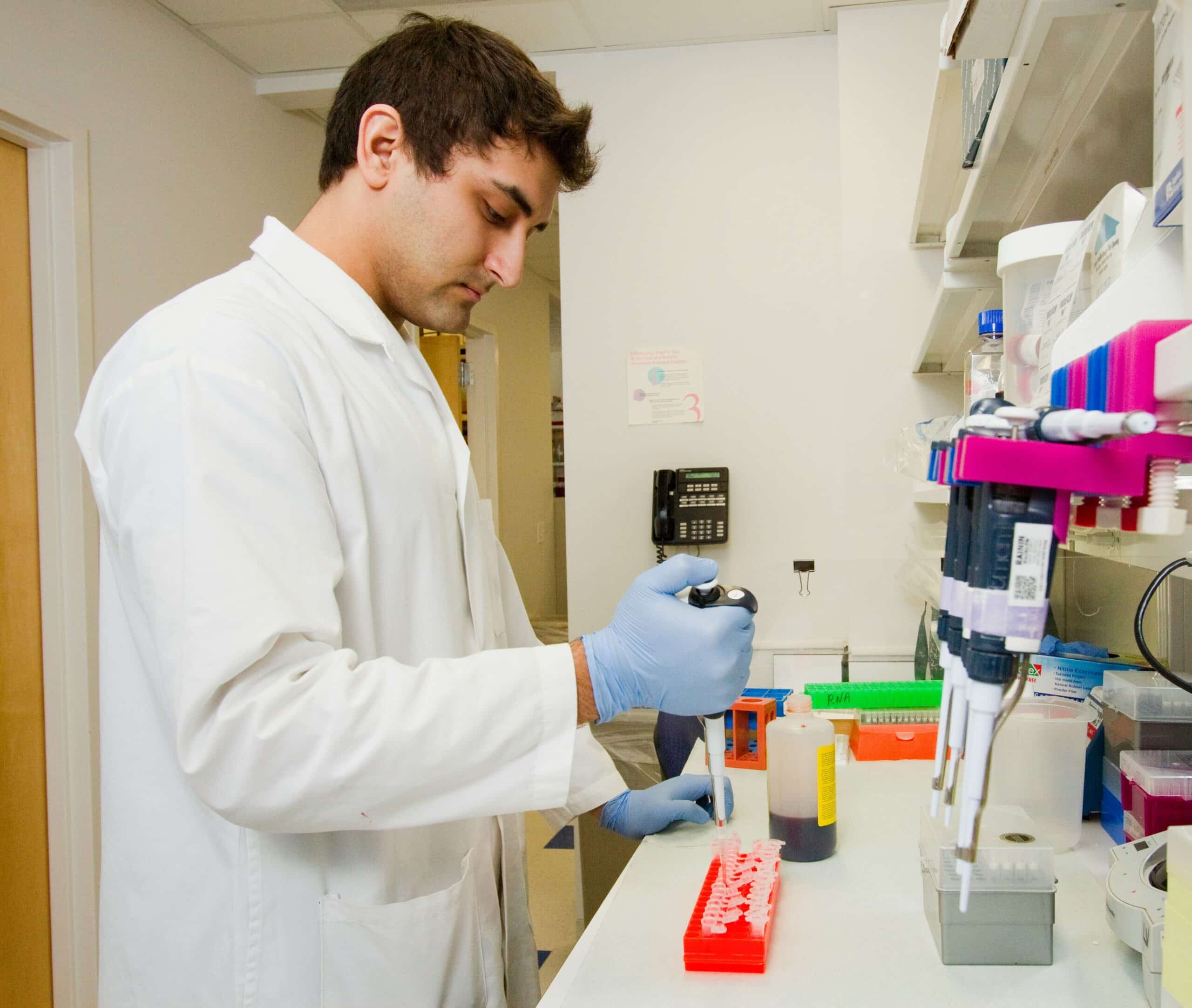
Endometriosis is a persistent condition where tissue resembling the uterine lining grows outside the uterus, leading to inflammation and discomfort. Blood tests can identify specific markers to aid in earlier detection and tailor your treatment plan. This guide will explore why diagnosing endometriosis traditionally takes time, how markers like CA-125 and newer tests such as PromarkerEndo and DotEndo function, and what your results signify for the path ahead. We’ll compare blood tests with laparoscopy and imaging, explain how to interpret positive, negative, or unclear findings, and detail how the Endo Excellence Center incorporates these insights into exceptional patient care.
Why Is Diagnosing Endometriosis So Difficult?
It often takes 7 to 11 years to diagnose endometriosis because its symptoms can mimic other common menstrual issues, and confirming it definitively typically requires an invasive laparoscopy. Patients may face incorrect diagnoses, resulting in prolonged pain and challenges with fertility.
Before less invasive methods became available, doctors relied on physical examinations, imaging, and surgical observation:
- Pelvic exams might not detect small or deeply situated implants.
- Ultrasound and MRI can sometimes miss subtle signs of the condition.
- Laparoscopy, while providing a definitive diagnosis, involves anesthesia and surgical risks.
Patients navigating these obstacles often feel frustrated and experience delayed relief, underscoring the critical need for reliable blood-based markers to shorten the diagnostic timeline.
What Role Do Blood Tests Play in Diagnosing Endometriosis?
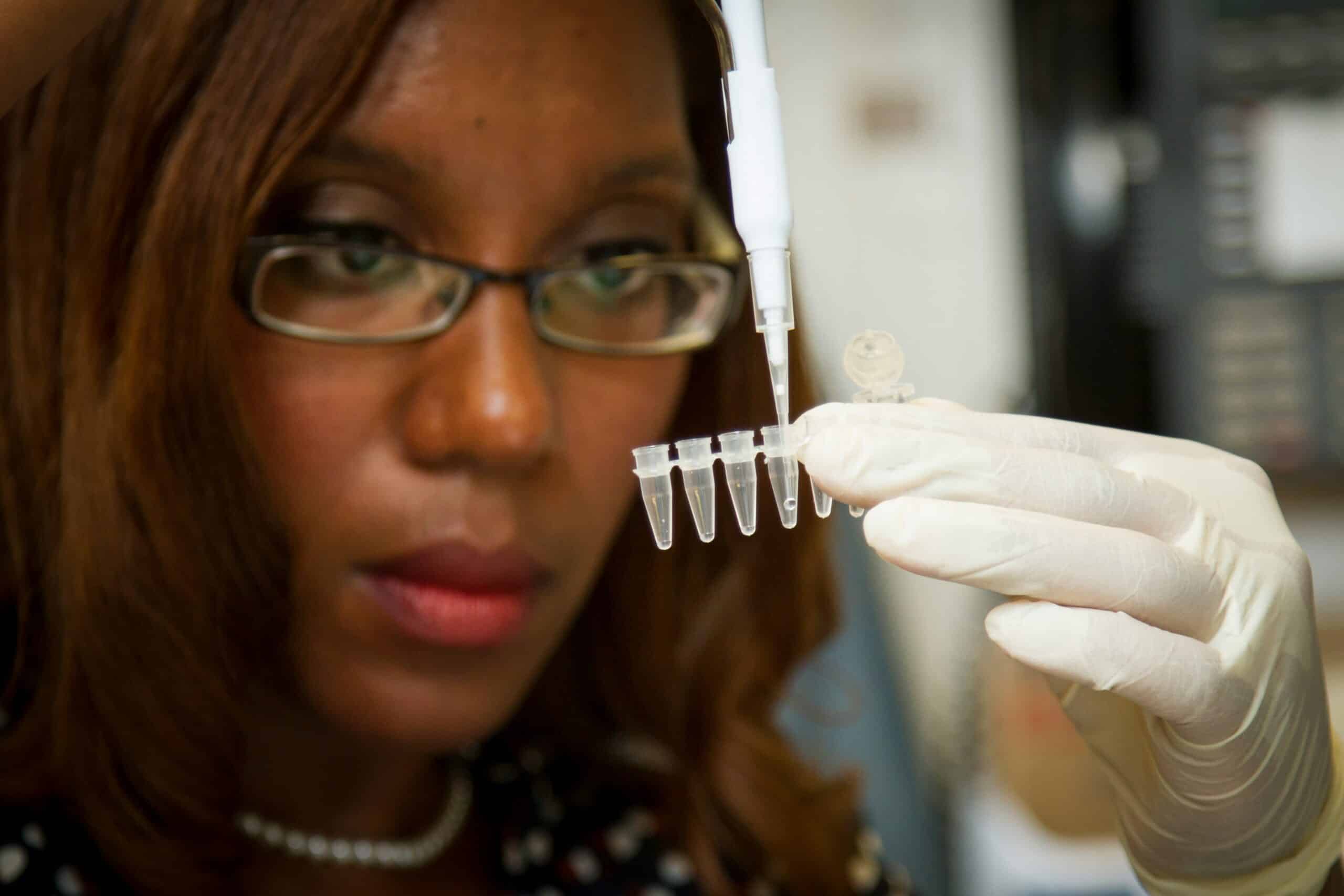
Blood tests examine measurable indicators, known as biomarkers, that are released by tissue similar to endometriosis and by inflammatory responses. This non-invasive approach aids in early detection and guides appropriate referrals. By differentiating between established methods and new tests, clinicians can better prioritize patients and reduce the need for surgery.
How Do Blood Tests Detect Endometriosis Biomarkers?
Blood tests identify endometriosis by measuring specific substances linked to the disease’s activity and inflammation. Common methods include:
- Panels of protein markers that signal abnormal tissue growth.
- Glycoproteins like CA-125, which can increase with pelvic inflammation.
- MicroRNA profiles that reflect changes in gene expression within endometrial implants.
These techniques allow for screening outside of the operating room and establish a foundation for personalized follow-up care.
What Are the Differences Between Current and Emerging Blood Tests?
To compare existing and new tests, consider these key features:
This comparison highlights that while CA-125 is readily accessible, PromarkerEndo and DotEndo offer enhanced non-invasive options that are poised to reduce diagnostic delays.
Which Blood Markers Are Most Commonly Used for Endometriosis?
Clinicians focus on a few key markers to help guide their assessments:
- CA-125: Indicates elevated glycoprotein levels associated with pelvic inflammation.
- Inflammatory cytokines (IL-6, TNF-α): Signal immune system activity around lesions.
- Protein panels: Combine several proteins to improve both sensitivity and specificity.
Understanding these markers clarifies the benefits and limitations of current testing, paving the way for customized diagnostic strategies.
How Should You Interpret CA-125 Blood Test Results for Endometriosis?

Accurately interpreting CA-125 levels requires considering factors such as your menstrual cycle, other health conditions, and the stage of the disease. This context is crucial for informed clinical decisions and effective patient communication.
What Is CA-125 and How Is It Measured?
CA-125 is a large glycoprotein produced by cells in the endometrium and lining of the abdominal cavity. It’s measured through an immunoassay that quantifies its concentration in your blood, reported in units per milliliter (U/mL). A blood sample is taken, sent to a laboratory, and the resulting number is compared against established reference ranges.
When Are CA-125 Levels Elevated?
Various conditions can lead to increased CA-125 levels, as illustrated below:
Elevated levels warrant further investigation but do not definitively confirm endometriosis due to potential overlap with other conditions.
What Are the Limitations of CA-125 in Endometriosis Diagnosis?
While CA-125 can help assess pelvic inflammation, its sensitivity can be as low as 50% for mild disease and its specificity is under 80%. This means it can sometimes produce false positives, particularly in cases of ovarian cancer or pelvic infections, or miss mild cases. Fluctuations related to the menstrual cycle can also affect levels, reducing its reliability as a standalone diagnostic tool.
When Is CA-125 Testing Most Useful?
CA-125 testing can be valuable in these specific clinical situations:
- Tracking the progression of known endometriosis or how it responds to treatment.
- Helping to distinguish between endometriosis and certain types of ovarian masses.
- Assisting in prioritizing patients for further imaging or specialist referrals.
In these scenarios, CA-125 can enhance the decision-making process without replacing a definitive diagnosis.
What Are the New Non-Invasive Blood Tests for Endometriosis?

Newer tests aim to improve early detection by identifying multiple biomarkers using advanced analytical methods. These tests offer the promise of greater accuracy without the need for surgical procedures.
How Does the PromarkerEndo Test Work?
PromarkerEndo utilizes a unique panel of protein markers identified through proteomics. Mass spectrometry measures the relative amounts of these proteins, and a combined algorithm generates a risk score for endometriosis. This non-invasive method detects biological signals associated with ectopic endometrial tissue.
What Is the Diagnostic Accuracy of PromarkerEndo?
Clinical studies of PromarkerEndo have shown approximately 80% sensitivity and 75% specificity in identifying moderate to severe endometriosis. Preliminary research suggests it could reduce the average diagnostic delay by up to three years. Its predictive capability supports earlier referrals to specialists and more timely management.
What Is DotEndo and How Does It Differ?
DotEndo analyzes circulating microRNAs, small RNA molecules that regulate gene expression, which are found to be altered in endometriotic lesions. By profiling a specific set of miRNA patterns using PCR, DotEndo provides a highly accurate, non-invasive screening tool that complements protein-based tests.
Which Other Emerging Biomarkers Are Being Researched?
Researchers are exploring additional markers to refine diagnostic panels:
- High-mobility group box 1 (HMGB1) in menstrual fluid, which can indicate direct lesion activity.
- Newer cytokines (e.g., IL-1β, IL-8) associated with lesion invasiveness.
- Metabolomic profiles that capture biochemical changes characteristic of endometriosis.
How Can You Understand and Act on Your Endometriosis Blood Test Results?
Interpreting your results involves categorizing the findings, considering physiological factors, and planning your next steps with specialists to create a personalized care plan.
What Do Positive, Negative, and Inconclusive Results Mean?
A positive result means your biomarker levels are above established thresholds, suggesting a likelihood of endometriosis. A negative result falls within normal ranges, reducing suspicion. An inconclusive result is near the cutoff values, indicating a need for repeat testing or further evaluation.
How Do Factors Like Menstrual Cycle Affect Blood Test Results?
Hormonal shifts during menstruation and ovulation can influence biomarkers like CA-125 or cytokines. Scheduling your tests mid-cycle or during the follicular phase can help minimize variations and improve the accuracy of your results.
When Should You Consult a Specialist for Further Evaluation?
Seek a referral to a gynecologist or endometriosis specialist if:
- Your biomarker panel shows positive or borderline results.
- You experience persistent pelvic pain despite negative imaging results.
- Initial treatments have not provided symptom relief.
Consulting a specialist early can expedite tailored diagnostic imaging or surgical assessment.
What Personalized Treatment Options Follow Blood Test Diagnosis?
Once diagnosed, specialists can develop individualized treatment plans, which may include hormone therapy, laparoscopic removal of lesions, pain management strategies, and fertility support. Advanced diagnostics help inform targeted approaches to minimize recurrence and enhance your quality of life.
How Do Blood Tests Compare to Other Endometriosis Diagnostic Methods?
Blood tests serve as a valuable complement to, rather than a replacement for, imaging and surgical evaluation. Combining these methods provides a comprehensive view that balances diagnostic accuracy with invasiveness.
What Are the Pros and Cons of Laparoscopy?
Laparoscopy remains the gold standard, offering definitive visual confirmation and the ability to remove lesions during the same procedure. However, it is invasive, requires anesthesia, and carries inherent surgical risks.
How Effective Are Imaging Tests Like Ultrasound and MRI?
Transvaginal ultrasound is effective at detecting larger endometriomas but may miss superficial implants. MRI offers a broader view of the pelvic region but can be more costly and may have limitations in visualizing subtle lesions.
How Do Blood Tests Complement Imaging and Clinical Assessment?
Blood tests provide early, non-invasive indicators that can prompt timely imaging or surgical referrals. When biomarker results and imaging findings align, diagnostic confidence increases, potentially reducing the need for unnecessary surgeries.
How Does the Endo Excellence Center Use Blood Tests in Diagnosis?
At the Endo Excellence Center, our clinicians integrate cutting-edge biomarker assays with targeted imaging and thorough clinical evaluations to establish precise diagnoses. This multidisciplinary approach accelerates care pathways and personalizes treatment decisions for each patient.
What Are the Next Steps After Receiving Blood Test Results for Endometriosis?
Acting on your blood test results involves preparing for specialist appointments, asking informed questions, and understanding how an earlier diagnosis can lead to better long-term health outcomes.
How to Prepare for Your Specialist Consultation?
Compile a detailed log of your symptoms, your menstrual history, and any previous test results, including your biomarker reports. Note your pain patterns, how you’ve responded to medications, and any fertility concerns to make the most of your consultation.
What Questions Should You Ask Your Healthcare Provider?
Inquire about the sensitivity and specificity of your tests, how the results will guide decisions about imaging or laparoscopy, the recommended timelines for treatment, and potential side effects of therapies. This will empower you to actively participate in your care planning.
How Can Early Diagnosis Improve Treatment Outcomes?
Early detection through blood tests allows for prompt intervention, which can help slow lesion progression and preserve fertility. It also reduces the emotional and physical burden associated with chronic pain.