
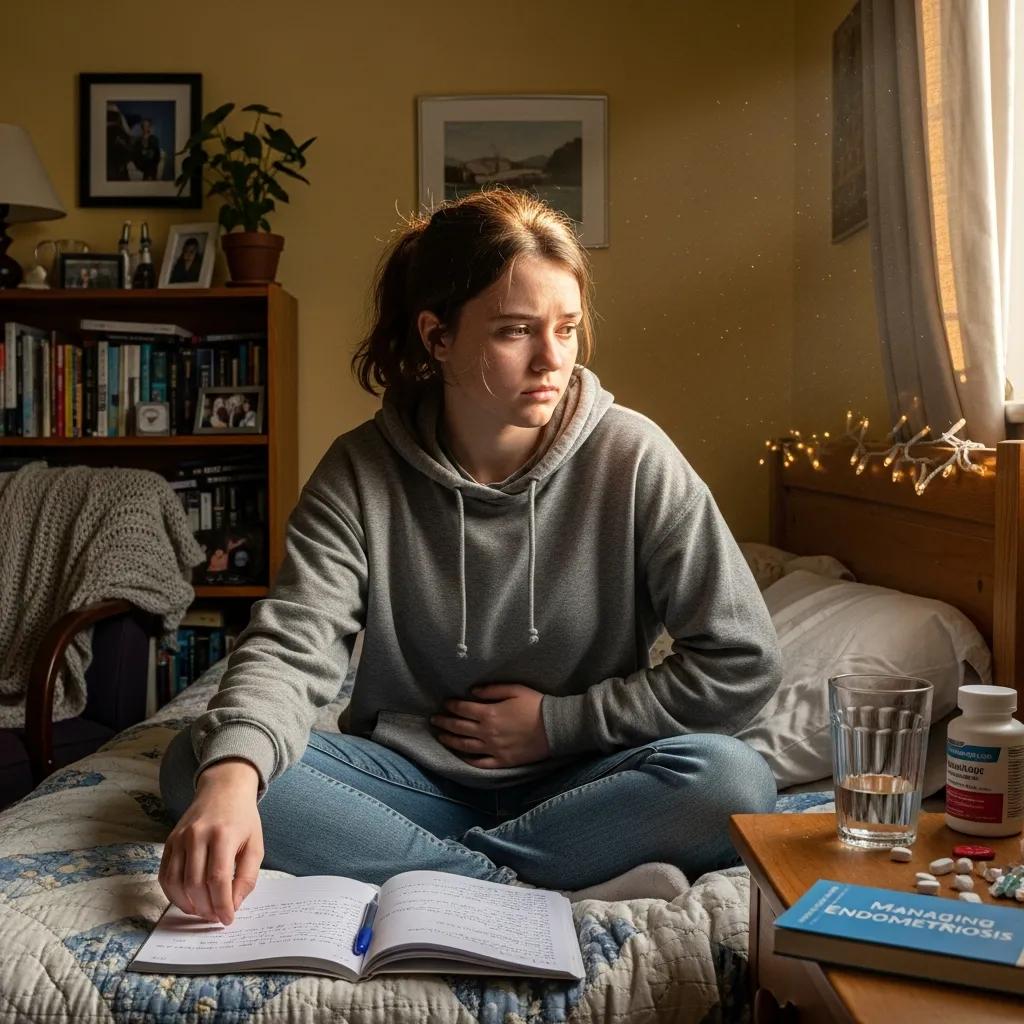
Endometriosis often begins during the teenage years and can influence more than physical health. Persistent pelvic pain, severe menstrual symptoms, and repeated disruptions to daily life can create significant emotional strain for adolescents. Many teens struggle with anxiety, frustration, or feelings of isolation when symptoms interfere with school, friendships, and normal activities.
Understanding the emotional impact of endometriosis helps families recognize how chronic symptoms affect mental wellbeing during adolescence. This article explains the psychological and social challenges teens may experience and highlights ways families, clinicians, and support networks can help adolescents manage the emotional effects of living with endometriosis.
Why Can Endometriosis Affect Emotional Wellbeing in Teens?

Adolescence is a period of rapid emotional and social development. Teenagers are building independence, forming identities, and developing relationships with peers. Chronic health conditions such as endometriosis can interrupt these experiences and introduce ongoing stress. Persistent symptoms, uncertainty about health, and disruptions to daily routines can create emotional challenges that extend beyond physical pain.
Endometriosis Impact on Adolescent Quality of Life
For adults, the level of morbidity it causes for adolescents has been understudied and may be underestimated. This study aims to determine whether endometriosis has a significant impact on quality of life (QOL) for adolescents and young women.
The impact of endometriosis on quality of life in adolescents, 2018
How Does Chronic Pain Influence Emotional Health?
Ongoing pelvic pain can create significant emotional pressure for teenagers. Repeated pain episodes may lead to frustration, irritability, and difficulty concentrating on schoolwork or activities. When symptoms occur unpredictably, teens may worry about when the next episode will happen. This uncertainty can increase stress and reduce confidence in participating in normal daily routines.
Why Can Delayed Diagnosis Increase Emotional Distress?
Many adolescents with endometriosis spend months or years experiencing symptoms before receiving clear answers. During this time, teens may feel that their pain is not taken seriously or that others misunderstand what they are experiencing. Lack of validation can intensify emotional strain and make it harder for teenagers to communicate openly about their symptoms.
How Does Living With a Chronic Condition Affect Identity Development?
Teenagers are developing a sense of independence and self identity during adolescence. Living with a chronic condition can affect how teens view themselves and their abilities. Repeated limitations from pain or fatigue may lead some adolescents to feel different from their peers or hesitant to participate fully in activities they once enjoyed.
What Psychological Challenges Do Teens With Endometriosis Face?

The emotional effects of chronic illness can influence several aspects of mental health. Teens managing ongoing symptoms may experience psychological challenges related to stress, uncertainty, and changes in daily life. Recognizing these challenges allows families and clinicians to support emotional wellbeing alongside physical care. For more detail, see our article Comprehensive Financial Planning for Endometriosis Care.
Why Are Anxiety Symptoms Common?
Anxiety can develop when teenagers worry about pain episodes or the impact of symptoms on school and activities. Concerns about missing classes, falling behind academically, or experiencing pain during social events can create ongoing stress. These worries may increase during menstrual cycles or periods when symptoms are more severe.
How Can Depression Develop in Teens With Chronic Pain?
Persistent discomfort and repeated disruptions to daily life can lead to feelings of sadness or discouragement. When teens feel limited by symptoms over long periods, they may struggle with motivation or lose interest in activities they once enjoyed. Emotional fatigue can develop alongside physical symptoms.
Why Do Some Teens Feel Isolated or Misunderstood?
Endometriosis symptoms are not always visible to others. Friends, teachers, or classmates may not understand the severity of the pain or fatigue that a teen is experiencing. This lack of understanding can lead some adolescents to withdraw socially or avoid discussing their symptoms, which can increase feelings of isolation.
How Does Endometriosis Affect School and Social Life?
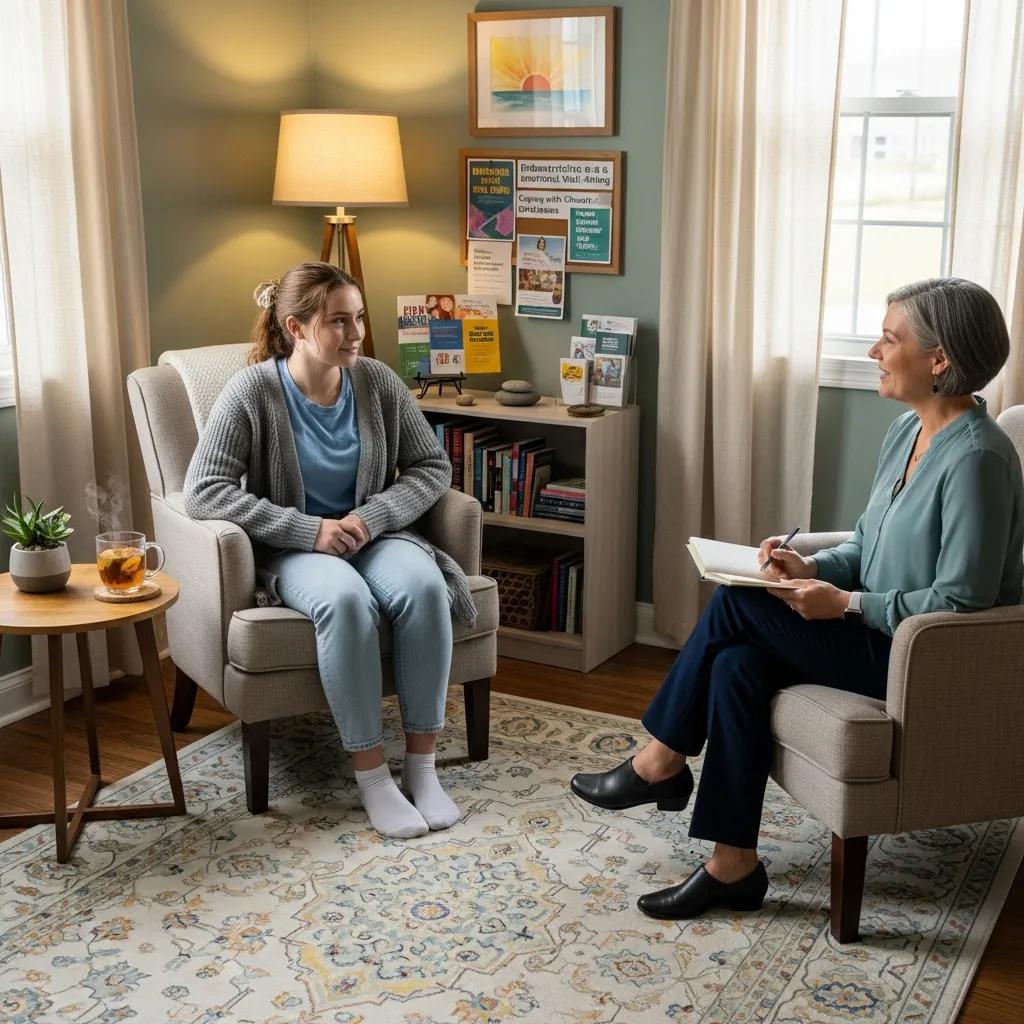
Endometriosis symptoms can influence many areas of a teenager’s daily routine. Adolescents often balance academic responsibilities, extracurricular activities, and social relationships. Persistent pain, fatigue, and unpredictable symptoms can make it difficult to maintain consistent participation in these areas. These disruptions may affect confidence, academic performance, and social engagement.
How Can Symptoms Disrupt School Attendance?
Severe menstrual pain and pelvic discomfort can make it difficult for teens to attend school regularly. Some adolescents miss classes during pain episodes or struggle to concentrate when symptoms occur during the school day. Repeated absences can create academic stress and may require coordination with teachers or school administrators to maintain progress.
How Can Chronic Pain Affect Friendships and Activities?
Teenagers often build friendships and social connections through shared activities. Pain episodes or fatigue may prevent participation in sports, social gatherings, or extracurricular programs. Some teens begin to limit their involvement in activities because they anticipate symptoms. Over time this pattern can reduce opportunities for social interaction.
How Can Endometriosis Affect Self-Confidence?
Living with recurring symptoms can influence how teenagers perceive themselves. Teens may feel embarrassed discussing menstrual symptoms or worry about appearing different from their peers. These concerns can affect confidence and make it harder to ask for help or explain symptoms to others.
How Can Families Support Teens Living With Endometriosis?
Family support plays an important role in helping teenagers manage both the physical and emotional effects of endometriosis. Parents and caregivers can help create a supportive environment where teens feel comfortable discussing symptoms and concerns. Consistent support encourages adolescents to seek care and remain engaged in school and social activities.
Why Is Open Communication Important?
Open conversations allow teenagers to express how symptoms affect their daily lives. Teens who feel heard and supported are more likely to share concerns about pain, fatigue, or emotional stress. Clear communication also helps families recognize changes in symptoms and respond appropriately.
How Can Parents Advocate for School Support?
Parents can work with school staff to ensure that teenagers receive appropriate accommodations when symptoms interfere with attendance or concentration. Flexible attendance policies, extended deadlines, or access to a quiet space during pain episodes can help students continue their education without excessive stress.
How Can Families Help Teens Maintain Normal Activities?
Encouraging balanced participation in school, hobbies, and social activities supports emotional wellbeing. Families can help teens identify activities that remain manageable during symptom flare ups and maintain routines that promote confidence and independence.
What Mental Health Support Can Help Teens With Endometriosis?

Managing endometriosis during adolescence often requires attention to emotional health as well as physical symptoms. Chronic pain, repeated disruptions to daily routines, and uncertainty about future health can create significant emotional pressure. Mental health support helps teenagers develop coping strategies and maintain resilience while living with a chronic condition. You may also find Endometriosis and Mental Health: Understanding the Connection helpful.
How Does Counseling Help Teens Manage Chronic Illness?
Counseling provides a safe space for teenagers to discuss the emotional challenges associated with chronic pain and ongoing medical care. Mental health professionals can help teens develop strategies for managing stress, expressing emotions, and maintaining healthy coping behaviors. Structured support also helps adolescents understand that their reactions to chronic illness are valid and manageable. You may also find Journaling for Mental Health in Endometriosis Patients helpful.
What Role Do Support Groups Play?
Support groups allow teenagers to connect with others who are experiencing similar health challenges. Peer interaction can reduce feelings of isolation and provide practical insights about managing symptoms in daily life. Hearing from others who face similar struggles can strengthen confidence and encourage open discussion about symptoms and emotional wellbeing.
How Can Stress Management Improve Emotional Wellbeing?
Stress management techniques can help teens manage emotional responses to chronic symptoms. Practices such as guided relaxation, breathing exercises, and mindfulness can reduce stress and improve emotional balance. Consistent sleep routines and balanced daily schedules also support mental resilience during periods of increased symptoms.
Why Does Integrated Medical and Emotional Care Matter?
Endometriosis affects both physical health and emotional wellbeing. Comprehensive care that addresses both aspects helps teenagers manage symptoms more effectively and maintain normal development during adolescence. Collaboration between medical and mental health professionals supports balanced treatment and long term wellbeing. Read more in How Mental Health Impacts Endometriosis Treatment Outcomes.
How Do Multidisciplinary Care Teams Support Teens?
Multidisciplinary care brings together clinicians with expertise in adolescent gynecology, pain management, and mental health support. This coordinated approach allows healthcare providers to address physical symptoms, emotional challenges, and lifestyle adjustments in a unified care plan. Integrated teams can evaluate how symptoms affect daily functioning and recommend strategies that support both physical and emotional recovery.
Why Does Addressing Emotional Health Improve Overall Outcomes?
When emotional wellbeing is supported alongside medical treatment, teenagers often experience greater confidence in managing symptoms. Emotional support can improve coping skills, reduce stress related to chronic pain, and help adolescents remain engaged in school and social activities. Centers that emphasize integrated care, such as the Endo Excellence Center, aim to provide adolescents with comprehensive support that addresses both physical symptoms and emotional health.
Frequently Asked Questions
Can endometriosis cause anxiety or depression in teenagers?
Teenagers living with chronic pelvic pain often experience emotional stress. Repeated pain episodes, disrupted routines, and uncertainty about symptoms can contribute to anxiety or low mood. Some adolescents may worry about school performance, social participation, or long term health. Recognizing emotional changes early allows families to seek appropriate support.
How can teens cope emotionally with chronic pain?
Developing healthy coping strategies helps teenagers manage the emotional strain of chronic symptoms. Teens often benefit from structured routines, supportive conversations with trusted adults, and techniques that help manage stress. Counseling, relaxation exercises, and maintaining involvement in enjoyable activities can also support emotional resilience.
What types of support resources are available for teens with endometriosis?
Several resources can help teenagers manage the emotional effects of living with endometriosis. Mental health counseling, peer support groups, and educational programs provide guidance and encouragement. Some organizations also offer online communities where teens can connect with others facing similar challenges. You may also find Key Insights on Endometriosis and Its Mental Health Effects helpful.
How can parents help their child manage emotional stress?
Parents can support their teenagers by listening to their concerns, validating their experiences, and helping them access appropriate care. Encouraging open conversations about symptoms and emotional challenges allows teens to feel understood and supported. Families can also help coordinate medical care and school accommodations when symptoms interfere with daily life.
Do support groups help teenagers with chronic illness?
Support groups provide opportunities for teenagers to connect with peers who understand the challenges of chronic health conditions. Sharing experiences with others who face similar difficulties can reduce feelings of isolation and encourage healthy coping strategies. Peer support often strengthens confidence and helps teens feel less alone in managing their condition.
Conclusion
Endometriosis can influence many aspects of a teenager’s life beyond physical symptoms. Chronic pelvic pain, fatigue, and disruptions to school or social activities can create emotional stress that affects confidence and wellbeing. Understanding these emotional effects helps families recognize when additional support may be needed.
Support from family members, mental health professionals, and coordinated medical care can help teenagers manage both the physical and emotional aspects of endometriosis. With appropriate guidance and resources, adolescents can develop coping strategies that allow them to maintain healthy routines, continue their education, and remain engaged in meaningful activities. If you have questions about your own symptoms, you can schedule an appointment with our endometriosis specialists.