
Endometriosis causes chronic pelvic pain and can disrupt daily life. Low-impact exercises often reduce pain, improve circulation and support pelvic stability. This guide covers gentle, evidence-informed options, swimming, walking, Pilates, stretching and yoga; plus pelvic floor and breathing work, and practical recovery tips.
Research suggests physical activity can help manage endometriosis-related pain and stress.
Physical Activity & Exercise for Endometriosis Symptoms
Endometriosis is a common, benign gynecological condition that can substantially reduce quality of life because of pain. Hormones and surgery have limits, so physical activity (PA) and exercise have been proposed as complementary approaches. Interventions studied include flexibility and strength training, cardiovascular work, and yoga, typically performed one to four times per week over 8–24 weeks, with or without supervision. Across trials, only a small number reported clear pain reduction; one study noted reduced stress levels.
Effect of physical activity and exercise on endometriosis-associated symptoms: a systematic review, MK Tennfjord, 2021
Which Gentle Exercises Are Safe and Effective for Endometriosis Pain Relief
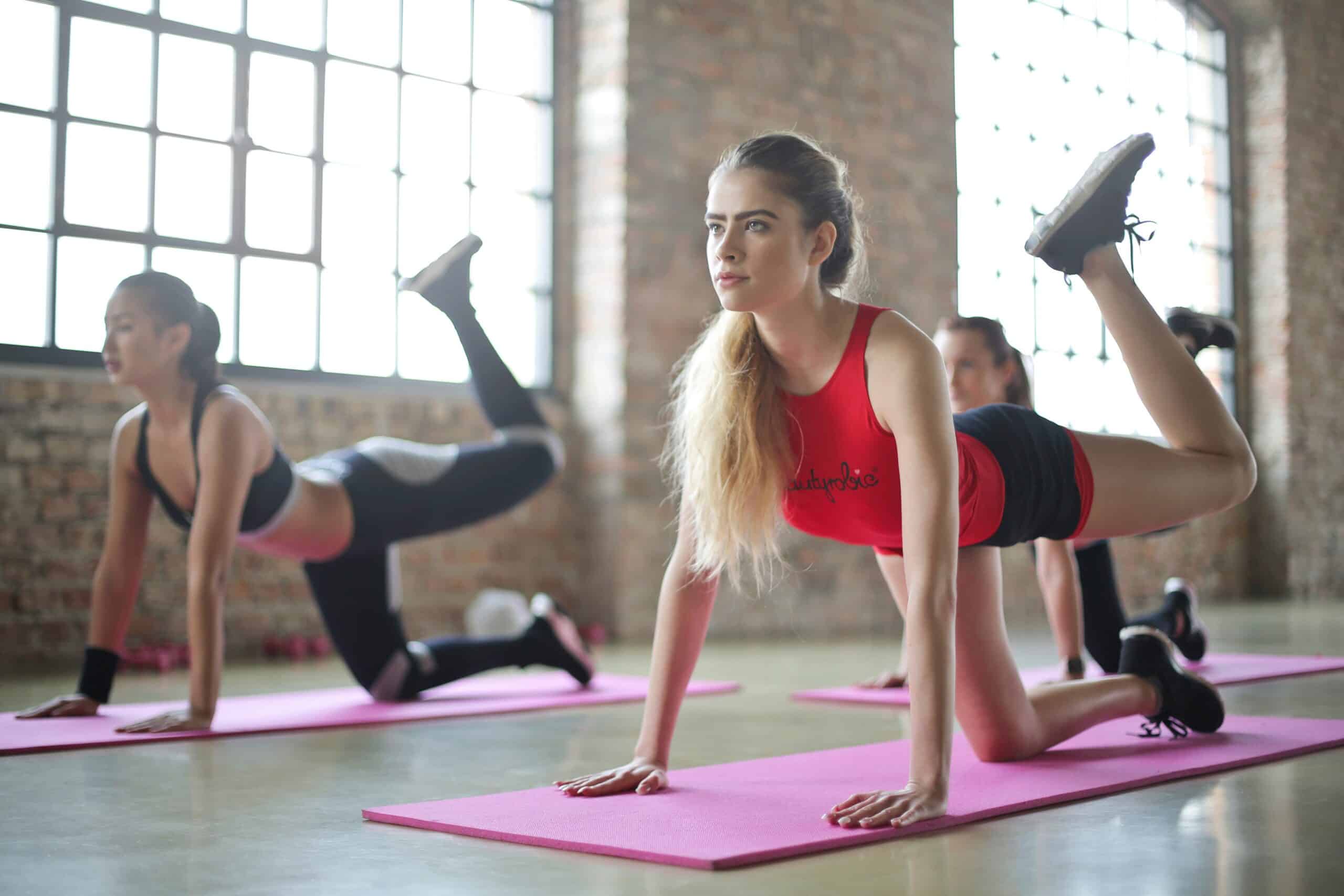
Endometriosis can bring about a myriad of pain and discomfort, making it crucial for those affected to find effective ways to manage their symptoms. Gentle exercises can play a significant role in alleviating endometriosis pain, as they promote relaxation, improve circulation, and help reduce muscle tension. Low-impact activities, such as yoga and swimming, are particularly beneficial. Yoga promotes flexibility and mindfulness while facilitating deep breathing techniques that can ease stress and tension. Poses that open the hips and stretch the lower back can help relieve pelvic pain. Meanwhile, swimming allows for a full range of motion without the strain that often accompanies weight-bearing exercises, providing a soothing environment for the body.
Another excellent option is walking, which can be easily tailored to individual fitness levels and schedules. This simple yet effective exercise enhances blood flow and releases endorphins, the body’s natural painkillers. Engaging in regular, moderate-paced walking can significantly improve overall well-being and help those suffering from endometriosis feel more in control of their symptoms. Additionally, incorporating gentle stretching routines can further enhance flexibility and help manage discomfort. Those living with endometriosis should consult with a healthcare provider before initiating any new exercise regimen to ensure it aligns with their specific needs and conditions. By embracing these gentle exercises, individuals can take proactive steps towards alleviating their pain and fostering a healthier lifestyle.
Low-impact exercises that improve circulation and pelvic support are usually safest.
- Gentle Walking – Boosts circulation; take breaks.
- Swimming – Low-impact, supports endurance and strength.
- Pilates – Builds core and pelvic stability.
- Stretching – Relieves cramping and increases flexibility.
- Gentle Yoga – Mobility plus relaxation; seek informed instructors.
Pair activity with rest to recover and reduce flares.
What Low-Impact Aerobic Activities Help Reduce Endometriosis Symptoms?
Examples include swimming, walking, Pilates, stretching and gentle yoga.
- Swimming
- Gentle walking
- Pilates
- Stretching
- Gentle yoga
These boost blood flow and muscle tone while minimizing tissue stress.
How Do Mind-Body Practices Like Yoga and Pilates Support Endometriosis Relief?
Yoga and Pilates blend gentle movement, breath work and relaxation to reduce muscle tension, improve pelvic mobility and lower stress that can amplify pain. Practiced slowly and regularly, they build pelvic strength and flare-up coping skills.
Systematic reviews suggest yoga may improve quality of life and reduce pain.
Yoga for Endometriosis Pain Relief & Quality of Life
This systematic review examined studies since 2017 to evaluate whether yoga and similar alternative methods should be recommended for patients with endometriosis-related pain. As yoga’s popularity has grown, clinicians need evidence-based guidance. The review looked at different yoga styles and other complementary approaches and found consistent improvements in quality of life; overall, yoga appeared beneficial for pain management when included in a patient’s care plan.
The Beneficial effects of alternative methods, with an emphasis on yoga, for patients affected by pain associated with endometriosis, 2024
How Can Pelvic Floor and Breathing Exercises Alleviate Endometriosis Discomfort?
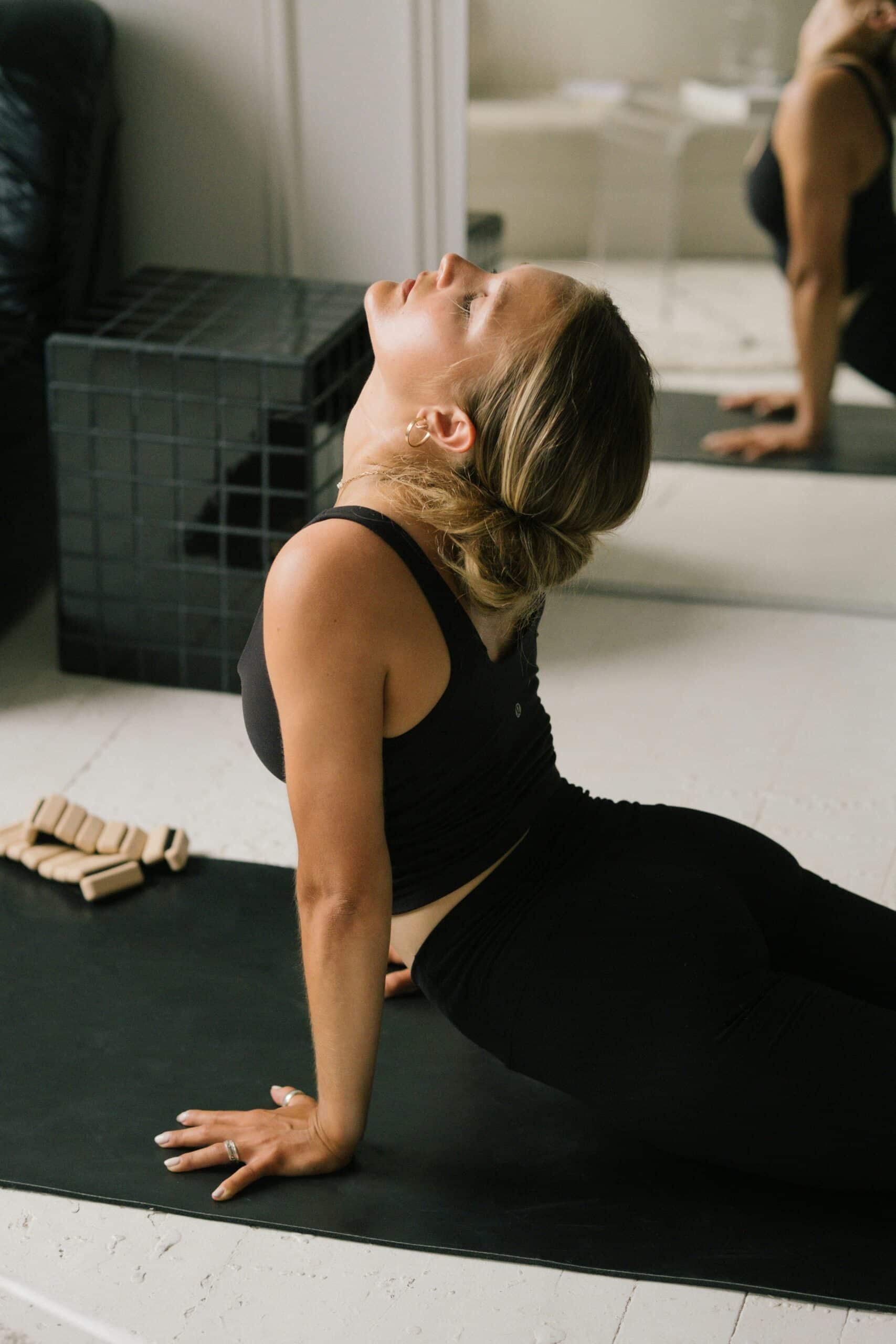
Endometriosis is a condition that affects many individuals with a uterus, often causing severe pelvic pain, irregular periods, and a range of other uncomfortable symptoms. While medical treatments are essential, complementary approaches like pelvic floor and breathing exercises can provide significant relief. These exercises focus on strengthening and relaxing the pelvic floor muscles while promoting better diaphragmatic breathing. When practiced regularly, they can help reduce tension in the pelvic area, which is often heightened in those with endometriosis. By enhancing muscle control and flexibility, individuals may experience decreased pain and discomfort during both daily activities and menstrual cycles.
Moreover, breathing exercises are particularly beneficial because they promote a state of relaxation, reducing overall stress levels and tension throughout the body. This is crucial for those managing endometriosis, as stress can exacerbate symptoms. Deep, mindful breathing techniques encourage better oxygen flow, which can improve blood circulation to the pelvic region. This increased blood flow may help alleviate pain and foster healing. By incorporating pelvic floor and breathing exercises into their routine, individuals with endometriosis can empower themselves with tools to manage their symptoms effectively, enhancing their quality of life. For more detail, see our article How Mindfulness Techniques Relieve Endometriosis Pain.
What Are Pelvic Floor Exercises and Their Benefits for Endometriosis?
Pelvic floor exercises, often referred to as Kegel exercises, are designed to strengthen the muscles of the pelvic floor, which support various organs in the lower abdomen, including the bladder, uterus, and rectum. For individuals dealing with endometriosis, a condition where tissue similar to the lining inside the uterus grows outside of it, incorporating pelvic floor exercises into their routine can provide significant benefits. These exercises focus on the contraction and relaxation of pelvic muscles, which can help alleviate some of the discomfort associated with the condition and improve overall pelvic health.
How Does Diaphragmatic Breathing Improve Pelvic Pain and Muscle Function?
Diaphragmatic breathing, often referred to as deep or abdominal breathing, plays a crucial role in alleviating pelvic pain and enhancing muscle function. This technique emphasizes the engagement of the diaphragm, a dome-shaped muscle located at the base of the ribcage. By focusing on deep, intentional breaths that expand the abdomen rather than the chest, individuals can stimulate a natural relaxation response in the body. This relaxation not only helps reduce tension in the pelvic floor muscles but also encourages better blood flow and oxygenation in the area. As a result, those experiencing pelvic pain can often find significant relief, as diaphragmatic breathing promotes a sense of calm and balance within the body.
Which Exercises Should Be Avoided to Prevent Worsening Endometriosis Symptoms?

When it comes to managing endometriosis, exercise can be a double-edged sword. While physical activity is crucial for overall health and can alleviate some symptoms, certain types of exercise may exacerbate discomfort and worsen the condition. Individuals suffering from endometriosis should be particularly cautious about high-impact workouts, such as running or intense aerobics, which can place extra stress on the pelvic area. These exercises may lead to increased pain and discomfort, particularly during a flare-up, and can also result in inflammation and fatigue, negating the positive aspects of regular physical activity. For more detail, see our article Endometriosis Pain Relief Exercises for Enhanced Mobility.
Another category of exercises to be wary of includes those that involve heavy lifting or straining, such as weightlifting or powerlifting. These strenuous activities can cause undue pressure on the abdominal region, heightening the risk of exacerbating endometriosis-related symptoms. Additionally, exercises that require twisting or deep bending, like certain forms of yoga or Pilates, might also trigger pain or discomfort. Instead, individuals with endometriosis may find relief and better outcomes by opting for gentler forms of exercise such as walking, swimming, or restorative yoga. Ultimately, understanding which exercises to avoid can empower those with endometriosis to maintain an active lifestyle while managing their symptoms effectively. We cover this further in Best Foods for Endometriosis Pain Relief.
Avoid consistently painful, high-impact or overly intense activities; modify or replace them with gentler options.
Why Are High-Impact Workouts Risky for Women with Endometriosis?
Running on hard surfaces, jumping classes and heavy lifting can increase pelvic pain and strain inflamed tissues. Many benefit more from gentler exercise. Read more in Herbal Supplements for Endometriosis: What Works Best.
What Are Safe Strength Training Approaches for Endometriosis Patients?
Use controlled, low-load strength work: bodyweight, light resistance and Pilates-based core moves. Prioritize form, hydration and rest; reduce load if pain rises.
How Can You Integrate Exercise into Your Routine for Managing Endometriosis Symptoms?
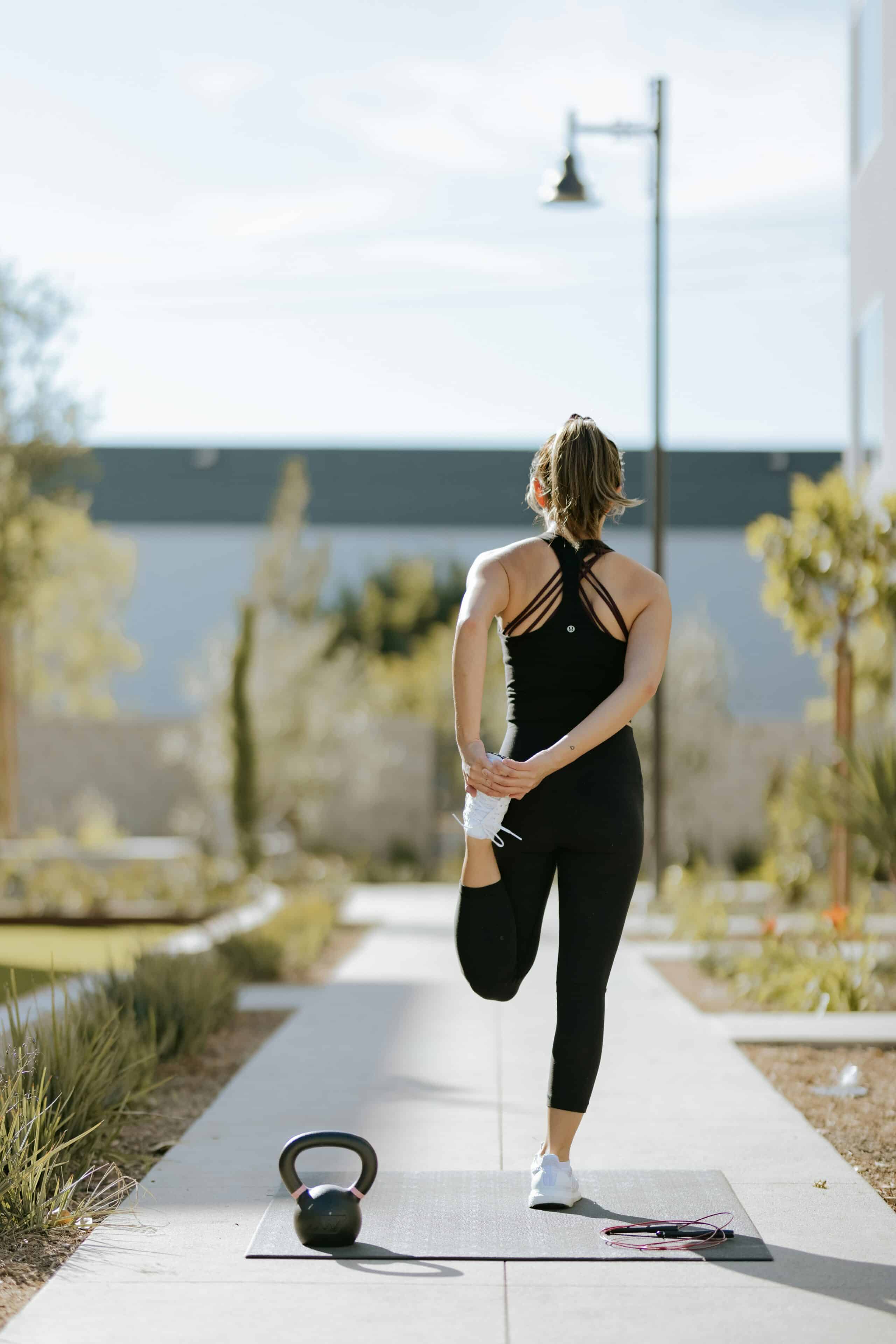
Integrating exercise into a daily routine can be a powerful strategy for managing the symptoms of endometriosis. For individuals suffering from this condition, regular physical activity can help alleviate pain, reduce inflammation, and improve overall well-being. A balanced approach is key; incorporating a mix of cardiovascular workouts, strength training, and flexibility exercises can create a comprehensive plan that caters to one’s personal preferences and physical abilities. Activities like brisk walking, swimming, or cycling can elevate mood and release endorphins, the body’s natural pain relievers, making them excellent choices for those dealing with endometriosis-related discomfort. Read more in Mobility Exercises Enhance Life for Endometriosis Patients.
Moreover, yoga and Pilates offer not just physical benefits but also mental relaxation, which can be invaluable. These practices emphasize deep breathing and mindfulness, helping participants to reconnect with their bodies and alleviate stress, often a trigger for endometriosis flare-ups. Establishing a consistent routine is essential. Setting aside specific times during the week for these activities can create a sense of structure and commitment, motivating individuals to stick to their plans. Whether it’s a morning yoga session or a brisk evening walk, the key is to listen to one’s body and adapt the intensity and duration as needed. By prioritizing regular exercise within their routine, individuals can take an active role in managing their endometriosis symptoms, fostering both physical health and emotional resilience along the way.
Fit movement into daily life with predictable routines and recovery.
- Choose gentle activities: swimming, walking, Pilates or gentle yoga.
- Balance activity with rest: short breaks and recovery days.
- Stay hydrated: stay hydrated to support recovery.
- Use mindfulness and relaxation: brief breathing or mindfulness to reduce stress.
- Structure your week: plan movement and rest to match your energy and pain levels.
These steps protect against overexertion and support consistency.
What Tips Help Maintain Consistency and Listen to Your Body?
Short, practical tips to stay consistent:
- Hydration & diet: drink regularly and favor anti-inflammatory foods.
- Adapt activities: note what eases or worsens pain and adjust.
- Schedule rest: include short pauses and recovery days.
- Practice mindfulness: daily breathing or brief meditation.
- Plan your time: organize tasks so movement and rest fit your day.
- Seek professional guidance: work with clinicians or PTs.
Observe how you feel during and after activity and make small adjustments.
How Does Exercise Fit into a Multidisciplinary Endometriosis Treatment Plan?
Exercise complements medical care, stress management and lifestyle changes; coordinated care helps long-term symptom control.
A controlled 8-week exercise program reduced pelvic pain intensity in one study.
Exercise Programs Reduce Endometriosis Pelvic Pain
[Purpose] This study evaluated the effect of a structured exercise program on pelvic pain and posture in people with endometriosis. [Subjects and Methods] A repeated-measures design followed 20 patients (ages 26–32) diagnosed by laparoscopy with mild to moderate endometriosis. Participants were assessed before the program, after 4 weeks, and after 8 weeks. The exercise plan followed American College of Obstetricians and Gynecologists guidelines for sedentary women. [Results] After 8 weeks, participants showed a statistically significant reduction in pain intensity and improvements in thoracic kyphosis angle compared with baseline.
Efficacy of exercise on pelvic pain and posture associated with endometriosis: within subject design, A Yousef, 2017
Frequently Asked Questions
What lifestyle changes can complement exercise for managing endometriosis symptoms?
Complement exercise with an anti-inflammatory diet, steady hydration, good sleep, no smoking and limited alcohol. Stress-reduction like mindfulness also helps.
How can I determine the right exercise intensity for my condition?
Start low-impact and increase slowly. Use pain as a guide; scale back if symptoms worsen. A clinician or PT can tailor progression.
Are there specific yoga poses that are particularly beneficial for endometriosis?
Gentle poses (Child’s Pose, Cat–Cow, Supine Bound Angle, seated twists) can ease tension and increase blood flow. Stop if uncomfortable and seek instructors experienced with pelvic pain.
How often should I exercise to see improvements in my symptoms?
Aim for regular gentle activity 3–5 times weekly, 20–40 minutes per session. Consistency matters more than intensity; prioritize recovery.
Can exercise help with emotional symptoms related to endometriosis?
Yes. Movement releases endorphins and improves sleep; mind-body practices reduce anxiety and support emotional well‑being.
What role does nutrition play in conjunction with exercise for endometriosis management?
Nutrition reduces inflammation and supports energy and recovery. Emphasize leafy greens, healthy fats, nuts, seeds and fatty fish; stay hydrated. A nutritionist can personalize guidance.
Conclusion
Gentle, consistent exercise swimming, walking, Pilates and gentle yoga can improve circulation, pelvic support and reduce tension when paired with rest, hydration and stress management. Coordinate with your healthcare team to build a safe, sustainable routine. When you are ready to talk through your options, schedule an appointment with our team.