

Manual therapy is a hands-on approach for musculoskeletal pain and movement limits. For people with endometriosis, targeted techniques focused on improving mobility with manual therapy can ease chronic pelvic pain, reduce tension, and support better everyday movement. Below we outline how manual therapy helps, common techniques, expected benefits, and how it fits into team-based care.
What Is Manual Therapy And Its Role In Endometriosis Pain Relief?

Manual therapy covers hands-on techniques that target soft tissues and joints to reduce pain and restore function. In endometriosis care, therapists treat musculoskeletal contributors to pelvic pain, for example, tight fascia, restricted joints, and overactive pelvic muscles. Approaches such as myofascial release and therapeutic massage reduce tension, improve tissue mobility, and make daily movement easier.
Endometriosis often causes chronic inflammation and scarring, which can lead to secondary musculoskeletal issues. These issues may include muscle spasms, nerve irritation, and altered posture, all of which contribute to persistent pain. Manual therapy addresses these secondary problems by focusing on the musculoskeletal system, complementing medical and surgical treatments aimed at the endometrial lesions themselves. By improving tissue quality and joint function, manual therapy can help break the cycle of pain and dysfunction that many patients experience.
Which Manual Therapy Techniques Are Used For Pelvic Floor Rehabilitation?
Therapists often combine several manual techniques for pelvic floor rehabilitation in endometriosis, including:
- Myofascial Release: Gentle sustained pressure eases fascial tightness and improves tissue glide to lower pain and increase pelvic mobility.
- Lymphatic Drainage Massage: Light rhythmic strokes support lymph flow and can reduce localized swelling and inflammation linked to pelvic pain.
- Trigger Point Therapy: Targeted pressure releases tight knots that refer pain to the pelvis and back, improving muscle function.
Combined, these techniques aim to rebalance the pelvic floor, ease discomfort, and support better movement patterns.
In addition to these, therapists may use soft tissue mobilization and joint mobilization techniques to address restrictions in the sacroiliac joints and lumbar spine, which often contribute to pelvic pain. Education on posture and body mechanics is also integrated to help patients maintain improvements and prevent further dysfunction. The holistic approach ensures that both local pelvic issues and related musculoskeletal imbalances are addressed for comprehensive rehabilitation.
How Does Manual Therapy Reduce Chronic Pelvic Pain In Endometriosis?
Manual therapy addresses secondary musculoskeletal problems around endometriosis lesions, such as shortened muscles, fascial restrictions, and joint stiffness. Techniques like myofascial release and trigger point work reduce tension and improve local circulation, which can support tissue recovery and lower inflammation. As pelvic floor muscles regain length and coordination, many people report less pain and better function in daily tasks.
Furthermore, manual therapy can modulate the nervous system by decreasing muscle guarding and interrupting pain signaling pathways. This neuromodulatory effect helps reduce central sensitization, a common feature in chronic pelvic pain syndromes. By restoring normal muscle tone and improving blood flow, manual therapy also facilitates healing and reduces the risk of chronic pain becoming entrenched. Patients often experience improved sleep and mood as pain diminishes, contributing to overall quality of life.
How Does Manual Therapy Enhance Pelvic Mobility In Women With Endometriosis?

Therapists locate and treat areas of tension and restriction in the pelvis, hips, and surrounding soft tissues to restore mobility. Restoring movement in these structures helps return more natural movement patterns and flexibility, reducing compensatory strain and the painful effects that make daily movement harder.
Restricted pelvic mobility can lead to altered gait, poor posture, and increased stress on adjacent joints such as the lower back and hips. Manual therapy helps break down adhesions and scar tissue that limit movement, while also addressing muscle imbalances that develop as a result of pain avoidance. Improved mobility not only reduces pain but also enhances functional activities such as walking, sitting, and exercising, which are essential for maintaining overall health and well-being.
What Are The Key Mobility Exercises For Endometriosis Patients?
Gentle mobility work maintains gains between sessions. Common exercises include:
- Pelvic Tilts: Controlled tilts strengthen and coordinate the pelvic floor and lower abdominals while improving spinal mobility.
- Knee-to-Chest Stretch: A gentle stretch to release low back and posterior pelvic tension.
- Hip Openers: Butterfly or supported figure-four stretches improve hip flexibility and reduce pelvic tightness.
When done alongside manual therapy, these exercises help sustain range-of-motion improvements and lower the chance of symptom recurrence.
Additional exercises such as diaphragmatic breathing and gentle core stabilization can support pelvic floor function and reduce intra-abdominal pressure, which may exacerbate symptoms. Incorporating mindfulness and relaxation techniques during exercise can also help patients manage pain and improve body awareness. Therapists often customize exercise programs to individual needs, ensuring safe progression and addressing specific mobility limitations.
How Is Mobility Improvement Measured After Manual Therapy?
Progress is tracked with simple, repeatable assessments that capture movement and symptom change. Common measures include:
- Goniometry: Objective joint-angle measurements to document range-of-motion gains.
- Visual Analog Scale (VAS): Patient-rated pain scores for before-and-after comparisons.
- Functional Movement Assessments: Practical tests of activities such as bending, lifting, and sitting tolerance.
These tools help therapists tailor care, show measurable progress, and adjust plans as needed.
In addition, patient-reported outcome measures (PROMs) such as the Pelvic Floor Distress Inventory or Endometriosis Health Profile questionnaires may be used to assess the impact of therapy on quality of life and symptom burden. Regular reassessment ensures that therapy remains aligned with patient goals and allows for timely modifications to optimize outcomes.
What Are The Benefits And Safety Considerations Of Manual Therapy For Endometriosis?
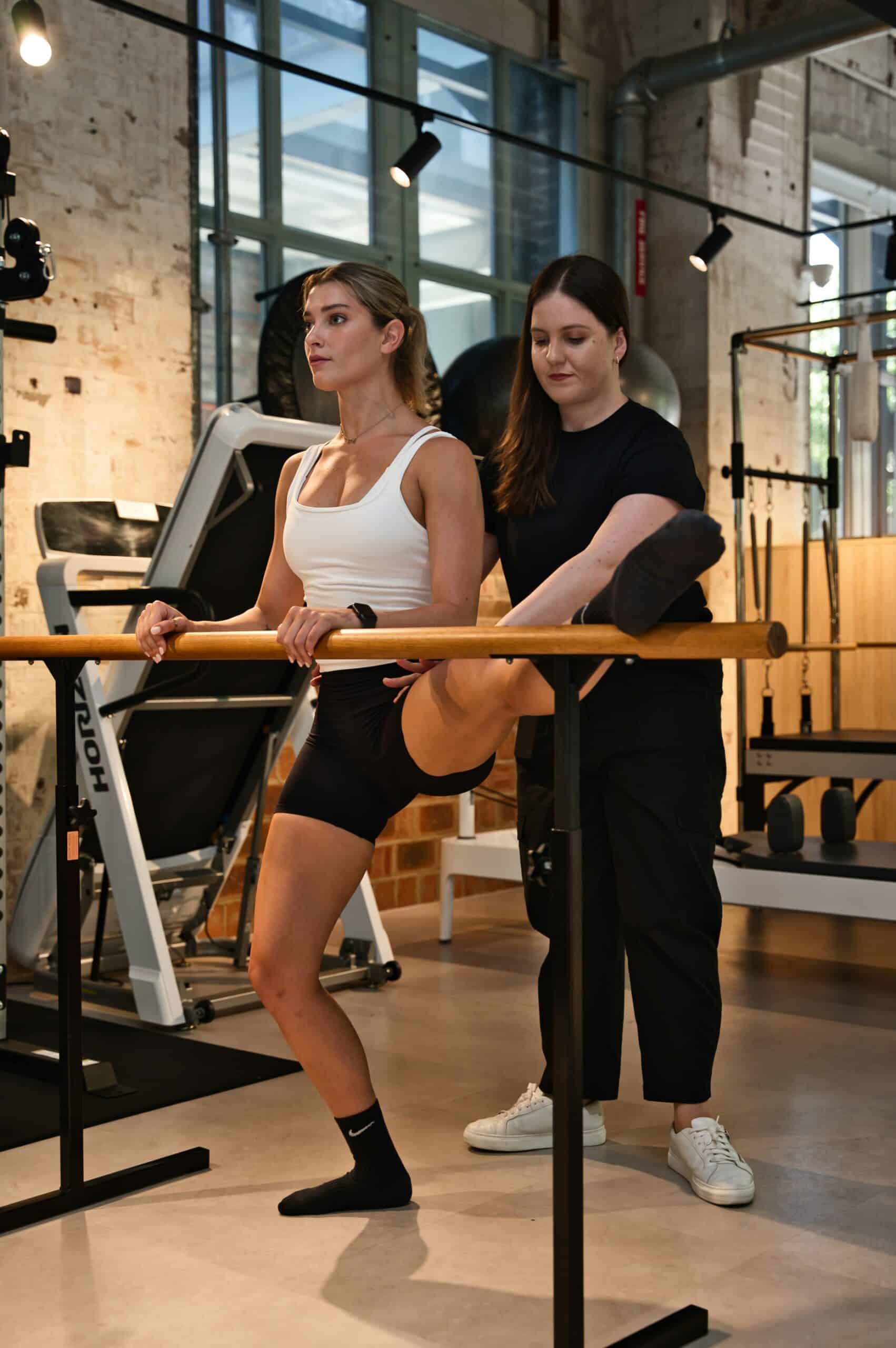
Manual therapy can reduce pain, improve pelvic mobility, and enhance daily function for many people with endometriosis. Safety and individualization are essential: care should be provided by clinicians trained in pelvic health and adjusted to each person’s medical history and symptoms.
Benefits extend beyond physical improvements; many patients report enhanced emotional well-being and reduced anxiety related to chronic pain. Manual therapy can also empower patients by teaching self-management techniques and promoting active participation in their care. This holistic approach supports long-term health and resilience. You may also find Endometriosis Pain: Incomplete Removal vs. True Recurrence helpful.
What Are The Expected Results And Timeframes For Manual Therapy?
Some people feel relief after a few sessions; others need several weeks of consistent care. Clinically, many patients notice improvement within about 4 6 weeks of regular treatment, though results vary with symptom severity, tissue changes, and concurrent therapies. For more detail, see our article Advancing Endometriosis Care: AI in Progression Mapping.
It is important to recognize that manual therapy is often part of a broader treatment plan and may require ongoing maintenance sessions to sustain benefits. Patients with longstanding symptoms or extensive tissue changes may need longer treatment courses. Open communication with the therapist about progress and expectations helps ensure realistic goals and satisfaction with care. For more detail, see our article Manual Therapy Specialized for Endometriosis: Key Benefits.
Are There Any Risks Or Contraindications Associated With Manual Therapy?
Manual therapy is generally low-risk when performed by a qualified clinician, but there are contraindications. People with severe osteoporosis, recent fractures, active infections, or untreated malignancy should avoid manual therapy until medically cleared. Always review your full medical history with your care team before starting any new therapy. You may also find Merging Traditional and Alternative Endometriosis Care helpful.
Other considerations include acute flare-ups of endometriosis symptoms, where manual therapy may need to be modified or temporarily paused. Patients should report any unusual pain, bruising, or adverse reactions promptly. Therapists use careful assessment and clinical judgment to minimize risks and ensure safe, effective treatment tailored to each individual.
How Can Manual Therapy Be Integrated With Other Endometriosis Treatments?

Manual therapy is most effective as part of a coordinated care plan. Combining hands-on treatment with medication, pelvic floor physical therapy, and lifestyle strategies (exercise, nutrition, stress management) supports broader symptom control and functional gains.
Integration with medical treatments such as hormonal therapy or surgery enhances overall outcomes by addressing both the underlying disease and its musculoskeletal consequences. Collaboration among gynecologists, physical therapists, pain specialists, and mental health providers ensures comprehensive support for patients navigating the complexities of endometriosis.
What Is The Role Of Pelvic Floor Therapy In Comprehensive Endometriosis Care?
Pelvic floor therapy targets the muscles supporting the pelvic organs, helping relax overactive muscles and strengthen weak ones. When manual therapy is part of pelvic floor rehabilitation, patients often see faster improvements in pain, muscle coordination, and daily function, which supports better quality of life.
Clinical reports and case studies support combining manual therapy with pelvic physical therapy for persistent pain and muscle tension that can remain after endometriosis surgery.
Pelvic floor therapists also provide education on bladder and bowel habits, posture, and ergonomics, which can reduce symptom triggers. Biofeedback and neuromuscular re-education techniques may be used alongside manual therapy to enhance muscle control and reduce pain. This multidisciplinary approach addresses the complex interplay of factors contributing to pelvic pain and dysfunction in endometriosis.
How Do Patient Success Stories Illustrate Manual Therapy Effectiveness?
Many patients report meaningful pain reductions and improved mobility after courses of manual therapy combined with pelvic floor rehabilitation and lifestyle changes. These stories show how a tailored, multidisciplinary approach can restore function and ease daily discomfort for people with endometriosis.
For example, patients often describe regaining the ability to participate in activities they had previously avoided due to pain, such as exercise, social events, and work tasks. Improved sleep quality and mood are also common themes, highlighting the broad impact of effective manual therapy. These narratives underscore the importance of individualized care plans and the value of patient engagement in the healing process.
Frequently Asked Questions
Can Manual Therapy Be Used Alongside Medication For Endometriosis?
Yes. Manual therapy targets musculoskeletal contributors to pain while medication addresses hormonal or inflammatory pathways. Coordinate care with your healthcare team to combine therapies safely.
How Often Should One Undergo Manual Therapy For Endometriosis?
Frequency depends on need. Many start with weekly sessions, then shift to every other week or monthly maintenance as symptoms improve. Your therapist will suggest a schedule based on your goals and response. If you have questions about your own symptoms, you can schedule an appointment with our endometriosis specialists.
What Qualifications Should A Therapist Have For Manual Therapy In Endometriosis Care?
Choose a licensed physical therapist or certified manual therapist with pelvic health training. Experience with endometriosis or chronic pelvic pain helps ensure safe, effective care.
Are There Specific Lifestyle Changes That Can Enhance The Effects Of Manual Therapy?
Yes. Gentle, low-impact activities like yoga, walking, or swimming support mobility. Anti-inflammatory food choices, good sleep, and stress-reduction practices such as mindfulness also help maintain gains.
What Should Patients Expect During Their First Manual Therapy Session?
Your first visit usually includes history-taking, symptom review, and a physical assessment to identify tension and functional limits. The therapist will explain techniques, set goals, and teach self-care strategies for between sessions.
How Can Patients Track Their Progress With Manual Therapy?
Use a symptom diary to note pain, activity tolerance, and mobility. Regular reassessments with your therapist using range-of-motion tests and the Visual Analog Scale (VAS) provide objective data to guide care.
Conclusion
Manual therapy can be a valuable component of endometriosis care, offering pain relief, better pelvic mobility, and improved daily function when provided by trained clinicians. Paired with pelvic floor therapy, medical management, and lifestyle supports, it contributes to a comprehensive plan to help people move and feel better. Talk with a qualified pelvic health therapist to create a safe, individualized plan that fits your goals. For more detail, see our article Explore Breakthroughs in Endometriosis Research for Better Care.