
Endometriosis is a chronic condition causing pain and limited mobility. Physical therapy exercises offer a non invasive approach to manage symptoms. This article summarizes targeted exercises and personalised pelvic floor care, explains why pelvic rehabilitation helps, and outlines when to seek specialist support to improve daily function and quality of life.
Endometriosis is a chronic condition that affects millions of women around the world, often leading to debilitating pain and restricted mobility. This condition occurs when tissue similar to the lining of the uterus grows outside it, causing inflammation, scar tissue, and, for many, severe discomfort during daily activities. While traditional treatments often focus on medication and surgery, an increasing number of individuals are turning to physical therapy as a non-invasive option for managing symptoms. This approach centers on targeted exercises and personalized pelvic floor care, which can significantly alleviate pain and improve overall quality of life.
Pelvic rehabilitation has shown particularly promising results for those suffering from endometriosis. By focusing on the pelvic floor muscles, these exercises can help reduce tension, enhance blood flow, and promote relaxation, which in turn may lessen pain and improve mobility. The article emphasizes the importance of tailoring exercises to each individual’s specific needs and circumstances, ensuring a more effective approach to symptom management. Additionally, it outlines the key signs that indicate when it might be beneficial to seek specialized support, empowering readers to take control of their health and make informed decisions about their well-being. By understanding the role of physical therapy in managing endometriosis, individuals can enhance their daily function and reclaim their quality of life.
What Are the Best Physical Therapy Exercises for Endometriosis Pain Relief?

Endometriosis can cause significant discomfort and pain, making daily activities challenging for those affected. Fortunately, physical therapy offers a variety of exercises designed to provide relief and improve overall well-being. Among the best physical therapy exercises for alleviating endometriosis pain are pelvic floor exercises, stretching routines, and low-impact aerobic activities. Pelvic floor exercises, such as Kegel exercises, strengthen the muscles in the pelvic region, which can help reduce pain and improve bladder control. Meanwhile, gentle stretches like the cat-cow pose or child’s pose promote flexibility and alleviate tension in muscles that are often affected by endometriosis.
Low-impact aerobic exercises, such as walking or swimming, are also beneficial in managing endometriosis pain. These activities enhance blood flow, reduce inflammation, and trigger the release of endorphins, which are natural pain relievers. Incorporating a consistent routine of these exercises not only helps in managing pain but also improves overall fitness and emotional well-being. It’s essential for individuals with endometriosis to consult with a physical therapist to create a tailored exercise program that suits their specific needs. By integrating the right exercises into their daily routine, those suffering from endometriosis can find relief and enhance their quality of life.
Physical therapy for endometriosis uses targeted pelvic floor work, flexibility and strength exercises to reduce pain and restore mobility. Regular practice supports daily function and pain control. You may also find How Pelvic Physical Therapy Supports Endometriosis Pain Relief helpful.
Research shows physical therapy reduces pain and improves quality of life for women with endometriosis.
Physical Therapy for Endometriosis Pain & Quality of Life
This systematic review and meta-analysis found that physical therapy interventions reduced pain intensity and improved quality of life in women with endometriosis. These non-pharmacologic, conservative techniques showed measurable benefits.
Benefits of physical therapy in improving quality of life and pain associated with endometriosis: A systematic review and meta‐analysis, R Abril‐Coello, 2023
Which Pelvic Floor Physical Therapy Techniques Reduce Endometriosis Symptoms?
Several pelvic floor physical therapy techniques can help reduce endometriosis symptoms:
- Myofascial Release : Gentle pressure on fascia to release tension, improve blood flow and reduce pain.
- Trigger Point Therapy : Targets tight muscle knots to relieve pelvic pain and restore function.
- Internal Pelvic Floor Massage : Internal release of pelvic muscles to ease tension and improve mobility.
- Biofeedback : Electronic monitoring to improve awareness and control of pelvic floor muscles.
(Note: Swedish massage is a general relaxation technique and not a targeted pelvic floor therapy for endometriosis.)
These techniques are often combined into a personalised plan tailored to symptoms and goals.
Other studies also support the effectiveness of rehabilitation including exercise and pelvic floor therapy in managing endometriosis symptoms.
Endometriosis Rehabilitation: Exercise & Pelvic Floor PT Effectiveness
Objectives: The aim of this study was to summarise recent evidence on the effectiveness of rehabilitation interventions for endometriosis and adenomyosis. Methods: The review protocol was registered previously (CRD42022236516). A systematic search was run in Medline, Web of Science, and Scopus for studies published up to 23 July 2025 that reported effects of any rehabilitation intervention in women diagnosed with endometriosis or adenomyosis. Risk of bias was assessed, and meta-analyses were performed. Results: From 970 identified studies, 19 reports from 17 trials met inclusion criteria. About one-third of trials focused on electrophysical agents, another third on exercise programs, and the remaining studies included manual therapy-based interventions such as pelvic floor physiotherapy (PFP), or Swedish massage as well as other modalities. Most trials assessed changes in pain, quality of life (Qo Impact of Physical Rehabilitation on Endometriosis and Adenomyosis-Related Symptoms: A Systematic Review and Meta-Analysis, 2025
How Do Stretching and Strengthening Exercises Improve Pelvic Mobility?
Stretching and strengthening exercises restore pelvic mobility and reduce stiffness commonly seen with endometriosis.
- Flexibility : Regular stretching preserves pelvic flexibility and reduces stiffness.
- Strengthening Pelvic Floor Muscles : Targeted strengthening supports pelvic organs and may reduce pain.
- Overall Mobility Improvement : A balanced routine improves mobility for daily activities.
Beyond physical gains, exercise and pelvic floor training can empower women managing endometriosis.
Exercise & Pelvic Floor Training for Endometriosis Symptoms
The potential benefit of exercise in alleviating symptoms of endometriosis is unclear, but exercise may be used to empower women and help manage disease symptoms. This study explored how regular supervised group and individual exercise training, including pelvic floor muscle training (PFMT), was experienced among women with endometriosis after participating in a randomized controlled trial (RCT).
… exercise training and pelvic floor muscle training be used as an empowering tool among women with endometriosis? Experiences among women with endometriosis …, MK Tennfjord, 2024
How Does Pelvic Floor Dysfunction Affect Women with Endometriosis?

Pelvic floor dysfunction (PFD) is a condition that affects many women, particularly those living with endometriosis. Endometriosis is a painful disorder where tissue similar to the lining inside the uterus grows outside of it, often leading to severe cramps, heavy periods, and chronic pelvic pain. Due to the chronic nature of endometriosis, many women may inadvertently alter the way they move or hold their bodies to avoid pain, which can lead to pelvic floor dysfunction. This condition occurs when the muscles of the pelvic floor become either too tight or too weak, resulting in issues such as incontinence, pelvic pain, and difficulty with sexual intercourse.
The interplay between endometriosis and pelvic floor dysfunction can create a vicious cycle. As the pelvic floor muscles tense in response to pain, they can contribute to increased pelvic pressure and discomfort in women already grappling with endometriosis. Furthermore, the emotional toll of managing chronic pain can lead to a heightened sense of anxiety and tension, exacerbating pelvic floor issues. Hence, addressing pelvic floor dysfunction is essential for women with endometriosis, as proper treatment and rehabilitation can lead to significant improvements in quality of life. With the right approach, including physical therapy, pelvic floor exercises, and stress management techniques, women can find relief and regain control over their bodies.
Pelvic floor dysfunction commonly coexists with endometriosis and can worsen pain, urinary symptoms and sexual dysfunction. Recognising this overlap helps guide effective, combined treatment.
What Is Pelvic Floor Dysfunction and Its Role in Chronic Pelvic Pain?
Pelvic floor dysfunction includes muscle and connective tissue problems that may cause chronic pelvic pain, urinary issues and sexual dysfunction. When present with endometriosis it can perpetuate a pain cycle, so addressing both is important.
Why Is Pelvic Rehabilitation Essential for Endometriosis Management?
Pelvic rehabilitation restores function and reduces pain, making it a central part of comprehensive endometriosis care.
- Role of Rehabilitation in Symptom Relief : Targeted interventions can reduce pain and improve pelvic floor function.
- Techniques Used in Rehabilitation : Manual therapy, biofeedback and tailored exercise programs are commonly used.
- Patient Outcomes : Many women report improved quality of life, less pain and better mobility after rehabilitation.
When Should Women with Endometriosis Consult a Specialist for Physical Therapy?
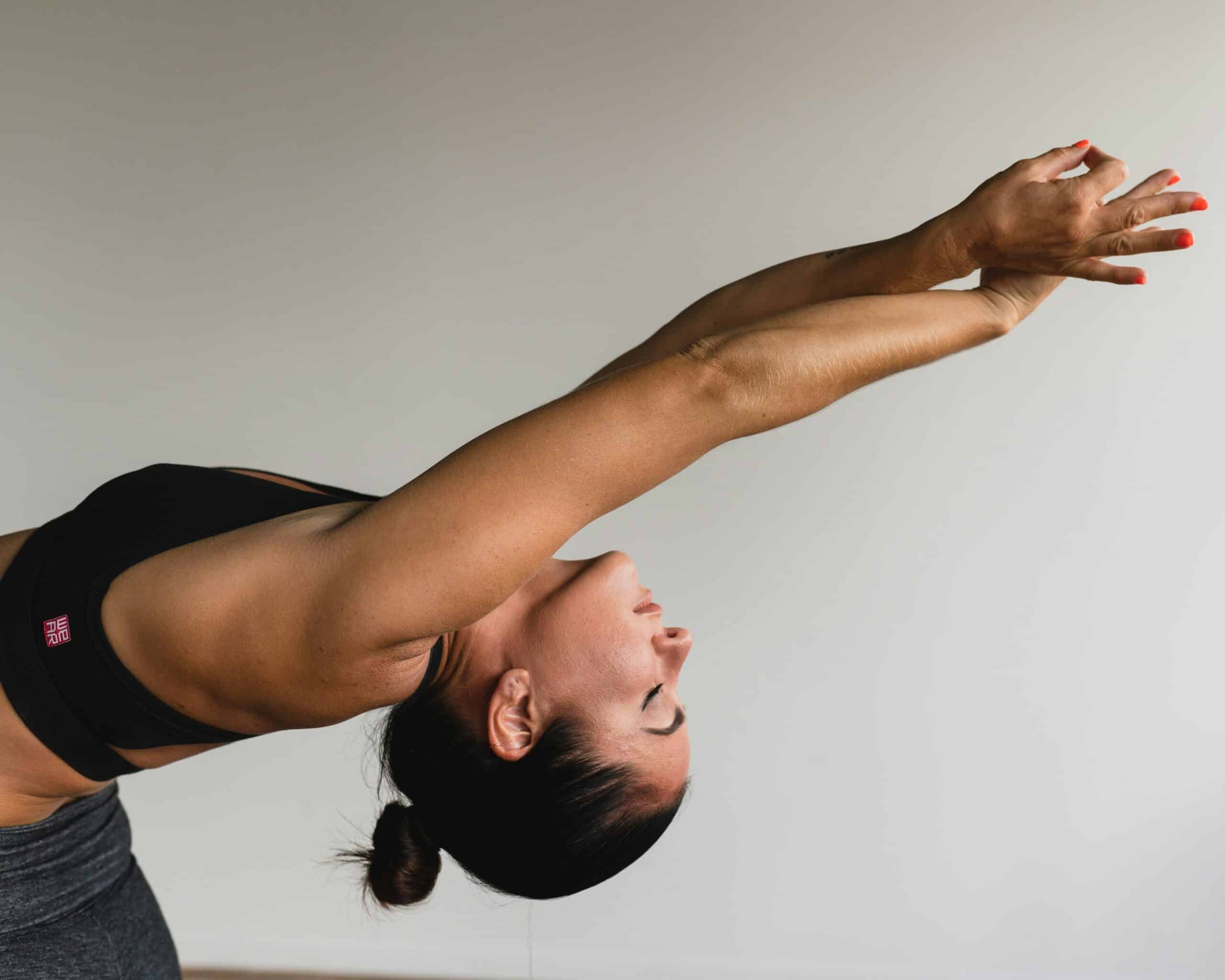
Endometriosis is a chronic and often painful condition that can significantly impact a woman’s quality of life, making effective management crucial. Women experiencing symptoms such as pelvic pain, irregular menstruation, or discomfort during sex may benefit from consulting a specialist in physical therapy sooner rather than later. Physical therapy can offer tailored interventions to alleviate pain, increase mobility, and improve overall pelvic health. Women should consider seeking this specialized care if they find that their symptoms are affecting daily activities, relationships, or mental well-being. We cover this further in Find Local Endometriosis Physical Therapy Clinics for Relief.
Additionally, women with endometriosis should not hesitate to consult a physical therapist if they notice troubling symptoms following surgical interventions or other treatments. These symptoms might include persistent pain or changes in menstrual cycles. A physical therapist trained in pelvic health can provide valuable guidance, helping to restore function and manage discomfort through targeted exercises and techniques. Ultimately, proactive engagement with a specialist can empower women to regain control over their health and experience a better quality of life amidst the challenges posed by endometriosis.
Seeing a physical therapist experienced in pelvic floor care is important when symptoms are severe, persistent or interfere with daily life.
What Are the Signs That Indicate the Need for Personalized Care Plans?
Consider specialised care if you experience:
- History of Endometriosis : A confirmed diagnosis often requires tailored treatment.
- New Pelvic Symptoms : New or worsening pain, urinary changes or sexual pain warrant reassessment.
- Complex Medical Histories : Complicated health backgrounds benefit from personalised care plans.
How Does a Patient-Centered Approach Enhance Treatment Outcomes?
A patient centered approach improves engagement and outcomes.
- Importance of Individualized Care : Tailored plans address each woman’s specific symptoms and goals.
- Coordination of Treatment : Collaboration between providers enhances overall effectiveness.
- Patient Satisfaction : Active involvement increases satisfaction and adherence to therapy.
What Pain Management Techniques Complement Physical Therapy Exercises?

When it comes to enhancing the effectiveness of physical therapy exercises, incorporating various pain management techniques can make a significant difference in a patient’s journey toward recovery. One effective approach is the use of modalities such as heat and cold therapy. Applying heat can increase blood flow to muscles, helping to relax and soothe tight areas, while cold therapy can reduce inflammation and numb sharp pain. By alternating between these two methods, individuals can better manage discomfort and increase their range of motion, paving the way for more productive sessions in physical therapy. Read more in Unlocking Relief: How Physical Therapy Helps Endometriosis Patients.
In addition to thermal therapies, mindfulness and relaxation techniques can further amplify the benefits of physical therapy. Practices such as deep breathing, meditation, or guided imagery help individuals cope with pain by fostering a sense of calm and reducing stress. These methods encourage patients to focus on their body’s healing processes, which can enhance their engagement during therapy exercises. Moreover, integrating gentle stretching and mobility practices, like yoga or tai chi, can complement a physical therapy regimen by improving flexibility and promoting overall body awareness, thus optimizing the recovery experience. Enlisting these complementary techniques not only tackles pain effectively but also equips individuals with a holistic toolkit for managing their health. Read more in Experience Relief: Endometriosis Physical Therapy Advantages.
How Does Manual Therapy Support Exercise-Based Endometriosis Relief?
Manual therapy is hands on care that reduces muscle tension and supports exercise based progress.
- Types of Manual Therapy : Soft tissue mobilization and joint techniques can ease tension and improve mobility.
- Benefits for Endometriosis Patients : Manual therapy may improve circulation and reduce pain.
- Integration with Exercise : Combining manual therapy with exercises offers a comprehensive approach.
Which Relaxation and Breathing Exercises Aid Pelvic Pain Reduction?
Relaxation and breathing techniques reduce stress and pelvic tension, which can ease pain.
- Importance of Relaxation Techniques : Guided imagery and progressive muscle relaxation reduce overall tension.
- Breathing Exercises for Pain Relief : Deep breathing promotes relaxation and can help during flare ups.
- Overall Impact on Well-Being : These practices support mental health and long term coping.
Different pain management approaches can work alongside physical therapy to provide more complete relief. Read more in Understanding Physical Therapy for Endometriosis Relief.
The table summarises how these techniques complement physical therapy to create a holistic plan for symptom management.
Frequently Asked Questions
What lifestyle changes can support physical therapy for endometriosis?
Supportive habits include an anti inflammatory diet, regular activity, good hydration, and stress management practices such as yoga or meditation. These complement therapy and may reduce symptoms.
How often should I engage in physical therapy exercises for optimal results?
Frequency varies, but aim for 2–3 supervised sessions per week plus home practice. A therapist will personalise the schedule based on symptoms and goals. If you have questions about your own symptoms, you can schedule an appointment with our endometriosis specialists.
Can physical therapy help with emotional symptoms related to endometriosis?
Yes. Exercise and therapy can ease anxiety and low mood by improving function and offering coping strategies and support.
Are there any risks associated with physical therapy for endometriosis?
Physical therapy is generally safe; however, overexertion or improper technique can increase pain. Work with an experienced therapist and report any discomfort.
How can I find a qualified physical therapist for endometriosis?
Ask your gynecologist for referrals or use professional directories to find pelvic floor specialists. On first visit, ask about experience with endometriosis and their treatment approach.
What role does patient education play in physical therapy for endometriosis?
Education helps patients understand the condition and exercises, set realistic goals, and use self management strategies that improve long term outcomes.
Conclusion
Physical therapy exercises and personalised pelvic floor care can reduce pain and improve mobility for women with endometriosis. Tailored rehabilitation supports function and quality of life; seek a qualified therapist to discuss a safe, individualised plan.