

Endometriosis often causes persistent pelvic pain that can significantly impact quality of life. This chronic condition involves the growth of endometrial like tissue outside the uterus, leading to inflammation, scarring, and pain. While surgical options exist, many people seek non-invasive approaches to manage symptoms effectively, including relief from endometriosis through manual therapy. Manual therapy is one such approach a hands-on technique that can help reduce pain, improve movement, and restore pelvic function. It focuses on addressing the musculoskeletal and fascial components that contribute to discomfort and dysfunction. Below we explain how manual therapy works, outline common techniques and benefits, note complementary non-surgical options, and describe how to find specialized manual and pelvic floor therapy so you can make informed care decisions tailored to your needs.
What Is Manual Therapy, And How Does It Help Endometriosis Pain?

Manual therapy is a specialized form of physical treatment where trained clinicians use their hands to manipulate soft tissues and joints. This approach targets muscle tension, fascial restrictions, and joint mobility issues that often accompany endometriosis-related pelvic pain. By easing muscle tightness, improving blood and lymphatic circulation, and promoting relaxation, manual therapy can reduce the intensity and frequency of pelvic pain. It also helps restore mobility and function in the pelvic region, which may be compromised due to chronic inflammation and scar tissue formation. Importantly, manual therapy addresses not only the physical symptoms but also the nervous system’s heightened sensitivity that often exacerbates pain perception in endometriosis.
In addition to direct tissue work, manual therapy sessions often incorporate education on posture, movement, and self-care strategies to empower patients in managing their symptoms between visits. This integrated approach supports long-term improvements and complements other medical treatments.
Which Manual Therapy Techniques Are Used For Pelvic Pain Relief?
Common manual therapy techniques used to alleviate pelvic pain in endometriosis include:
- Swedish Massage: This technique involves gentle, flowing strokes designed to relax soft tissues, increase blood flow, and promote overall relaxation. It helps reduce muscle tension and can ease discomfort in the pelvic and surrounding areas.
- Deep Tissue Massage: This method uses slower, firmer pressure to reach deeper layers of muscle and connective tissue. It is particularly effective for releasing chronic tightness and adhesions that may develop due to endometriosis related inflammation and scarring.
- Myofascial Release: Focused pressure and stretching are applied to the fascia, the connective tissue surrounding muscles and organs, to release restrictions and improve tissue mobility. This technique can help reduce pain and improve the range of motion in the pelvic region.
These methods are often combined during treatment sessions to provide thorough support for comfort and function across the pelvis and nearby structures such as the lower back, hips, and abdomen. Therapists tailor the approach based on individual symptoms and response to treatment.
Research increasingly shows that addressing myofascial dysfunction and nervous system sensitization can be a key part of pain relief when conventional treatments haven’t fully resolved symptoms. By targeting these underlying contributors, manual therapy offers a valuable complement to medical and surgical care for endometriosis.
How Pelvic Floor Therapy Helps People With Endometriosis

Pelvic floor therapy is a specialized form of manual therapy that focuses on the muscles supporting the pelvic organs, including the uterus, bladder, and rectum. In people with endometriosis, these muscles can become tight, uncoordinated, or painful due to chronic inflammation, scar tissue, and altered movement patterns. Pelvic floor therapy aims to restore muscular balance, reduce pain, and improve daily function by addressing these dysfunctions.
- Pain Reduction: Targeted pelvic floor work often lowers baseline pain levels and reduces activity-related pain, making daily tasks more manageable.
- Improved Tissue Mobility: Gentle release techniques and guided movement exercises help tissues glide smoothly, increasing range of motion and reducing stiffness.
- Better Circulation: Enhanced blood flow supports tissue health, promotes healing, and reduces inflammation in the pelvic region.
When combined with broader manual therapy approaches, pelvic floor care forms a focused, function-oriented strategy to symptom management. It addresses both the muscular and fascial components of pelvic pain, helping to break the cycle of pain and dysfunction.
How Does Pelvic Floor Dysfunction Affect Endometriosis Symptoms?
Poor pelvic floor function can significantly worsen endometriosis symptoms by increasing pain, limiting movement, and adding emotional strain. Overactive or shortened pelvic floor muscles may increase pressure and discomfort in the pelvic area, restrict mobility, and contribute to urinary or bowel symptoms. Additionally, pelvic floor dysfunction can raise stress and anxiety levels, which further complicates symptom control by amplifying pain sensitivity and reducing coping ability. Addressing these muscular imbalances is therefore a critical component of thorough endometriosis care.
What Improvements Can Patients Expect From Pelvic Floor Therapy?
Many people undergoing pelvic floor therapy report meaningful gains that enhance their quality of life, including:
- Improved Pain Control: Patients often experience fewer flare-ups and lower day-to-day pain, allowing for greater comfort and activity participation.
- Greater Function: Therapy can lead to easier movement, better posture, and less pain during routine tasks such as sitting, walking, or exercising.
- Better Quality Of Life: Improvements in sleep quality, mood, and the ability to engage in social and recreational activities are commonly reported.
Pelvic floor health is a key component of well-rounded endometriosis care, with specialized pelvic floor therapy support for both physical and emotional well-being.
Non-Surgical Treatments That Complement Manual Therapy

Manual therapy is most effective when integrated into a broader, non-invasive treatment plan. Complementary therapies help address pain, inflammation, and overall well-being, creating a multifaceted approach to managing endometriosis symptoms. You may also find Comfort Strategies: Utilizing Heat Therapy for Endometriosis helpful.
How Does Physical Therapy Support Endometriosis Pain Relief?
Physical therapy builds on manual therapy by incorporating movement, strength training, and patient education. It focuses on improving pelvic and core strength, enhancing posture, and optimizing movement patterns to reduce strain on the pelvic region. Typical benefits include targeted exercises designed to support pelvic stability, practical guidance on body mechanics and pacing activities to avoid flare-ups, and attention to breathing techniques that promote relaxation and reduce muscle tension. Physical therapy also helps patients develop self-management skills to maintain improvements over time. You may also find A Guide to Endometriosis Treatment Options for Patient Empowerment helpful.
What Other Non-Surgical Techniques Help Manage Endometriosis Pain?
Supportive, non-invasive options that often complement manual therapy include: You may also find Unlocking Manual Therapy for Endometriosis Relief helpful.
- Acupuncture: This traditional Chinese medicine technique involves inserting fine needles at specific points to reduce pain and promote relaxation. Some patients find acupuncture helpful in managing endometriosis-related discomfort and stress.
- Dietary Adjustments: An anti-inflammatory eating pattern emphasizing fruits, vegetables, whole grains, and omega-3 fatty acids may help reduce systemic inflammation and symptom severity. Consulting a nutrition specialist familiar with endometriosis can provide personalized guidance.
- Mindfulness And Relaxation: Practices such as yoga, meditation, and breathwork help reduce stress and can lower pain sensitivity by calming the nervous system. These techniques support emotional well-being and enhance the effectiveness of hands-on therapies.
Incorporating these approaches into a coordinated care plan often enhances manual therapy outcomes and supports long-term symptom management and quality of life. We cover this further in Understanding the Role of Manual Therapy in Endometriosis Management.
How To Access Manual Therapy At Specialized Endometriosis Centers
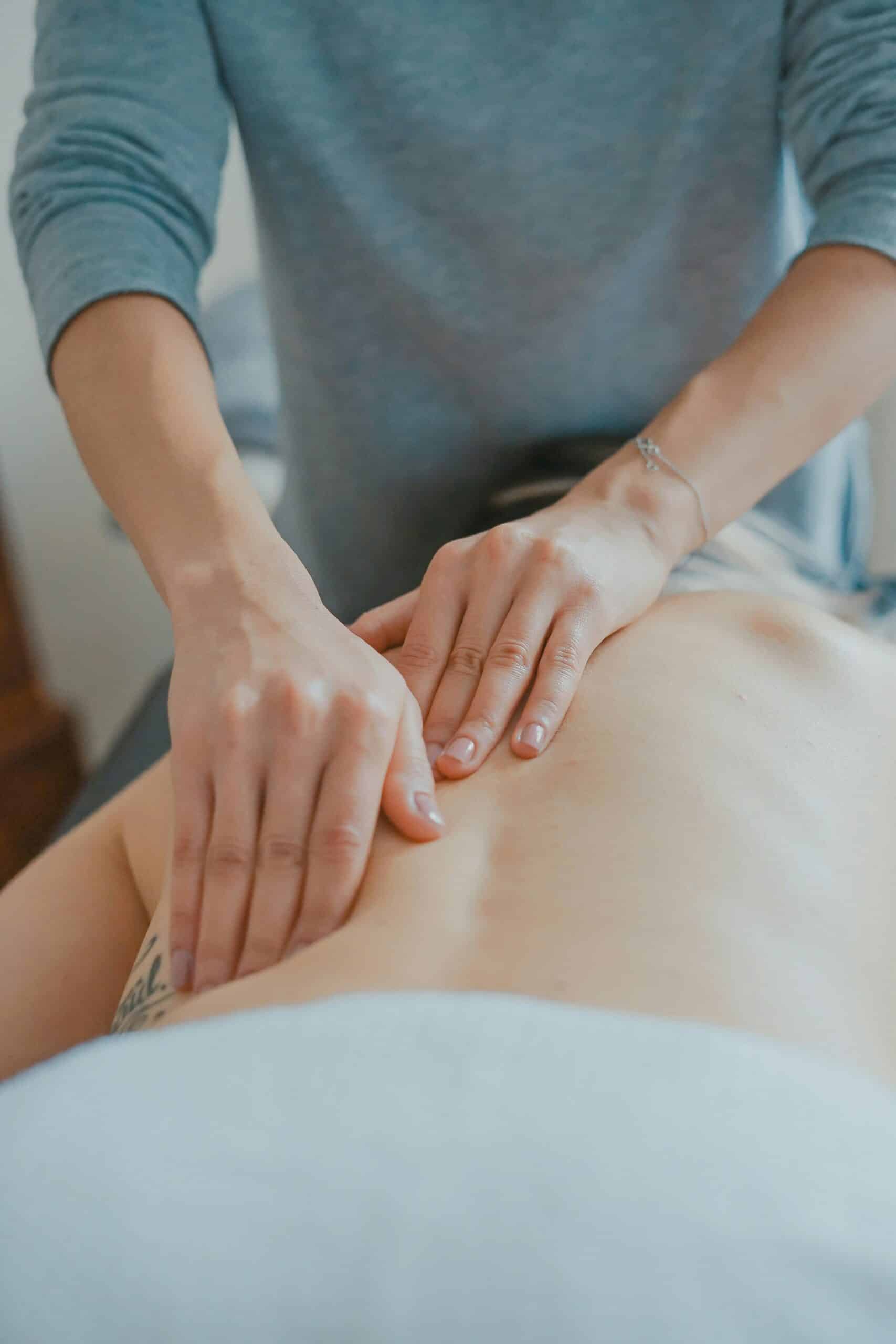
Specialized endometriosis centers typically offer coordinated, team-based, non-invasive services, including manual and pelvic floor therapy. These centers provide care tailored to each person’s unique symptoms, medical history, and goals, ensuring a personalized and thorough approach.
What Should Patients Expect During A Manual Therapy Consultation?
Initial visits at specialized centers focus on collaboration and a thorough assessment. This includes reviewing symptoms, medical history, movement patterns, and identifying pain triggers. Your therapist will explain the planned techniques, invite your input, and align the treatment plan with your personal goals and preferences. This collaborative process ensures that care is safe, personalized, and goal-driven.
- Comprehensive Assessment: Detailed review of symptoms, movement, and functional limitations.
- Clear Discussion Of Techniques: Explanation of what manual therapy methods will be used and why they are appropriate for your condition.
- Active Patient Involvement: Your goals, preferences, and feedback shape the treatment plan to ensure it meets your needs.
This approach fosters trust and maximizes the potential for positive outcomes.
How Are Personalized Treatment Plans Developed For Endometriosis?
Treatment plans at specialized centers are team-based and individualized. Core elements include coordination among therapists, physicians, and other healthcare providers; patient-centered goal setting; and ongoing evaluation to adjust care based on progress and changing needs. This ensures that therapy remains effective and responsive throughout the course of treatment.
- Team Collaboration: Coordinated care across specialties such as gynecology, physical therapy, pain management, and mental health.
- Patient-Centered Planning: Therapy choices are guided by your goals, symptom severity, and tolerance to different interventions.
- Ongoing Evaluation: Regular reviews and adjustments to the treatment plan help achieve the best possible outcomes.
This tailored approach aims for practical, measurable improvements in symptoms, function, and overall quality of life.
Frequently Asked Questions
What Is The Role Of Nutrition In Managing Endometriosis Symptoms?
Nutrition plays a significant role in influencing inflammation and symptom burden in endometriosis. Many people benefit from adopting a diet rich in anti-inflammatory foods such as fruits, vegetables, whole grains, and omega-3 fatty acids found in fish and flaxseeds. Reducing intake of processed foods, trans fats, and excess sugar may also help decrease systemic inflammation. Working with a nutritionist experienced in endometriosis can help you develop a practical, personalized eating plan that supports symptom management and overall health.
Can Exercise Help Alleviate Endometriosis Pain?
Yes. Regular, appropriate exercise releases endorphins, which are natural pain relievers, improves circulation, and reduces muscle tension. Low-impact activities such as walking, swimming, and gentle yoga are often well tolerated and can improve pelvic floor strength and flexibility. It is important to work with a clinician to develop a balanced routine that fits your pain levels and fitness capacity, avoiding overexertion that might trigger flare-ups.
How Can Mindfulness Practices Benefit People With Endometriosis?
Mindfulness practices including meditation, breathwork, and guided relaxation help reduce stress and can alter how the brain processes pain signals. Over time, these techniques often lower anxiety, improve coping skills, and enhance quality of life. Mindfulness is a valuable complement to hands-on care, supporting both physical and emotional aspects of symptom management.
What Should Patients Look For When Choosing A Manual Therapist?
When selecting a manual therapist, look for experience with pelvic pain and specialized training in women’s health or pelvic floor rehabilitation. Verify their qualifications, read patient reviews, and seek recommendations from trusted healthcare providers. Choose a therapist who listens attentively, explains their approach clearly, and involves you actively in treatment decisions to ensure a comfortable and effective care experience.
Are There Any Risks Associated With Manual Therapy For Endometriosis?
Manual therapy is generally safe when performed by qualified professionals. Some people may experience temporary soreness, mild bruising, or brief increases in discomfort following treatment. Rarely, flare-ups can occur if techniques do not match individual needs. It is important to communicate openly with your therapist about your pain levels and tolerance so they can adjust the treatment accordingly and maintain safety.
How Often Should Patients Undergo Manual Therapy For Optimal Results?
The frequency of manual therapy sessions depends on individual needs, symptom severity, and treatment goals. Many therapists begin with weekly sessions to build progress, then gradually taper to biweekly or monthly visits as symptoms improve. Some patients benefit from occasional maintenance visits to sustain gains. Your therapist will work with you to develop a schedule that fits your goals and response to treatment, ensuring the best possible outcomes. To discuss your situation with a specialist, schedule an appointment at our center.
Conclusion
Manual therapy combined with pelvic floor care and other non-invasive options can significantly reduce pain and improve pelvic function for people living with endometriosis. Techniques such as Swedish massage, deep tissue work, and myofascial release help reduce muscle tension, restore movement, and support tissue recovery. When integrated into a coordinated, team-based care plan that includes physical therapy, nutrition, mindfulness, and other supportive therapies, manual therapy offers a well-rounded approach to managing this complex condition. If you’re exploring non-invasive paths, specialized services can help design a personalized plan to relieve symptoms and improve daily life. Reach out to learn how manual therapy might fit into your care and support your journey toward better pelvic health and well-being.