

Tailored movement, especially pelvic floor physical therapy (PT), is a core strategy for managing endometriosis-related pelvic pain. Low-impact activities such as swimming, Pilates, and gentle stretching improve circulation, support pelvic muscles, and can ease cramping. Combined with rest, hydration, and mind-body techniques, individualized plans reduce symptoms and build coping skills. Below is a focused overview of program components, the role of excision surgery, multidisciplinary care, and where to find clinician-led resources.
How Do Targeted Exercise Programs Relieve Pelvic Pain?

Targeted exercise improves blood flow, lowers inflammation, and strengthens support without overstressing sensitive tissue. Low-impact options (walking, swimming, gentle yoga) increase mobility and endurance while limiting pelvic strain. Programs emphasize gradual progression, scheduled rest, and hydration to reduce flare-ups. Many combine pelvic floor muscle training (PFMT) with lifestyle and rehab strategies to address multiple pain drivers at once.
What Are Pelvic Floor Physical Therapy Techniques?
Pelvic floor PT uses manual release, graded activation drills, breathing and relaxation training, and tailored home programs to restore coordination and relieve myofascial pain. Therapists combine hands-on care with education and progressive exercise, often coordinating with acupuncture, nutrition, and mind-body strategies to address overlapping contributors to dysfunction.
Which Pelvic Pain Exercises Are Most Effective?
- Gentle walking – supports circulation and movement.
- Swimming – low impact, builds strength and endurance.
- Pilates – improves core stability and pelvic support.
- Stretching – eases muscle tightness and cramping.
- Yoga – increases flexibility and relaxation.
Balance activity with rest, increase intensity slowly, and adapt movements to comfort. If pain worsens, consult a clinician or pelvic-health therapist.
What Role Does Excision Surgery Play In Endometriosis Pain Relief?
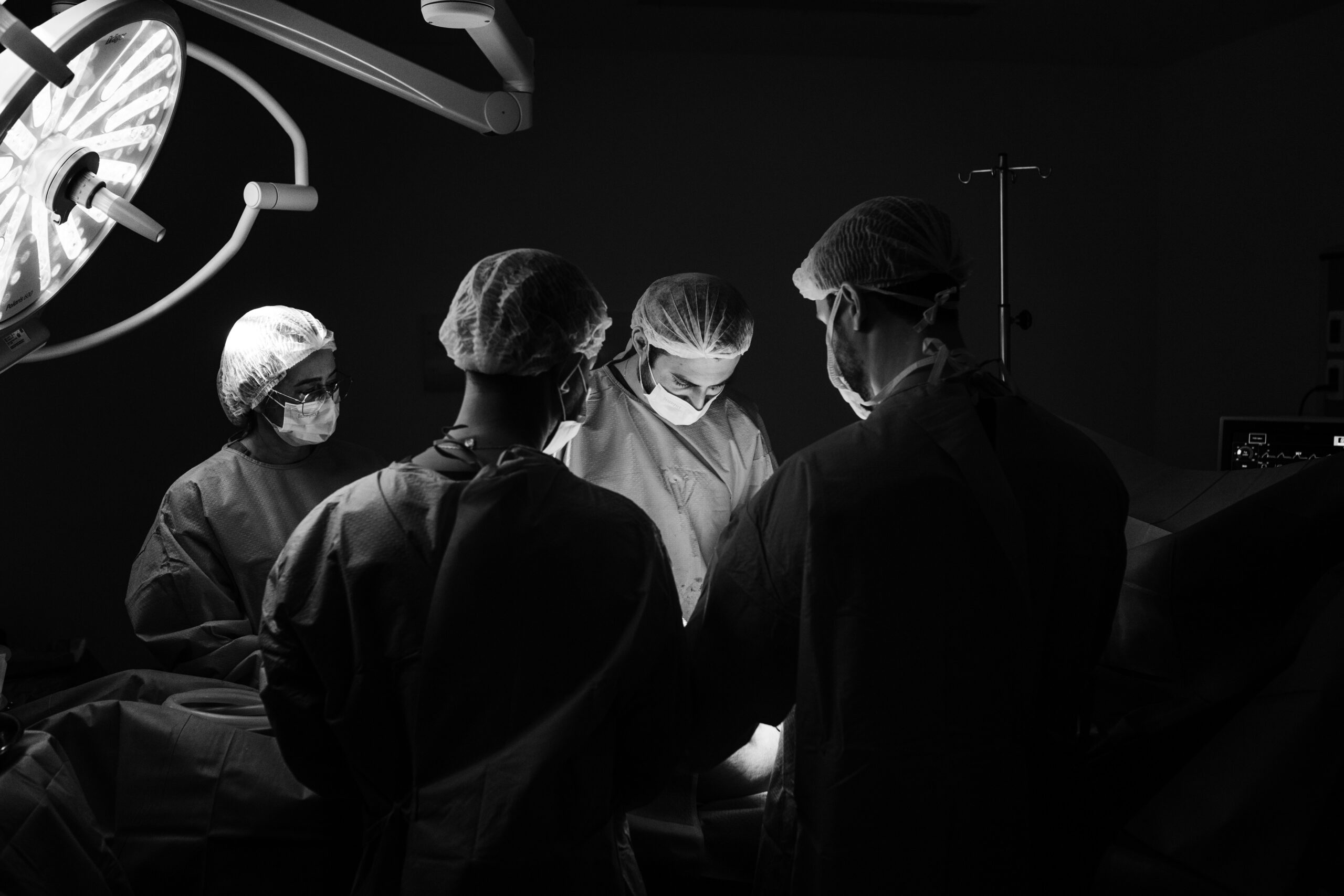
Excision surgery removes visible endometriotic lesions and scar tissue to reduce nociceptive signals and can provide durable relief when lesions are fully excised. It is often considered when medical therapy is insufficient. Surgical planning should include fertility considerations and long-term outcome discussions with experienced specialists.
The Endometriosis Center of Excellence provides specialized excision within a coordinated, patient-centered care pathway.
How Does Excision Surgery Treat Endometriosis Lesions?
Excision removes affected tissue rather than ablating it, which may reduce local inflammation, lower recurrence risk, and allow pathological review. Laparoscopic excision is commonly selected for persistent localized pain or concerning findings; skilled surgeons aim for complete removal while preserving nearby organs.
How Is Surgery Combined With Exercise For Better Outcomes?
Coordinated perioperative care speeds recovery: preoperative optimization (pelvic floor PT, anti-inflammatory nutrition, mental-health preparation) can reduce anxiety and improve coping. Early, staged rehabilitation – guided pelvic floor therapy, graded activity, and a controlled return to aerobic exercise – helps prevent guarding and restore function.
How Can Chronic Pelvic Pain Treatment Benefit From Multidisciplinary Approaches?
Multidisciplinary care addresses physical drivers and psychological amplifiers of pain. Common complementary strategies include:
- Pelvic floor physical therapy – treats myofascial contributors and restores coordination.
- Mind-body practices – mindfulness, MBSR, and yoga to lower stress and pain sensitivity.
- Acupuncture – may provide short-term central modulation for some patients.
- Targeted supplements – omega-3s and magnesium when advised by a clinician.
Matched to an individual’s profile, these approaches can lower baseline pain, improve tolerance for medical or surgical care, and enhance quality of life. Clear communication among providers creates a coordinated recovery plan.
Why Combine Physical Therapy And Surgical Options?
Combining precise excision with PT addresses both lesions and the muscular or nervous-system patterns that perpetuate pain. Preoperative PT, accurate surgery, and phased postoperative rehab reduce recurrence risk and support recovery and mental well-being.
What Are The Latest Evidence-Based Pain Management Techniques?
Evidence supports combining individualized approaches:
- Pelvic floor physical therapy
- Mind-body practices (MBSR, yoga)
- Acupuncture
- Targeted supplements (when clinically advised)
- Cognitive behavioral therapy (CBT)
- Dietary changes – anti-inflammatory nutrition
Careful sequencing and individualized plans increase the chance of meaningful improvement.
What Patient Resources Support Pelvic Pain Relief Through Exercise?

Safe, practical resources include guided low-impact routines, pelvic floor PT with tailored home programs, mind-body techniques, hydration and nutrition guidance, and acupuncture as a complementary option. Use resources according to individual tolerance and balance activity with rest. We cover this further in The Impact of Workplace Wellness Programs on Chronic Illness Management.
Where To Find Guided Exercise Programs And Video Demonstrations?
Choose clinical programs or reputable online platforms that publish routines reviewed by pelvic-health clinicians and physiotherapists to ensure safety and relevance to endometriosis.
How Do Patient Testimonials Reflect Treatment Success?
Patient stories commonly report reduced pain, improved function, and greater resilience after combining therapies such as CBT, mindfulness, pelvic floor PT, and surgery when appropriate; testimonials can offer practical encouragement.
Frequently Asked Questions
What Are The Signs That I May Need Pelvic Floor Physical Therapy?
Persistent pelvic pain, pain with intercourse, urinary or bowel changes, or pelvic heaviness warrant evaluation by a clinician who can recommend PT when appropriate.
How Long Does It Typically Take To See Results From Pelvic Floor Therapy?
Timing varies; many see improvement in weeks, while others need months. Consistent sessions and home practice speed progress.
Can Pelvic Floor Exercises Be Done At Home, And How Should I Start?
Yes – start with guidance from a qualified therapist to ensure correct technique, then progress under supervision; stop any exercise that causes pain. For more detail, see our article Yoga vs. Traditional Exercise for Endometriosis Relief.
What Should I Do If I Experience Pain During Pelvic Floor Exercises?
Stop the exercise and contact your pelvic-health therapist so the program can be adjusted or an alternative approach offered. You may also find Natural Exercise Options for Endometriosis Comfort helpful.
Are There Any Specific Dietary Recommendations To Support Pelvic Health?
An anti-inflammatory pattern rich in fruits, vegetables, whole grains, lean proteins, and omega-3s may help; consult a nutritionist for personalized advice.
How Can I Involve My Healthcare Team In My Pelvic Pain Management Plan?
Share symptoms, goals, and concerns with your primary care provider, gynecologist, and pelvic floor therapist to coordinate care that addresses physical and emotional aspects.
What Lifestyle Modifications Can Enhance The Effectiveness Of Pelvic Pain Treatments?
Regular low-impact activity, stress management, good sleep, hydration, an anti-inflammatory diet, and social or professional support all aid coping and recovery.
What Are The Benefits Of Combining Exercise With Pelvic Floor Physical Therapy?
Exercise increases circulation, strength, and flexibility while PT restores coordination and treats myofascial pain – together they reduce pain and improve function. We cover this further in Tailored Exercise Techniques for Women Battling Endometriosis.
How Can I Find A Qualified Pelvic Floor Physical Therapist?
Ask for referrals from your primary care provider or gynecologist, consult professional organizations for certified pelvic-health specialists, verify experience with endometriosis, and review patient feedback.
What Lifestyle Changes Can Support Pelvic Pain Management?
Helpful measures include an anti-inflammatory diet, hydration, regular sleep, stress reduction, and avoiding known triggers; counseling and social support can improve outcomes.
What Should I Expect During My First Pelvic Floor Therapy Session?
Your first visit usually includes history, symptom review, and a muscle function assessment followed by a personalized plan of manual therapy, exercises, and education.
How Can I Manage Flare-Ups Of Pelvic Pain During Exercise?
If pain flares, stop or modify the movement, use gentle warm-ups and cool-downs, favor low-impact activities, and consult your therapist for adjustments.
Are There Any Online Resources For Pelvic Pain Exercises?
Yes – seek materials and classes developed or reviewed by certified pelvic-health therapists and reputable organizations, and check with your provider before starting new programs.
What Should I Consider Before Starting A Pelvic Floor Exercise Program?
Consult a healthcare professional or pelvic-health therapist first to screen for contraindications and tailor exercises safely.
How Often Should I Perform Pelvic Floor Exercises For Optimal Results?
Consistency matters: many programs recommend short daily practice or several brief weekly sessions, progressing under clinician guidance.
Can Diet Impact Pelvic Pain And The Effectiveness Of Exercise Programs?
Diet influences inflammation; an anti-inflammatory pattern may help – consult a nutritionist for individualized recommendations.
What Role Does Mental Health Play In Managing Pelvic Pain?
Mental health shapes pain perception – mindfulness and CBT reduce catastrophizing, improve coping, and often yield measurable gains in function and mood.
Are There Specific Exercises To Avoid If I Have Pelvic Pain?
Avoid movements that provoke pain (high-impact sports, heavy lifting); work with a therapist to modify or substitute provocative activities.
How Can I Track My Progress In A Pelvic Floor Exercise Program?
Keep a simple journal of exercises, pain scores, and goals; symptom-tracking apps and regular therapist check-ins help monitor progress.
Conclusion
Targeted exercise and pelvic floor physical therapy are evidence-based components of comprehensive care for endometriosis-related pelvic pain. When combined with mind-body practices, nutrition, and – when appropriate – excision surgery, these strategies can restore function and reduce pain. Seek clinician-led programs for safe, personalized care.